 Inked Mythos
Introduction: The Rise of Ink in Mainstream Fashion
Tattoo culture has moved far beyond subcultural boundaries, profoundly shaping 2026 fashion trends. What began as personal expression through body art now influences everything from haute couture to streetwear. This cultural crossover blends traditional tattoo aesthetics with contemporary clothing, creating hybrid looks that celebrate individuality and heritage. In 2026, the integration of ink motifs into clothing patterns, accessories, and even makeup has become a defining feature of seasonal collections. Fashion enthusiasts and industry insiders alike recognize how body art symbolism, once hidden, now serves as a primary design inspiration. This article delves into the key drivers behind this phenomenon, real-world examples from global events, and actionable advice for incorporating these elements into personal style. By examining collaborations, runway presentations, and digital amplification, readers gain a complete understanding of how tattoo culture continues to evolve mainstream aesthetics.
Historical Context and Cultural Crossovers
Body art has intersected with clothing design for decades, yet 2026 marks an unprecedented acceleration. Traditional tattoo practices from Polynesian, Japanese, and Native American cultures provide foundational motifs that modern designers reinterpret through sustainable fabrics and digital printing techniques. These crossovers respect origins while adapting them for urban wardrobes. For deeper insight into art history connections, resources from institutions like The Metropolitan Museum of Art highlight how symbolic markings have long informed textile patterns. This historical lens helps explain why 2026 collections emphasize authenticity over appropriation, fostering inclusive design narratives.
Designer Collaborations with Tattoo Artists
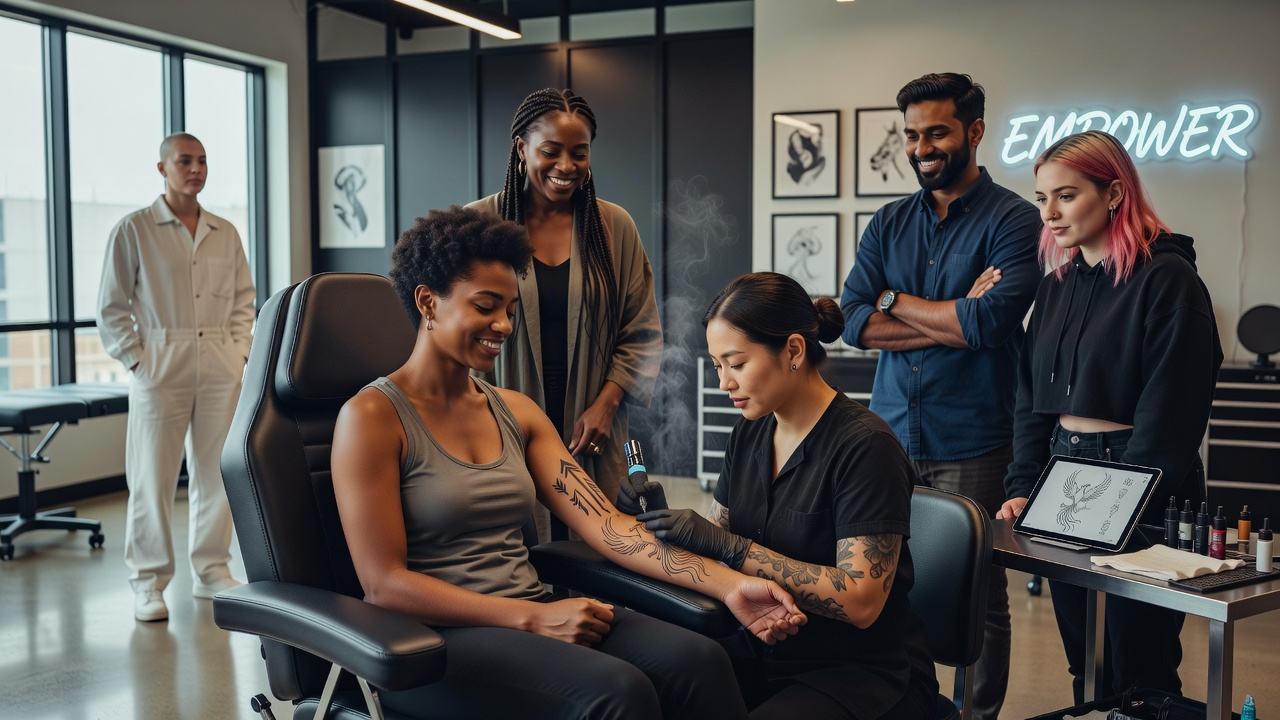
Major fashion houses partner with renowned tattoo artists to craft exclusive lines that translate skin art onto garments. These alliances merge fine-line techniques with embroidery, laser-cut details, and fabric dyeing processes. Collaborations often feature geometric mandalas on cashmere sweaters or script lettering on leather jackets. Such partnerships elevate tattoo culture by introducing new textures and visual depth to ready-to-wear pieces. Industry observers note that these joint efforts have increased visibility for independent artists while expanding consumer access to high-quality, tattoo-inspired apparel. Vogue continues to document how these creative unions redefine seasonal offerings and push creative boundaries.
Runway Integrations of Ink Motifs
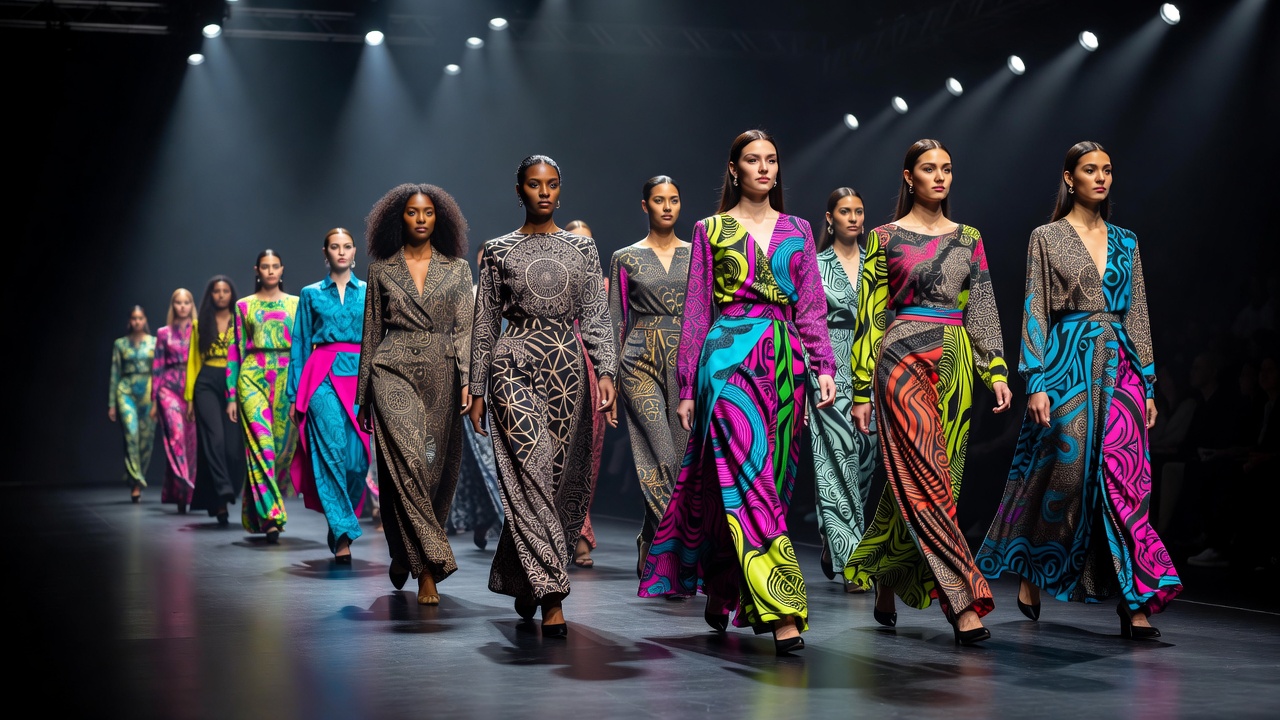
During 2026 Fashion Weeks in Paris, Milan, New York, and London, models showcased coordinated temporary tattoos alongside printed clothing. Sheer overlays revealed ink-style patterns beneath, while accessories such as belts and scarves carried matching motifs. This seamless blending turns the body into an active participant in the outfit narrative. Traditional bold symbols contrast with modern minimalist gradients, allowing designers to appeal to varied demographics. The effect creates dynamic visual stories that resonate on both physical runways and digital platforms.
Social Media's Role in Popularizing Body Art Aesthetics
Instagram, TikTok, and Pinterest have become primary engines for trend dissemination. Users post step-by-step recreations of runway looks using affordable tattoo-print tees and temporary tattoo kits. Influencers demonstrate styling hacks that transition from day to night, encouraging mass adoption. Hashtag campaigns around 2026 ink fashion have generated millions of impressions, prompting fast-fashion brands to release corresponding collections. This digital ecosystem democratizes elite designs and accelerates feedback loops between creators and consumers, ensuring trends evolve rapidly based on real-time engagement data.
Real-World Examples from Major Fashion Weeks
At Milan Fashion Week, oversized blazers featured embroidered sleeve tattoos that mirrored actual body ink placements. New York shows presented evening gowns with henna-inspired prints flowing across hems. London events highlighted sustainable denim lines incorporating traditional tribal motifs updated with neon accents. Paris collections showcased sheer bodysuits layered over coordinated temporary tattoos. These cases demonstrate the breadth of application, from formalwear to casual pieces, and underscore how global events treat ink culture as a central rather than peripheral element.
Step-by-Step Tips for Blending Tattoos with Clothing Choices
Successful integration requires thoughtful planning. Begin by mapping your existing tattoos and identifying complementary clothing cuts that frame rather than hide them. Select neutral base layers so printed ink motifs on outer garments create focal points. Incorporate sheer panels or mesh to echo skin-art translucency. Layer accessories such as printed socks or gloves for subtle continuity. Experiment with color theory by matching clothing tones to tattoo pigments for harmony. Finally, test outfits in natural light to ensure proportions remain balanced. These methods allow wearers to honor personal ink while aligning with current fashion directions.
Comparisons: Traditional versus Modern Fusion Looks
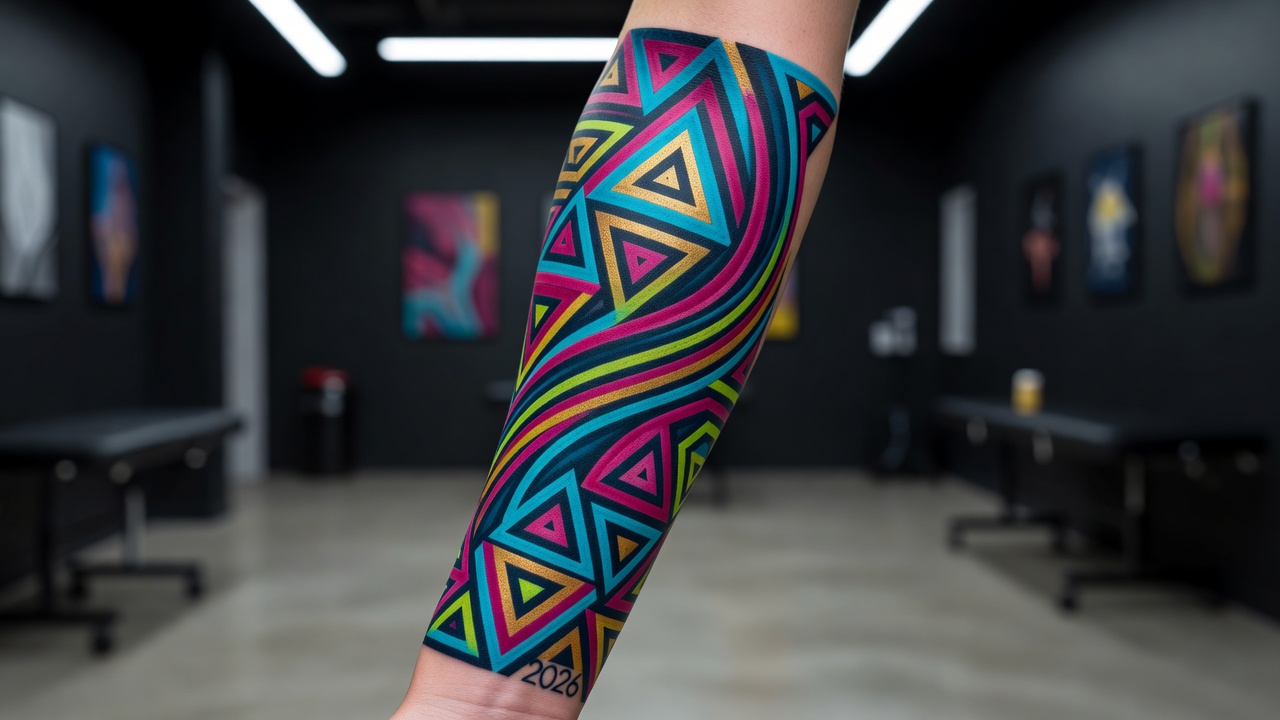
Traditional aesthetics rely on saturated colors, heavy outlines, and culturally specific symbols often paired with vintage silhouettes. Modern fusion approaches favor clean lines, gradient shading, and abstract interpretations rendered on technical fabrics. The former emphasizes storytelling and heritage, while the latter prioritizes versatility and everyday wearability. Both approaches coexist in 2026 wardrobes, giving individuals options based on occasion and personal identity.
" alt="Tattoo-inspired fashion detail">
Common Mistakes to Avoid When Adopting Tattoo-Inspired Fashion
Overloading an outfit with competing patterns often leads to visual clutter. Instead, anchor bold prints with solid separates. Ignoring placement harmony between body tattoos and clothing prints can create awkward overlaps. Always preview combinations in a mirror from multiple angles. Choosing low-quality reproductions of motifs risks cultural insensitivity; prioritize licensed or original designs. Finally, neglecting fabric care shortens garment lifespan, so follow specific washing instructions for printed pieces.
Conclusion
Tattoo culture's influence on 2026 fashion represents a vibrant, ongoing dialogue between personal expression and collective style. Through collaborations, runway showcases, and digital communities, these influences continue to expand creative possibilities. Applying the practical guidance above enables confident participation in this evolving movement.
FAQ
What are popular tattoo-inspired accessories for 2026?
Chokers with script motifs, belts featuring geometric patterns, and bags printed with botanical ink designs pair well with both casual and formal ensembles.
Where can I find community events celebrating this crossover?
Joint tattoo conventions and fashion pop-ups occur regularly in major cities; check local listings and cultural centers for schedules.
How do I avoid common styling mistakes?
Match color palettes between tattoos and clothing, start with small accent pieces, and ensure prints do not clash with existing body art.
Are there specific fabrics best suited for tattoo-motif prints?
Lightweight silks, organic cottons, and technical performance knits hold intricate designs well while maintaining comfort and durability.
Can temporary tattoos be used to test runway looks?
Yes, high-quality temporary tattoos allow experimentation before committing to permanent ink or permanent clothing investments.
No comments yet. Be the first!