 Inked Mythos
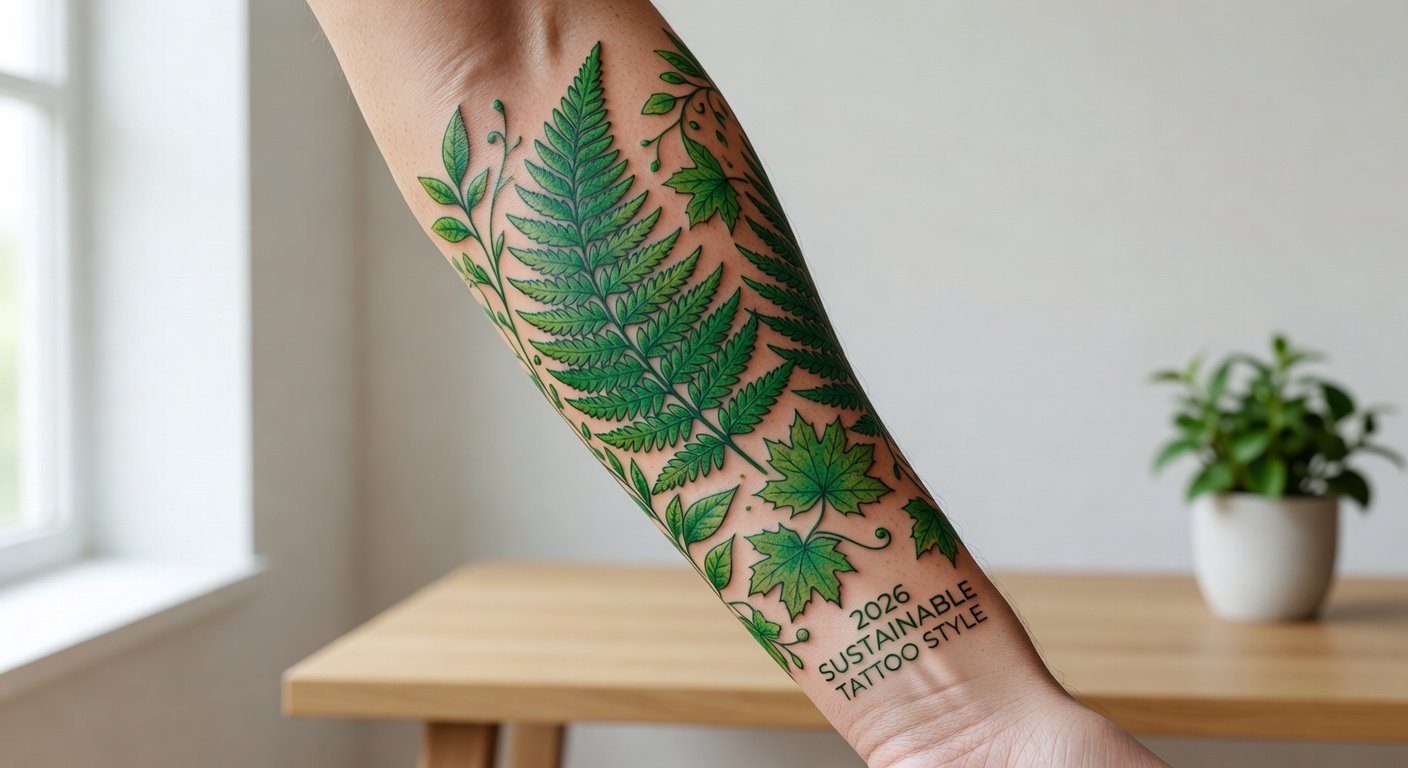
Introduction: The Rise of Sustainable Tattoo Ink in 2026
The tattoo industry is undergoing a profound transformation as eco-conscious clients and artists embrace the eco-ink revolution. By 2026, green tattoos made from plant-based and vegan formulations are moving from niche preference to mainstream practice, driven by growing awareness of environmental impact and personal health. Traditional petroleum-derived inks often contain heavy metals and synthetic compounds that raise concerns for both the planet and skin health.
This shift aligns with broader cultural values around sustainability, encouraging studios to adopt greener practices without sacrificing artistic quality. In this comprehensive guide, we examine the types of eco-inks available, compare them to conventional options, highlight real-world brands, and provide actionable steps for artists and clients alike.
Types of Plant-Based and Vegan Tattoo Inks
Eco-friendly inks primarily fall into two categories: plant-based and fully vegan formulations. Plant-based inks derive pigments from natural sources such as turmeric, beetroot, and algae, offering vibrant hues while reducing reliance on synthetic chemicals. Vegan inks exclude all animal-derived ingredients like glycerin from animal fats, instead using plant alternatives.
Leading examples include water-based pigments and organic carbon black alternatives that maintain stability under the skin. These options appeal to clients with sensitivities or ethical commitments, providing a cleaner alternative for body art.
Environmental and Health Benefits Compared to Traditional Inks
Traditional tattoo inks can contribute to environmental pollution through non-biodegradable components and manufacturing waste. In contrast, eco-inks often use renewable resources and biodegradable carriers, lowering the carbon footprint of production. Health-wise, many plant-based formulas minimize exposure to allergens and toxins, potentially reducing risks of adverse reactions.
Studies from regulatory bodies underscore the importance of ingredient transparency. For authoritative guidance on cosmetic safety, consult resources like the U.S. Food and Drug Administration and the Environmental Protection Agency.
Leading Brands and Real-World Examples
Several pioneering companies have established themselves in the green tattoo space. Brands like Eternal Ink and World Famous offer dedicated vegan lines sourced from natural pigments. Studios in Portland and Berlin report high client satisfaction with these products, noting excellent color retention in custom pieces ranging from delicate florals to bold geometric designs.
One notable example is a California studio that switched entirely to plant-based inks in 2025, resulting in increased bookings from environmentally aware millennials.
Step-by-Step Guide for Artists to Adopt Green Practices
- Research certified suppliers that provide full ingredient lists and third-party testing.
- Start with small-batch testing on practice skins to evaluate flow and healing properties.
- Update studio protocols to include eco-friendly disposal methods for ink waste.
- Train staff on the benefits and application techniques unique to natural pigments.
- Market your transition transparently to attract like-minded clients.
These steps help artists integrate sustainability seamlessly while maintaining professional standards.
Comparisons of Ink Longevity and Vibrancy
Modern eco-inks have closed the gap with traditional formulas in terms of durability. High-quality plant-based options demonstrate comparable vibrancy after one year, with some retaining saturation longer due to stable organic pigments. Longevity depends on factors like skin type, sun exposure, and aftercare, but many artists note minimal fading when proper techniques are used.

Tips for Clients Choosing Sustainable Tattoos
- Request ingredient disclosures before booking.
- Choose artists experienced with vegan lines for optimal results.
- Follow aftercare routines that support healing without harsh chemicals.
- Consider placement and design complexity to maximize ink performance.
Case Studies of Studios Leading the Shift
Green Needle Studio in Seattle transitioned to 100% plant-based inks and documented a 40% rise in eco-conscious clientele within six months. Similarly, Ink & Earth in London incorporated recycled packaging and solar-powered equipment, setting a benchmark for holistic sustainability in tattoo culture.
FAQ on Regulations, Costs, and Aftercare
What regulations apply to eco-inks?
Most regions require compliance with cosmetic ingredient standards; always verify local health department guidelines for safe use.
Are eco-tattoos more expensive?
While material costs can vary, many studios offer competitive pricing through efficient sourcing, making green options accessible without premium markups.
How does aftercare differ?
Aftercare remains similar—keep the area clean and moisturized—but opt for natural balms to complement the ink's organic profile.
Conclusion
The eco-ink revolution represents more than a trend; it signals a lasting evolution in ink culture toward responsibility and innovation. Whether you're an artist seeking to upgrade your practice or a client planning your next piece, sustainable choices empower meaningful self-expression while protecting the environment. As 2026 unfolds, green tattoos continue to redefine what it means to wear art with purpose.


No comments yet. Be the first!