 Inked Mythos
Introduction to Tiger Irezumi Symbolism
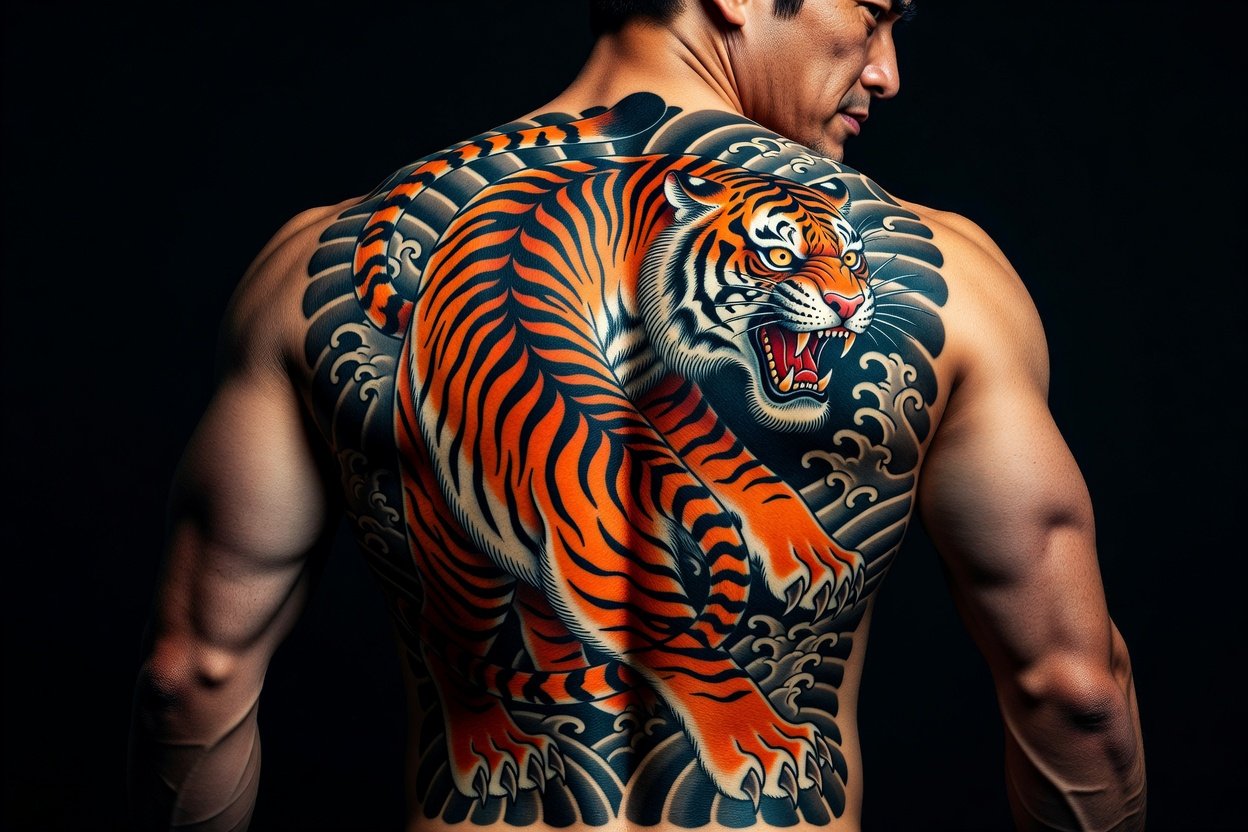
Tiger irezumi represents one of the most enduring motifs in Japanese tattoo traditions, embodying raw power, courage, and protective energy. Rooted in centuries of cultural history, these designs continue to resonate with individuals seeking meaningful body art that connects personal identity to ancient symbolism. In 2026, enthusiasts are rediscovering tiger irezumi not merely as decoration but as a profound statement of resilience within the broader landscape of cultural tattoos. This article examines the historical roots, symbolic layers, practical considerations, and contemporary applications of tiger irezumi to help readers make informed decisions on their tattoo journeys, providing depth on everything from origins to real-world examples that illustrate how these tattoos function as living expressions of strength and guardianship.
Historical Origins of Tiger Motifs in Irezumi
Japanese irezumi evolved during the Edo period when tattooing became both a form of punishment and later an art form among laborers and merchants. Tigers entered the repertoire through influences from Chinese mythology and Buddhist iconography, where the animal symbolized the guardian of the west and a counterforce to evil spirits. Early woodblock prints and ukiyo-e art popularized tiger imagery, which tattoo artists adapted into full-body suits featuring dynamic poses and flowing elements like wind or water. By the Meiji era, as Japan opened to the West, irezumi faced suppression yet survived underground, preserving tiger designs that emphasized strength amid adversity. These origins inform authentic practices today that honor traditional techniques while adapting to modern sensibilities, including the way artists maintain the narrative flow across the body that tells stories of protection passed down through generations of practitioners.
The Symbolism of Strength and Protection
At its core, the tiger in irezumi signifies bravery, ferocity, and guardianship. Unlike dragons that represent wisdom and the heavens, tigers ground the wearer in earthly power and the ability to overcome obstacles. Many view the design as a talisman against misfortune, with the animal's piercing gaze believed to ward off negative influences. The symbolism extends further into personal empowerment, where the tiger's solitary hunting style mirrors individual perseverance through challenges. Placement often amplifies these meanings: a tiger on the chest can symbolize a protective heart, while one on the back suggests carrying strength through life's battles. Cultural context matters—within Japanese tradition, the tiger's solitary nature also evokes independence and self-reliance, making it a popular choice for those navigating personal transformations or seeking constant reminders of inner fortitude.
Color Variations and Their Meanings
Traditional irezumi employs a rich palette that enhances tiger symbolism. Classic black-and-gray versions emphasize raw power and timeless elegance, while vibrant polychrome styles incorporate oranges, blacks, and yellows for a lifelike ferocity. Red accents may highlight aggression or vitality, and blue tones can evoke water elements for balance. Artists today blend these with subtle gradients to create depth, allowing for personalization that reflects the wearer's life experiences. Choosing colors should align with personal intent: bold hues for outward strength or muted shades for introspective protection. This flexibility in palette supports a wide range of expressions, from fierce and bold statements to more contemplative representations that blend seamlessly with surrounding motifs.
Placement Considerations for Tiger Irezumi
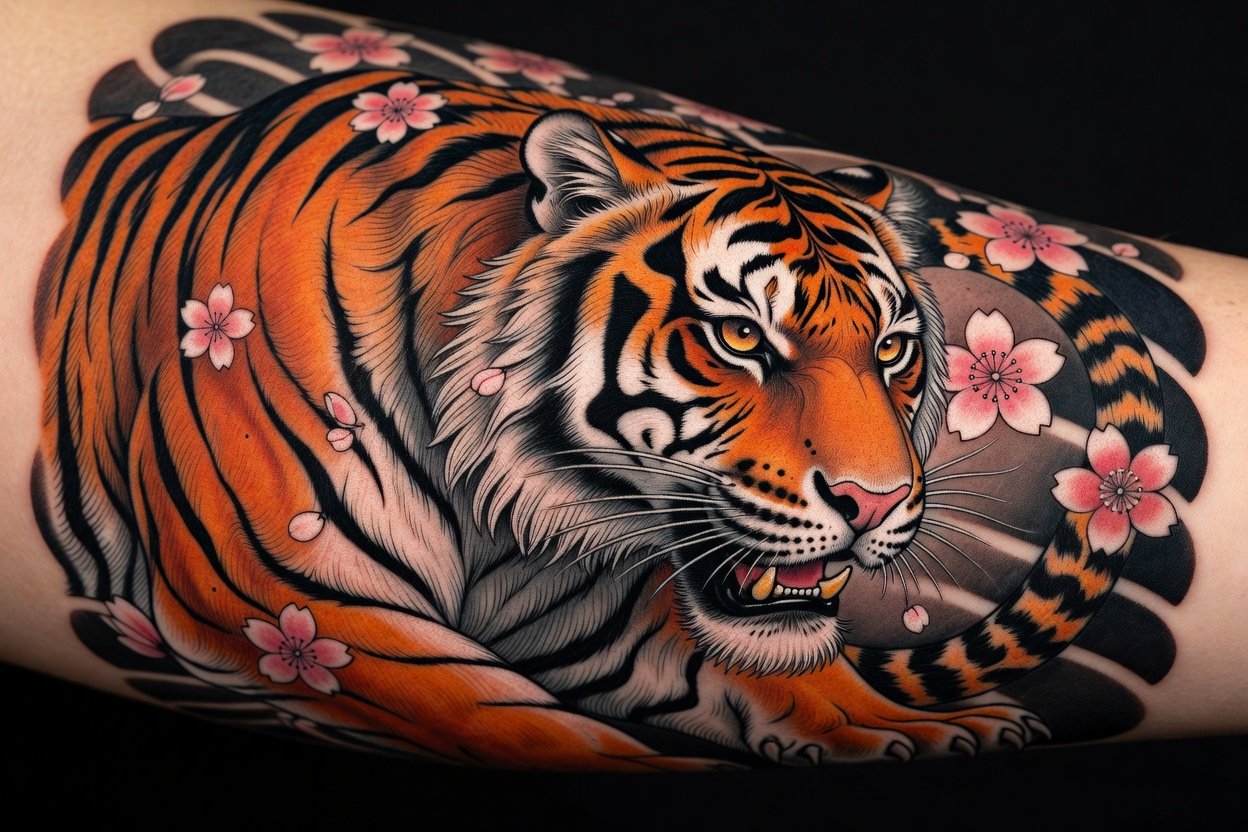
Strategic placement respects both body anatomy and symbolic flow. Common sites include the sleeve for narrative storytelling, the thigh for hidden power, or the full back for dramatic impact. Consider skin movement—tigers work best on areas with natural muscle contours that mimic the animal's prowling stance. Practical advice includes consulting with experienced irezumi specialists who understand traditional spacing rules. Avoid overcrowding with unrelated elements; instead, integrate complementary motifs like peonies for prosperity or waves for resilience. Different body areas carry unique considerations: for instance, the upper arm allows for expansive scenes that incorporate background elements like bamboo forests, enhancing the protective narrative, while smaller placements on the calf suit those wanting subtle daily reminders of strength without high visibility.
Comparisons to Other Cultural Tattoo Traditions
Tiger irezumi differs markedly from other global traditions. In Chinese tattoo culture, tigers often pair with dragons to balance yin and yang energies, creating dual symbols of power and harmony. Western tattoo styles may render tigers in realistic or neo-traditional forms focused on aesthetics rather than spiritual protection, often emphasizing photorealism over symbolic depth. Polynesian designs emphasize tribal patterns over animal realism, using geometric shapes to convey genealogy and status. Indian motifs sometimes link tigers to deities like Durga, focusing on divine feminine protection. Understanding these distinctions helps individuals appreciate irezumi's unique emphasis on narrative depth and protective symbolism when selecting a cross-cultural approach, ensuring the final piece resonates authentically with Japanese roots while avoiding superficial borrowings.
Modern 2026 Interpretations and Real-World Examples
In 2026, tiger irezumi appears in hybrid forms that fuse traditional linework with contemporary shading techniques. Artists incorporate minimalist outlines for subtle daily wear or expansive pieces that span multiple sessions. Real-world examples include athletes choosing forearm tigers for visible motivation during competitions and professionals opting for discreet ribcage placements that remain private yet meaningful during personal reflections. These adaptations maintain authenticity while addressing modern lifestyles, encouraging wearers to research artists specializing in Japanese techniques and to consider how evolving social attitudes toward visible tattoos influence placement decisions in professional environments.
Practical Steps for Integrating Tiger Irezumi
Integrating a tiger irezumi into your personal journey requires careful planning. Begin by researching artists with proven irezumi portfolios and cultural knowledge through portfolios and client testimonials. Reflect on personal symbolism before finalizing design elements, journaling how the tiger's attributes align with your life story. Start with smaller test pieces to assess skin response and visual impact over time. Plan long-term maintenance, including touch-ups every few years to preserve vibrancy. Respect cultural origins by avoiding appropriation through superficial trends, instead engaging deeply with the history. Additional steps involve budgeting for multiple sessions, preparing the skin with proper care routines beforehand, and discussing aftercare protocols that suit your lifestyle to ensure the tattoo ages gracefully as a lasting symbol.
Mistakes to Avoid When Choosing Tiger Irezumi
Common pitfalls include selecting generic tiger designs without traditional elements, which dilutes cultural significance. Rushing placement without considering body flow can lead to awkward compositions over time. Ignoring artist expertise in irezumi methods risks poor line quality or color bleeding. Overloading the design with mismatched symbols disrupts the protective narrative. Always prioritize education and consultation to sidestep these issues and create a piece that truly embodies strength and heritage.
Frequently Asked Questions
How authentic should a tiger irezumi design be?
Authenticity stems from working with artists trained in traditional methods and respecting historical motifs rather than generic animal tattoos, ensuring the piece honors its cultural lineage.
Does placement affect the symbolism?
Yes, placement can intensify protective qualities or emphasize personal strength depending on visibility and body location, influencing how the design interacts with daily life and movement.
Can tiger irezumi combine with other cultural elements?
Thoughtful integration is possible when elements share thematic harmony, such as pairing with Japanese florals, but consultation with cultural experts is advised to maintain respect and coherence.
What maintenance is needed for long-term vibrancy?
Regular moisturizing, sun protection, and periodic touch-ups every several years help preserve the colors and details that make tiger irezumi so impactful over decades.
Conclusion
Tiger irezumi continues to offer profound connections to strength and protection within Japanese tattoo heritage. By exploring its history, symbolism, and practical applications, individuals can embark on meaningful cultural tattoo journeys that honor tradition while expressing personal narratives in 2026 and beyond. For further insight into global art influences, explore resources at The Metropolitan Museum of Art and Britannica.
No comments yet. Be the first!