 Inked Mythos
Introduction to Koi Irezumi Symbolism
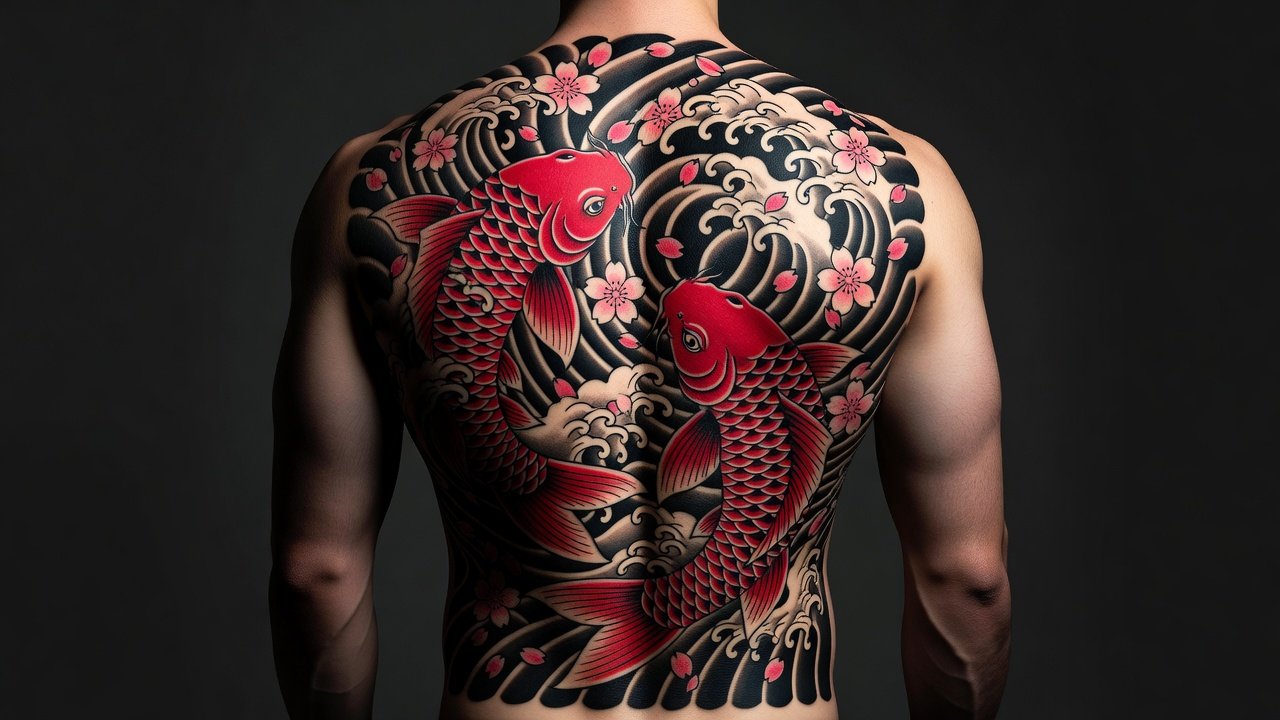
The koi fish stands as one of the most enduring and powerful motifs in irezumi, the traditional Japanese tattoo art form. Rooted in centuries of cultural history, koi irezumi embodies perseverance, transformation, and resilience. These tattoos draw from ancient legends and have evolved alongside Japanese society, remaining highly relevant in 2026. This guide explores their deep symbolism, historical integration with traditional ink methods, design variations, and practical advice for choosing authentic pieces while honoring cultural traditions. Readers seeking meaningful body art often turn to koi because the imagery captures personal journeys of overcoming obstacles. Understanding the full context ensures the tattoo resonates on multiple levels rather than serving as mere decoration.
Historical Roots of Koi in Irezumi
Irezumi traces back to the Edo period, when tattoos served as markers of identity, punishment, or affiliation. Koi motifs gained prominence through ukiyo-e woodblock prints, which depicted koi swimming upstream as symbols of determination. By the 19th century, these designs merged with full-body tattooing practices among laborers and yakuza groups. Artists used natural pigments mixed with sake or water to create lasting marks that aged gracefully with the skin. Today, contemporary artists continue this lineage using hand-poked and tebori techniques that require years of apprenticeship. The practice faced suppression during the Meiji era but experienced revival in the 20th century as Japan opened to global influences while preserving core traditions. For broader context on Japanese art history, see Britannica.
Core Symbolism: Perseverance and Transformation
Central to koi irezumi is the legend of the koi that swims upstream against the current, eventually transforming into a dragon upon reaching the Dragon Gate. This narrative represents overcoming adversity and personal growth. In tattoo form, the fish's direction—ascending or descending—can signify life stages or ongoing struggles. Many wearers choose koi to commemorate major life transitions, such as career changes or recovery from hardship. The scales often represent armor against life's challenges, while the flowing fins symbolize adaptability. Real-world examples include athletes who select upward-facing koi to mark victories after long training periods. The motif also appears in stories of immigrants who view the koi as a metaphor for navigating new cultural waters.
Traditional Ink Methods and Their Evolution
Traditional irezumi relies on tebori, a hand-carving technique using bamboo or metal tools to push ink beneath the skin. This method produces softer gradients compared to modern machines and allows artists to work in harmony with the body's contours. Koi designs benefit especially from tebori because the shading can mimic the reflective quality of scales and water. In 2026 many studios blend tebori with single-needle machines for precision on fine details like eyes and whiskers. Clients interested in authenticity often request consultations that include demonstrations of both techniques. The integration of these methods ensures the tattoo ages well, with colors retaining vibrancy over decades when proper aftercare is followed.
Color Significance in Traditional Designs
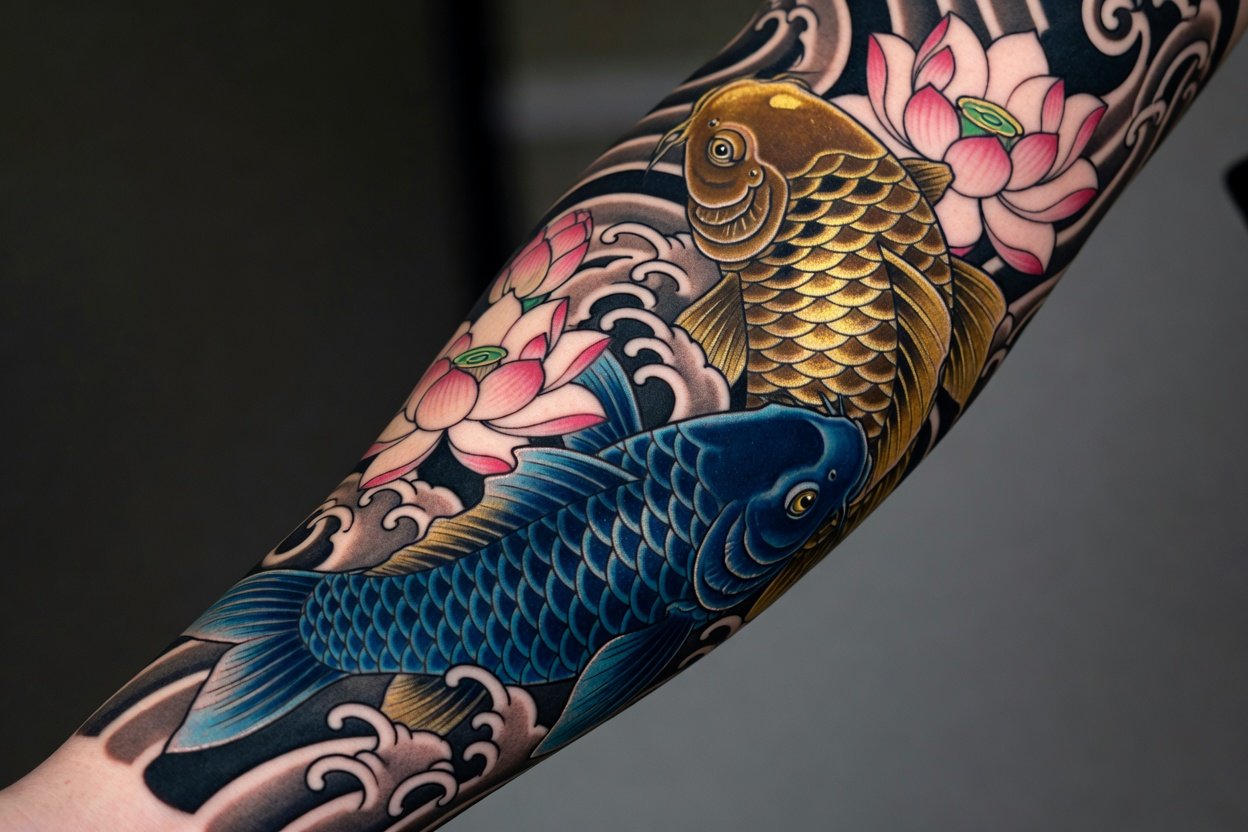
Colors amplify meaning in koi irezumi. Red koi symbolize love and vitality, while black represents strength and masculinity. Blue tones evoke water and calm resilience, and gold highlights prosperity. Artists often combine hues for layered narratives, such as a red-and-black koi battling waves. These choices align with traditional ink palettes derived from natural pigments. Additional variations include white koi for purity and green accents representing growth. Color placement matters too; a koi with contrasting belly and back colors can illustrate internal versus external struggles. Collectors frequently discuss color psychology during design sessions to align the piece with personal milestones.
Design Variations and Iconic Elements
Koi designs range from minimalist single-fish pieces to elaborate full-back or sleeve compositions. Common variations include koi paired with lotus flowers for purity, cherry blossoms for fleeting beauty, or waves and rocks for life's turbulence. Modern fusions blend traditional tebori shading with neo-traditional color pops. Iconic examples feature koi in dynamic motion, scales rendered with precise linework to mimic real fish anatomy. Some artists incorporate hidden elements such as small dragons emerging from the koi's body to emphasize the transformation legend. Negative space is increasingly used in 2026 designs to create breathing room around the fish, allowing the skin itself to become part of the water motif.
Strategic Body Placements
Placement enhances symbolism. Back pieces allow expansive storytelling, with koi navigating a river-like spine. Arms and sleeves suit flowing designs that wrap naturally with movement. Chest placements often highlight a koi's upward struggle near the heart. Thighs or calves work for smaller, personal motifs. Artists recommend considering skin elasticity and future expansion when planning larger works. For instance, a full leg sleeve might start at the ankle with turbulent water and progress upward to calmer surfaces near the hip. Ribcage placements require careful planning due to thinner skin and higher sensitivity. Clients should discuss lifestyle factors such as clothing preferences that might conceal or reveal the tattoo.
Comparisons to Other Traditional Motifs
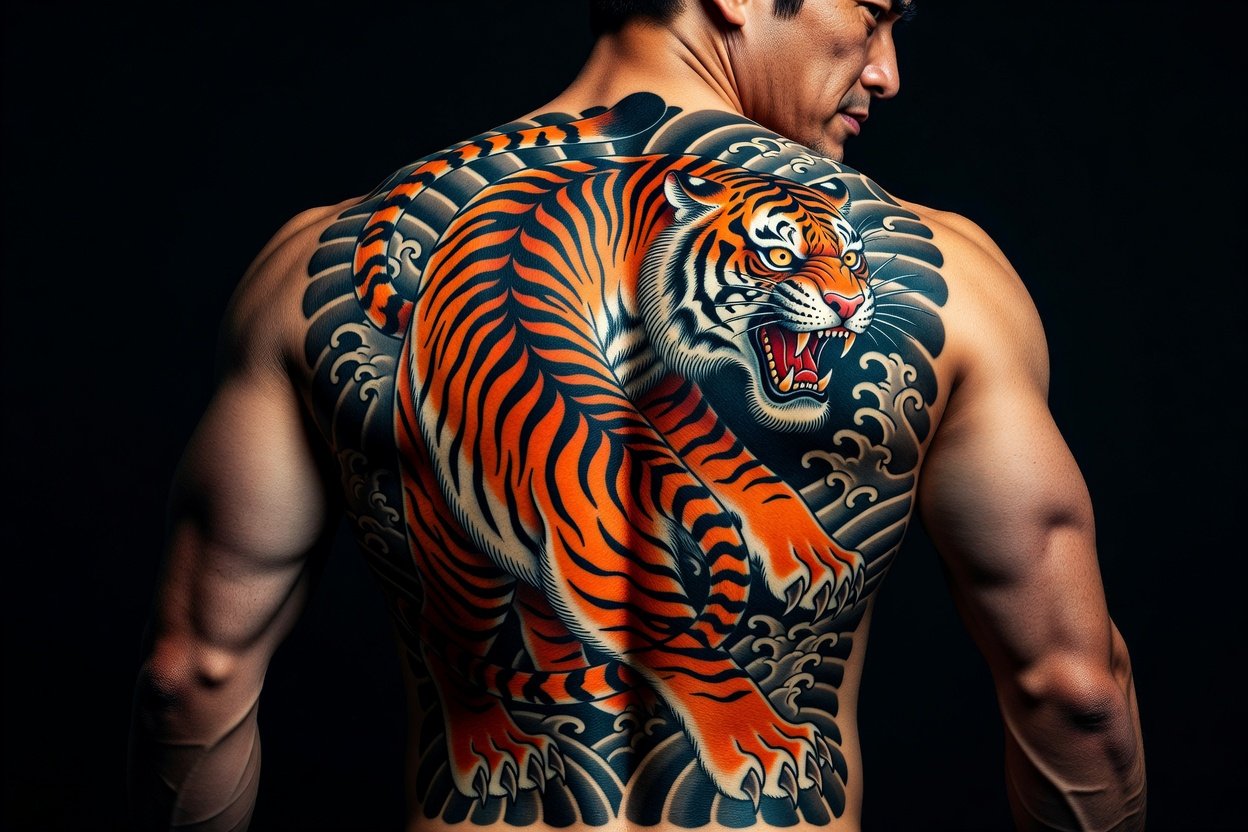
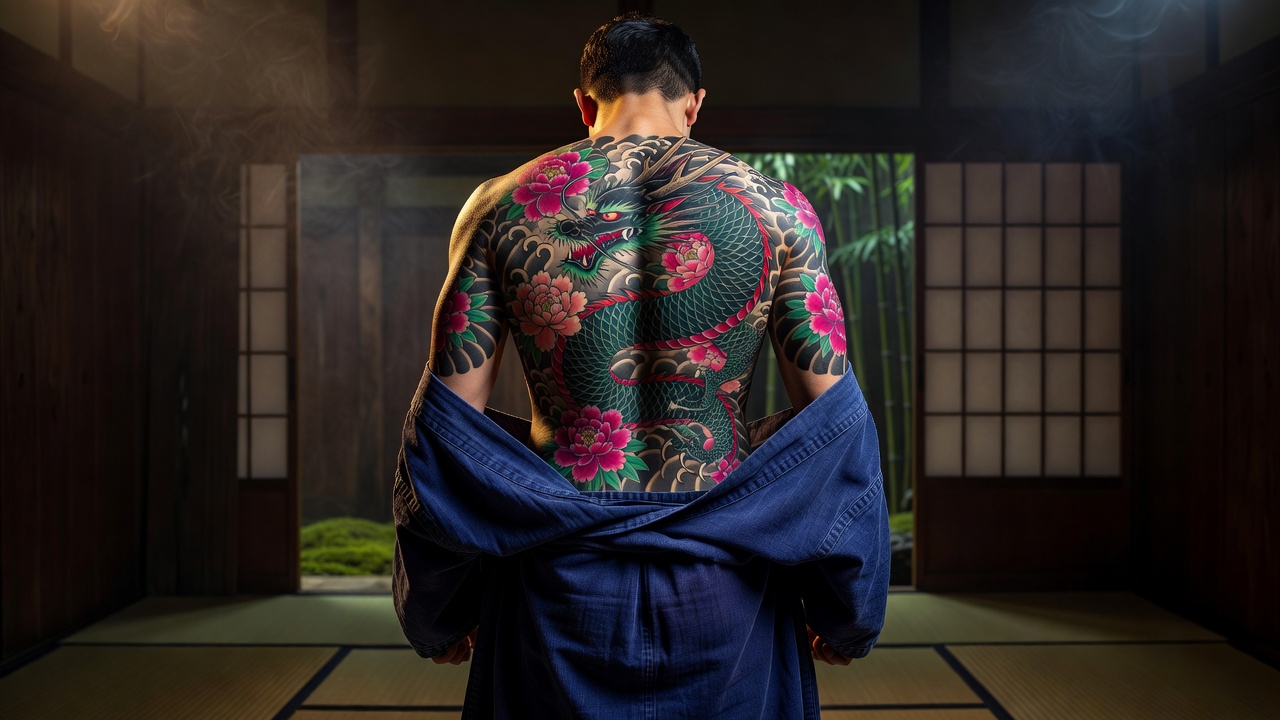
Unlike the protective dragon or fierce tiger, koi emphasize quiet endurance over raw power. Compared to cherry blossoms, which highlight impermanence, koi focus on sustained effort. Many collectors pair koi with peonies for balance of strength and beauty. These contrasts help clients select motifs that align with personal values. The koi also differs from the phoenix in that it represents gradual transformation rather than sudden rebirth. Studying these distinctions at museums helps enthusiasts appreciate the nuanced storytelling possible within irezumi. See Metropolitan Museum of Art collections for visual references.
Practical Steps for Selecting Authentic Designs
Research artists specializing in irezumi through established studios in Japan or certified international practitioners. Study historical references from ukiyo-e collections at institutions like the Metropolitan Museum of Art. Consult on cultural meanings to avoid misappropriation. Start with smaller test pieces before committing to large-scale work. Verify ink quality and aftercare protocols for longevity. Additional steps include reviewing healed portfolios, asking about apprenticeship lineage, and requesting custom sketches that incorporate personal elements without altering core symbolism. Budgeting for multiple sessions is essential since traditional work often spans several months.
Mistakes to Avoid When Commissioning Koi Irezumi
Common errors include choosing generic flash designs without understanding the legend, selecting colors that clash with skin tone, or placing the tattoo in areas prone to stretching. Another pitfall is rushing the process with artists who lack tebori experience. Always verify that the chosen studio maintains high standards of hygiene and uses pigments tested for longevity. Ignoring aftercare instructions can cause premature fading, especially in sun-exposed areas. Taking time to reflect on the tattoo's personal meaning prevents later regret.
Real-World Examples and 2026 Trends
Iconic koi irezumi appears in global tattoo conventions and on celebrities embracing Japanese heritage. In 2026, trends lean toward sustainable, vegan inks and gender-neutral placements. Artists increasingly incorporate subtle personalization while preserving core symbolism. A FAQ section follows for common queries on respect and evolution.
Frequently Asked Questions
How do I show cultural respect when getting koi irezumi? Learn the legend deeply and work with artists who prioritize authenticity over trends. Engage with Japanese cultural resources and avoid altering sacred elements for aesthetic convenience.
What are current 2026 trends? Expect more minimalist koi with negative space and integration into larger narrative sleeves. Sustainable ink options and collaborative design sessions with clients are rising in popularity.
Can non-Japanese people get koi irezumi? Yes, provided they approach the process with education and respect, selecting artists who specialize in cultural accuracy rather than quick commercial work.
Conclusion
Koi irezumi continues to inspire through its timeless message of perseverance. By understanding its history, symbolism, and respectful application, enthusiasts can create meaningful tattoos that endure. Whether planning your first piece or expanding a collection, prioritize authenticity to honor this rich tradition.
No comments yet. Be the first!