 Inked Mythos
Introduction to Irezumi Deities and Their Enduring Spiritual Power
Irezumi, the traditional Japanese art of tattooing, carries profound spiritual weight through its depiction of deities, guardians, and yokai. These motifs trace back centuries, blending Shinto, Buddhist, and folk traditions into wearable symbols of protection, strength, and enlightenment. In 2026, artists continue evolving these designs while honoring their sacred roots, making them relevant for diverse global audiences seeking authentic connections. The appeal lies in empowerment: a deity tattoo can represent personal resilience or spiritual awakening. This comprehensive guide delves into historical origins, key motifs like Buddhist guardians and nature spirits, comparisons with worldwide cultural tattoos, real-world examples from contemporary artists, and practical guidance for respectful adoption in modern contexts.
Understanding these elements requires appreciating how irezumi functions as more than body art. It serves as a living narrative of Japanese cosmology, where every line and color choice conveys specific intentions. As global interest grows, 2026 marks a pivotal year for fusions that respect origins while adapting to individual stories.
Historical Origins of Deity Motifs in Japanese Tattoo Traditions
Irezumi emerged during the Edo period as both decorative and talismanic art. Criminals received punitive tattoos, but over time, these evolved into voluntary expressions of identity and faith. Deities such as Fudo Myoo, the fierce Buddhist protector, symbolized unyielding resolve against evil. Yokai like the kappa or oni added layers of folklore, warning of nature's dual benevolence and danger. The practice drew from ukiyo-e woodblock prints, where artists like Kuniyoshi depicted heroic figures with divine attributes that later transferred to skin.
By the Meiji era, irezumi faced suppression yet survived underground. Post-WWII revival saw renewed interest in spiritual symbolism, with tattoos serving as personal shrines. In the late 20th century, international exposure through media elevated its status. Today, this history informs 2026 practices where clients request designs rooted in authentic lore rather than generic aesthetics. Scholars note that early motifs often referenced specific temples or pilgrimage sites, embedding regional spiritual identities into the ink.
Key Motifs: Buddhist Guardians and Nature Spirits Explained
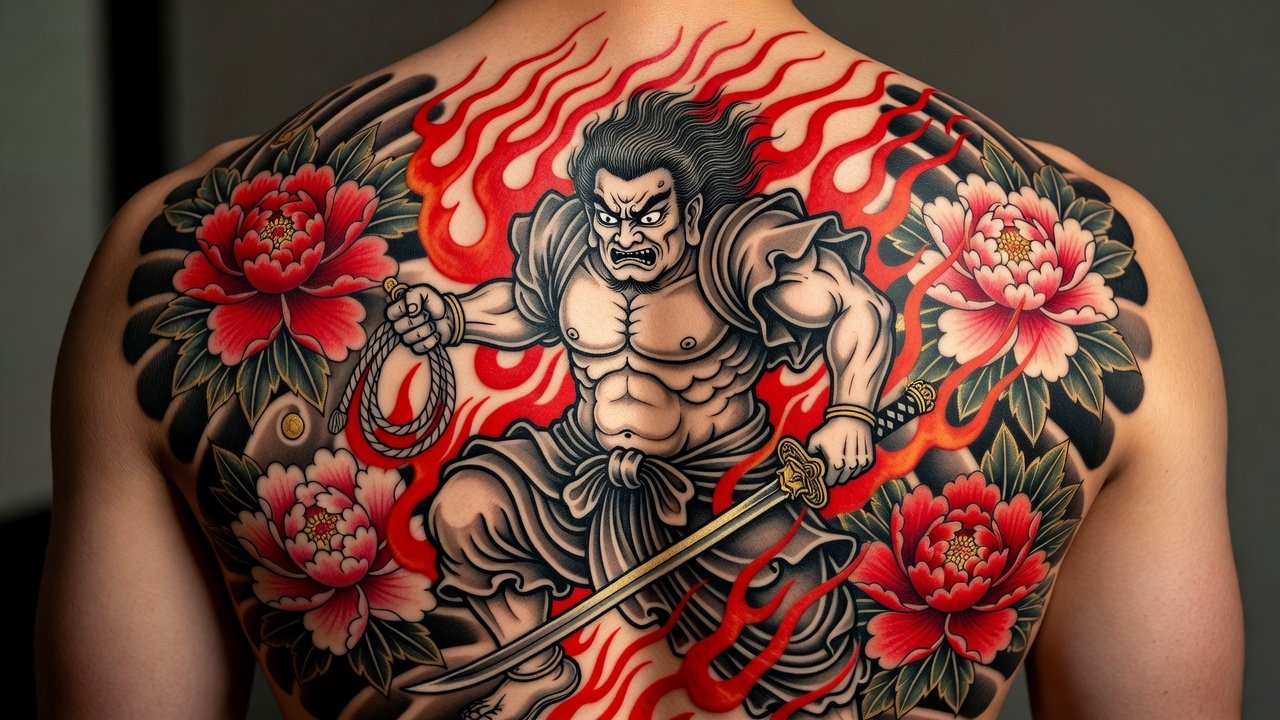
Buddhist guardians dominate irezumi iconography. Fudo Myoo, often shown amid flames with a sword and rope, embodies purification and determination. His image empowers wearers facing adversity. Similarly, the dragon deity Ryu-jin represents water, wisdom, and imperial authority, frequently paired with koi for themes of perseverance. Additional guardians include Aizen Myoo, associated with love and passion, and Bishamonten, the warrior deity of fortune and protection.
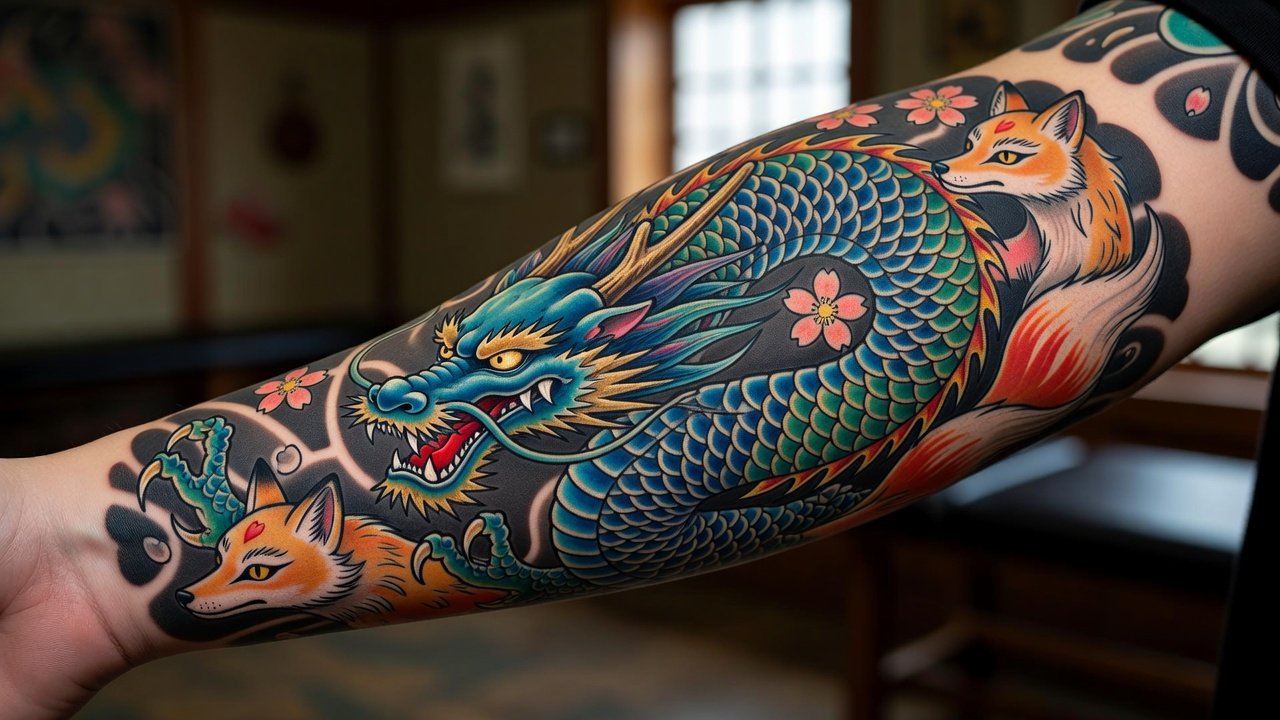
Nature spirits include the kitsune, fox messengers of Inari, symbolizing prosperity and cunning intelligence. Tengu, bird-like mountain guardians, signify discipline and martial prowess. These motifs are not mere decoration; each element—colors, poses, accompanying flora—amplifies specific spiritual intentions. For instance, peonies often accompany deities to signify bravery and prosperity, while cherry blossoms remind of life's transience.
- Fudo Myoo: Protection and inner fire, ideal for those overcoming addiction or doubt
- Ryu-jin: Transformation and flow, suited to career changers or travelers
- Kitsune: Manifestation and adaptability, popular for entrepreneurs
- Tengu: Mastery and vigilance, chosen by martial artists or leaders
- Bishamonten: Wealth and defense, often for family protectors
Global Comparisons: Spiritual Elements in Other Cultural Tattoos
Japanese irezumi shares parallels with other traditions. Maori ta moko uses facial markings to honor ancestry and status, much like deity placements marking life milestones. Polynesian designs feature ocean guardians akin to Ryu-jin, symbolizing navigation through life's challenges. In Metropolitan Museum of Art resources, Aztec and Mayan tattoos depict deities for cosmic balance, echoing Buddhist guardian themes of harmony. Native American tattooing often incorporates animal spirits for guidance, comparable to yokai.
Further afield, Indian mehndi and permanent tattoos reference Hindu deities like Ganesha for obstacle removal, while African tribal scarification and ink work invoke ancestral spirits for protection. These cross-cultural links highlight universal human desires for protection and identity, yet underscore the importance of cultural specificity to avoid appropriation. Exploring these through institutions like the British Museum reveals shared motifs of divine intervention across continents.
2026 Evolutions and Global Cultural Fusions
Contemporary irezumi in 2026 blends tradition with innovation. Artists fuse deity motifs with minimalist lines or vibrant neo-traditional palettes, appealing to international clients. Global fusions appear in hybrid designs incorporating Celtic knots with Fudo Myoo or mandalas with kitsune, creating personal spiritual narratives. Sustainability plays a larger role, with vegan inks and ethical sourcing becoming standard in progressive studios.
Digital tools aid precise planning, while collaborations between Japanese masters and overseas apprentices foster cross-pollination. This evolution maintains reverence, with many studios consulting cultural experts before finalizing pieces. Clients now request virtual consultations to align designs with personal spiritual journeys.
Real-World Design Examples from Contemporary Artists
Artists like those at established Japanese studios create full-back pieces featuring Fudo Myoo surrounded by peonies for beauty amid struggle. Western practitioners, inspired by traditional apprenticeship, adapt tengu sleeves for clients in Europe and the Americas, emphasizing spiritual consultation during design. One notable example involves a client incorporating a dragon deity with personal birth flowers, symbolizing rebirth. Another features a kitsune half-sleeve where the fox holds a jewel representing hidden talents, customized for a writer seeking inspiration.
These tattoos often span multiple sessions, allowing the meaning to deepen over time. In one documented case, an artist in Tokyo collaborated with a client from Brazil to merge Ryu-jin with indigenous river spirits, resulting in a piece that honors dual heritages.
Practical Advice for Respectfully Incorporating These Meanings
Start with research: Study original folklore through reliable sources and visit museums or temples virtually. Consult artists experienced in irezumi who prioritize cultural accuracy. Placement matters—back or chest suits large guardian pieces for protection symbolism, while smaller elements work on forearms for daily reminders. Consider skin tone and body movement when finalizing layouts.
Honor the tattoo through aftercare rituals, such as periodic reflection on its meaning alongside proper healing protocols. Avoid trivializing motifs by choosing based on personal resonance rather than trends. Common mistakes include rushing the design without understanding symbolism or selecting artists lacking traditional training. Diverse audiences benefit from open dialogues with artists about heritage and intent, ensuring the piece empowers rather than appropriates.
Modern Adaptations for Diverse Audiences Seeking Authentic Connections
2026 sees increased accessibility for women and non-Japanese clients through scaled designs and gender-neutral interpretations. Smaller deity elements on wrists or ankles allow subtle spiritual reminders suitable for professional settings. Workshops and books promote education, ensuring tattoos foster genuine empowerment across cultures. Adaptations include incorporating personal elements like family crests or astrological symbols without diluting core deity features. For LGBTQ+ individuals, motifs can be reinterpreted to celebrate identity while retaining spiritual depth.
Conclusion
Irezumi deities continue to inspire as living symbols of spirituality. By understanding their depth and approaching with respect, individuals create meaningful connections that transcend time and borders. This practice invites ongoing reflection, turning skin into a canvas of personal and collective heritage.
FAQ on Choosing and Honoring Deity-Inspired Irezumi Tattoos
How do I choose the right deity? Reflect on personal challenges and match them to symbolism, such as Fudo Myoo for overcoming obstacles or kitsune for adaptability in uncertain times.
Is it okay for non-Japanese people to get irezumi? Yes, with thorough research and respectful collaboration with knowledgeable artists who emphasize education over commercialization.
What aftercare honors the spiritual aspect? Regular meditation on the tattoo's meaning alongside physical care, perhaps including seasonal offerings or journaling about its evolving significance.
Can designs be customized? Absolutely, while preserving core traditional elements for authenticity and avoiding dilution of sacred meanings.
How long does the process typically take? Large deity pieces may require 10-20 hours spread over months, allowing time for reflection between sessions.
No comments yet. Be the first!