 Inked Mythos
Introduction to Phoenix and Dragon Irezumi in 2026
Choosing between phoenix irezumi and dragon irezumi represents a deeply personal decision for those seeking cultural tattoos rooted in Japanese tradition. These designs embody themes of rebirth and strength, making them popular choices for 2026 cultural ink projects. This guide explores their historical significance, symbolic contrasts, ideal placements, and emerging fusion trends to help you select the right motif aligned with your story. Whether you are drawn to the fiery rebirth of the phoenix or the commanding presence of the dragon, understanding the nuances ensures your tattoo carries authentic meaning rather than generic appeal.
Historical Roots in Japanese Tattoo Traditions
Irezumi, the traditional Japanese art of tattooing, dates back centuries and evolved from punitive markings to elaborate body suits symbolizing personal virtues. Dragons have long represented power and protection in Japanese folklore, while phoenixes symbolize renewal and resilience. These motifs draw from broader East Asian influences yet remain distinctly Japanese in their stylized execution. Early irezumi practices appeared during the Edo period when outlaws and laborers adopted bold designs as marks of identity and defiance. Over time, the art form incorporated elements from ukiyo-e woodblock prints, leading to the intricate, full-body suits seen today. For deeper context on global tattoo heritage, explore resources from institutions like The Metropolitan Museum of Art. The phoenix motif traces to Chinese influences but was adapted in Japan to emphasize perseverance through adversity, while dragons became synonymous with imperial protection and natural harmony.
Key Eras Shaping Irezumi Symbolism
During the Meiji Restoration, tattoos faced temporary bans yet persisted underground, preserving techniques passed through generations. Post-World War II, irezumi experienced revival as artists merged traditional tebori hand-poking methods with modern tools. This evolution allows contemporary clients to commission pieces that honor centuries-old narratives while fitting modern lifestyles.
Symbolic Differences Between Phoenix and Dragon
Understanding the core meanings helps align the design with personal themes. Dragons often convey wisdom, control over natural forces, and masculine energy. Phoenixes, rising from ashes, emphasize transformation, hope, and feminine resilience. Side-by-side, a dragon might suit those seeking steady strength, whereas a phoenix fits journeys of personal rebirth. Real-world examples include a client who chose a dragon after overcoming professional setbacks to symbolize enduring authority, contrasted with another selecting a phoenix to mark recovery from illness and the start of a new chapter.
- Dragon: Protection, authority, and elemental mastery
- Phoenix: Cycles of death and renewal, immortality
- Combined motifs: Balance of power and transformation
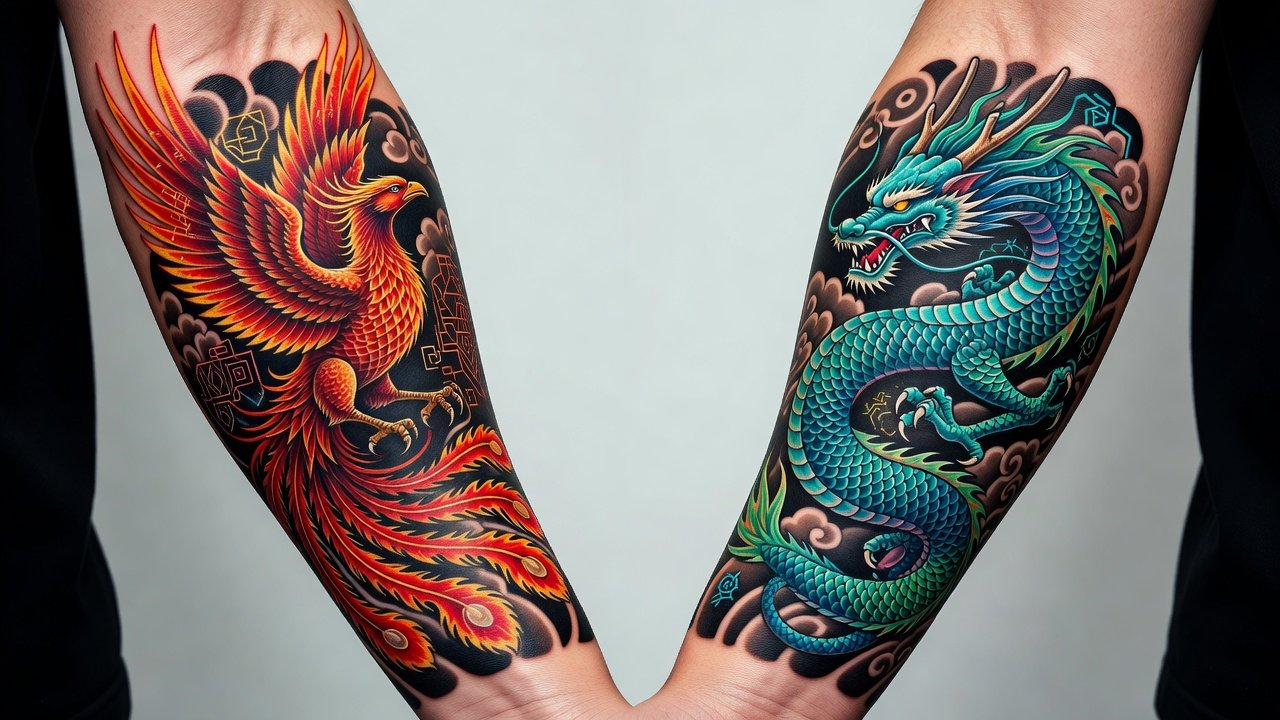
- Color symbolism: Dragons favor deep blues and greens for water elements; phoenixes use reds and golds for fire and rebirth
Optimal Body Placements for Irezumi Designs
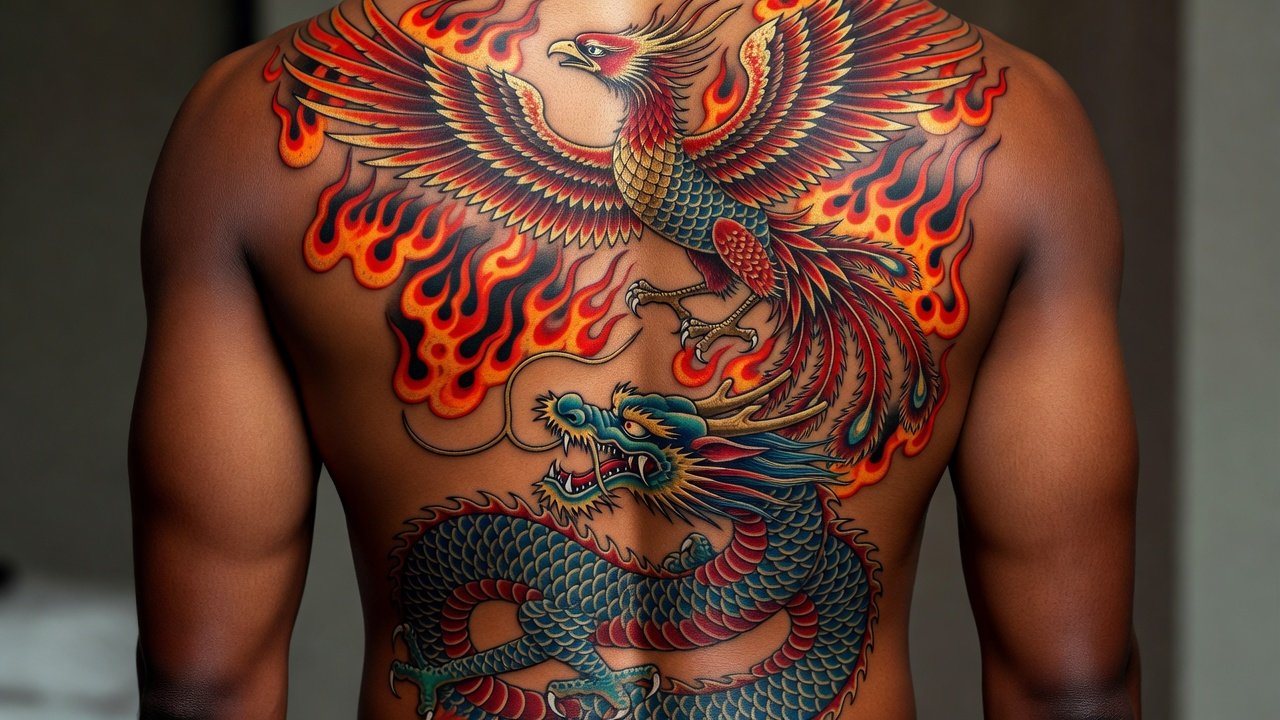
Traditional irezumi placements respect the body's natural flow. Full back pieces allow expansive dragon scales or phoenix wings, while sleeves highlight flowing lines on arms. Ribs or thighs offer intimate options for smaller motifs. Consider pain tolerance and lifestyle when deciding, as larger pieces require multiple sessions. For instance, a full sleeve dragon can take six to twelve sessions spaced over months, allowing the skin to heal between visits. Back placements provide the largest canvas but demand commitment to aftercare routines that protect the intricate linework from sun exposure and friction.
Comparing Placement Pros and Cons
Back pieces offer dramatic scale yet remain hidden under clothing. Arm sleeves provide visibility and storytelling flow from shoulder to wrist. Chest or stomach areas suit compact designs but involve higher sensitivity during the process. Always discuss mobility concerns with your artist beforehand.
2026 Fusion Trends with Global Styles
Contemporary artists blend classic irezumi with neo-traditional or watercolor elements. Expect phoenix designs incorporating geometric patterns or dragons fused with realistic shading. These trends keep cultural authenticity while appealing to modern aesthetics, creating unique hybrids for 2026 projects. Some artists now integrate subtle dotwork or minimal line accents inspired by Scandinavian styles, while others merge Japanese motifs with Polynesian tribal elements for clients with mixed heritage. The result maintains core symbolism yet feels fresh and personalized.
Real Tattoo Examples and Visual Comparisons
Case studies show a full-back dragon irezumi on a client representing career resilience, contrasted with a phoenix sleeve symbolizing recovery from adversity. Visual comparisons highlight color palettes—dragons in deep blues and reds versus phoenixes in fiery oranges and golds. Another example features a thigh phoenix paired with subtle cherry blossoms to denote fleeting beauty alongside renewal. These pieces demonstrate how placement and secondary elements enhance the primary motif without diluting cultural roots.
Step-by-Step Decision Framework
Follow this framework to choose confidently: 1) Reflect on your core theme (strength vs. rebirth) by journaling personal milestones. 2) Research artist portfolios specializing in irezumi through verified platforms and studio websites. 3) Sketch rough placements on your body using temporary markers to visualize daily life impact. 4) Consult for custom elements, bringing reference photos that respect original cultural sources. 5) Finalize after reviewing symbolism authenticity with your chosen artist and possibly a cultural consultant. 6) Plan timeline and budget around healing periods. 7) Schedule follow-up sessions for touch-ups as needed. This structured approach prevents impulsive decisions and ensures long-term satisfaction.
Practical Advice for Working with Artists
Seek certified irezumi practitioners experienced in traditional tebori or modern machine techniques. Discuss cultural respect and request references. Prepare for consultations by sharing mood boards and personal narratives to ensure the final piece resonates authentically. Ask about pigment sourcing, sterilization protocols, and how the design will age over decades. Reputable artists often provide aftercare kits and detailed instructions tailored to Japanese ink density. Building rapport during initial meetings helps translate your vision into a culturally sensitive masterpiece.
Frequently Asked Questions on Symbolism and Authenticity
Is mixing phoenix and dragon acceptable? Yes, when balanced respectfully to show complementary energies. How do I verify cultural accuracy? Consult artists with Japanese training and cross-reference with cultural guides from sources like Japan Guide. What aftercare preserves details? Follow professional protocols to maintain vibrancy over decades, including gentle cleansing and moisturizing. Can non-Japanese clients get irezumi? Yes, provided they approach with genuine respect rather than appropriation. Are there taboos in placement? Certain areas like the inner thigh carry historical associations; discuss openly with your artist. How long does a large piece take? Expect six months to two years depending on size and healing response.
Conclusion
Phoenix and dragon irezumi offer profound options for 2026 cultural tattoos. By weighing history, symbolism, and placement, you can create meaningful ink that endures. Start your research today to align the design with your unique journey of strength or rebirth, and connect with skilled artists who honor the tradition.
No comments yet. Be the first!