 Inked Mythos
Introduction to Kitsune in Irezumi Tattoos
The kitsune, a mythical fox spirit from Japanese folklore, has long captivated tattoo enthusiasts seeking meaningful cultural ink. In 2026, kitsune irezumi continues to blend ancient symbolism with contemporary aesthetics, offering wearers representations of wisdom, transformation, and protection. This guide delves deep into the historical roots, design elements, and practical considerations for those drawn to these powerful motifs. Whether you are new to Japanese tattoo traditions or looking to expand your knowledge of irezumi symbolism, understanding the kitsune requires exploring its multifaceted role across centuries of storytelling and artistic expression. Many individuals choose these designs not merely for visual appeal but because they resonate with personal journeys of growth and resilience.
Historical Roots in Japanese Folklore
Kitsune appear in ancient Japanese texts dating back centuries, often depicted as intelligent beings capable of shape-shifting. In irezumi tradition, which evolved during the Edo period, these fox spirits were incorporated into body art to convey layered meanings. Traditional irezumi artists used bold lines and vibrant hues to bring kitsune to life, reflecting their dual nature as both benevolent guardians and tricksters. Early folklore portrays kitsune as messengers of the rice deity Inari, capable of bringing prosperity or playing pranks on humans. Over time, these stories influenced tattoo culture, where a kitsune might symbolize loyalty or cunning strategy. For deeper historical context, explore resources from Britannica on Japanese mythology. Additional layers include regional variations, such as white foxes in northern legends versus red foxes in southern tales, which artists adapt to create unique compositions that honor regional diversity within Japanese culture.
Meanings of Wisdom and Transformation
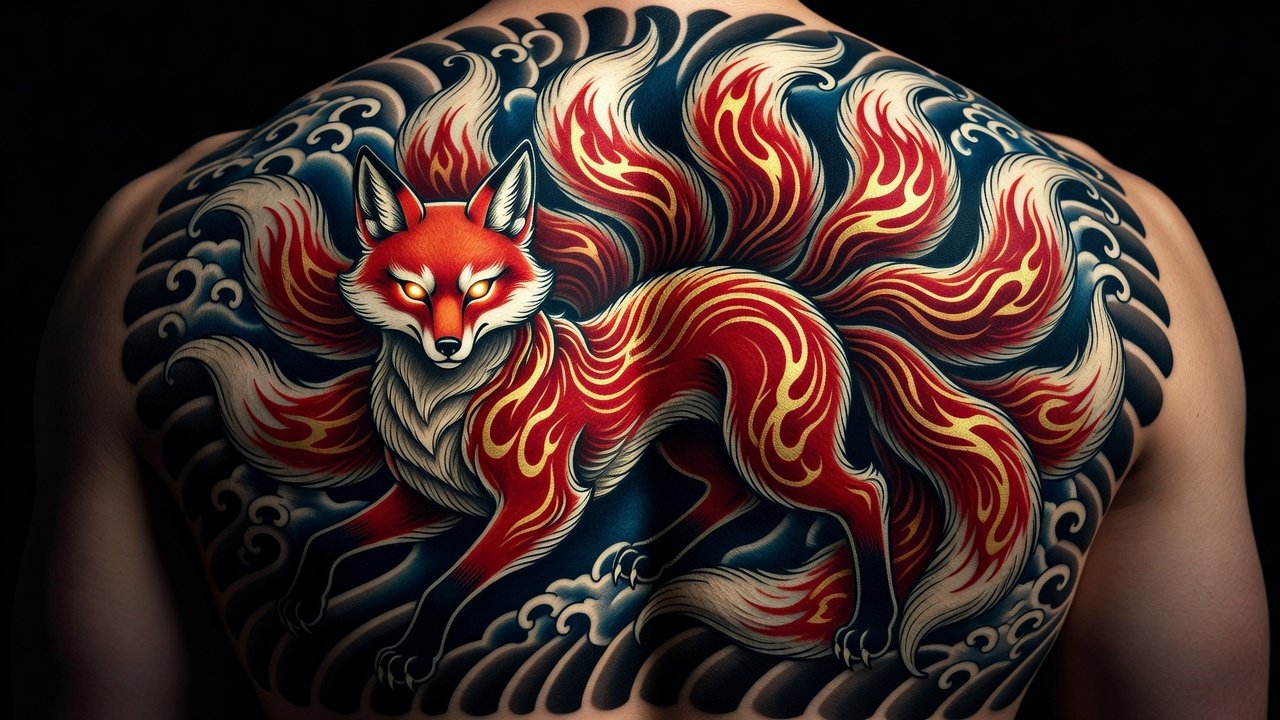
Central to kitsune irezumi is the symbolism of wisdom gained through experience and the power of personal transformation. A single-tailed kitsune might represent youthful curiosity, while multi-tailed versions signify advanced spiritual insight. These tattoos often mark life transitions, such as career changes or personal growth milestones. Wearers frequently choose them to embody adaptability and cunning intelligence in challenging situations. For instance, someone overcoming a major obstacle might select a nine-tailed kitsune to illustrate accumulated knowledge and the ability to navigate illusions. The transformation aspect draws from legends where kitsune assume human forms, teaching lessons about identity and perception. This makes the motif particularly powerful for individuals in creative fields or those undergoing significant life shifts, as the tattoo serves as a daily reminder of inner strength and evolving perspectives.
2026 Design Trends: Blending Traditional and Modern Elements
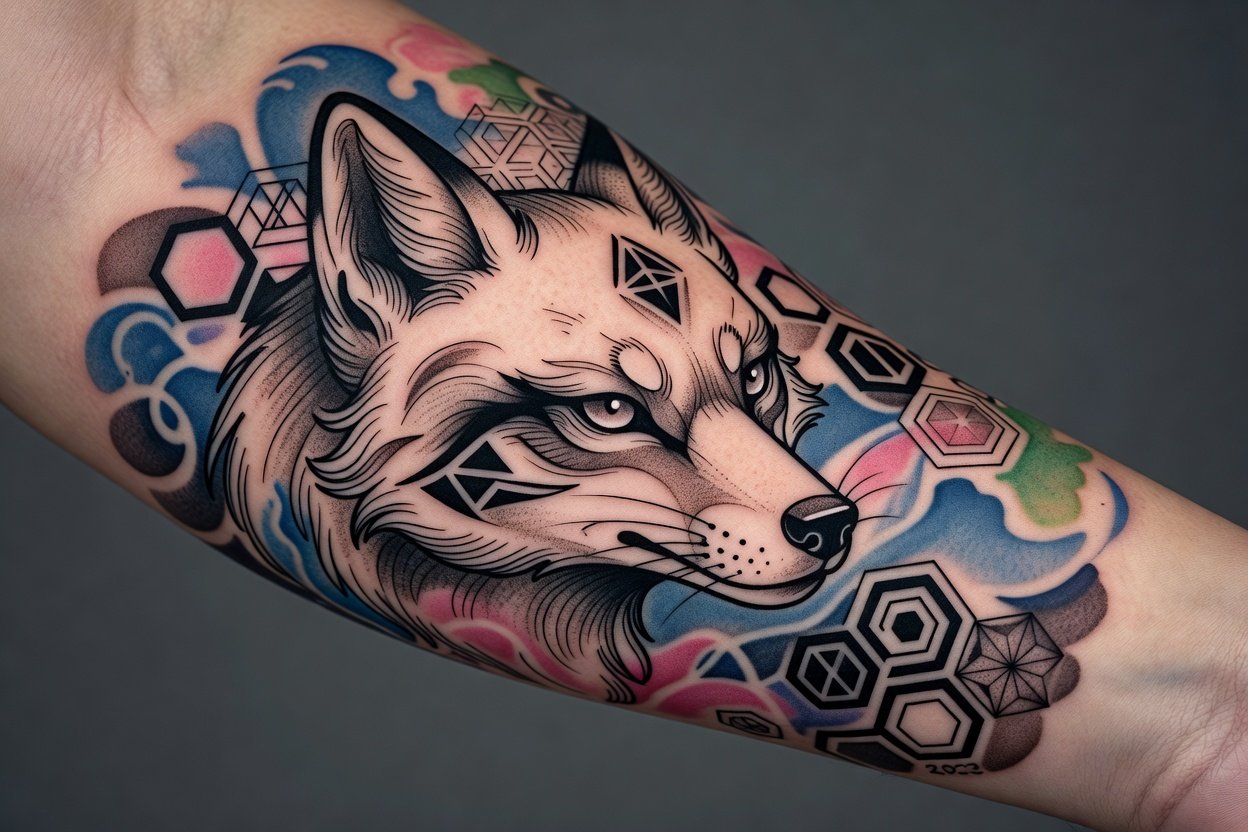
In 2026, kitsune irezumi trends emphasize fusion styles that merge classic Japanese techniques with global influences. Artists incorporate subtle geometric patterns or minimalist line work alongside traditional flowing fur details. Popular motifs now include kitsune paired with cherry blossoms or lanterns for added depth. This evolution keeps the art form vibrant while honoring its origins. Emerging trends also feature subtle incorporation of digital-inspired shading for a three-dimensional effect and collaborations between Japanese masters and international artists to create hybrid pieces. Collectors are increasingly requesting eco-conscious ink formulations that maintain color vibrancy over decades, aligning with broader sustainability movements in tattoo culture.
Body Placements for Kitsune Irezumi
Placement plays a crucial role in how the tattoo interacts with the body. Common choices include back pieces for expansive, full-body kitsune scenes with flowing tails; forearm sleeves allowing detailed face expressions and color gradients; rib or side placements for more intimate, personal interpretations; and thigh or calf areas suited to larger, narrative-driven designs. Consider your lifestyle and pain tolerance when selecting a location, as irezumi sessions can span multiple sittings. For example, a back placement allows for dramatic tail extensions that follow the spine, creating movement with body gestures, while forearm options provide visibility for daily inspiration. Pain management strategies, such as breaking sessions into shorter appointments, are often recommended by experienced artists to ensure the final piece retains crisp details without compromising skin health.
Color Symbolism in Kitsune Designs
Color choices amplify the tattoo's message. Red often denotes protection and vitality, while white suggests purity and spiritual elevation. Gold accents highlight wisdom, and black outlines provide the foundational structure typical of irezumi. Modern twists in 2026 include watercolor effects for ethereal qualities, but purists stick to traditional palettes for authenticity. Combinations like deep indigo paired with crimson can evoke mystery and power, whereas soft pastels blended with metallic highlights create an otherworldly glow. Artists advise testing color samples on skin during consultations to account for how individual skin tones interact with pigments over time, ensuring the symbolism remains visually striking for years.
Comparisons to Phoenix and Dragon Motifs
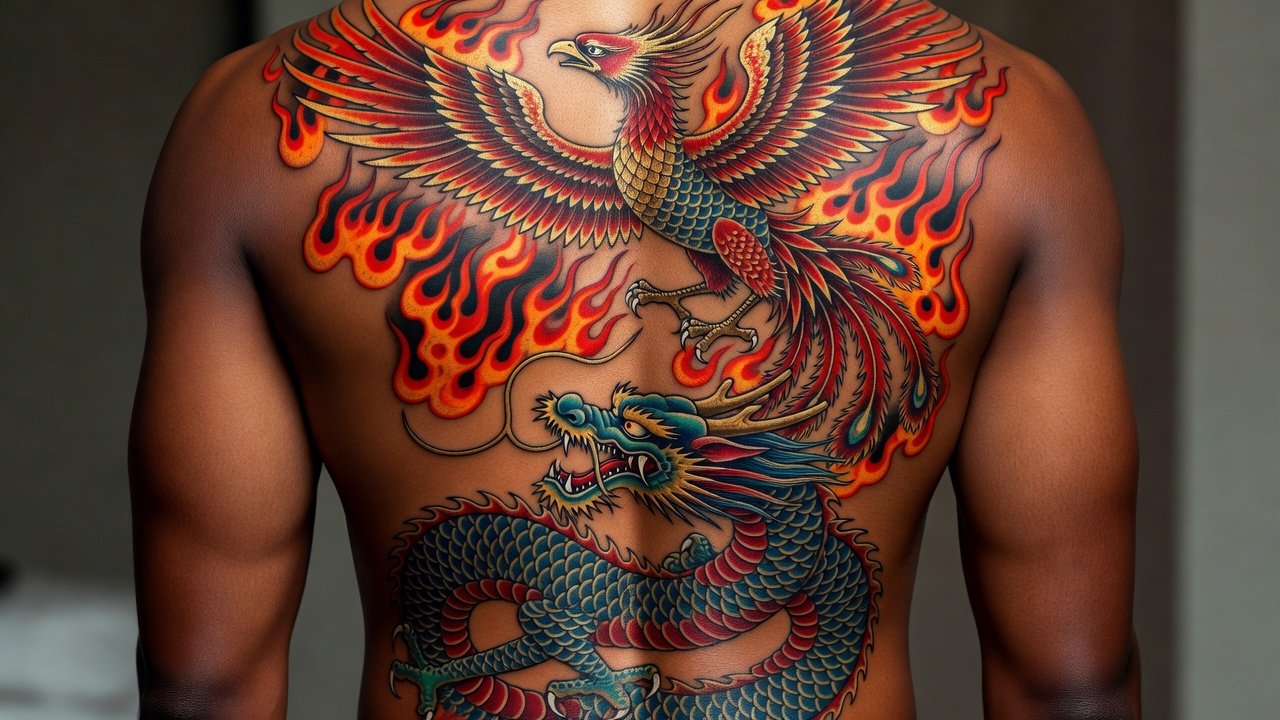
Unlike the fiery rebirth of phoenix tattoos or the strength of dragon irezumi, kitsune designs emphasize intellect and duality. A phoenix might symbolize overcoming adversity through renewal, whereas a kitsune highlights clever navigation of life's illusions. Dragons convey raw power; kitsune offer nuanced guidance. Comparing these helps clarify personal intent before committing to ink. Some enthusiasts combine motifs, such as a kitsune alongside a dragon to represent balanced yin-yang energies, or integrate phoenix flames into fox tails for themes of rebirth through wisdom. These comparisons reveal why kitsune appeal to those seeking subtlety rather than overt dominance in their body art choices.
Practical Steps for Selecting Authentic Designs
To ensure your kitsune irezumi respects cultural heritage, follow these steps: First, research artists specializing in traditional Japanese styles with verified portfolios and client testimonials from diverse backgrounds. Second, study folklore references to align symbols with your story, including consulting translated texts or museum archives. Third, consult on scale and flow to match your body's natural contours, requesting mockups that simulate movement. Fourth, verify the artist's understanding of kitsune variations to avoid generic interpretations by asking specific questions about tail counts and associated meanings. Always prioritize studios that emphasize cultural education over trend-chasing, and consider joining online communities dedicated to respectful irezumi appreciation for peer recommendations.
Examples of Fusion Styles
Fusion examples include a kitsune with cyberpunk elements like neon tails for urban appeal, or combined with Western geometric fox motifs. Another popular style merges kitsune with subtle mandala patterns, creating cross-cultural depth. A third example features a kitsune emerging from waves in a traditional irezumi wave pattern but accented with modern abstract splashes. These approaches allow personalization while maintaining irezumi integrity, as seen in recent collaborations where artists blend ukiyo-e influences with contemporary street art aesthetics for dynamic results that appeal to younger collectors.
FAQs on Cultural Respect
How do I honor the cultural origins? Learn the stories behind kitsune before getting inked and choose artists who share this knowledge through workshops or detailed consultations. Is it okay for non-Japanese people to get kitsune tattoos? Respectful appreciation through education is key; avoid superficial appropriation by engaging deeply with source materials. What if I want to modify the design? Discuss changes with your artist to keep symbolic accuracy intact, ensuring modifications enhance rather than dilute meaning. How long does a full kitsune irezumi typically take? Sessions often span several months depending on size and detail level, allowing time for healing between appointments. Are there common mistakes to avoid? Rushing the design process or selecting artists without cultural expertise can lead to inauthentic representations that miss nuanced symbolism.
Conclusion
Kitsune irezumi offers profound personal expression rooted in rich tradition. By understanding its symbolism and approaching designs thoughtfully, enthusiasts can create lasting art that resonates in 2026 and beyond. Continued exploration through reputable sources like The Met helps deepen appreciation for these enduring cultural symbols.
No comments yet. Be the first!