 Inked Mythos
Introduction to Phoenix Irezumi
The phoenix, known as "houou" in Japanese, stands as one of the most powerful motifs in irezumi, the traditional Japanese tattoo art. In 2026, this symbol of rebirth resonates deeply with individuals seeking tattoos that reflect personal transformation and resilience. Rooted in centuries-old folklore, phoenix irezumi combines intricate linework with vibrant colors to tell stories of renewal. Unlike fleeting trends, these designs carry layered cultural weight and appeal to those exploring unique symbolism amid modern tattoo culture. The motif's enduring popularity stems from its ability to represent both destruction and creation, making it ideal for people navigating significant life transitions.
Historical Roots in Japanese Folklore
Irezumi traces back to the Edo period, where tattoos evolved from punitive markings to expressions of identity among laborers and gamblers. The phoenix draws from Chinese influences adapted into Japanese mythology, representing the sun, fire, and cyclical rebirth. Legends describe the bird rising from ashes every 500 years, mirroring life's hardships and triumphs. Early depictions appeared in woodblock prints by artists like Utagawa Kuniyoshi, influencing tattoo masters. Today, this heritage informs authentic irezumi practices worldwide. Scholars trace the symbol's journey through centuries of trade and cultural exchange, highlighting its adaptation from imperial Chinese emblems to distinctly Japanese interpretations that emphasize harmony with nature's cycles. For deeper context on mythological birds, explore resources from Britannica.
Layered Meanings of Renewal and Resilience
A phoenix irezumi embodies more than beauty. It signifies overcoming adversity, personal growth, and hope after loss. The bird's fiery ascent represents inner strength, while its graceful form evokes elegance and protection. Many wearers choose it post-major life changes, such as recovery from illness or career shifts. The motif's duality—destruction followed by creation—offers profound emotional resonance. Additional layers include associations with the sun's daily rebirth and feminine energy in some traditional pairings. Wearers often report that the tattoo serves as a daily reminder of their capacity to rise stronger, fostering a sense of empowerment during challenging periods.
Visual Evolution and Body Placements
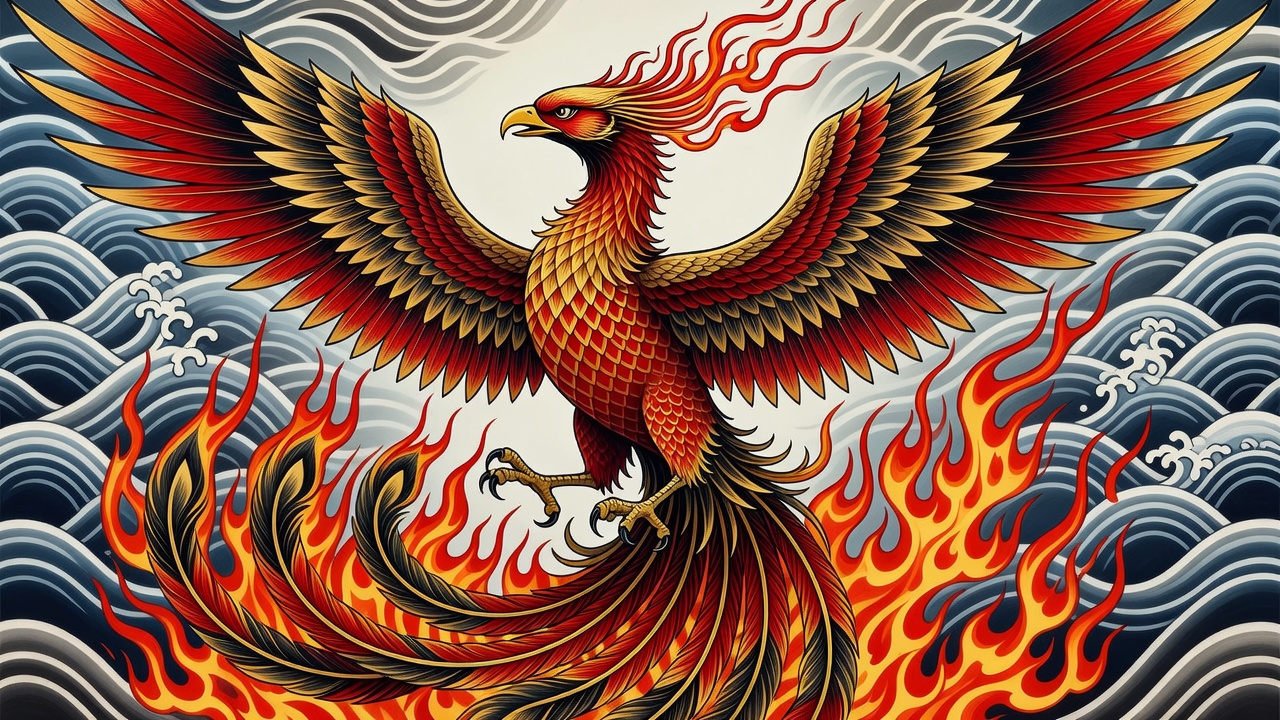
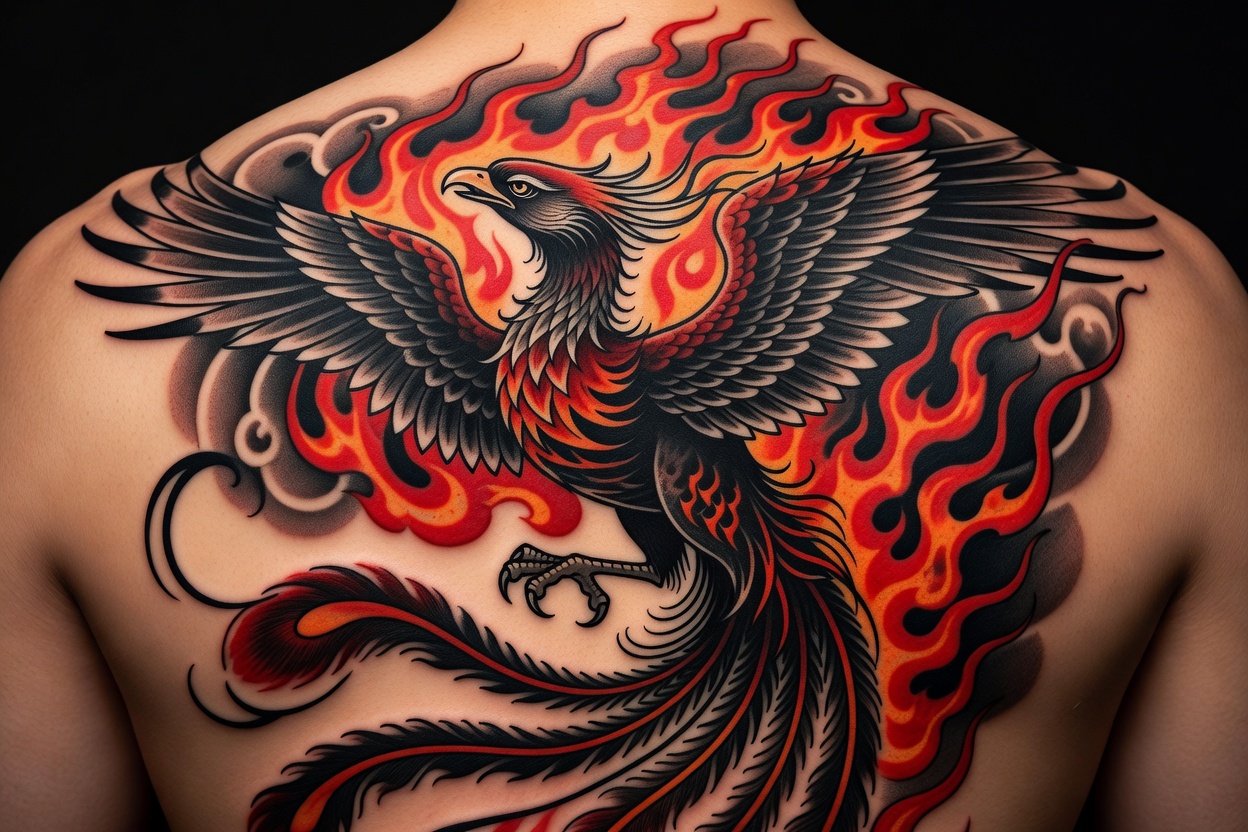
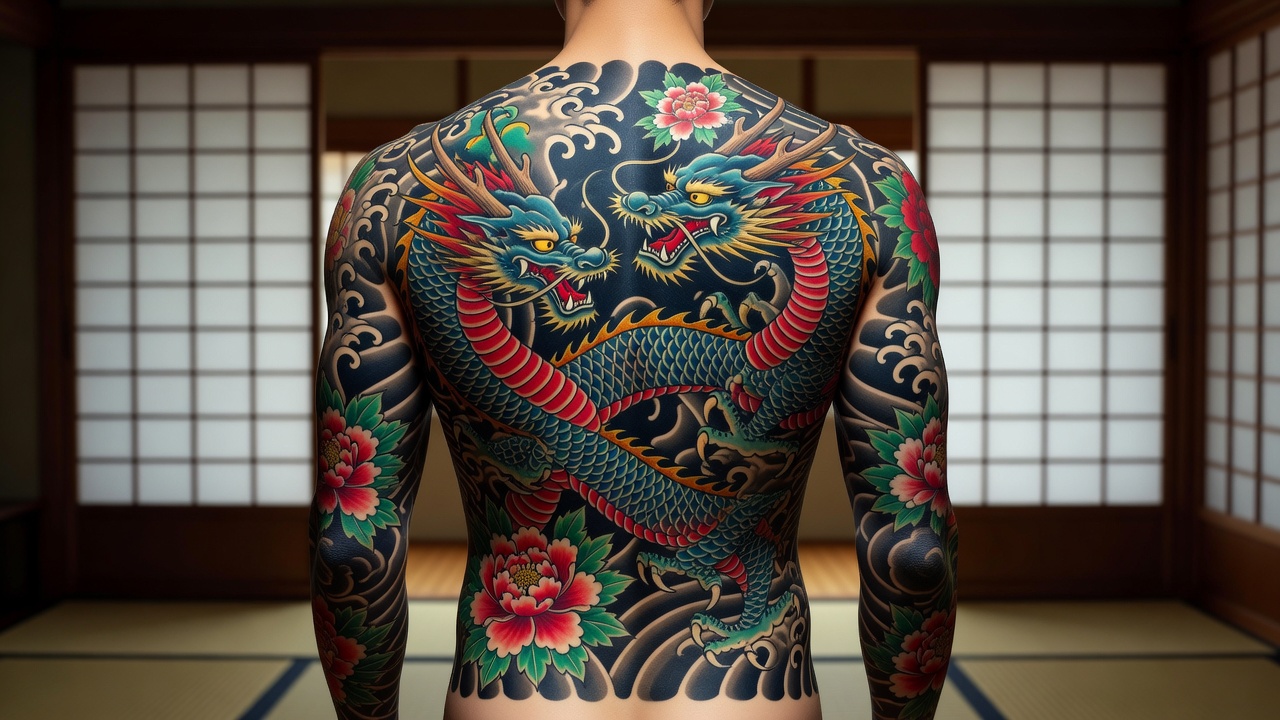
Traditional phoenix designs feature bold outlines, flowing feathers, and flames in reds, golds, and blacks. Modern iterations incorporate subtle gradients for depth. Popular placements include the back for large-scale pieces, allowing wings to spread across shoulders, or the chest for intimate symbols of the heart's renewal. Arm sleeves or thigh placements suit dynamic poses, with the bird in flight or perched. Scale and flow adapt to body contours for harmonious results. The visual evolution also includes variations in feather detailing, where some artists add peony accents to symbolize prosperity alongside rebirth. Back pieces typically span 12 to 18 inches in height for full impact, while smaller chest designs focus on the bird's head and wings to convey focused renewal energy.
Comparisons to Dragon and Koi Designs
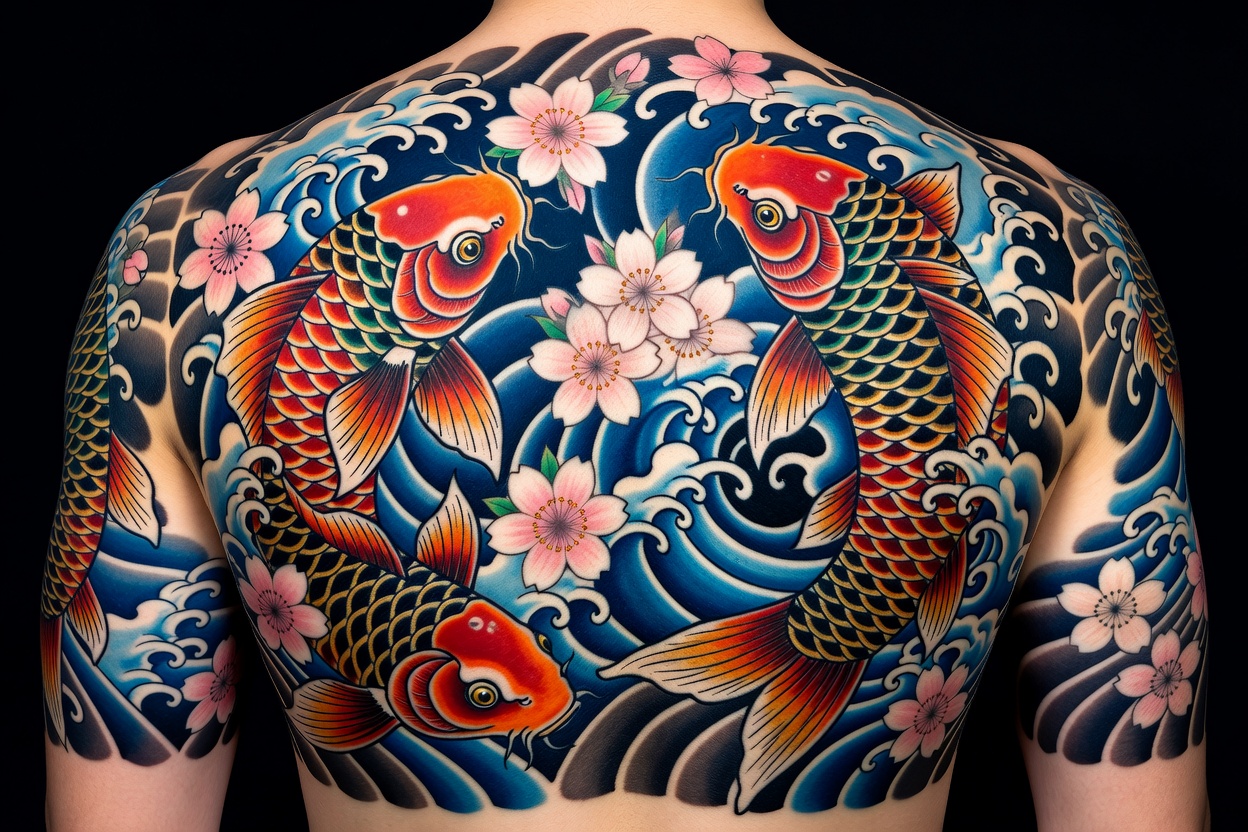
While dragons symbolize power and wisdom, and koi represent perseverance through waterfalls, the phoenix emphasizes rebirth over endurance. Dragons often pair with phoenixes in complementary irezumi, balancing yin-yang energies. Koi designs focus on upward struggle, whereas phoenixes highlight triumphant emergence. Choosing between them depends on personal narrative: resilience (koi), strength (dragon), or renewal (phoenix). In many irezumi compositions, these elements combine in full-body suits where a phoenix crowns a scene of dragons and koi, creating a narrative arc from struggle to victory to rebirth. This comparative approach helps clients articulate their stories more precisely during design consultations.
2026 Fusion Examples with Global Styles
In 2026, artists blend phoenix irezumi with Western realism, geometric patterns, or neo-traditional elements. Examples include a phoenix merging with mandala backgrounds or incorporating watercolor splashes for contemporary flair. These fusions maintain core Japanese aesthetics while appealing to diverse clients. Such hybrids appear in tattoo conventions, showcasing cultural respect through skilled execution. One popular fusion features the phoenix integrated with dotwork shading for a modern minimalist twist, while another merges it with sacred geometry lines that echo the bird's symmetrical form. These examples demonstrate how the symbol adapts without losing its foundational meaning of cyclical renewal.
Practical Advice on Artist Selection
Select artists specializing in irezumi with portfolios demonstrating authentic linework and cultural knowledge. Research studios via reputable platforms and verify experience with Japanese motifs. Consultations should cover customization, sizing, and placement. Look for artists who participate in cultural exchange programs or apprenticeships under Japanese masters. Ask to see healed examples of their phoenix work to assess color retention and line quality. A thorough consultation might involve multiple sessions to refine the design, ensuring the final piece aligns with both traditional proportions and the client's body shape.
Aftercare for Vibrant Results
Aftercare involves keeping the area clean, moisturized, and protected from sun. Follow artist instructions precisely to preserve vibrancy. Use fragrance-free products and avoid submerging in water initially. Detailed steps include washing with mild soap twice daily for the first week, applying a thin layer of recommended ointment, and wearing loose clothing to prevent friction. Long-term care means consistent sunscreen application once healed to prevent fading. Reputable dermatological guidance is available from the American Academy of Dermatology. Clients who adhere strictly to these protocols often enjoy colors that remain vivid for decades.
Common Mistakes to Avoid
- Selecting an artist without irezumi specialization, leading to inaccurate proportions or cultural missteps.
- Skipping the consultation process and rushing into a design that does not fit body movement.
- Neglecting aftercare in the critical first month, which can cause ink loss or infection.
- Overlooking placement considerations, such as how clothing might obscure key elements of the phoenix.
FAQs on Cultural Sensitivity and Design Customization
- Is it respectful to get a phoenix irezumi if I'm not Japanese? Approach with research and choose artists who honor traditions; many view it as appreciation when done thoughtfully.
- How customizable are these designs? Highly—discuss elements like color, pose, and added symbols during consultation for a unique piece.
- What size works best for first-timers? Start with medium placements like the forearm to gauge commitment.
- Can I incorporate personal elements? Yes, many clients add subtle personal symbols such as birthdates in kanji or family crests integrated into the flames.
Always prioritize cultural context and personal meaning for lasting satisfaction.
Conclusion
Phoenix irezumi continues to captivate in 2026 as a timeless emblem of transformation. By understanding its history, symbolism, and modern applications, enthusiasts can create meaningful tattoos that endure. Consult skilled professionals to bring your vision to life with careful attention to every detail from concept to aftercare.
No comments yet. Be the first!