 Inked Mythos

Introduction to Researching Irezumi Tattoos
Planning your first irezumi piece requires more than aesthetic appreciation—it demands deep cultural respect and accurate historical understanding. Irezumi, the traditional Japanese tattooing practice, carries centuries of symbolism tied to mythology, nature, and social history. In 2026, enthusiasts must prioritize ethical research to create meaningful tattoos that honor rather than exploit these roots. This approach ensures your tattoo reflects genuine appreciation for Japanese heritage rather than superficial trends.
This guide equips you with proven methods to source reliable references, verify authenticity, and collaborate respectfully with artists. By following structured approaches, you can avoid common pitfalls like cultural appropriation while building a design that feels personal and grounded. Readers will find practical tools including checklists, real-world examples, and decision frameworks to guide every stage of the process.
Starting with Reputable Books and Historical Texts
Begin your research with foundational literature from experts in Japanese art and tattoo history. Classic works such as "The Japanese Tattoo" by Donald Richie and "Irezumi: The Japanese Tattoo" by Takahiro Kitamura provide detailed insights into motifs, techniques, and evolution. These resources explain how irezumi evolved from punitive markings to revered body art during the Edo period, highlighting shifts in social acceptance and artistic techniques over time.
Cross-reference modern publications with primary sources to ensure accuracy. University libraries and digital archives often host digitized versions, allowing you to study line work, color palettes, and placement rules used by traditional tebori practitioners. Additional titles like "Japanese Tattoos: History, Culture, Design" offer comparative analysis of regional styles from Kyoto versus Tokyo traditions, helping you distinguish authentic elements from later adaptations.
Exploring Artist Portfolios and Studio Practices
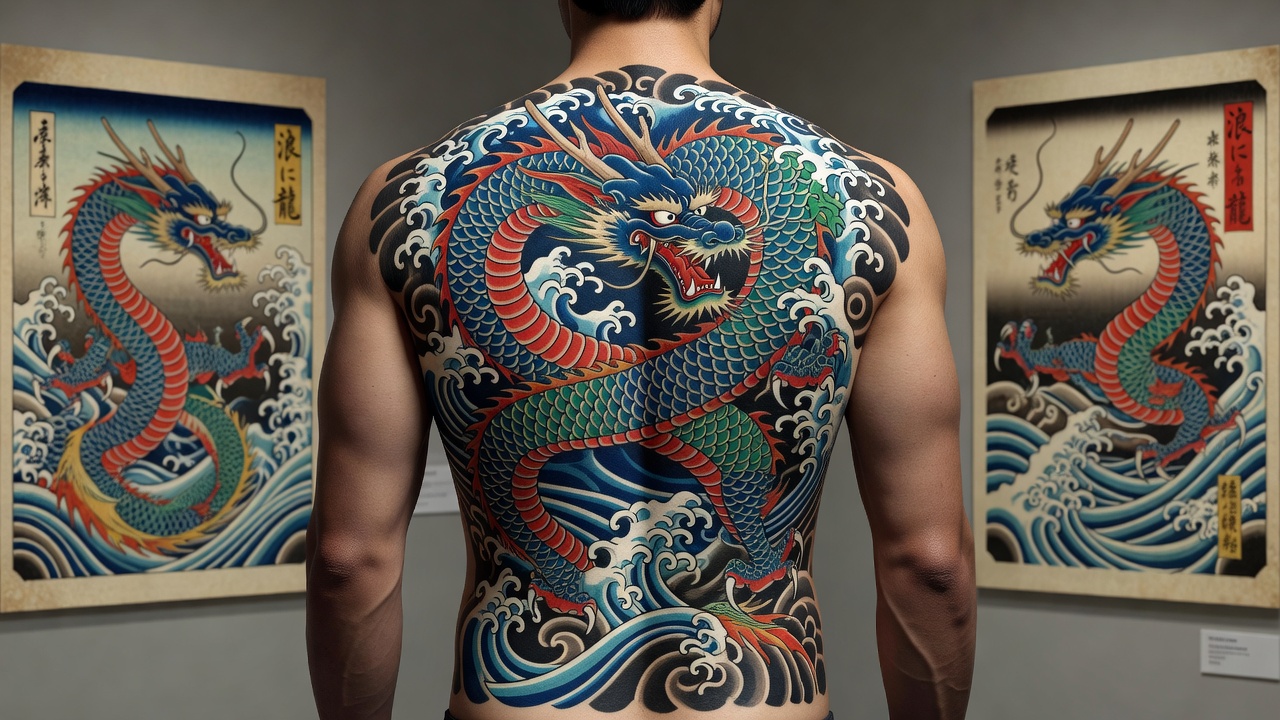
Authentic irezumi artists maintain portfolios showcasing full-body suits, sleeve designs, and motif combinations rooted in tradition. Search for practitioners trained in Japan or under masters who emphasize tebori hand-poking methods. Review their Instagram and websites for client consultations that demonstrate cultural education rather than trend-driven adaptations. Pay attention to how artists document their process, including preliminary sketches that reference historical ukiyo-e prints.
Look for artists who openly discuss their research process and require clients to provide historical context for chosen elements. This signals a commitment to preservation over commercialization. Compare portfolios across multiple studios to identify consistent adherence to traditional spacing rules, where negative space plays as important a role as the inked areas themselves.
Utilizing Museum Archives and Institutional Collections
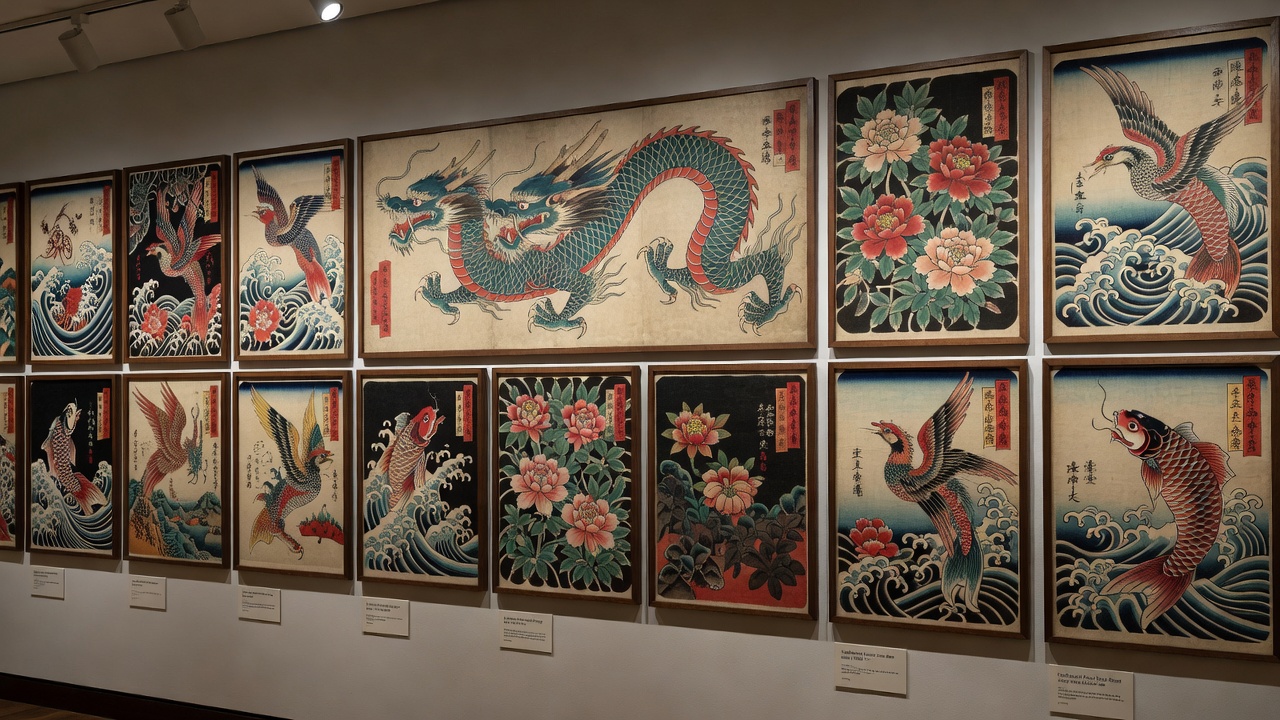
Museum collections offer unparalleled visual references. The Metropolitan Museum of Art houses extensive ukiyo-e prints depicting early irezumi, while the British Museum preserves artifacts illustrating regional variations. Study these images to understand how motifs like koi, dragons, and peonies interconnect within larger compositions.
Many institutions now provide high-resolution online databases. Download reference sheets and note details such as scale, negative space usage, and border styles that distinguish authentic irezumi from contemporary interpretations. Visiting physical exhibitions when possible allows observation of texture and layering techniques that photographs alone cannot convey.
Engaging Community Forums with Cultural Sensitivity
Online communities like specialized Reddit threads and Discord groups focused on Japanese tattoo history can supplement formal research. Participate by asking questions about historical accuracy rather than seeking quick design ideas. Long-time members often share scanned references from out-of-print books and firsthand accounts from visits to Osaka or Tokyo studios.
Always credit sources and avoid requesting custom designs without an artist's involvement. Responsible forums moderate discussions to prevent appropriation and promote learning from Japanese voices. Consider joining moderated groups affiliated with cultural heritage organizations for higher-quality exchanges and verified information.
Verifying Historical Accuracy and Identifying Authentic Motifs
Authentic irezumi motifs carry specific meanings: the koi represents perseverance, while the tiger symbolizes strength and protection. Verify combinations by checking period-specific rules—certain animals and flowers were traditionally paired only in particular ways. For instance, pairing a dragon with peonies follows established symbolic logic tied to power and prosperity, whereas mismatched pairings can signal modern invention.
Use checklists to cross-examine references against multiple sources. Note discrepancies in color usage or placement that might indicate modern inventions rather than Edo-era practices. Create comparison tables noting variations across different historical periods to build confidence in your selections.
Avoiding Common Appropriation Pitfalls with Real-World Examples
Many beginners fall into traps like selecting sacred symbols without understanding their context or combining elements from unrelated Japanese subcultures. One documented case involved a Western client requesting a full-back piece mixing yakuza-inspired imagery with unrelated anime aesthetics, leading to rejection by ethical artists. Another example showed clients altering sacred Buddhist motifs without consultation, resulting in designs that offended cultural stakeholders.
Instead, focus on personal stories that align with traditional themes, such as resilience through nature motifs. Consult cultural advisors or bilingual friends when translating meanings. Document your research journey in a journal to demonstrate respect during artist consultations.
Step-by-Step Checklist for Sourcing References
- Compile a list of 5–10 motifs and their documented meanings from at least three independent sources, including both books and museum archives.
- Visit museum databases and save high-resolution images with provenance notes for future reference during design meetings.
- Review artist portfolios for similar historical accuracy and contact them for preliminary discussions about feasibility and cultural fit.
- Participate in moderated forums to refine your understanding and gather feedback on combinations while respecting community guidelines.
- Create a mood board that includes placement diagrams, color studies, and timeline notes before finalizing any elements.
- Schedule consultations emphasizing your research journey and willingness to adapt for authenticity, allowing artists to suggest refinements.
- Revisit sources after initial feedback to verify any proposed changes maintain historical integrity.
Building a Realistic Research Timeline
Allow at least three to six months for thorough research before committing to a design. Week one through four focuses on books and museum exploration. Months two and three involve portfolio reviews and forum engagement. Final weeks center on consultations and mood board refinement. This timeline prevents rushed decisions that often lead to culturally inaccurate results.
FAQs on Ethical Artist Selection and Design Personalization
How do I choose an ethical irezumi artist?
Prioritize artists who require proof of research, discuss cultural significance during consultations, and avoid rushing designs. Ask about their training lineage and whether they collaborate with Japanese masters. Request references from past clients who completed similar cultural pieces.
Can I personalize traditional motifs?
Yes, but only through subtle integrations that respect core symbolism. For example, incorporate family birth flowers alongside classic elements rather than altering sacred figures. Always seek artist guidance to maintain harmony and balance within the overall composition.
What if my research reveals conflicting information?
Conflicting sources are common due to regional variations. Prioritize Edo-period references and consult multiple artists for consensus. Document your reasoning to show due diligence during the design phase.
Conclusion
Thoughtful research transforms irezumi from decoration into a lifelong cultural dialogue. By leveraging books, museums, portfolios, and respectful communities, you position yourself for a 2026 tattoo experience rooted in authenticity and respect. Start your journey today with verified sources and open conversations that honor Japan's rich tattoo heritage, ensuring your piece carries meaning for decades to come.

No comments yet. Be the first!