 Inked Mythos

Understanding Irezumi and Its Cultural Roots
Irezumi refers to the traditional Japanese art of tattooing, characterized by bold, intricate designs featuring motifs such as dragons, koi fish, cherry blossoms, and waves. These tattoos carry deep symbolic meaning tied to Japanese history, folklore, and social status. In 2026, as global interest in body art grows, discussions around cultural appropriation versus appreciation have intensified, particularly for designs originating from Japan. The search for ethical engagement with irezumi highlights a desire to honor origins while avoiding exploitation. This article delves into historical context, real-world examples, and actionable advice to help enthusiasts navigate these boundaries responsibly, ensuring that modern practitioners understand the weight of the art form beyond surface-level aesthetics.
Traditional irezumi is not simply decorative; each element tells a story rooted in centuries of Japanese culture. For instance, the koi fish often symbolizes perseverance and transformation, drawing from ancient legends of fish swimming upstream to become dragons. When non-Japanese individuals seek these designs, the ethical imperative is to engage with this narrative respectfully rather than treating the tattoo as a trendy accessory. Expanding awareness helps prevent the dilution of these meanings in an increasingly global tattoo community.
Historical Context: Tattoo Bans in Japan
Japan's relationship with tattoos is complex. During the Edo period, irezumi flourished among laborers and criminals, often as marks of punishment or affiliation. In 1872, the Meiji government banned tattoos to align with Western perceptions of modernity, a prohibition that lasted until 1948. This era pushed the practice underground, fostering its association with yakuza and reinforcing stigma. The ban reflected broader efforts to modernize Japan and present a unified image to the world, yet it also preserved the art in hidden forms among dedicated practitioners who passed techniques through apprenticeships.
Today, while legal, visible tattoos still face restrictions in public baths and workplaces. Understanding this history is essential for anyone considering irezumi, as it underscores why designs are not mere aesthetics but vessels of cultural memory. Resources from institutions like The Metropolitan Museum of Art provide valuable insights into these origins, including artifacts and historical records that illustrate the evolution of tattoo practices. Further context can be found through Britannica, which details how the Meiji Restoration influenced social reforms around body modification.
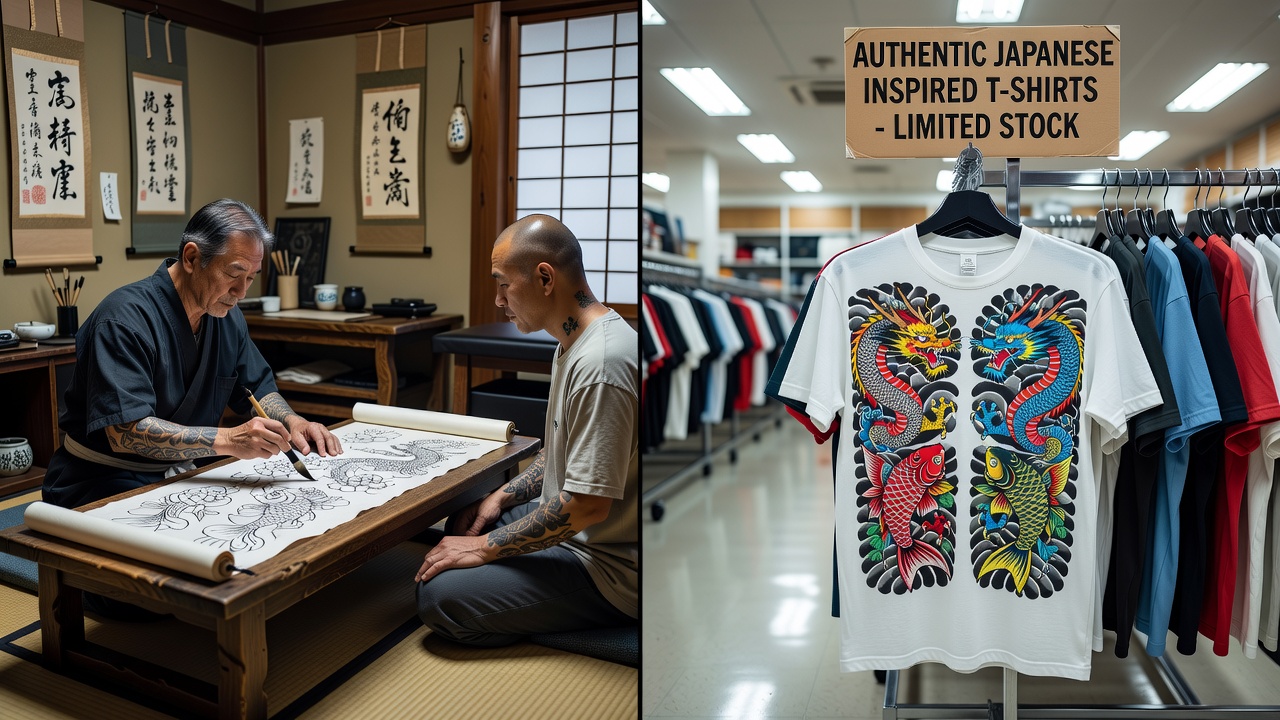
Symbolism of Common Irezumi Motifs
Delving deeper into symbolism reveals why certain designs demand careful consideration. Dragons represent strength and wisdom in Japanese mythology, often linked to water deities and imperial power. Cherry blossoms evoke the transient nature of life, a theme drawn from Buddhist influences. Waves and peonies signify resilience and prosperity respectively. Enthusiasts must research these layers to avoid misrepresenting their significance. Misuse, such as pairing incompatible motifs, can lead to cultural inaccuracies that offend communities familiar with the iconography.
Practical examples include clients who initially request a dragon sleeve without understanding its protective connotations in Shinto traditions. After consultations, many adjust designs to align with personal values while respecting origins. This process highlights the educational aspect of ethical tattooing, where artists act as cultural interpreters rather than mere technicians.
Appropriation Versus Appreciation: Real-World Case Studies
Distinguishing appropriation from appreciation requires examining intent and impact. A prominent case involves commercial fashion brands reproducing irezumi patterns on clothing without crediting Japanese artists or communities, leading to backlash in 2025 for commodifying sacred symbols. In contrast, collaborative projects where non-Japanese clients commission work directly from Japanese irezumi masters demonstrate appreciation through dialogue and fair compensation. These collaborations often span multiple sessions, allowing time for cultural exchange and customization that honors both tradition and individuality.
Another example includes Western celebrities adopting full-body suits without research, sparking online debates about respect. These instances illustrate how superficial adoption can perpetuate stereotypes, while informed choices foster cross-cultural exchange. A third case study from 2024 involved a European studio copying traditional tebori techniques for profit without training, resulting in public apologies and policy changes. Such examples underscore the importance of transparency in 2026, where social media amplifies both praise for ethical work and criticism of exploitative practices.
Guidelines for Non-Japanese Enthusiasts
Non-Japanese individuals interested in irezumi should prioritize education and consent. Key principles include learning the symbolism behind each motif, avoiding sacred or gang-related designs unless personally relevant, and supporting artists of Japanese descent when possible. Always seek artists who specialize in traditional techniques rather than generic tattoo parlors. This approach ensures designs retain their integrity and avoids diluting cultural significance. Additionally, enthusiasts are encouraged to read primary historical texts and attend cultural exhibitions to build a foundation of knowledge before committing to ink.
Respectful Collaborations Compared to Problematic Commercial Uses
Respectful collaborations often involve long consultations, custom adaptations honoring personal stories, and ongoing relationships with cultural practitioners. Problematic uses, however, feature mass-produced stencils sold online or fast-fashion items that strip context for profit. The difference lies in power dynamics: ethical work empowers source communities, while commercial exploitation extracts value without reciprocity. In 2026, platforms promoting verified cultural tattoo artists help bridge this gap by connecting clients with trained professionals who emphasize consent and accuracy.
Practical Steps for Researching Artists
Follow these steps to find suitable irezumi practitioners:
- Study historical references from reliable sources like Japan National Tourism Organization to grasp authentic styles and regional variations across Japan.
- Review artist portfolios for evidence of cultural training and Japanese influences, paying attention to client testimonials that mention educational consultations.
- Engage in direct conversations about design meanings and personal motivations to ensure alignment with ethical standards.
- Verify studio policies on cultural sensitivity and client education, including requirements for pre-tattoo research assignments.
- Consider travel to Japan for apprenticeships or sessions with established masters, which provides immersive learning opportunities.
- Cross-reference artist credentials with community forums and cultural organizations to confirm legitimacy and avoid imitators.
These steps reduce risks of misappropriation and build meaningful connections that last beyond the tattoo session.
Modern Context and Trends in 2026
In 2026, irezumi continues to evolve with hybrid styles blending traditional elements and contemporary influences. However, this fusion requires vigilance to maintain respect. Online communities now host virtual workshops on cultural tattoo ethics, helping global enthusiasts stay informed. Legal frameworks in Japan have relaxed slightly for tourism, yet social attitudes remain cautious, making informed decisions crucial for international clients.
Frequently Asked Questions
Is it okay for non-Japanese people to get irezumi in 2026?
Yes, provided the process involves thorough research, respect for origins, and collaboration with knowledgeable artists. Sensitivity remains key to avoiding unintended harm.
What designs should be avoided?
Steer clear of motifs tied exclusively to yakuza or religious rituals without personal ties or permission from cultural authorities.
How has global perception changed recently?
Awareness campaigns and artist-led initiatives have promoted ethical practices, shifting focus from prohibition to informed appreciation through education and dialogue.
Are there resources for learning more about symbolism?
Yes, museums, academic publications, and verified artist websites offer detailed guides that explain motif histories without commercial bias.
Conclusion
Navigating irezumi in 2026 demands mindfulness of history, intent, and impact. By prioritizing education and authentic partnerships, enthusiasts can celebrate this art form without crossing ethical lines. The path forward lies in appreciation that enriches rather than erases cultural narratives, fostering a global community grounded in respect and understanding.


No comments yet. Be the first!