 Inked Mythos
Introduction to Oni Irezumi Symbolism
Oni irezumi represents one of the most powerful and multifaceted motifs in traditional Japanese tattooing. These demonic figures embody strength, protection, and the complex duality of human nature. For enthusiasts exploring authentic cultural ink, understanding oni symbolism provides deeper appreciation beyond surface aesthetics. The motif draws from rich layers of meaning that make it ideal for those seeking tattoos with profound personal significance rather than fleeting trends.
Rooted in centuries-old Japanese folklore, oni have evolved from fearsome guardians of the underworld to symbols of resilience and inner power. In 2026, global tattoo artists continue to reinterpret these designs while honoring their origins, blending respect for tradition with innovative expressions that resonate across cultures.
Historical Roots in Japanese Folklore
Oni first appeared in ancient Japanese texts and oral traditions as supernatural beings associated with hell and punishment. They feature prominently in stories like those from the Heian period, where they served as enforcers of karma and protectors against evil forces. Over time, irezumi artists incorporated oni to represent the wearer's ability to overcome adversity and channel inner demons into sources of strength. This historical context makes oni tattoos more than decorative; they are narratives of transformation and endurance passed down through generations of artists and wearers.
Scholars trace oni imagery to influences from Chinese and Buddhist traditions, blending with Shinto elements to create distinctly Japanese yokai. Early depictions showed oni as red-skinned ogres with horns and tiger-skin loincloths, symbolizing raw natural forces. By the Edo period, these figures entered tattoo culture as emblems of rebellion and protection for laborers and outlaws. Today, understanding this lineage helps modern enthusiasts appreciate why oni designs often include elements like iron clubs or flaming auras that reference specific legends. Learn more about oni folklore from Britannica.
Color Variations and Their Meanings
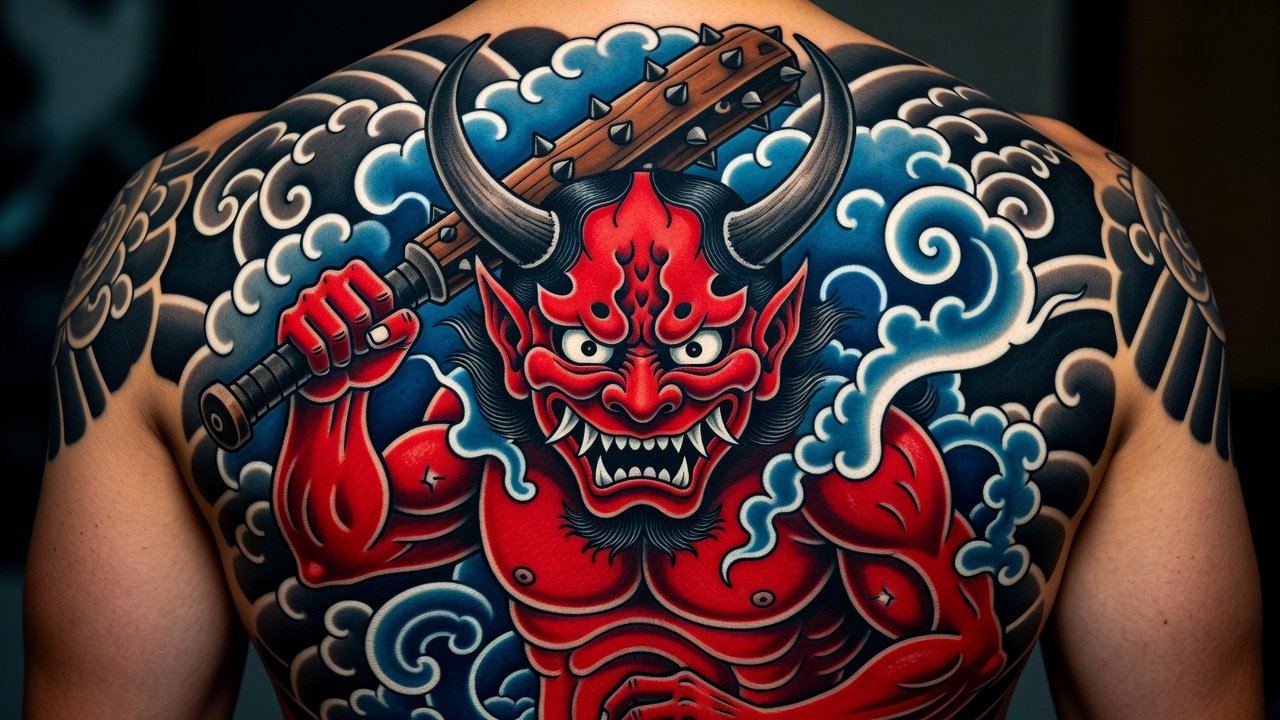
Traditional oni irezumi uses specific color palettes that carry symbolic weight. Red oni often signify raw power and aggression, evoking the fiery energy of volcanic spirits in folklore. Blue or green variants represent protection and wisdom, drawing from associations with water and nature spirits that guard against misfortune. Black outlines provide structure and depth, emphasizing the creature's menacing form while allowing for intricate shading that brings the design to life. In contemporary designs, artists may incorporate gold accents for prosperity or purple for mystery, adding layers of personalization. These choices allow wearers to align the tattoo with their life story, such as selecting red for a journey through hardship or blue for a protective talisman.
Common Body Placements for Oni Tattoos
Oni designs suit large-scale placements due to their intricate details and dynamic poses. Popular locations include full back pieces for dramatic storytelling that unfolds across the entire canvas of skin. Shoulder and chest areas symbolize guarding the heart and vital energy centers. Arm sleeves wrap around the limb like protective armor, ideal for those who view the oni as a daily companion in strength. Thigh or leg placements convey grounded power and stability, often chosen by individuals focused on physical or career resilience. Each placement carries practical considerations, such as how the design flows with body movement or accommodates future additions.
Traditional vs Modern Oni Motifs: Practical Examples
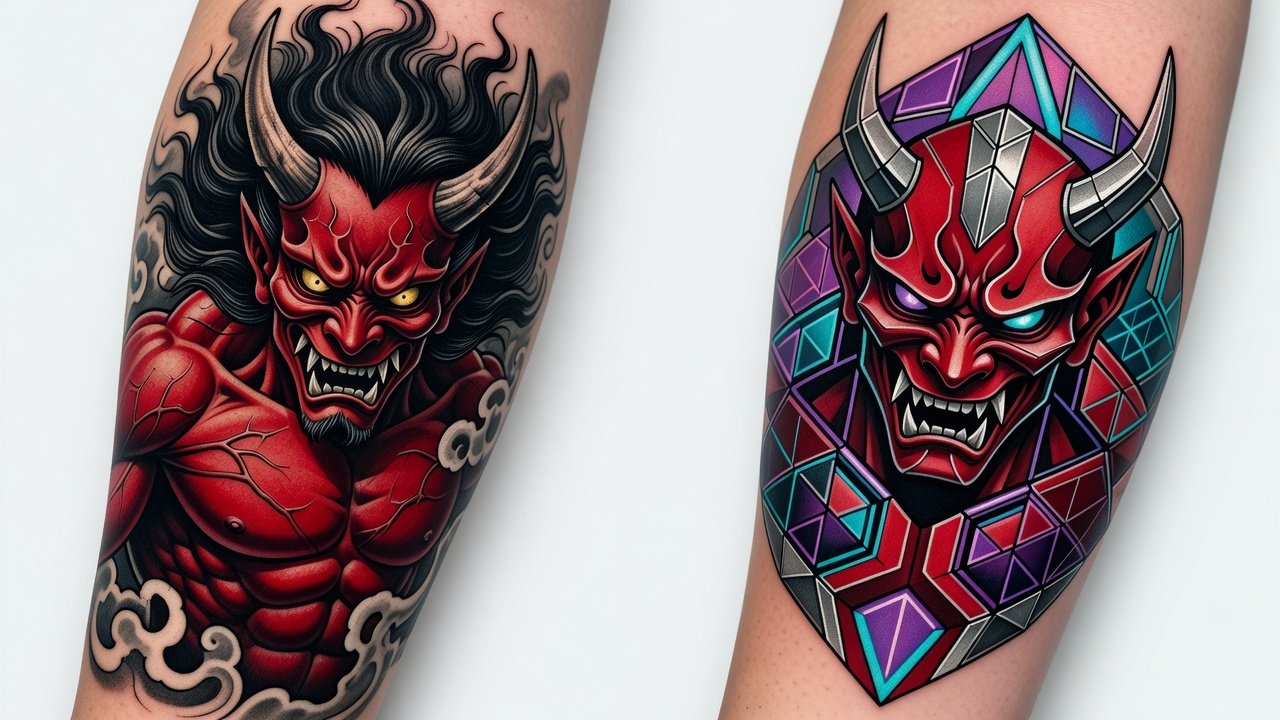
Traditional oni irezumi features bold lines, vibrant colors, and dynamic poses with clubs or horns. A classic example shows an oni battling a tiger, illustrating the struggle between chaos and order drawn from famous folktales. Another common motif depicts the oni emerging from clouds, representing sudden bursts of power or protection during storms of life. Modern fusions in 2026 blend oni with Western elements like biomechanical styles or minimalist linework, creating hybrid designs that appeal to international clients while preserving core features such as the fierce expression and horned silhouette. Artists might merge oni with geometric patterns or subtle color gradients for a contemporary edge, allowing the symbolism to evolve without losing authenticity.
2026 Design Evolutions and Global Fusions
As tattoo culture globalizes, oni motifs increasingly incorporate cross-cultural elements. Artists fuse oni with Polynesian patterns for textured backgrounds or incorporate digital-inspired shading for enhanced depth and realism. These evolutions respect tradition by maintaining symbolic integrity, such as keeping the oni's fierce expression and traditional attributes intact. Enthusiasts should consult specialists familiar with Japanese tattoo history to ensure respectful adaptations that avoid diluting the motif's cultural weight. In 2026, popular trends include pairing oni with subtle cherry blossom elements to balance power with beauty.
Comparison with Similar Yokai: Oni vs Hannya
While both oni and hannya are yokai, they differ significantly in form and meaning. Hannya masks represent jealous female spirits with horned, fanged faces, often symbolizing heartbreak, transformation, or the pain of lost love. Oni, by contrast, embody brute force, guardianship, and the triumph over external threats. Comparing the two helps clients choose motifs that match their personal narratives—oni for outward power and protection, hannya for internal emotional depth. Many collectors even combine both in larger sleeves to explore themes of duality more fully.
Tips for Avoiding Cultural Appropriation
Respecting irezumi culture requires thorough research and genuine collaboration. Work with artists trained in traditional techniques who understand the historical context behind each element. Avoid cherry-picking symbols without context or using sacred motifs in disrespectful settings. Educate yourself on the motif's history before committing to ink, and consider how the design might be perceived in Japanese communities. Support Japanese or culturally informed studios whenever possible. This mindful approach ensures the art remains a celebration of heritage rather than exploitation, fostering greater cross-cultural understanding.
FAQ: Choosing Oni Irezumi and Aftercare
How do I choose the right oni design?
Start by reflecting on the symbolism you wish to embody, whether it is protection, power, or personal duality. Consult reference books on Japanese folklore and discuss your vision with an experienced irezumi artist who can adapt traditional elements authentically to your body and story.
What aftercare ensures traditional ink longevity?
Follow standard tattoo aftercare protocols by keeping the area clean, moisturized with appropriate balms, and protected from direct sun exposure. For irezumi specifically, schedule regular touch-ups every few years to maintain vibrant colors in large pieces. Avoid harsh chemicals or abrasive scrubs that could fade the ink prematurely.
Can oni irezumi be combined with other motifs?
Yes, oni pairs well with elements like peonies for bravery or waves for resilience, but always ensure the combination respects traditional hierarchies of symbolism to maintain cultural coherence.
Conclusion
Oni irezumi continues to captivate in 2026 as a profound expression of power, protection, and duality. By exploring its folklore roots, color meanings, body placements, and respectful modern adaptations, enthusiasts can create meaningful tattoos that honor Japanese cultural heritage. Whether opting for traditional bold designs or thoughtful global fusions, the key lies in authenticity, personal connection, and ongoing respect for the art form's deep history. This approach transforms the tattoo into a lasting emblem of strength and cultural appreciation.
No comments yet. Be the first!