 Inked Mythos
Understanding Crane Symbolism in Irezumi
The crane, known as tsuru in Japanese, stands as one of the most revered motifs in irezumi, the traditional Japanese tattooing practice. It embodies longevity, good fortune, and fidelity, drawing from centuries of cultural reverence. In 2026, enthusiasts worldwide seek deeper connections to these symbols amid growing interest in authentic cultural tattoos. This motif resonates because cranes mate for life, mirroring ideals of loyalty and endurance that many clients wish to embody permanently on their skin. Beyond surface aesthetics, the crane's graceful form allows artists to create flowing compositions that interact beautifully with the body's natural lines.
Historically, cranes appear in Japanese folklore as creatures that live for a thousand years. This belief traces back to ancient texts and art, influencing irezumi designs since the Edo period (1603-1868). During this era, tattoo artists incorporated cranes into full-body suits to convey wishes for long life and prosperity. The period's social structures, including merchant classes adopting tattoos as status symbols, helped popularize the bird alongside elements like cherry blossoms and koi fish.
Historical Roots in Edo-Period Designs
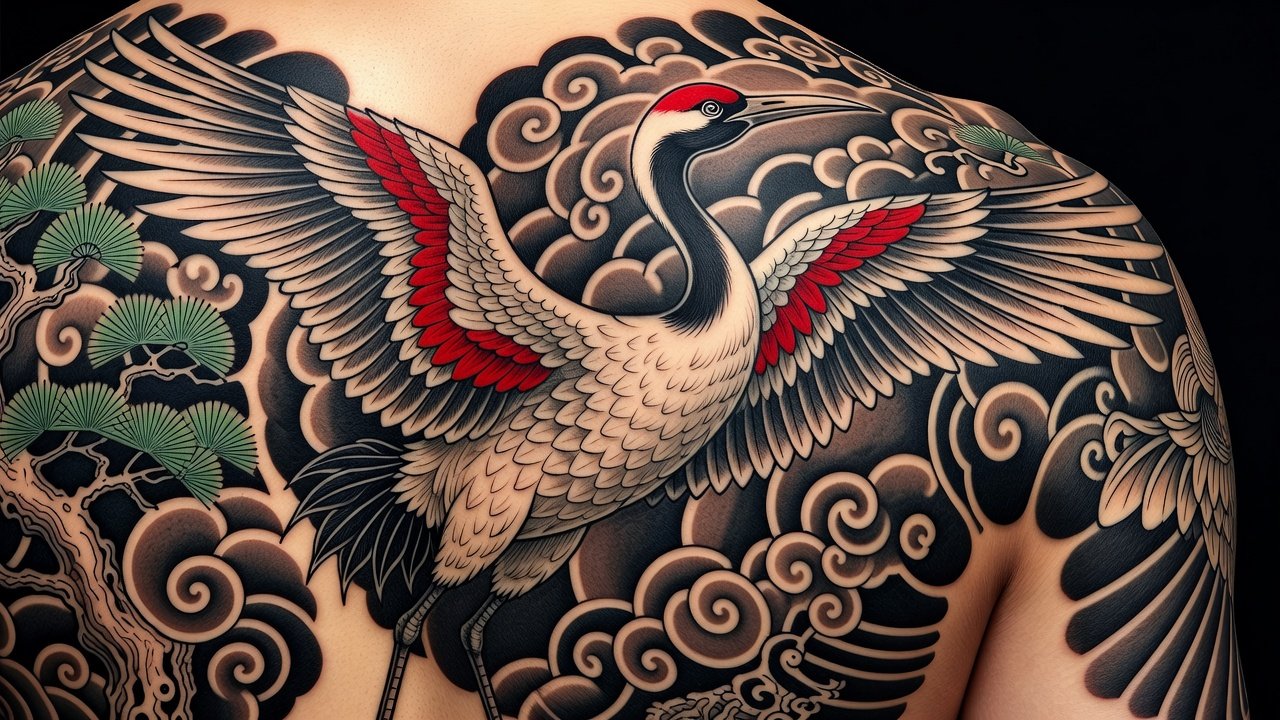
Edo-period irezumi flourished among laborers and merchants, with cranes often paired with pines or clouds to amplify themes of endurance. These motifs evolved from ukiyo-e woodblock prints, where artists like Hokusai depicted graceful cranes in flight. Today, modern practitioners reference these origins while adapting for diverse skin tones and body types. The Edo era's strict sumptuary laws pushed tattooing underground, yet the crane persisted as a subtle emblem of hope amid hardship. Archaeological finds and preserved body suits from the time reveal how the bird's elongated neck was stylized to wrap around limbs, creating visual continuity across the torso and limbs.
Color variations play a key role. The red-crowned crane, with its vivid scarlet cap, dominates traditional palettes, symbolizing vitality against black ink outlines. White cranes represent purity, while subtle gold accents add luxury in contemporary work. Artists in 2026 often experiment with watercolor infusions to soften the classic bold outlines, making the motif more approachable for first-time clients.
Ideal Body Placements for Crane Irezumi
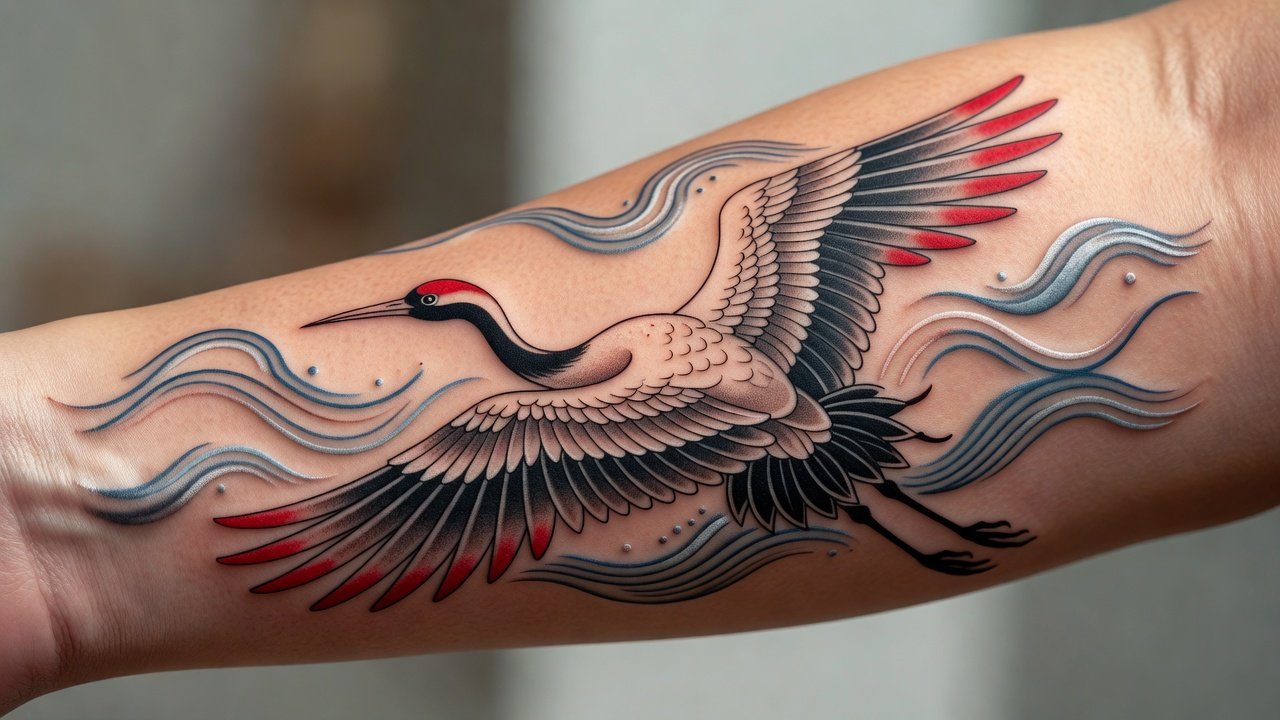
Placement enhances the motif's impact. Common sites include the back or shoulder blades for expansive wing spreads that evoke freedom and longevity. Arms or sleeves allow flowing lines that follow natural muscle contours, while the chest or ribs let the bird's neck stretch dramatically across the torso. Thigh or calf placements suit those seeking privacy, as the design can remain hidden under clothing yet reveal intricate details upon closer inspection. Artists recommend aligning the crane's direction with body movement for dynamic effect, such as positioning the head toward the heart to symbolize inner vitality. Avoid cramped areas like wrists for large cranes, as fine details may blur over time.
Fusion Ideas for 2026 Global Audiences
Global clients blend crane irezumi with personal elements. Popular fusions pair the bird with cherry blossoms for transient beauty or waves for resilience. In 2026, digital-inspired shading techniques create hyper-realistic feathers suitable for minimalist or bold styles. One emerging trend combines the crane with geometric mandalas, representing the intersection of Eastern tradition and modern spirituality. Another example integrates subtle phoenix feathers at the wingtips, nodding to themes of renewal without overshadowing the core longevity message. Clients from Western backgrounds often request small crane accents on the ankle, merged with Celtic knotwork for a hybrid cultural narrative.
Comparisons to Other Bird Motifs
Unlike the phoenix, which signifies rebirth through fire, the crane emphasizes peaceful endurance. Eagles convey power in Western tattoos, while the crane prioritizes harmony and fortune. Hawks in irezumi often denote swiftness, contrasting the crane's graceful patience. Sparrows, another common bird in Japanese tattooing, symbolize everyday joy and community, making them lighter alternatives for smaller pieces. Ravens in global styles carry darker, mystical connotations absent in crane imagery. This distinction helps clients choose motifs that align precisely with their life stories rather than generic bird aesthetics.
Practical Design Tips and Real-World Examples
Consult artists experienced in tebori (hand-poking) for authentic texture. Start with reference sketches from museums and iterate through multiple consultations. Real-world examples include pieces by artists like Horiyoshi III, whose crane designs grace collectors globally, and emerging talents in Tokyo studios who fuse traditional cranes with neon highlights for urban clients. Practical steps involve mapping the body first, selecting ink density based on skin undertones, and scheduling sessions over months to allow healing between layers. Mistakes to avoid include overcrowding the design with too many secondary elements or ignoring negative space, which can make the crane appear static rather than soaring.
Ethical Considerations for Non-Japanese Clients
Respect remains paramount. Non-Japanese seekers should study the motif's roots and collaborate with Japanese-descended artists when possible. Avoid trivializing sacred symbols by rushing designs without research. Open conversations about appropriation help build mutual understanding, ensuring the tattoo honors rather than exploits the culture. Resources like The Metropolitan Museum of Art offer historical context for informed choices. Additional guidance appears through institutions such as Britannica, which detail the folklore behind avian symbols. Clients are encouraged to learn basic Japanese terms associated with the motif to deepen appreciation during the process.
Common FAQs on Customization
- How large should a crane tattoo be? Sizes range from small wrist accents to full-back murals depending on detail level and desired impact.
- Can cranes combine with modern elements? Yes, subtle geometric backgrounds or minimalist line work work well in 2026 trends while preserving core symbolism.
- What aftercare ensures longevity? Follow standard tattoo protocols including moisturizing and sun protection, and consult professionals for personalized advice.
- Is color mandatory for red-crowned cranes? Traditional pieces favor color, but black-and-gray versions remain popular for those preferring subtlety.
- How does cost vary by placement? Larger back pieces require more sessions, while smaller arm designs finish faster, though exact figures depend on the artist and location.
- Are there seasonal considerations for getting inked? Healing in cooler months can reduce irritation from sweat, though any time works with proper care.
Further reading on Japanese symbolism appears at National Geographic. This depth transforms a simple tattoo into a meaningful cultural statement that clients cherish for decades.
No comments yet. Be the first!