 Inked Mythos
Introduction to Irezumi and the Search for Authentic Artists
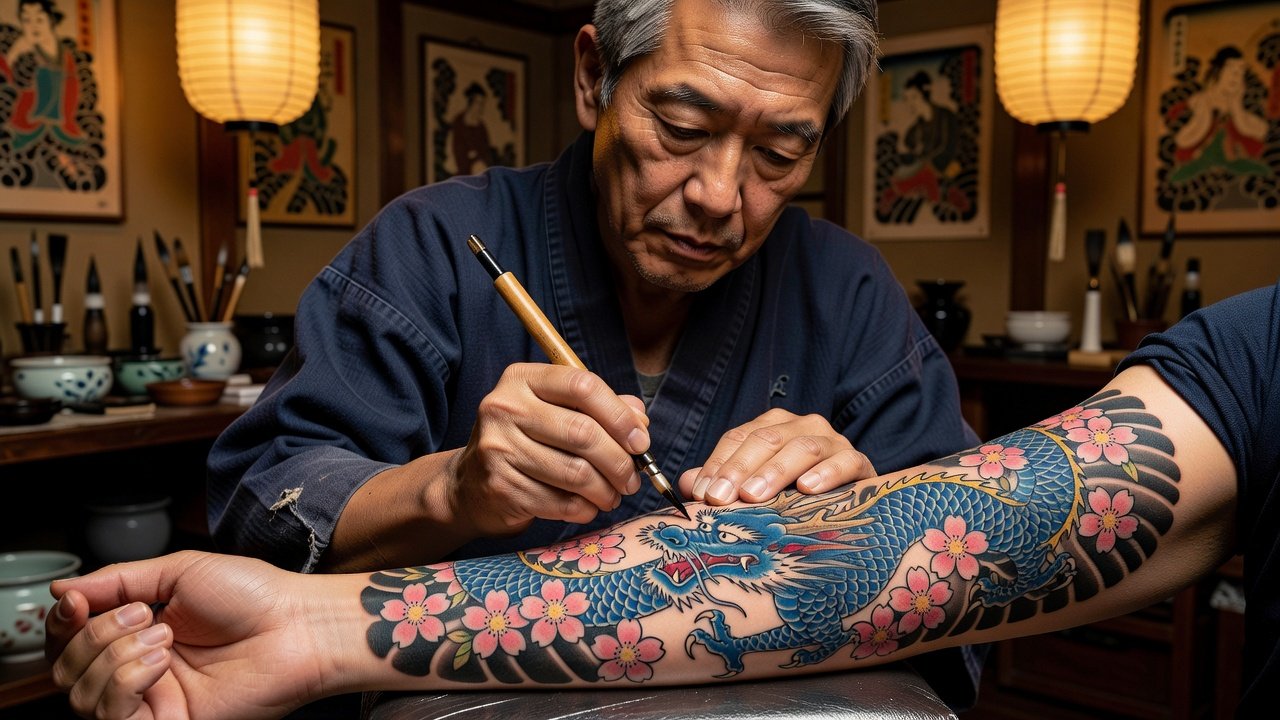
Irezumi represents one of the most revered forms of traditional Japanese tattooing, deeply rooted in cultural symbolism and history spanning centuries. These large-scale body suits and motifs draw from ukiyo-e woodblock prints and folklore, embodying themes of strength, resilience, and nature. In 2026, finding a true master requires careful research to ensure the work honors its origins while delivering exceptional artistry. Enthusiasts worldwide seek these tattoos not merely as decoration but as meaningful expressions of personal and cultural identity. This comprehensive guide empowers readers to make informed, ethical decisions when selecting an irezumi specialist for cultural tattoos, covering every aspect from initial research to final commitment.
Understanding the Cultural Significance of Irezumi
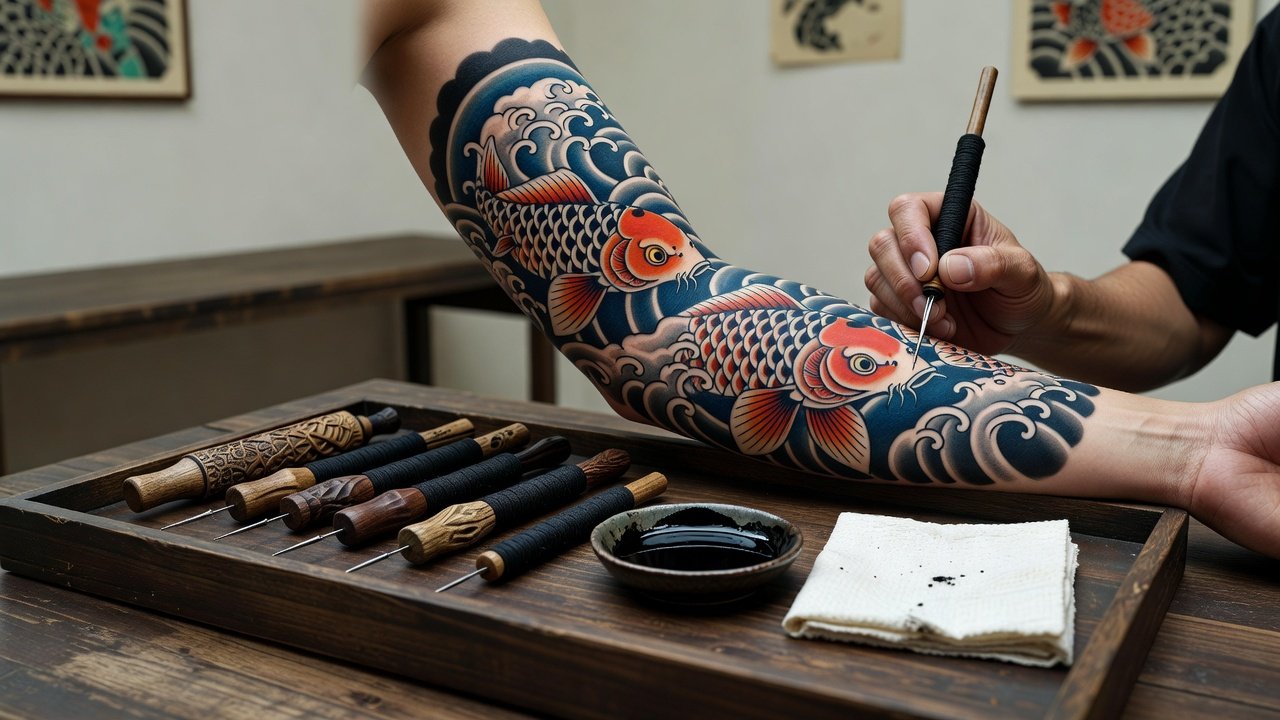
Irezumi tattoos often feature motifs like koi fish symbolizing perseverance, dragons representing power and wisdom, peonies for prosperity, and waves denoting life's flow. Each element carries profound meanings tied to Japanese heritage, samurai traditions, and Buddhist influences. Respecting these elements means working with artists who understand their context beyond aesthetics. For instance, placing a tiger incorrectly could invert its protective symbolism. Britannica provides extensive resources on the historical evolution of such art forms, helping readers appreciate why cultural accuracy matters. Modern interpretations sometimes blend elements, but authentic masters prioritize historical fidelity.
Key Criteria for Vetting Irezumi Artists
Apprenticeship Backgrounds
Authentic irezumi masters typically undergo years of rigorous apprenticeship under established teachers, often lasting five to ten years or more. During this period, apprentices learn not only technical skills like needle work and ink mixing but also the philosophical underpinnings of designs. Look for artists who openly discuss their training lineage, such as connections to famous schools in Osaka or Tokyo. Verify claims through studio websites, artist interviews, or mentions in tattoo publications. Artists without this foundation may produce visually appealing work but lack the depth needed for culturally resonant pieces. Example: An artist trained under a third-generation master might reference specific historical references in consultations, demonstrating genuine expertise.
Portfolio Analysis
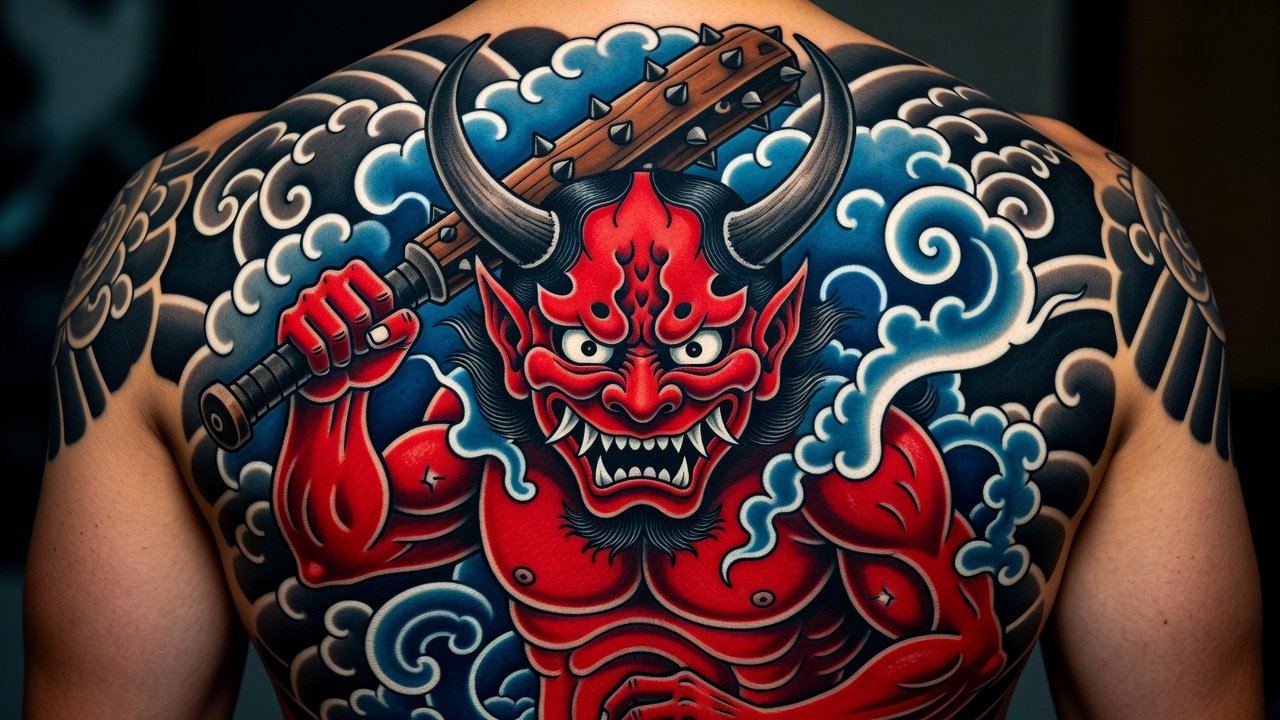
Examine portfolios for consistency in line work, color saturation, shading gradients, and motif accuracy across multiple pieces. Prioritize artists whose past projects demonstrate deep knowledge of Japanese iconography rather than generic adaptations copied from online sources. Request to see healed work photos taken months later to assess longevity. Red flags include repetitive designs without variation or motifs mixed from unrelated cultures. A strong portfolio might showcase a full back piece with seamless flow from shoulder to lower back, incorporating personal elements while staying true to tradition.
Client Testimonials and Reviews
Seek detailed testimonials that highlight the artist's respect for cultural protocols, communication style, patience during long sessions, and long-term healing results. Cross-reference reviews on independent platforms and social media for authenticity, avoiding overly promotional content. Real clients often mention how the artist explained symbolism or adjusted designs based on body shape and movement. Look for patterns in feedback about professionalism and aftercare support.
Cultural Respect Practices
Ethical artists prioritize education about symbolism and may require clients to understand the stories behind chosen designs before starting. This approach preserves the integrity of the tradition and prevents cultural appropriation concerns. They might suggest alternatives if a proposed motif conflicts with personal values or body placement norms. For example, certain designs historically associated with yakuza imagery require extra sensitivity in modern contexts.
Practical Steps for Consultations in 2026
Begin by reaching out via professional websites or studio channels with a clear introduction of your interest and initial design ideas. Prepare a list of questions about design origins, expected session lengths for large pieces, pain management approaches, and aftercare aligned with traditional methods. Multiple consultations help compare approaches before committing. During the meeting, observe studio hygiene, tool sterilization practices, and the artist's willingness to listen. Bring reference images but remain open to expert modifications. Document everything in writing for clarity.
Cost Considerations and Value Assessment
Investment in irezumi varies based on size, complexity, artist experience, and location. Focus on quality and cultural authenticity over the lowest quote, as skilled work reflects years of specialized training and cannot be rushed. Consider the long-term value of a piece that ages gracefully and carries meaningful heritage rather than prioritizing speed or discounts.
Red Flags to Avoid
- Artists who rush designs without cultural discussion or historical context
- Portfolios lacking traditional Japanese elements or showing heavy Western influences mixed inappropriately
- Absence of verifiable apprenticeship history or reluctance to share training details
- Pressure tactics, lack of transparency on processes, or poor hygiene standards
- Overpromising quick completion times for intricate large-scale work
Comparisons Between Studio Types
Independent modern studios may offer faster scheduling, contemporary amenities, and flexible designs but vary in cultural depth and traditional technique mastery. Traditional tebori-focused ateliers emphasize hand techniques, mentorship legacies, and slower-paced sessions, often suiting those seeking deeper immersion and historical accuracy. Hybrid spaces combine both approaches with access to modern equipment alongside classic methods, but require extra vetting for balance and consistency. For example, a traditional atelier might limit daily clients to ensure focus, while a modern studio handles higher volume with potentially less personalized cultural guidance.
FAQs on Travel and Remote Design Options
Many clients travel to Japan or established international hubs for authentic experiences, requiring advance planning for visas, language support, and multiple sessions. Remote design consultations are increasingly common through video calls, allowing initial concept development, though final execution typically requires in-person sessions to maintain precision and account for body dynamics. Always confirm travel requirements, deposit policies, and artist availability well in advance. Another frequent question involves combining travel with tourism; reputable artists can recommend nearby cultural sites to enhance the experience. Healing during travel demands careful aftercare planning to avoid complications from climate or activity levels.
Conclusion
Selecting an irezumi master is a journey of respect, research, and personal growth. By focusing on apprenticeship verification, detailed portfolio reviews, authentic testimonials, and genuine cultural sensitivity, you can secure a tattoo that beautifully embodies heritage while avoiding common pitfalls. Take time to connect with artists who share your commitment to authenticity, ensuring the final result becomes a lifelong source of pride and meaning. This thoughtful approach not only honors the art form but also contributes to its preservation for future generations.
No comments yet. Be the first!