 Inked Mythos
Introduction to Snake Irezumi
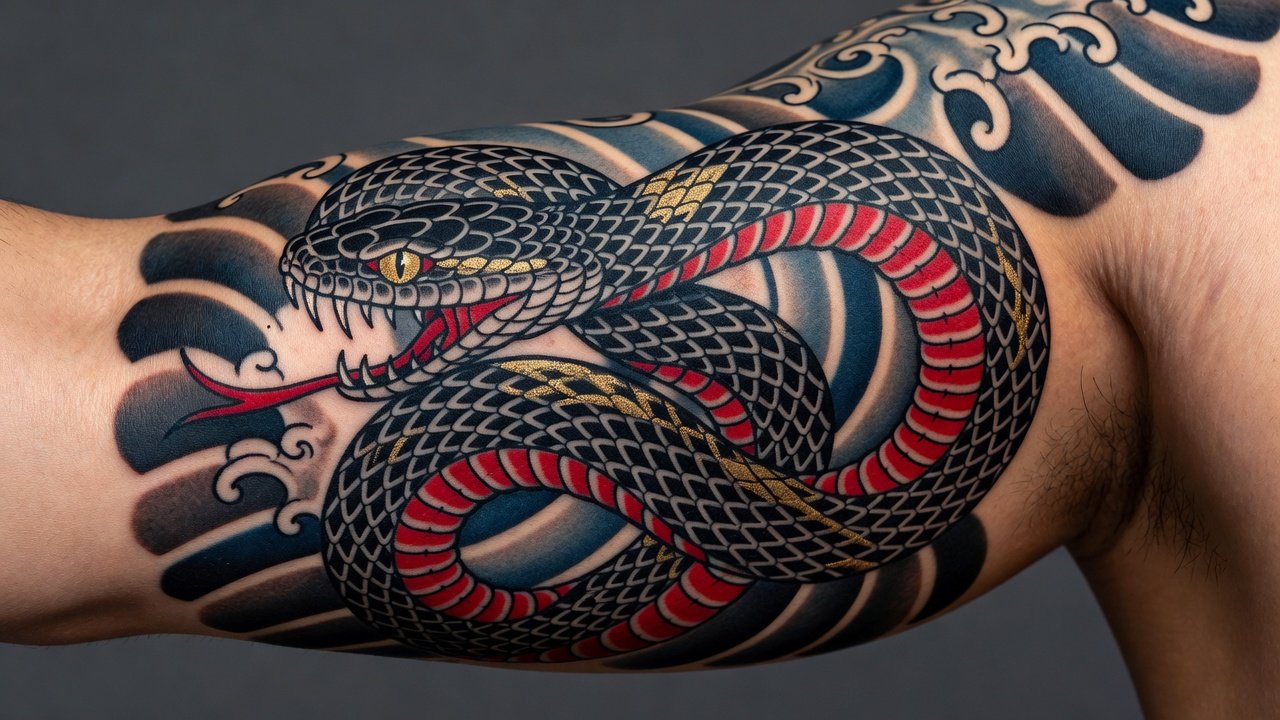
Snake irezumi represents one of the most enduring and meaningful motifs in traditional Japanese tattooing. These intricate designs draw from centuries of cultural heritage, embodying themes of wisdom, protection, and personal transformation. In 2026, enthusiasts continue to seek authentic interpretations that honor historical roots while incorporating modern aesthetics. The snake, known as hebi in Japanese, carries layered significance that resonates with wearers seeking more than surface-level decoration.
The snake's symbolism stems from its natural behaviors and ancient folklore. It symbolizes rebirth through shedding its skin, guardianship against evil, and deep insight gained through experience. This article examines the historical foundations, symbolic layers, technical variations, and contemporary applications of snake irezumi designs in detail, providing practical guidance for those considering such a tattoo.
Historical Roots in Traditional Japanese Ink
Irezumi traces back to the Edo period when tattooing evolved from punitive markings into an art form among laborers and outlaws. Snakes appeared frequently in ukiyo-e woodblock prints and later in full-body suits. Early practitioners used hand-poked techniques with natural pigments, creating bold outlines that aged gracefully over decades. Over time, the practice incorporated influences from Chinese and Buddhist traditions, where serpents often represented both danger and enlightenment.
By the Meiji era, irezumi faced suppression yet survived underground. Post-war revival brought renewed appreciation, with masters preserving motifs like the snake coiled around peonies or emerging from waves. Today, artists study these lineages to maintain authenticity while adapting for new clients. For deeper context on Japanese artistic traditions, explore resources from institutions like The Metropolitan Museum of Art or Britannica, which document the evolution of such cultural symbols.
Core Symbolism: Wisdom, Protection, and Transformation
Wisdom stands central to snake irezumi. The creature's ability to navigate darkness and sense danger mirrors intellectual foresight and intuitive knowledge. Many wearers choose the motif after overcoming challenges, viewing the snake as a reminder of hard-won insight. In Japanese mythology, snakes are associated with deities that grant knowledge to those who prove worthy.
Protection forms another pillar. In folklore, snakes guard sacred spaces and repel misfortune. Placed on the arm or back, the design acts as a spiritual shield. Transformation completes the triad: the shedding process represents letting go of old identities and embracing growth, resonating with those marking life transitions such as career changes or personal milestones.
Practical Examples of Symbolic Pairings
Consider a snake wrapped around a sword, emphasizing protection through strength. Or pair it with a mirror to highlight self-reflection and wisdom. These combinations deepen the narrative without overwhelming the primary motif.
Color and Scale Variations in Irezumi
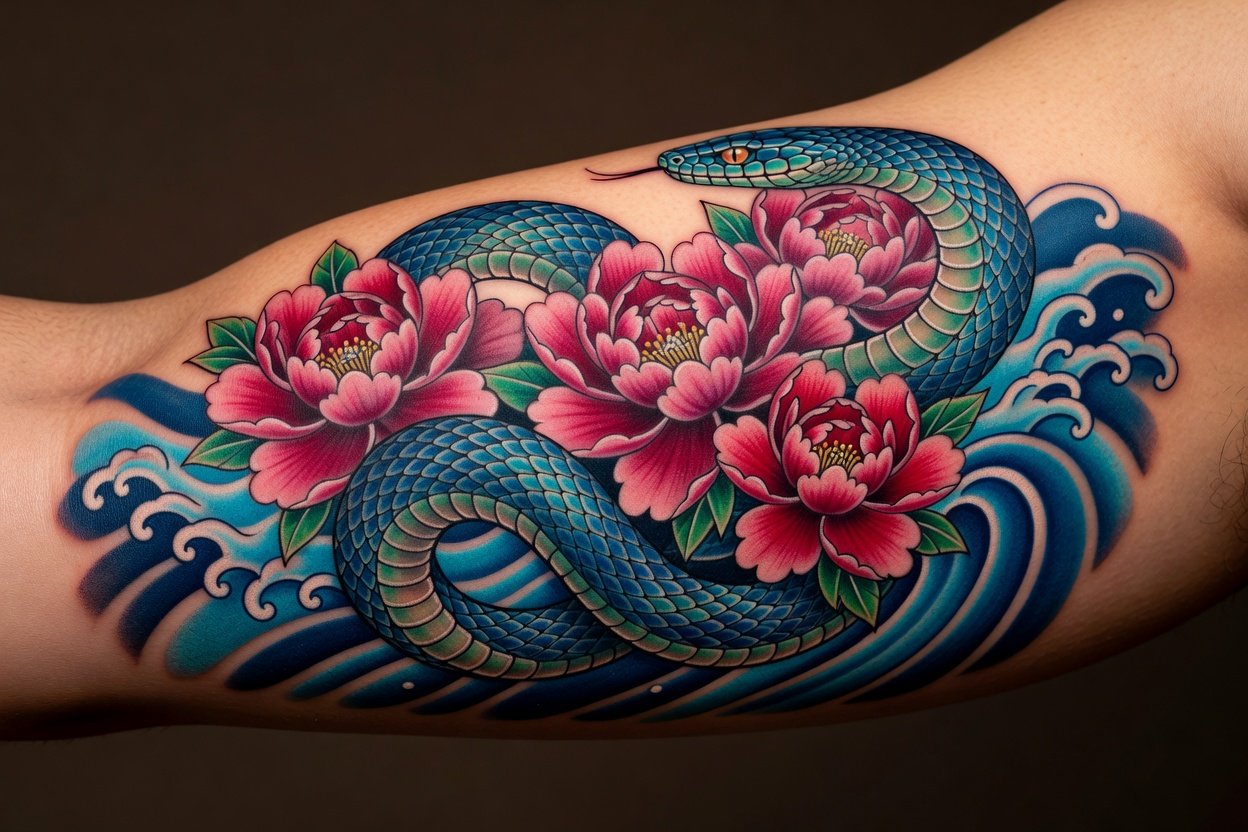
Traditional palettes favor deep blacks, vibrant reds, and subtle yellows. Black-and-gray versions emphasize texture and shadow for a timeless look. Full-color pieces highlight scales with iridescent blues and greens, creating movement across skin. Artists often use bokashi shading techniques to blend colors seamlessly, giving the illusion of depth and three-dimensional form.
Scale detailing ranges from fine, overlapping patterns to larger, stylized segments. Artists adjust density based on body contours, ensuring the snake appears fluid whether coiled or extended. Popular 2026 variations blend metallic accents with classic hues for subtle contemporary flair while respecting traditional restraint.
Strategic Body Placements
Placement influences both visual impact and personal meaning. The forearm allows a compact coiled snake visible during daily activities. Full sleeves integrate the motif into larger narratives with supporting elements. Back pieces offer expansive canvases for flowing bodies that wrap around the spine, often spanning multiple sessions to complete.
Chest and rib placements create intimate designs revealed selectively. Thigh and calf options suit those preferring coverage beneath clothing. Artists consider muscle movement to preserve line integrity over time. Here are key considerations for common placements:
- Forearm or bicep: Ideal for smaller, detailed coils that can be shown or hidden easily.
- Full back or sleeve: Best for expansive scenes incorporating waves or flowers for a complete story.
- Ribs or side: Suited for elongated snakes that follow natural body lines for dynamic effect.
- Calf or thigh: Allows bold scales with room for background elements like clouds or foliage.
Fusion Ideas for 2026 Designs
Modern clients often pair snakes with complementary motifs. Flowers such as peonies or cherry blossoms add layers of beauty and fleeting life. Waves symbolize life's turbulence and the snake's adaptability within it. A popular example is a snake emerging from crashing waves alongside a lotus flower, representing resilience and purity.
Other fusions include a snake entwined with koi fish for perseverance or lotus blooms for enlightenment. Geometric frames or subtle negative space create balance. These fusions keep traditional symbolism alive while reflecting current personal stories. For 2026 trends, many incorporate minimalist line work accents or subtle dotwork shading to update the classic style without losing cultural depth.
Design Tips for Authenticity
Research artists specializing in Japanese styles and request portfolios showing healed work. Discuss scale proportions relative to body size and ensure negative space prevents overcrowding. Choose pigments tested for skin compatibility and longevity. Study reference materials from museums and cultural archives to understand proportions. Avoid generic stencils; collaborate on custom elements that honor irezumi heritage. Regular touch-ups maintain vibrancy, especially in high-movement areas. Always verify the artist's understanding of Japanese cultural context to avoid misinterpretations.
Meaning Versus Aesthetics: Viewer Questions Answered
Many ask whether the design prioritizes symbolism or visual appeal. Authentic irezumi balances both, as the motif's power derives from cultural context. Discuss personal intent with your artist to align placement, color, and companions with your narrative. Viewers often inquire about cultural sensitivity. Respectful engagement involves learning the history and selecting artists who respect traditions. The result becomes wearable art that communicates wisdom across generations. Additional questions might cover healing times, pain levels during sessions, or how the design ages, all of which benefit from direct consultation with experienced practitioners.
Conclusion
Snake irezumi continues to captivate because it merges profound symbolism with striking artistry. Whether emphasizing wisdom, protection, or transformation, these tattoos offer enduring personal significance. Thoughtful fusions, careful placements, and attention to historical details ensure the motif remains relevant while rooted in Japanese cultural heritage. Explore with intention to create a piece that truly resonates for years to come.
No comments yet. Be the first!