 Inked Mythos
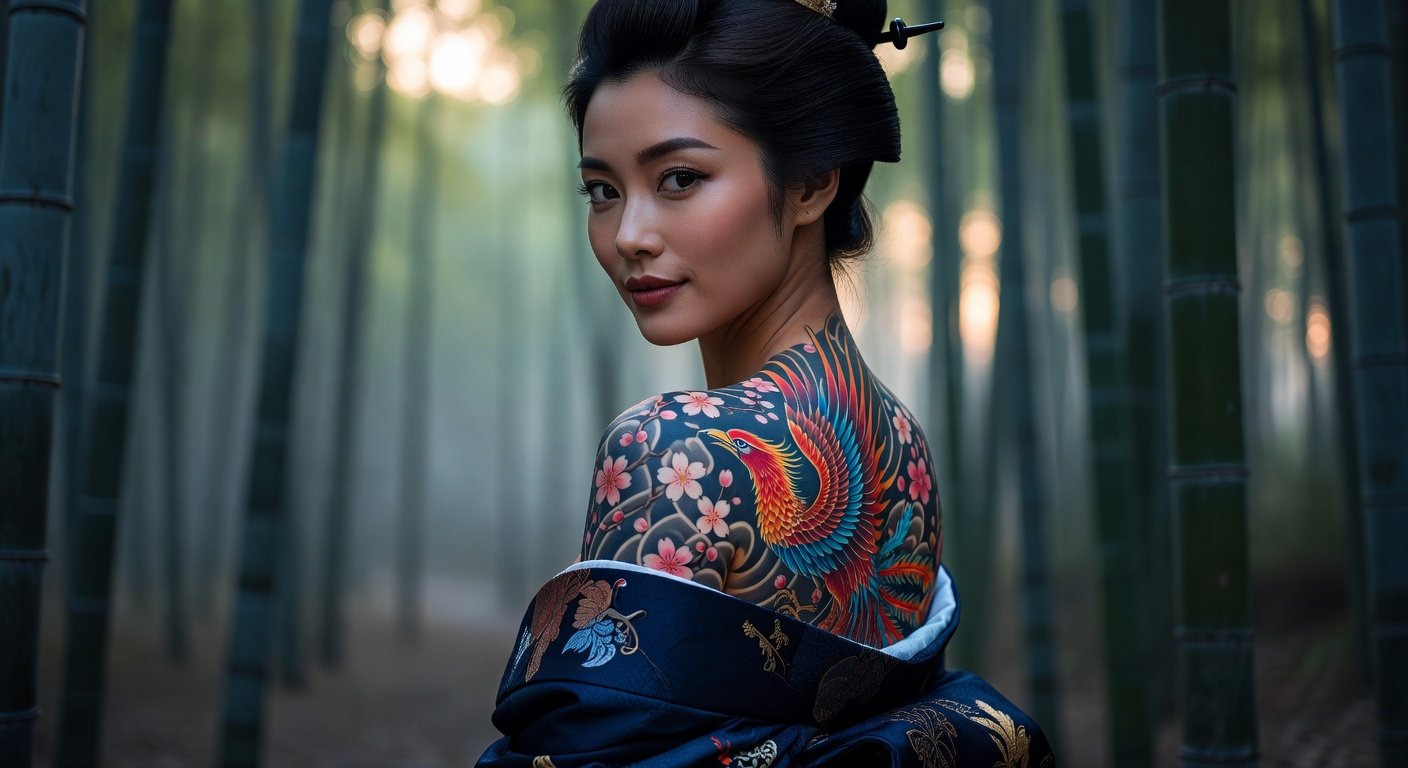
The Historical Bans on Women and Irezumi Tattoos
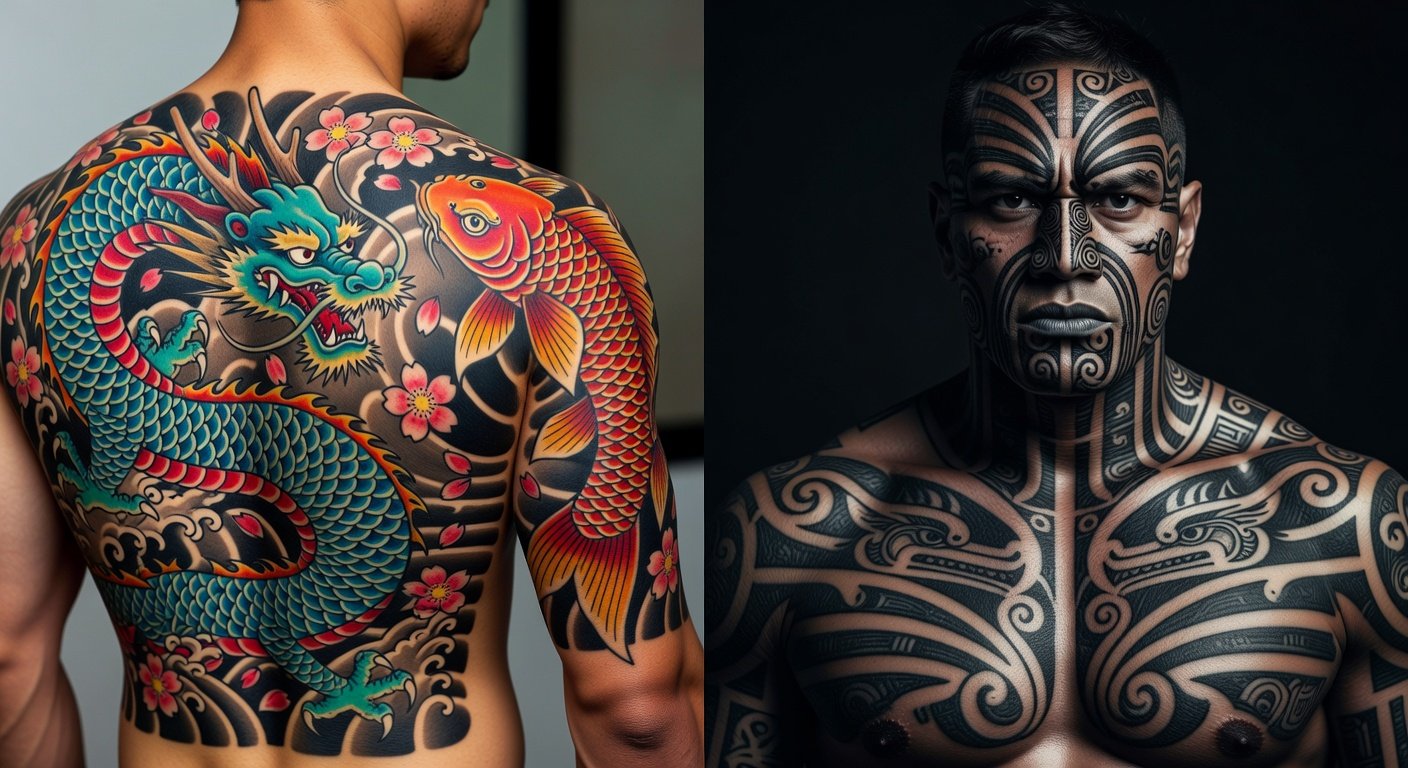
Irezumi, the traditional Japanese tattooing technique, has deep roots in Japan's cultural history dating back to the Edo period (1603-1868). Known for its bold, full-body designs featuring mythical creatures like dragons, koi fish, and cherry blossoms, irezumi was originally practiced by firefighters, laborers, and later, the Yakuza underworld. However, this association led to severe cultural stigma, particularly for women.
During the Meiji era (1868-1912), Japan modernized rapidly to align with Western standards. Tattoos were seen as barbaric, prompting Emperor Meiji to ban them among government officials and the military. Public bathhouses (sento) and hot springs (onsen) began refusing entry to tattooed individuals, reinforcing the taboo. For women, the prohibition was even stricter due to societal expectations of purity and femininity. Getting inked was not just frowned upon; it could ruin marriage prospects and social standing. Historical records show women were largely excluded from irezumi parlors, with practitioners focusing on male clients tied to criminal elements.
This stigma persisted into the 20th century. Post-WWII, as the Yakuza rose in power, irezumi became synonymous with organized crime. Women associated with tattoos risked being labeled as gang affiliates or morally loose, leading to informal bans in tattoo studios. Even today, some traditional onsens display "No Tattoo" signs, though attitudes are shifting.
The Yakuza Connection and Cultural Stigma
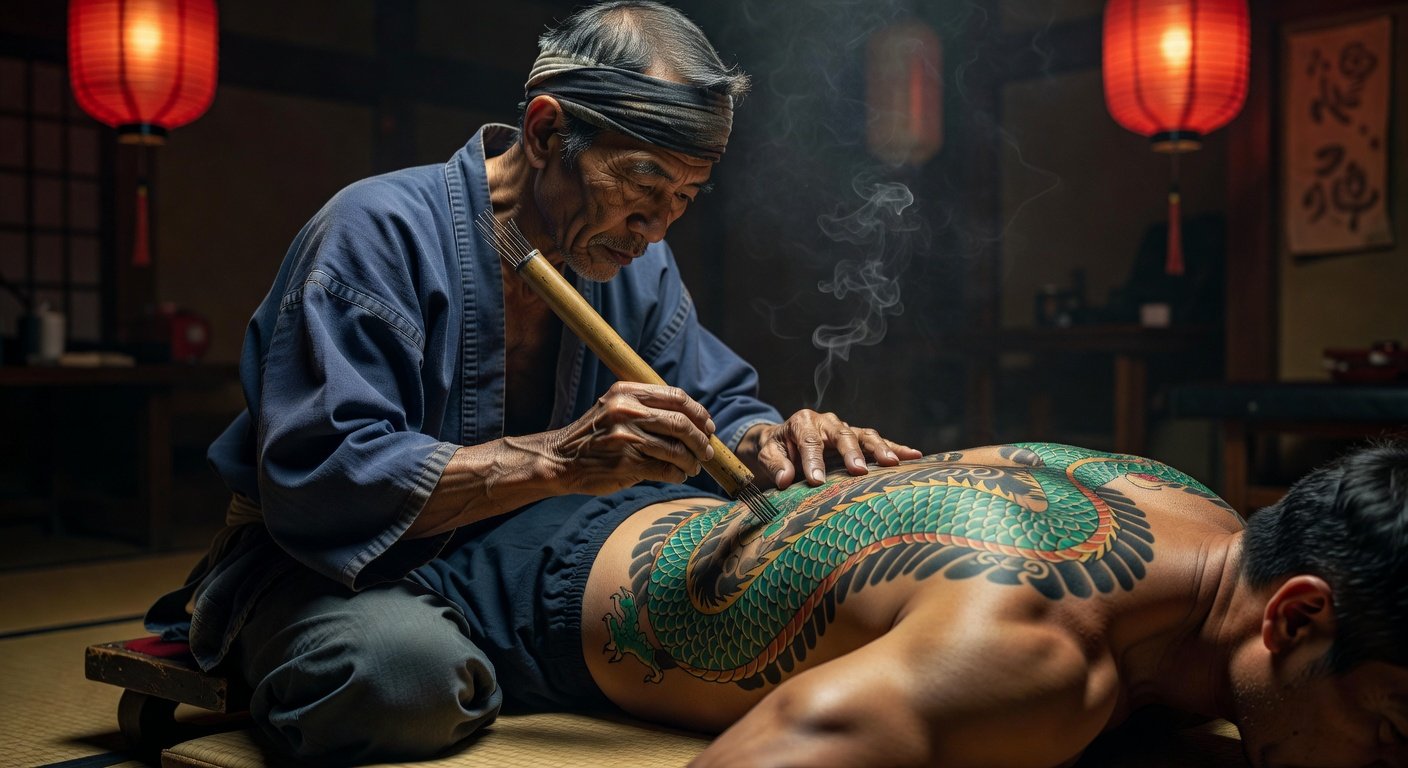
The Yakuza's adoption of irezumi elevated it to an art form symbolizing loyalty, endurance, and status. Full-body suits (horimono) could take years to complete using tebori (hand-poking) methods. But this glorification came at a cost for women. Yakuza wives or mistresses occasionally bore smaller tattoos, but they were rare and hidden. The broader society viewed female tattoos as scandalous, linking them to deviance.
For more on the Yakuza's role in tattoo history, see Wikipedia's overview. This underworld tie-in created a vicious cycle: talented artists catered to criminals, perpetuating the ban on respectable women.
Pioneering Female Artists Leading the Revival
Fast-forward to the 21st century, and a revival is underway, projected to peak in 2026. Globalization, social media, and feminist movements are challenging taboos. Pioneering female irezumi artists are at the forefront, blending tradition with empowerment.
One standout is Horiko, a pseudonymous artist trained under masters like Horiyoshi III. She specializes in delicate floral and phoenix designs tailored for women, emphasizing beauty over intimidation. Another is Akimitsu, who opened Tokyo's first women-only irezumi studio in 2020. Her work has been featured in international tattoo expos, drawing clients from abroad.
These women are not just artists; they're cultural ambassadors. By hosting workshops and collaborating with fashion brands, they're destigmatizing irezumi. Industry experts predict 2026 as a tipping point, with tattoo conventions in Osaka and Tokyo showcasing female-led panels.
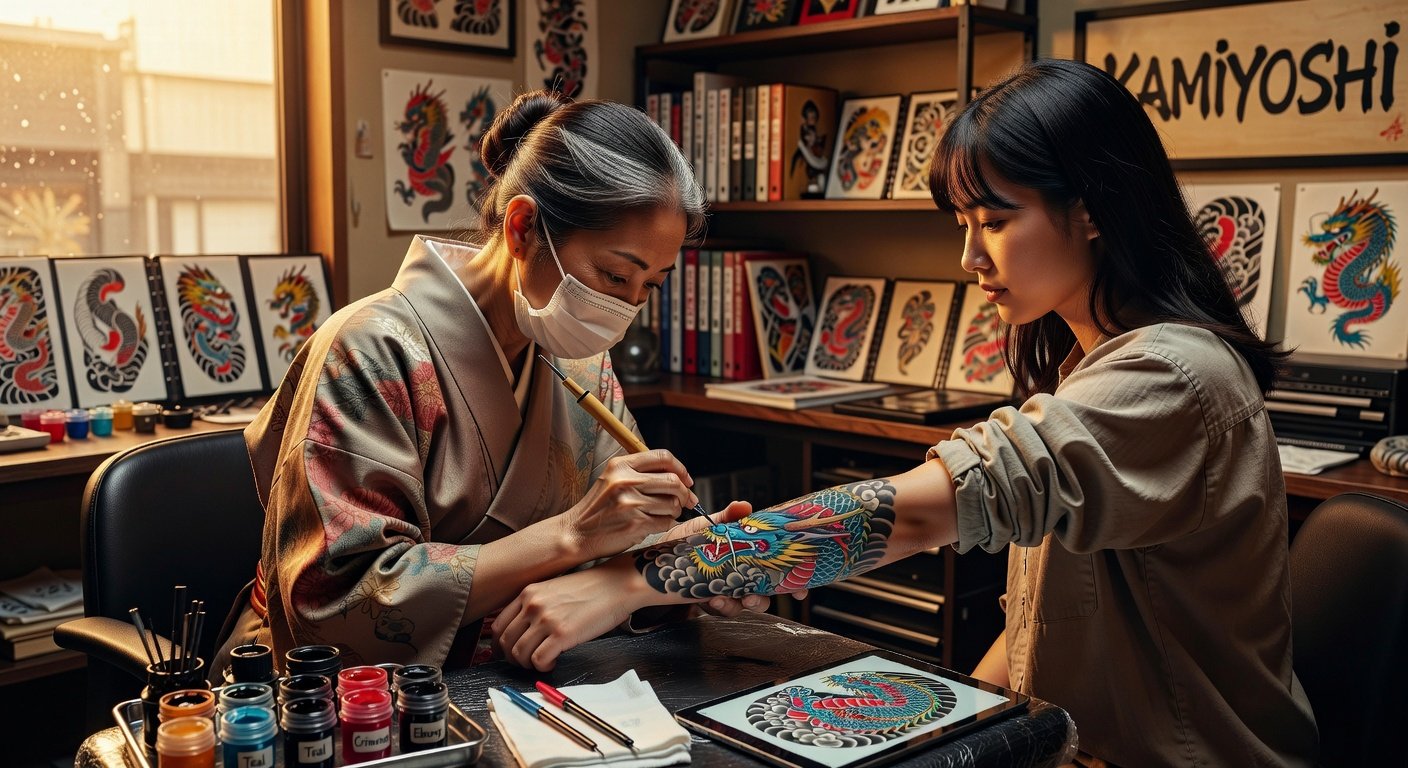
Case Studies: Women Wearers Breaking Barriers
Case Study 1: Yumi, the Corporate Executive
Yumi, a 35-year-old Tokyo executive, got her first irezumi koi sleeve in 2022 despite family opposition. Inspired by her grandmother's hidden tattoo, she chose Horiko as her artist. The process took 40 hours over a year. Today, Yumi proudly displays her ink at selective events, advocating for workplace acceptance. Her story highlights how professional women are reclaiming irezumi as personal heritage.
Case Study 2: International Influencer Aiko
Aiko, a half-Japanese influencer based in LA, underwent a full back piece in 2024 depicting cherry blossoms and waves. Facing online backlash for "cultural appropriation," she countered by documenting the tebori process and its pain endurance symbolism. Her 2025 viral campaign partnered with Japanese studios, boosting female bookings by 30%.
These cases illustrate a shift: from secrecy to celebration. For deeper irezumi history, explore this authoritative resource.
Modern Design Trends in Female Irezumi
Today's female irezumi diverges from Yakuza boldness. Trends include:
- Minimalist Adaptations: Smaller, elegant pieces like peonies on wrists or cranes on shoulders, suitable for professional life.
- Nature Motifs: Lotus flowers symbolizing purity, or sparrows for freedom—feminine twists on classics.
- Tech-Infused Tebori: Hybrid machine-hand methods for faster sessions, appealing to busy women.
- UV/Reactive Inks: Invisible by day, glowing at night for discreet wear.
In 2026, expect AR apps overlaying designs virtually, and sustainable inks from natural pigments. Collaborations with kimono designers are merging tattoos with fashion.
Tips for Women Seeking Authentic Irezumi Tattoos
- Research Artists Thoroughly: Seek certified tebori masters via associations. Avoid tourist traps; genuine sessions start at $200/hour.
- Understand Symbolism: Consult on meanings—dragons for power, but pair with feminine elements like fans.
- Plan for Commitment: Full sleeves take 50-100 hours. Budget time off and aftercare (no sun, moisturize).
- Navigate Etiquette: Cover in Japan for onsens. Use skin-safe covers for work.
- Health First: Get allergy tests; choose sterile studios. Women should discuss pregnancy plans.
- Join Communities: Forums like Reddit's r/Irezumi offer female perspectives.
Embrace the pain as part of the tradition—irezumi signifies resilience. As 2026 approaches, more studios welcome women, signaling true revival.
This resurgence empowers women to wear their stories boldly, transforming irezumi from stigma to symbol of strength.
No comments yet. Be the first!