 Inked Mythos
Introduction to Tebori Irezumi
In the ever-evolving world of tattoos, few techniques evoke the raw authenticity and timeless artistry of tebori irezumi. This ancient Japanese hand-poking method, central to traditional irezumi tattoos, is experiencing a remarkable revival in 2026. Tattoo enthusiasts worldwide are ditching electric machines for the meticulous, pain-staking process of hand-poked ink, seeking deeper connections to cultural roots and superior longevity in their body art.
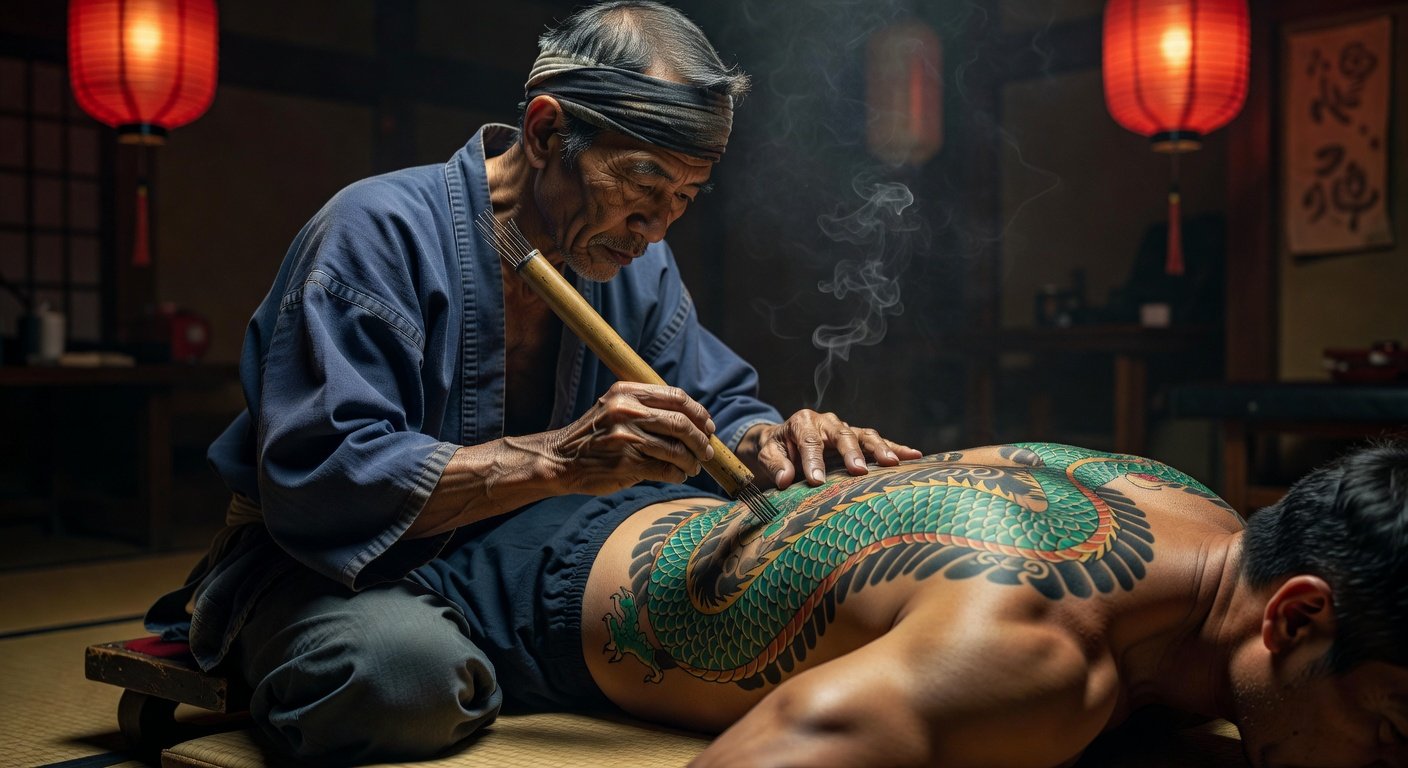
Tebori, meaning 'hand carving' in Japanese, involves using bamboo or metal rods tipped with needles dipped in ink, tapped into the skin with rhythmic precision. Unlike modern machine tattoos, tebori produces bold lines and subtle shading that age gracefully over decades. As social media amplifies stories of intricate dragon sleeves and koi fish motifs done the old way, demand surges among those craving tattoos that tell a story beyond trends.
This comprehensive guide uncovers the history, tools, cultural weight, and practicalities of tebori irezumi. Whether you're a newbie eyeing your first traditional piece or a seasoned collector, you'll gain insights to navigate this resurgence confidently.
The Rich History of Tebori and Irezumi
Irezumi, the Japanese word for tattooing, traces back over 2,000 years, but tebori as we know it solidified during the Edo period (1603-1868). Criminals marked with tattoos for identification evolved into full-body suits among firefighters (firemen known as horimono) and yakuza members, who adorned themselves with elaborate myths-inspired designs symbolizing strength and loyalty.
Tebori gained prominence in the 18th century, refined by masters like Utagawa Kunimasa. The technique allowed for intricate sumi ink work, creating raised, textured lines called kesho-bori. Post-WWII, Western stigma led to bans, but underground artists preserved the craft. Today, globalization and media like anime and films have sparked global interest.
For deeper historical context, explore the origins on Wikipedia's Irezumi page.
Tools and Techniques of Tebori Tattooing
At the heart of tebori are simple yet masterful tools. The tebori stick, often bamboo for flexibility, holds 1-14 needles grouped for lines, shading, or color packing. Needles are forged from surgical steel, sterilized meticulously. Ink, traditionally sumi (carbon black from pine soot), provides deep, fade-resistant pigmentation.
The process: The artist grips the stick like a chisel, dipping needles in ink, then taps rhythmically with a mallet or by hand. Sessions last 1-8 hours, building designs in sections. Precision demands years of apprenticeship—often 10+ under a shisho (master).
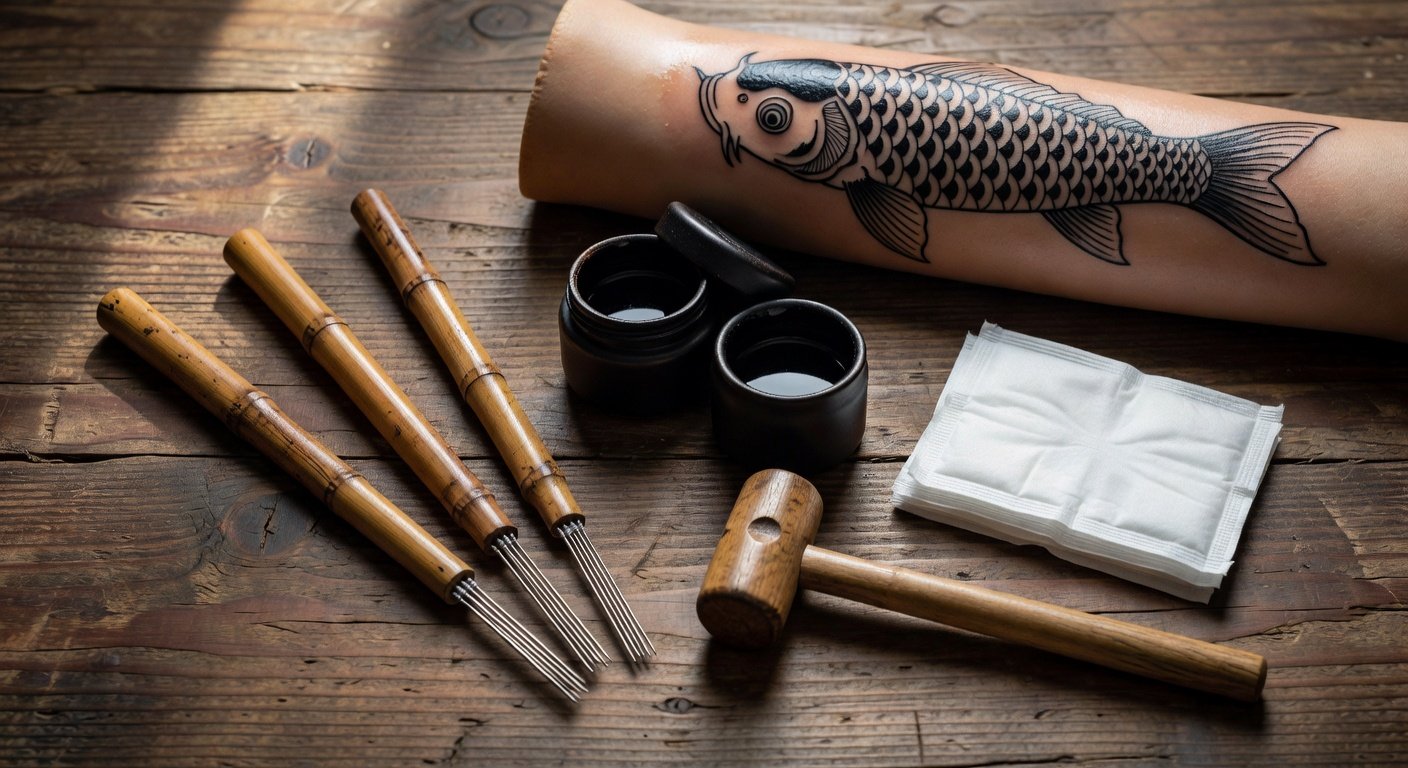
Key tools include:
- Bamboo handle (machi): Lightweight, ergonomic for endurance.
- Needle groups (kigu): Single for outlines, clustered for fills.
- Mallet (boo): Small hammer for controlled taps.
- Sumi ink: Natural, non-toxic for skin compatibility.
Cultural Significance of Irezumi Tattoos
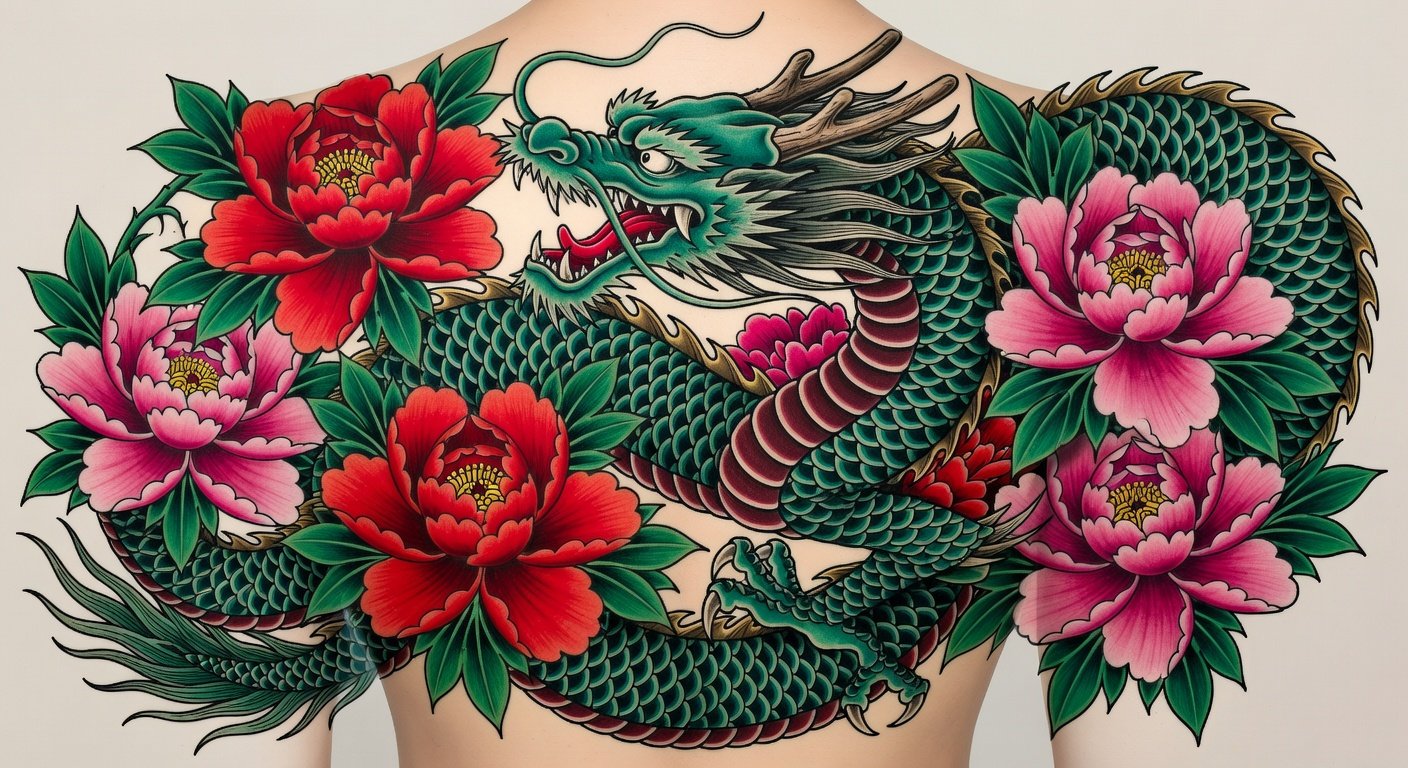
Irezumi transcends decoration; it's a narrative etched in skin. Motifs draw from folklore: dragons ward evil, koi symbolize perseverance, cherry blossoms ephemerality. Full suits (horimono) cover torsos, arms, and legs, leaving space for movement—a yakuza hallmark.
In Japan, irezumi carries duality: reverence in art, taboo in society due to gangster links. Yet, festivals like Sanja Matsuri showcase irezumi openly. Globally, it's reclaimed as cultural heritage, with artists blending tradition and personal symbolism. For authoritative insights, visit Wikipedia's Tebori entry.
Tebori vs. Machine Tattooing: Key Differences
Why choose tebori over coils or rotaries? Here's a breakdown:
| Aspect | Tebori (Hand-Poke) | Machine |
|---|---|---|
| Line Quality | Bold, raised, textured; ages vibrantly | Smooth, flat; fades faster |
| Pain Level | Intense, rhythmic; meditative | Buzzing vibration; numbs quicker |
| Healing & Longevity | Slower heal, superior retention | Faster sessions, more touch-ups |
| Customization | Highly adaptive to skin/body | Standardized speeds/limits |
| Cost & Time | Premium ($200+/hr), multi-session | Affordable ($100/hr), quicker |
Tebori shines for large-scale irezumi, where machine vibrations disrupt shading. A 2026 survey by Tattoo Life magazine noted 40% of enthusiasts prefer hand-poke for authenticity.
The 2026 Surge in Tebori Popularity
What ignited 2026's boom? Post-pandemic soul-searching, TikTok virals of sessions, and celebrity endorsements—like actor Ryuichi Sakamoto's posthumous influence via irezumi tributes. Studios in Tokyo, LA, and London report 300% booking spikes. Sustainability appeals too: no electricity, minimal waste.
Trends include minimalist tebori (small motifs) and hybrid styles fusing irezumi with neo-traditional. Events like Tokyo Tattoo Expo 2026 feature tebori demos, drawing 50,000+.
Beginner Tips: Finding a Skilled Tebori Artist
Securing a reputable artist is crucial—bad tebori scars permanently. Follow these steps:
- Research Credentials: Seek Horiyoshi lineage or Japan Tattoo Association members. Check portfolios for full suits.
- Visit Studios: Prioritize hygienic spaces; avoid tourists traps.
- Consultations: Discuss design scale; start small (e.g., 2x2 inch koi).
- Reviews & Referrals: Forums like Reddit's r/irezumi or artist IG.
- Budget Realistically: $1,000+ for starters; save for quality.
Top spots: Horitomo in Tokyo, Mick from Horisumi in the US.
Aftercare for Tebori Tattoos: Essential Guide
Tebori's trauma demands diligent care:
- Days 1-3: Wrap loosely, wash gently with unscented soap, apply thin rice paper or second-skin film.
- Weeks 1-2: Moisturize with non-petroleum balm (e.g., Hustle Butter); avoid sun/swimming.
- Months 1-3: UV protectant; no picking scabs.
- Long-Term: Annual touch-ups rare; sumi endures.
Watch for infection: redness beyond 48hrs signals issues—consult pros.
Common Mistakes to Avoid with Tebori
- Choosing unvetted artists: Leads to blowouts.
- Ignoring pain management: Breathe deeply, stay hydrated.
- Poor aftercare: Ruins healing.
- Rushing large pieces: Build gradually.
Conclusion: Embrace the Tebori Revival
As 2026 cements tebori irezumi's comeback, it reminds us tattoos are living art. From Edo shadows to global stages, this hand-poked tradition offers unmatched depth. Ready to ink your legacy? Research, respect the craft, and dive in—the results endure a lifetime.

No comments yet. Be the first!