 Inked Mythos
Introduction to Irezumi Symbolism
Irezumi, the traditional Japanese art of tattooing, carries deep cultural meanings that have evolved over centuries. In 2026, this form of body art continues to resonate globally as individuals seek designs that blend historical iconography with modern interpretations. Motifs such as tigers, koi fish, deities, and yokai serve as powerful symbols of strength, perseverance, and spiritual protection, reflecting values that transcend time and borders.
This article explores the core symbolic language of irezumi, contrasting its historical roots with contemporary adaptations. Drawing from practitioner perspectives and practical guidance, it provides a comprehensive resource for understanding and selecting these meaningful tattoos. Readers will find detailed explanations of individual motifs, real-world examples of how they combine in larger compositions, and actionable advice for anyone considering an irezumi-inspired piece.
The Historical Roots of Irezumi
Irezumi originated in Japan during the Edo period, initially used for marking criminals but later embraced by the working class and yakuza as expressions of identity and resilience. Traditional irezumi covers large areas of the body, often the back, arms, or chest, using bold lines and vibrant colors derived from natural pigments. The practice was influenced by ukiyo-e woodblock prints, embedding narratives of mythology and nature into the skin. Over generations, the art form absorbed influences from Buddhist iconography and Shinto beliefs, turning the body into a living canvas that told stories of struggle, honor, and supernatural forces.
By the Meiji era, irezumi faced legal restrictions yet persisted underground. Today, it stands as a respected cultural export. For authoritative context on Japanese cultural heritage, refer to resources from The Metropolitan Museum of Art, which highlights the artistic traditions informing these tattoos.
Core Motifs and Their Symbolism
Understanding the symbolic language requires examining key elements in depth. Each motif carries layered meanings that can shift depending on pose, color, and surrounding elements.
The Tiger: Embodying Strength and Protection
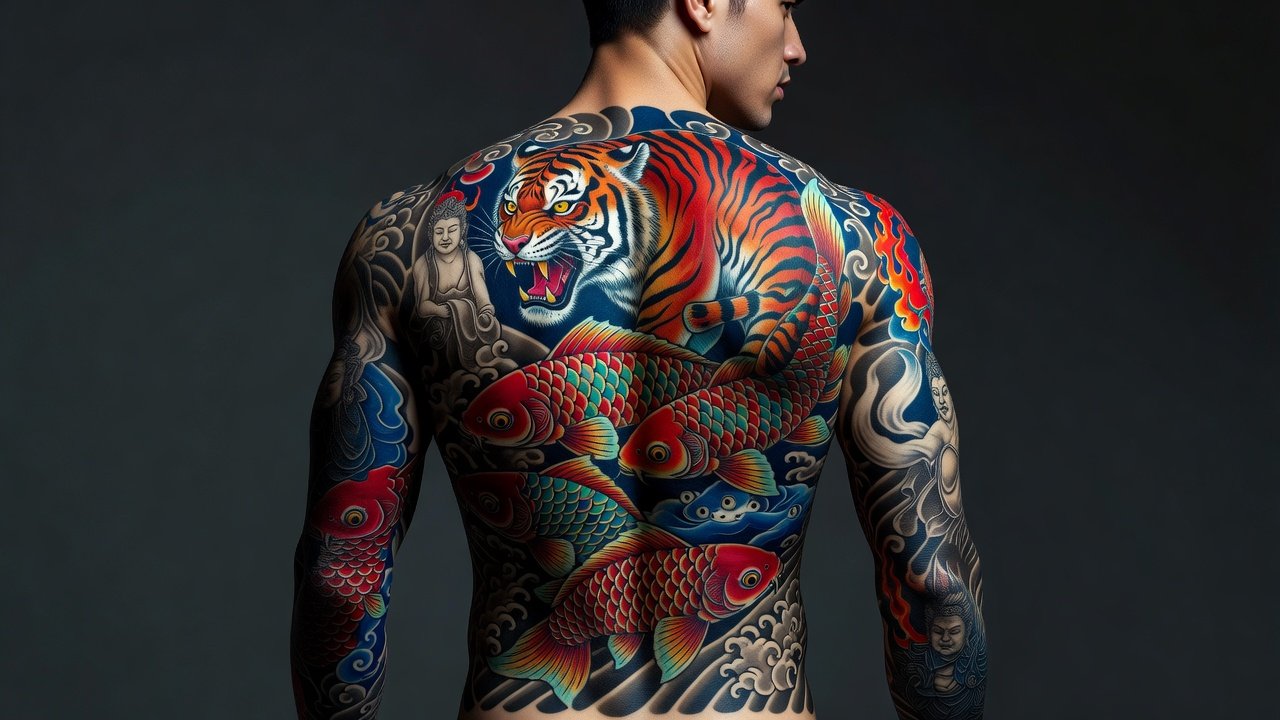
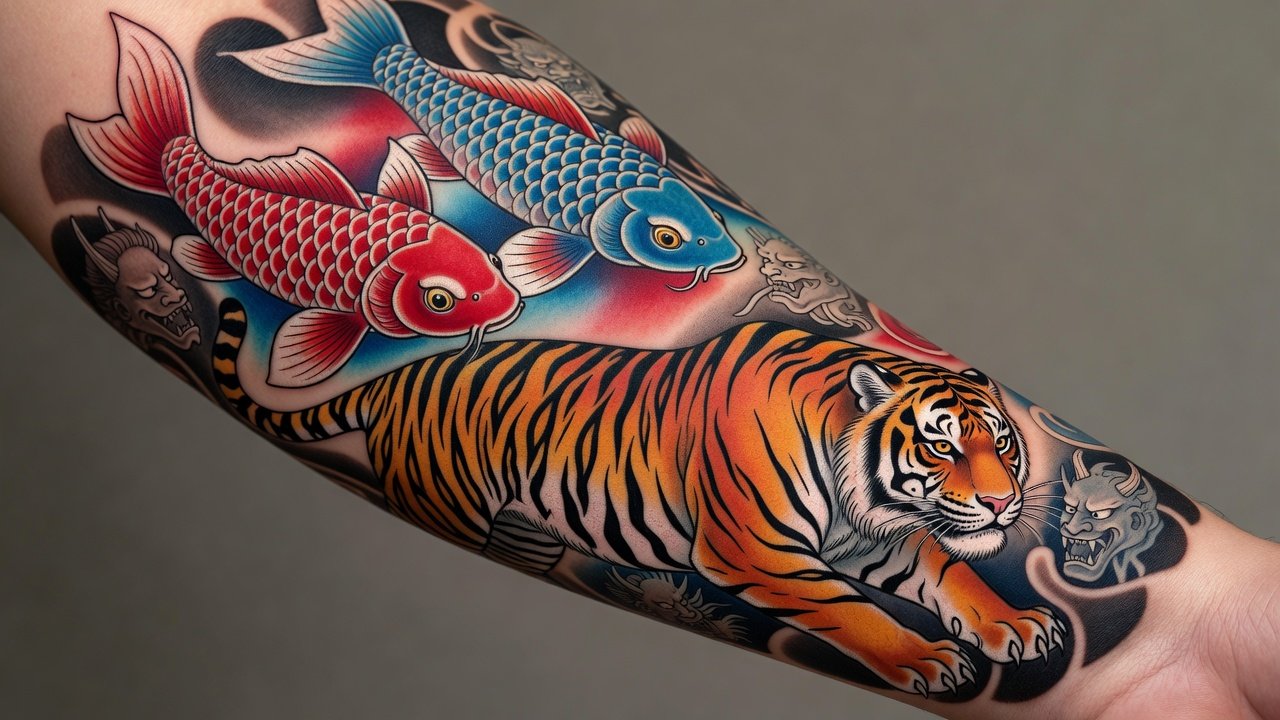
Tigers represent strength, courage, and protection from harm, often depicted in dynamic poses to convey power. In traditional irezumi, a tiger might be shown roaring amid bamboo or rocks, symbolizing the ability to overcome obstacles. Contemporary 2026 versions sometimes soften the expression or add geometric accents while preserving the core message of guardianship. An example is pairing a tiger with storm clouds to represent inner turmoil conquered through resilience.
The Koi Fish: Perseverance and Transformation
Koi fish symbolize perseverance and transformation, drawing from the legend of koi swimming upstream to become dragons. A single koi ascending a waterfall tells a story of determination, while multiple koi in different colors can represent family members supporting one another. In global adaptations, artists often render koi with more realistic scales or integrate them into flowing water patterns that follow the body’s natural curves.
Deities and Spiritual Guardians
Deities like Fudo Myoo embody spiritual guardianship and justice. These figures are typically shown seated on rocks with flames or holding swords, offering protection against negative influences. Clients in 2026 frequently request subtle versions on the upper arm or shoulder blade so the deity remains private yet powerful.
Yokai and Supernatural Protection
Yokai—supernatural creatures—offer layers of mystery and warding off misfortune. From the shape-shifting kitsune to the mischievous kappa, these beings add narrative depth. When combined with other motifs, yokai can represent the unseen challenges one faces in life.
These motifs interact in full-body suits or sleeves to tell cohesive stories. For example, a tiger battling waves alongside koi illustrates the balance of ferocity and endurance.
Comparing Historical and 2026 Interpretations
Historically, irezumi was tied to Japanese societal roles and taboos. Today in 2026, global adaptations often simplify designs for smaller placements while retaining symbolic depth. Western artists incorporate minimalist lines or fusion styles, making irezumi accessible beyond Japan. This evolution preserves core meanings but adapts them for diverse skin tones and lifestyles, emphasizing personal empowerment over strict tradition. Many clients now request hybrid pieces that merge irezumi elements with other cultural symbols, creating unique personal talismans.
Insights from Practitioners
Interviews with contemporary irezumi artists reveal ongoing respect for tradition amid innovation. One Tokyo-based master notes that clients increasingly request hybrid designs blending yokai with personal elements, such as incorporating family crests. A New York practitioner highlights how color selection now considers skin undertones for longevity, using deeper blacks and jewel tones popular in 2026 trends. A London artist emphasizes the importance of multiple consultation sessions to ensure the client fully understands the cultural weight of each motif. These perspectives underscore the balance between authenticity and customization that defines modern irezumi practice.
Practical Advice for Placement and Color Selection
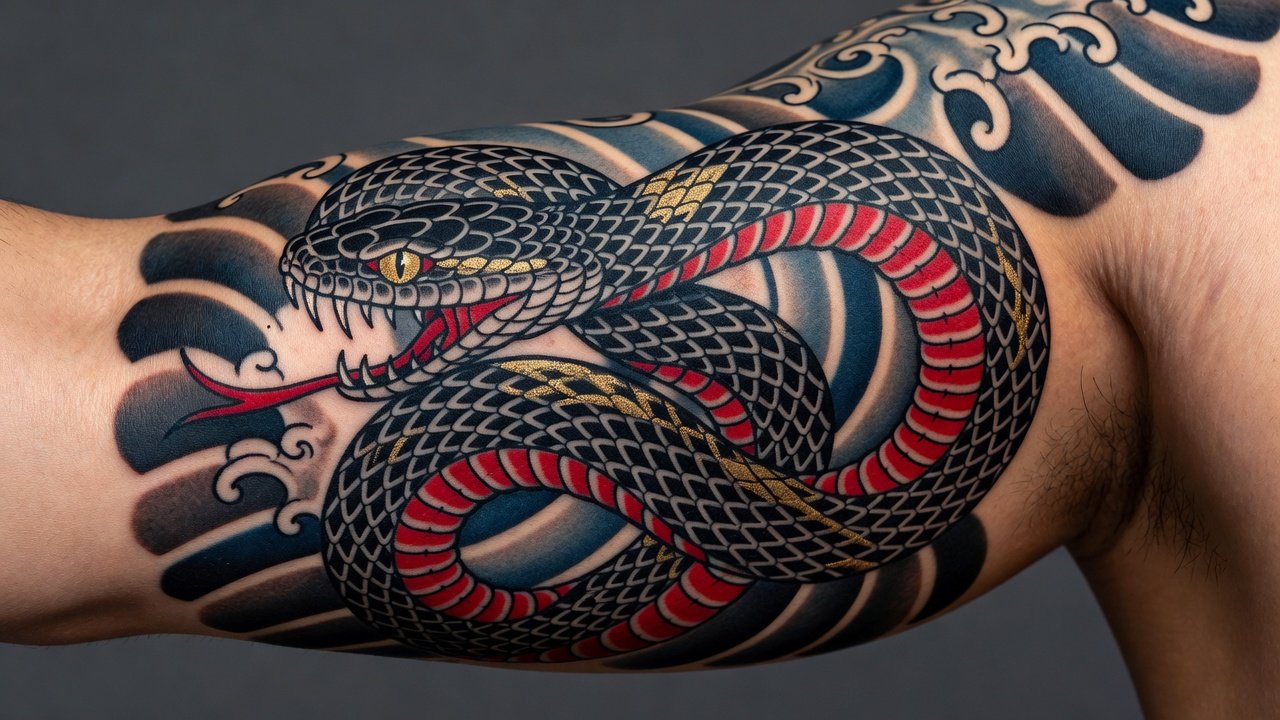
Choosing the right placement enhances both symbolism and visibility. Back pieces allow expansive narratives, ideal for full tiger and deity scenes. Arms and sleeves suit flowing koi or yokai motifs that wrap naturally with body movement. Consider pain tolerance and lifestyle—chest placements offer privacy, while forearms provide daily reminders of perseverance.
Color selection plays a crucial role in conveying intent. Traditional palettes use reds for vitality, blues for calm protection, and golds for spiritual elevation. In 2026, artists recommend consulting on UV-resistant inks for outdoor lifestyles. Always research licensed studios experienced in irezumi to ensure cultural sensitivity and technical skill.
- Research artist portfolios for authentic line work and shading.
- Discuss personal symbolism to align motifs with your values.
- Plan sessions in stages for large pieces to allow healing.
- Explore aftercare tailored to vibrant colors for lasting impact.
- Review healing timelines and touch-up policies before committing.
Mistakes to Avoid When Commissioning Irezumi
Common pitfalls include choosing motifs without understanding their full meaning, opting for placements that clash with body movement, or selecting artists unfamiliar with traditional techniques. Another frequent error is rushing the design process without multiple revisions. Prospective clients should also consider long-term visibility in professional settings and how the tattoo will age with skin changes over decades.
Conclusion
Irezumi symbolism remains a vibrant bridge between ancient Japanese culture and modern self-expression in 2026. By understanding motifs like tigers for strength and koi for perseverance, enthusiasts can create tattoos that offer spiritual protection and personal meaning. Whether embracing historical purity or global adaptations, thoughtful placement and color choices ensure these designs endure as cultural statements. For further exploration of Japanese arts, visit Britannica and The Metropolitan Museum of Art.
No comments yet. Be the first!