 Inked Mythos
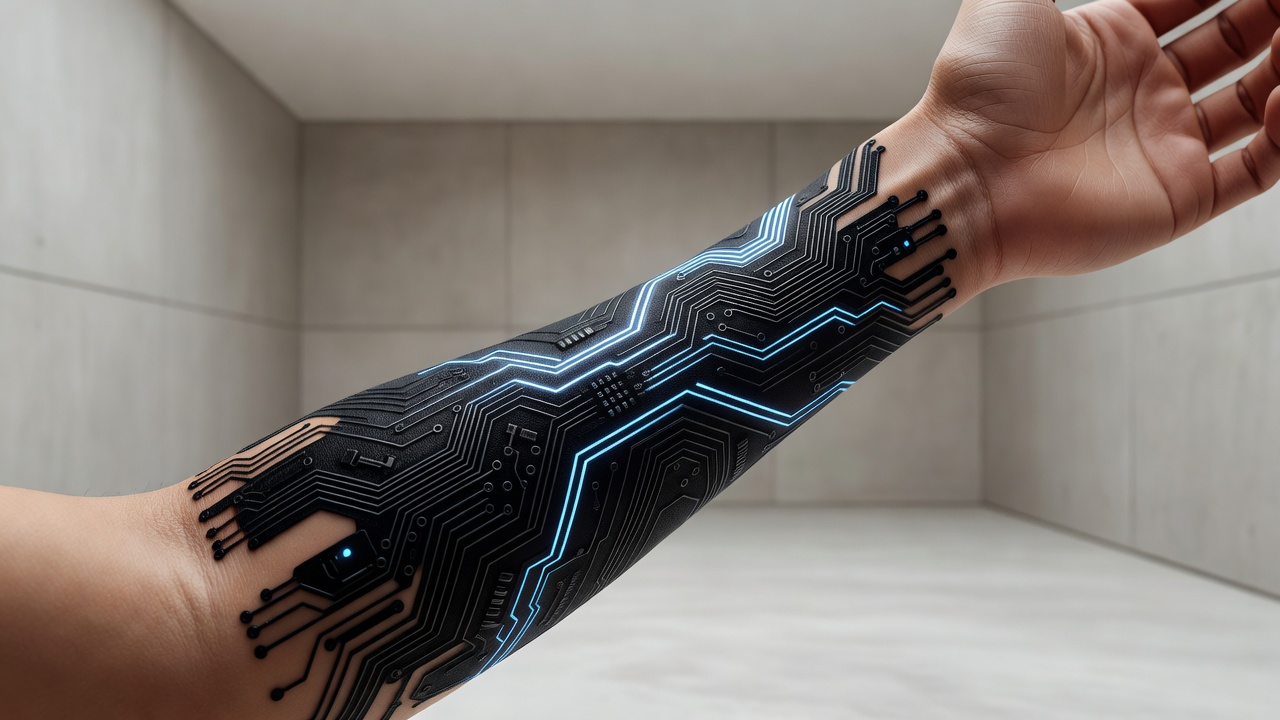
Introduction to Tech-Inspired Tattoo Symbols
In 2026, tattoos are evolving beyond traditional motifs to embrace technology and innovation. Tech-inspired designs such as circuits, pixels, binary code, and QR motifs symbolize connectivity, progress, and personal identity in a digital age. This guide helps beginners understand these symbols and create meaningful body art that reflects modern life. Digital tattoos offer a fresh perspective on self-expression, blending futuristic elements with deeply personal narratives. Whether you're drawn to minimalist pixel art or intricate circuit patterns, these designs capture the essence of our interconnected world. Search trends show growing interest in forward-looking body art that celebrates innovation rather than purely historical themes.
Core Digital Symbols and Their Meanings
Technology-based tattoos draw from everyday digital elements to convey powerful ideas. Circuits often represent life's pathways and energy flow, while pixels symbolize the building blocks of reality in a digital era. Binary code tattoos speak to the foundation of computing and hidden truths, and QR motifs highlight instant connectivity and shared experiences. These symbols allow wearers to celebrate innovation. A circuit tattoo might mark a career in engineering, whereas binary elements could honor a love for coding or data privacy. For instance, a sequence of 0s and 1s can encode a personal mantra or birthdate, turning abstract data into a private story visible only to those who understand the code. Pixel art frequently depicts video game references or low-resolution portraits that evoke nostalgia for early digital culture. QR code tattoos have gained popularity as interactive pieces; when scanned, they might link to a digital portfolio, memorial page, or even a favorite song. The versatility of these motifs makes them ideal for both subtle placements and large-scale compositions that span entire limbs.
Digital vs Traditional Tattoo Symbols: Key Comparisons
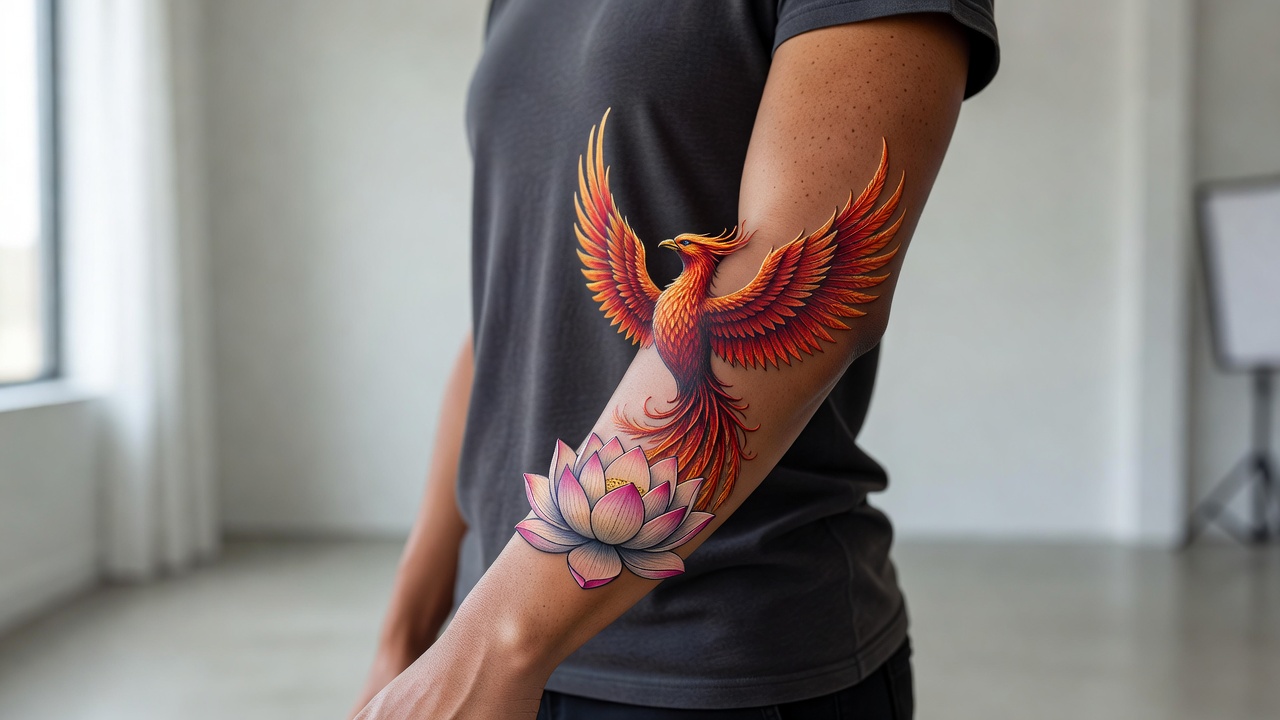
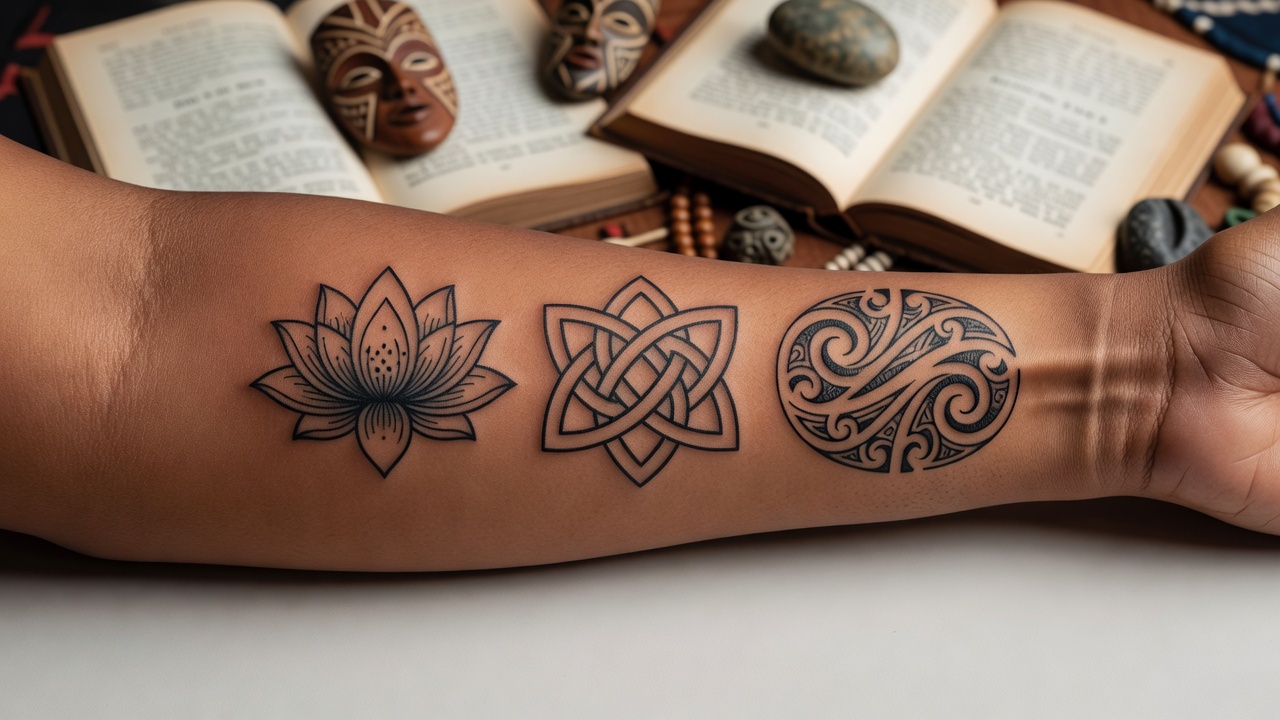
Traditional tattoos like anchors or roses carry historical and cultural weight tied to nature or heritage. In contrast, digital symbols emphasize forward momentum and human ingenuity. Traditional designs tend to be organic and timeless, while tech motifs feel sleek, geometric, and adaptable to contemporary lifestyles. Many people now blend both worlds, creating hybrid tattoos that merge ancient wisdom with modern tech. This fusion creates unique pieces that honor the past while looking toward the future. For example, a traditional lotus flower might incorporate circuit veins to represent spiritual growth through technology. The choice often comes down to personal philosophy: those seeking permanence and roots may prefer classic imagery, while individuals focused on progress and adaptability gravitate toward digital themes. Understanding these differences helps clients articulate their vision clearly during consultations.
Practical Steps for Blending Tech Elements with Personal Stories
Creating a meaningful tech tattoo starts with reflection. First, identify core values like innovation or connection that resonate with your experiences. Next, sketch initial ideas incorporating personal data, such as a favorite algorithm or meaningful coordinates rendered in pixel form. Consult a specialized artist early. Share references from digital art and discuss how to integrate symbols like binary sequences spelling out names or dates. Test placements on skin using temporary transfers to visualize flow and scale. Consider how the design interacts with body movement and future lifestyle changes. Finally, consider longevity by choosing bold lines that age well and avoid overly fine details that may blur over time. Work iteratively: begin with a small test tattoo if unsure, then expand into larger work once the concept proves satisfying. Document your process through photos and notes to refine the narrative behind each element.
Artist Case Studies and Design Examples
Renowned tattoo artists are pioneering tech-inspired work. One studio in Berlin creates custom circuit sleeves that map clients' life journeys through interconnected nodes. Another artist in Tokyo specializes in pixel portraits that transform personal photos into retro 8-bit style tributes. These examples show how tech symbols adapt across styles, from minimalist linework to vibrant geometric fills. 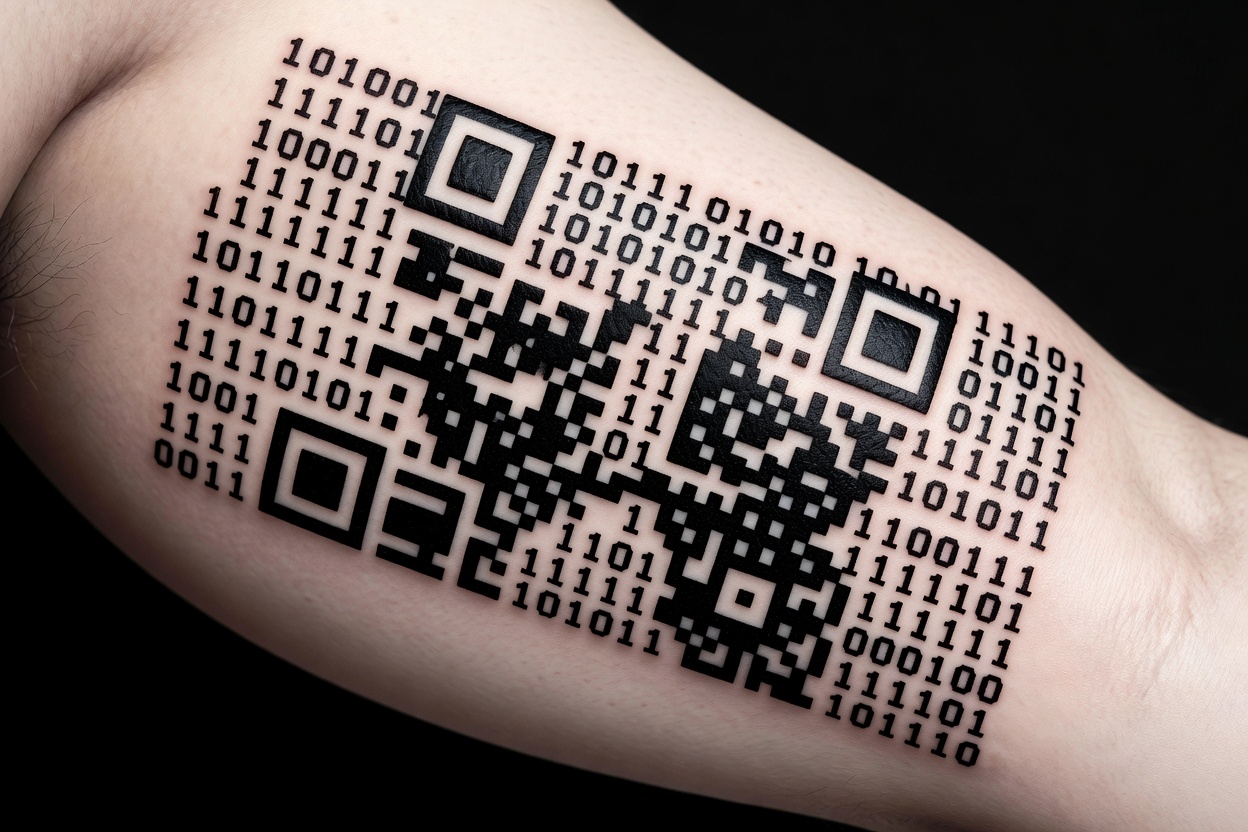
Mistakes to Avoid When Choosing Tech Tattoos
Common pitfalls include selecting overly complex designs that lose clarity with age or failing to research an artist's experience with geometric precision. Another error is ignoring skin type and placement, which can distort fine pixel details. Always verify that the chosen symbols carry no unintended cultural meanings. Rushing the design process without multiple revisions often leads to regret. Instead, allocate time for concept development and seek second opinions from trusted peers.
Aftercare and Long-Term Maintenance
Proper aftercare ensures your digital tattoo remains vibrant. Follow evidence-based recommendations from health authorities such as CDC guidelines on tattoo healing. Moisturize regularly and protect the area from sun exposure. For tech-heavy pieces with fine lines, schedule professional touch-ups as needed. Global health resources like WHO tattoo safety information emphasize hygiene during the healing phase to prevent infection.
FAQ: Placement, Longevity, and Cultural Sensitivity
- Placement: Forearms and ribs suit detailed tech designs, while wrists work for smaller symbols like binary code. Avoid high-movement areas for intricate patterns to preserve line integrity.
- Longevity: Use bold lines and quality ink to maintain clarity. Regular touch-ups every 5-7 years help preserve details in pixel-heavy pieces. Fine elements require more frequent maintenance than traditional bold work.
- Cultural Sensitivity: Research origins of symbols to avoid appropriation. Respect that some motifs hold sacred meaning in various cultures. Discuss any concerns with your artist before finalizing the design.
- Pain and Healing: Tech tattoos often involve repetitive linework that can feel more intense on bony areas. Expect 2-4 weeks for initial healing depending on size.
Always prioritize aftercare by following guidelines from health authorities to prevent complications and ensure the artwork ages gracefully.
Conclusion
Tech-inspired tattoos represent a bold evolution in body art, merging symbolism of progress with personal meaning. By understanding these digital motifs and following thoughtful design processes, you can create enduring pieces that celebrate innovation. Explore this trend responsibly to craft tattoos that truly resonate in our connected world. Whether you opt for subtle binary accents or expansive circuit landscapes, the key lies in intentional storytelling that bridges technology and self-expression.
No comments yet. Be the first!