 Inked Mythos
Introduction to Respectful Tattoo Symbolism
Choosing a tattoo is a deeply personal decision, but in 2026 it also carries significant responsibility toward cultural origins. This guide helps you navigate ethical approaches to selecting symbols that honor their histories while expressing your own story. Informed decision-making prevents unintended harm and creates tattoos that feel authentic and respectful. As tattoo culture continues to globalize, understanding the line between appreciation and appropriation becomes essential for anyone seeking meaningful body art. The process involves more than aesthetics; it requires education, humility, and ongoing dialogue with the communities that originated the symbols you admire.
Understanding Cultural Appropriation in Tattoos
Cultural appropriation occurs when symbols from marginalized groups are adopted without understanding or permission, often stripping them of meaning. Tattoos amplify this because they are permanent. Many sacred designs, such as certain Maori ta moko or Native American motifs, carry spiritual weight that casual use can trivialize. Respect begins with recognizing power dynamics and historical contexts that shape these symbols today. In recent years, high-profile cases of celebrities and brands facing backlash for using Indigenous patterns without context have highlighted the need for greater awareness. Permanent ink makes these choices irreversible, so approaching the decision with care protects both the wearer and the cultural source.
Researching Symbol Histories Thoroughly
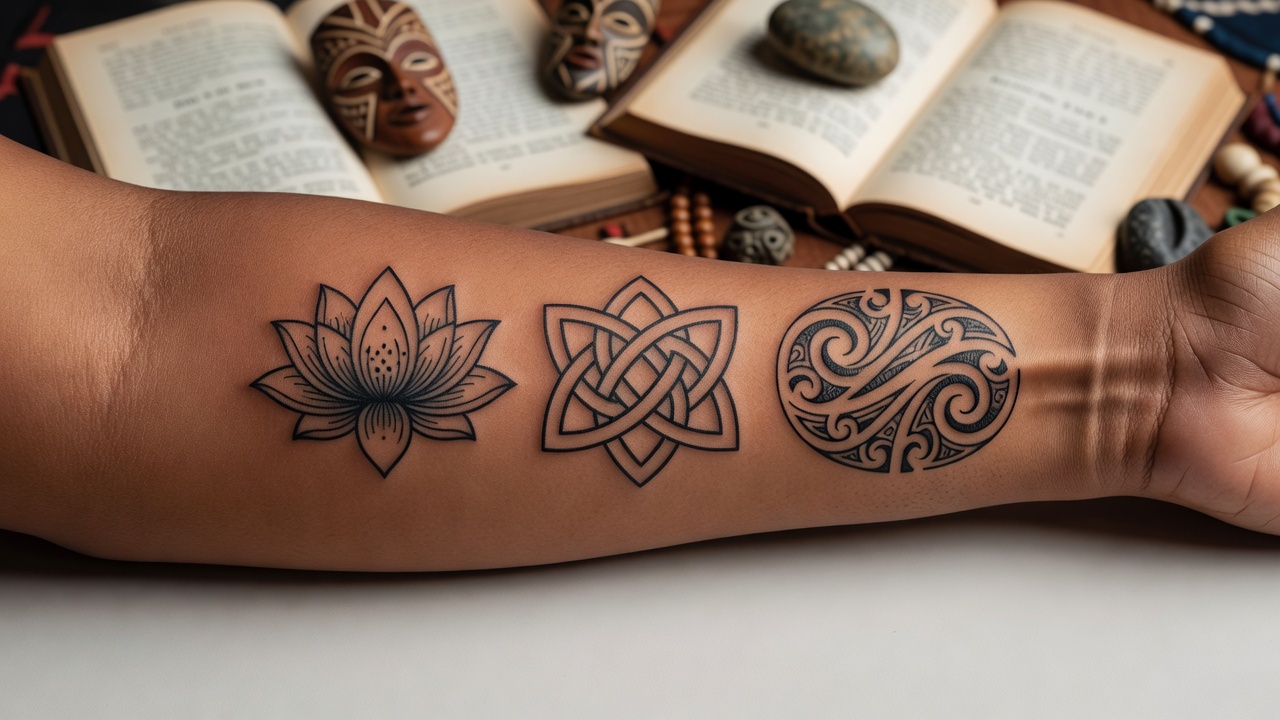
Start by tracing a symbol’s roots through credible sources. Visit museum archives and scholarly databases to learn original meanings, evolution, and current community views. For instance, the lotus flower holds different significance across Buddhism, Hinduism, and ancient Egyptian traditions. Cross-reference multiple references to avoid surface-level interpretations that miss nuance. This step alone transforms a generic design into one grounded in awareness. Explore resources from institutions dedicated to preserving global heritage, such as UNESCO, which documents intangible cultural heritage, or the extensive collections at Smithsonian that provide historical context for motifs from around the world. Dedicate several weeks to this phase rather than rushing into a studio consultation.
Consulting Community Sources Directly
Books and websites provide foundations, but lived experience offers irreplaceable insight. Reach out respectfully to cultural organizations, elders, or artists from the originating community. Many groups maintain official channels for guidance on appropriate use. Listen more than you speak, and be prepared to adjust or abandon a design if concerns arise. Authentic consultation builds relationships rather than extracting aesthetics. Prepare questions in advance, express genuine interest in learning rather than obtaining permission, and follow up with thanks or offers to support community initiatives. Some organizations now offer formal review processes for non-members seeking to use traditional designs in personal art forms like tattoos.
Balancing Personal Meaning with Global Contexts
Your tattoo should reflect your values without overshadowing collective heritage. Consider how your identity intersects with the symbol’s story. A personal milestone rendered in a culturally specific style may require adaptation or collaboration with an artist who understands both sides. The goal is harmony: your narrative enhances rather than erases the original significance. In 2026, many clients are choosing to incorporate subtle personal elements into traditional frameworks, such as adding birth dates in a culturally appropriate script or blending family crests with respectful geometric patterns. This balanced approach allows self-expression while maintaining integrity.
Respectful Versus Problematic Designs: Real-World Examples
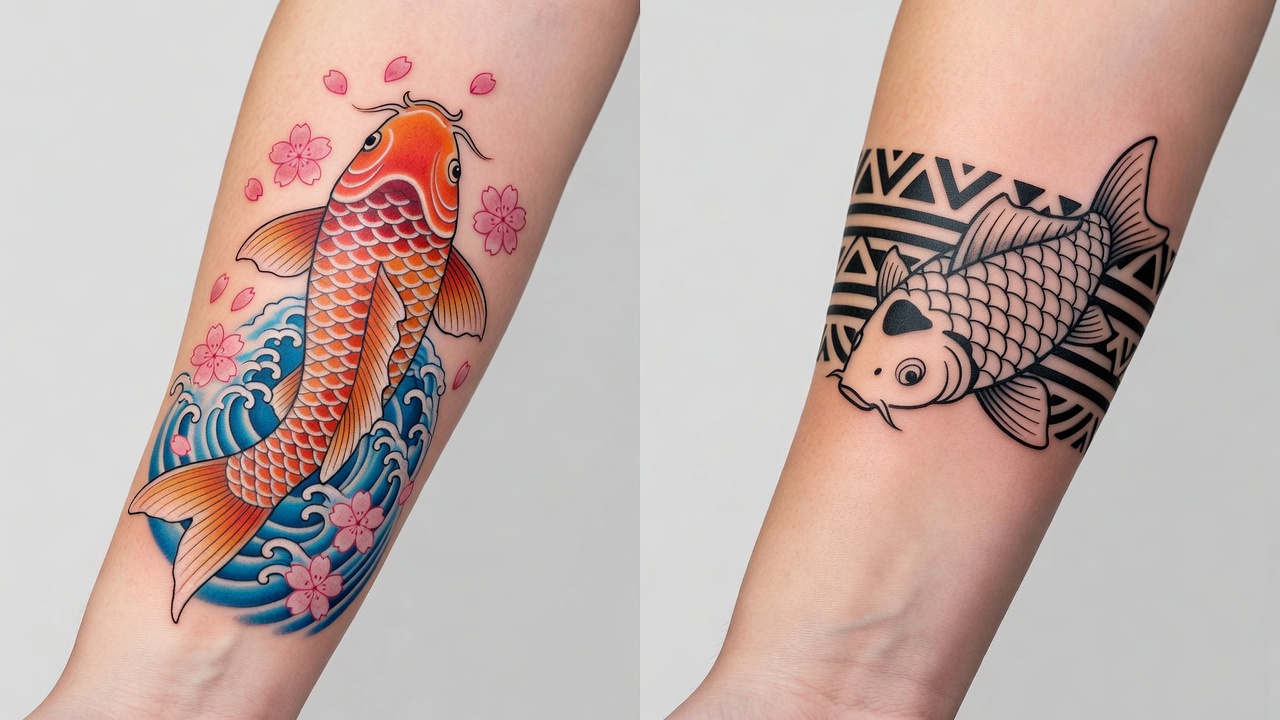
Compare approaches through concrete cases. A respectful design might involve a Japanese artist creating a custom koi fish that incorporates your personal journey while respecting traditional composition rules. In contrast, a problematic example includes non-Indigenous people wearing sacred Navajo or Hopi patterns without tribal input, often seen in commercial flash sheets. Another case study: Celtic knots used thoughtfully by someone with Irish ancestry versus generic tribal bands popularized in the 1990s that blend unrelated Polynesian and African elements. These distinctions highlight the importance of specificity and permission. Additional examples include the proper use of Hamsa hands within Jewish or Middle Eastern contexts versus their commercialization as generic “evil eye” designs detached from religious meaning. Learning from both positive and negative cases helps clients make informed choices before the needle touches skin.
Common Mistakes to Avoid When Selecting Symbols
Many well-intentioned individuals still fall into avoidable traps. One frequent error is relying solely on Pinterest or social media for inspiration without verifying origins. Another is assuming that because a symbol appears in popular media it is free for personal use. Clients sometimes overlook regional variations within a single culture, leading to inaccurate representations. Finally, ignoring placement guidelines—such as sacred symbols belonging only on certain body parts—can cause offense. Avoiding these pitfalls requires slowing down the decision process and treating research as seriously as the tattoo appointment itself.
- Research the symbol’s living practitioners before booking an appointment.
- Choose artists from or trained within the relevant culture when possible.
- Document your research process to discuss openly with your tattooist.
- Be willing to modify or select an alternative if red flags appear.
- Review the final design with community input if the symbol is particularly sensitive.
Practical Steps for Clients Seeking Ethical Tattoos
Follow this sequence for informed choices: first, list three symbols and their proposed meanings. Second, dedicate time to independent study using museum collections and academic papers. Third, contact at least one community representative for feedback. Fourth, share findings with your chosen artist and request culturally accurate rendering. Fifth, schedule the session only after confirming mutual respect. This methodical approach reduces regret and fosters positive outcomes. Consider keeping a research journal throughout the process to track sources and reflections, which can also serve as a reference for future tattoos.
Guidance for Tattoo Artists on Cultural Sensitivity
Artists hold particular influence in these conversations. Maintain a policy of declining designs that feel appropriative, even if lucrative. Study diverse traditions through workshops and direct mentorship. Educate clients proactively by providing resources during consultations. When collaborating across cultures, credit sources and compensate knowledge keepers appropriately. Building this reputation attracts clients who value integrity over trends. Many studios now display statements of cultural respect in their waiting areas and require artists to complete ongoing education modules on global tattoo histories.
Frequently Asked Questions
Can I get a tattoo of a symbol from a culture I admire but am not part of?
Yes, provided you invest in genuine research and obtain community perspectives. Admiration alone is insufficient without context and consent.
What if my ancestry is mixed or unclear?
Focus on symbols that resonate with documented family history or universal human themes. Avoid claiming specific tribal affiliations without verifiable lineage.
How do I handle pushback from friends who say “it’s just art”?
Explain that tattoos are permanent cultural statements. Share examples of how respectful practices strengthen rather than limit creative expression.
Are there symbols that are universally safe to use?
Geometric patterns or nature motifs created originally for the tattoo medium tend to carry fewer restrictions, yet even these benefit from thoughtful placement and design.
Conclusion
Respectful tattoo symbolism enriches both wearer and culture when approached with care. By researching histories, consulting communities, and weighing personal meaning against broader contexts, you contribute to a more thoughtful tattoo landscape in 2026 and beyond. Your body art becomes a bridge of understanding rather than a source of division. The effort invested upfront pays dividends in the form of lasting pride and mutual respect.

No comments yet. Be the first!