 Inked Mythos
Introduction to Negative Space in Tattoo Symbolism
Negative space tattoos use the skin's untouched areas as an active design element, turning emptiness into meaningful symbols. This approach aligns with 2026 trends favoring minimalist body art that conveys deep personal stories without heavy ink coverage. Artists and enthusiasts appreciate how these designs invite viewers to see both the inked positive space and the deliberate voids that complete the imagery. In an era where people seek tattoos with lasting personal significance rather than fleeting trends, negative space offers a sophisticated way to embed layers of meaning directly into the body itself.
Unlike dense traditional tattoos, negative space creates optical illusions and layered meanings through contrast and suggestion. The technique draws from principles of balance and perception, making it ideal for those seeking subtle yet profound body art that evolves with the wearer's life experiences. By focusing on what is left unsaid in the design, these tattoos often represent concepts like freedom, balance, or hidden strength in ways that feel more personal and introspective than fully saturated alternatives.
Understanding the Fundamentals of Negative Space Tattoos
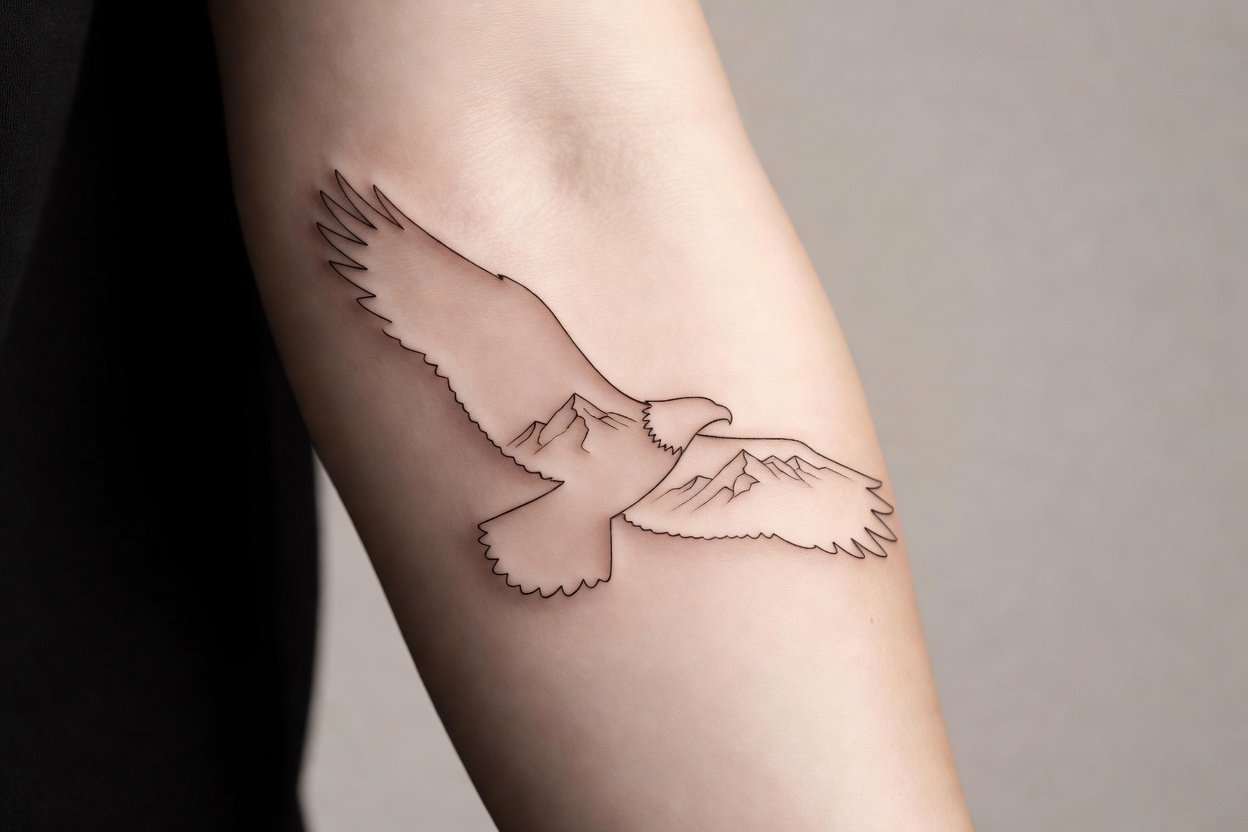
Negative space refers to the unmarked skin that forms shapes or completes images when paired with inked elements. This creates a dual perception where the absence of ink defines the motif as powerfully as the lines themselves. For example, a simple outline of a bird might leave the wing details to the skin itself, implying flight and freedom through emptiness. Psychologically, this engages the viewer's mind in completing the image, fostering a stronger emotional connection to the piece over time.
This method enhances body art symbolism by encouraging interpretation. Viewers engage more deeply because the design relies on contrast and suggestion rather than explicit detail. Fundamentals also include understanding how skin tone, body movement, and lighting affect the visibility of these voids. Beginners should study basic composition rules, such as using negative areas to frame focal points or create symmetry without overcrowding the skin.
Cultural Influences Shaping Negative Space Designs
Negative space techniques draw from diverse traditions around the world. Japanese minimalism often employs empty space to evoke zen-like tranquility and the beauty of imperfection, while Indigenous Australian art uses voids to represent spiritual landscapes and ancestral connections. In Western contexts, these ideas merge with modern graphic design to produce contemporary pieces that feel both timeless and innovative.
For deeper context on cultural tattoo practices, explore resources from the Metropolitan Museum of Art. Similarly, Britannica offers insights into symbolic art forms across history, and the Museum of Modern Art highlights minimalist aesthetics that parallel negative space tattoo trends today.
Optical Illusions and Creative Design Techniques
Negative space excels at optical illusions, such as a tree silhouette where branches emerge from blank areas to form hidden faces or animals. Techniques include strategic line placement, varying line weights, and subtle shading gradients that guide the eye to interpret voids as solid forms. Advanced artists may incorporate negative space to simulate depth, making flat skin appear three-dimensional.
Pairing with positive space elements adds complexity and narrative depth. Inked details outline shapes while skin completes them, resulting in dynamic, evolving visuals as the body moves or ages. Experimenting with scale, repetition, and asymmetry can further enhance the illusionary effect, turning a simple tattoo into an interactive piece of art.
Step-by-Step Examples of Popular Negative Space Motifs
Consider a wolf motif: Start with a bold outline for the body using fine black lines. Leave the interior blank to suggest fur texture through skin contrast. Add subtle positive space accents like eyes or claws for depth and personality. This creates a sense of wild freedom tied to the wearer's inner strength.
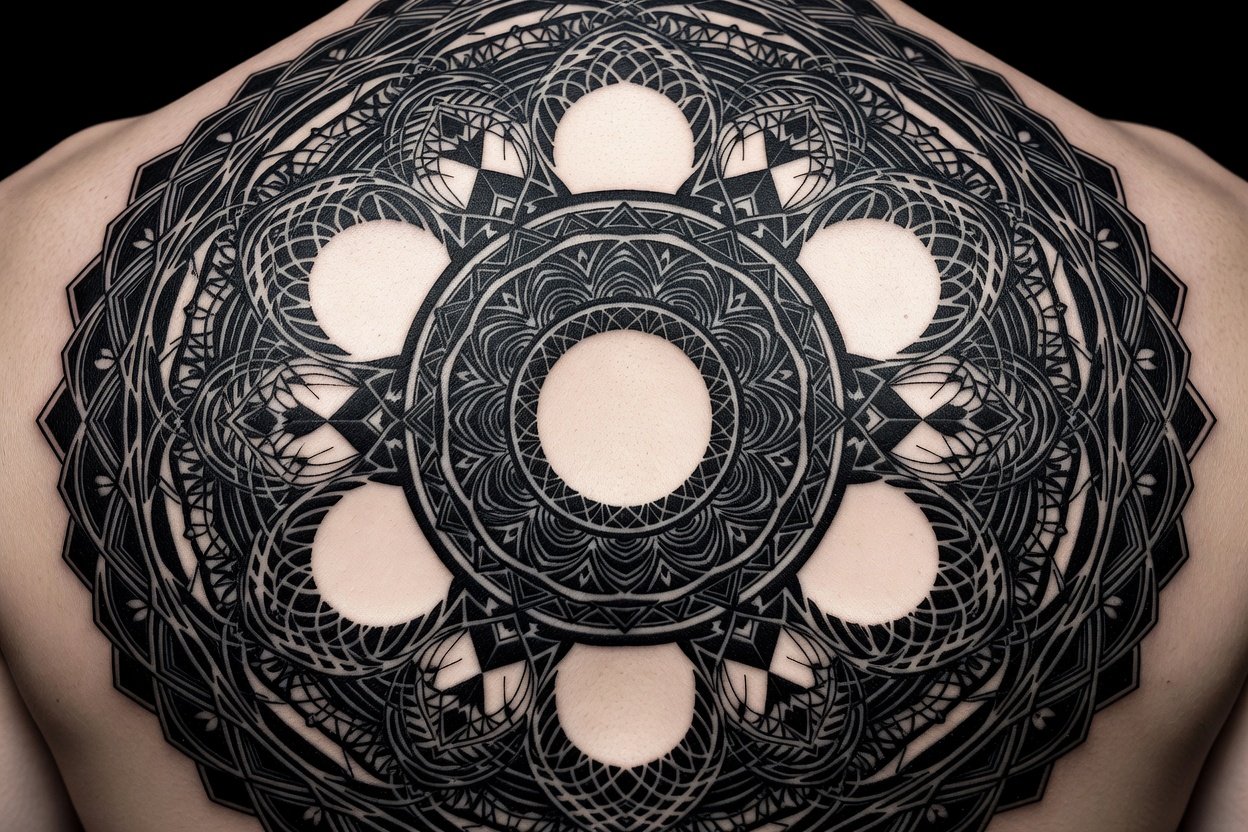
For mandalas, negative space forms the central void representing enlightenment, surrounded by geometric inked patterns. Step one: Sketch concentric circles and radial lines lightly on the skin. Step two: Ink only select segments to let skin define symmetry and balance. Step three: Incorporate personal symbols such as birthdates or initials in positive areas. The result is a meditative design that grows more meaningful with reflection.
Additional motifs include geometric animals like foxes or deer where empty spaces define antlers or tails, and nature elements such as mountains or waves that use skin to imply mist or water flow. Each example requires careful planning to ensure the voids remain proportionate and legible across different body contours.
Comparing Negative Space to Traditional Filled Tattoos
Traditional filled tattoos prioritize dense color and shading for immediate visual impact and bold statements. In contrast, negative space versions offer longevity in appearance, as less ink reduces fading risks and allows natural skin tones to interact with the design over time. Filled tattoos may require more touch-ups, while negative space designs often maintain clarity longer with proper care.
Minimalist approaches suit 2026 preferences for versatile, meaningful pieces that age gracefully and adapt to various body placements. Those who value subtlety and personal interpretation tend to prefer negative space, whereas individuals seeking vibrant, eye-catching statements may lean toward traditional styles. The choice ultimately depends on lifestyle, pain tolerance, and desired longevity of the artwork.
Practical Tips for Collaborating with Tattoo Artists
Begin by researching artists experienced in negative space work through portfolios and client reviews. Share reference images highlighting voids and illusions to convey your vision accurately. Discuss placement early to ensure the design complements body contours, movement, and daily activities.
Communicate symbolism clearly—describe how empty areas represent concepts like freedom, healing, or balance. Request multiple mockups to visualize the final interplay of inked and blank regions. Follow aftercare instructions strictly, including moisturizing and avoiding sun exposure, to preserve crisp edges and prevent blurring. Consider skin type and elasticity, as these factors influence how negative space heals and appears years later.
2026 Trends in Meaningful Minimalist Body Art
Current trends emphasize personal narratives through sparse designs that prioritize intention over quantity. Negative space tattoos fit perfectly, promoting mindfulness and intentionality in body modification. Expect growth in hybrid styles combining negative space with subtle color accents or micro-details for added dimension without overwhelming the skin. Sustainability in ink choices and ethical artist practices also play a larger role in 2026 selections.
Frequently Asked Questions
- How does negative space affect healing? The reduced ink volume often leads to faster healing and lower irritation compared to fully saturated designs, typically completing the initial phase within two weeks.
- Is visibility affected over time? Yes, the contrast relies on skin tone and lifestyle factors, so strategic placement and consistent sun protection help maintain definition for years.
- Can these tattoos be customized? Absolutely—artists tailor voids and positive elements to individual stories, creating unique symbolism that evolves with the wearer.
- What body areas work best? Areas with flatter surfaces and less movement, such as the upper back or forearms, tend to showcase negative space most effectively.
- Are there any common mistakes to avoid? Overcomplicating the design or choosing poor placement can diminish the illusion; always prioritize simplicity and artist expertise.
Conclusion
Negative space tattoo symbols unlock hidden meanings through thoughtful emptiness and deliberate contrast. By embracing these techniques with cultural awareness, optical creativity, and careful collaboration, individuals create timeless, minimalist body art that resonates with 2026's focus on intentional self-expression. Whether exploring animal silhouettes, mandala patterns, or abstract illusions, the result is a deeply personal piece that invites ongoing discovery. Take time to research, plan thoroughly, and work with skilled artists to bring your vision to life in a way that feels authentic and enduring.
No comments yet. Be the first!