 Inked Mythos
Introduction to Literary Tattoo Symbolism
Readers have long found ways to carry favorite stories beyond the page, and in 2026 literary tattoo symbolism remains a powerful trend. These designs transform themes from books into permanent body art that reflects personal identity, emotions, and life chapters. Whether drawn from gothic tales or romantic classics, each symbol carries layers of meaning that resonate deeply with enthusiasts. Book lovers often seek tattoos that capture the essence of narratives they cherish, turning abstract ideas into visual statements that spark conversations and personal reflection. This guide examines popular motifs, practical selection methods, and style options to help you create meaningful ink that stands the test of time.
Literary tattoos differ from generic designs because they root in storytelling traditions. They allow wearers to honor authors, characters, and plots that shaped their worldview. As body art evolves, these symbols blend seamlessly with modern aesthetics while preserving narrative depth. Understanding the symbolism requires exploring both the source material and how it translates to skin.
Popular Literary Motifs and Their Meanings
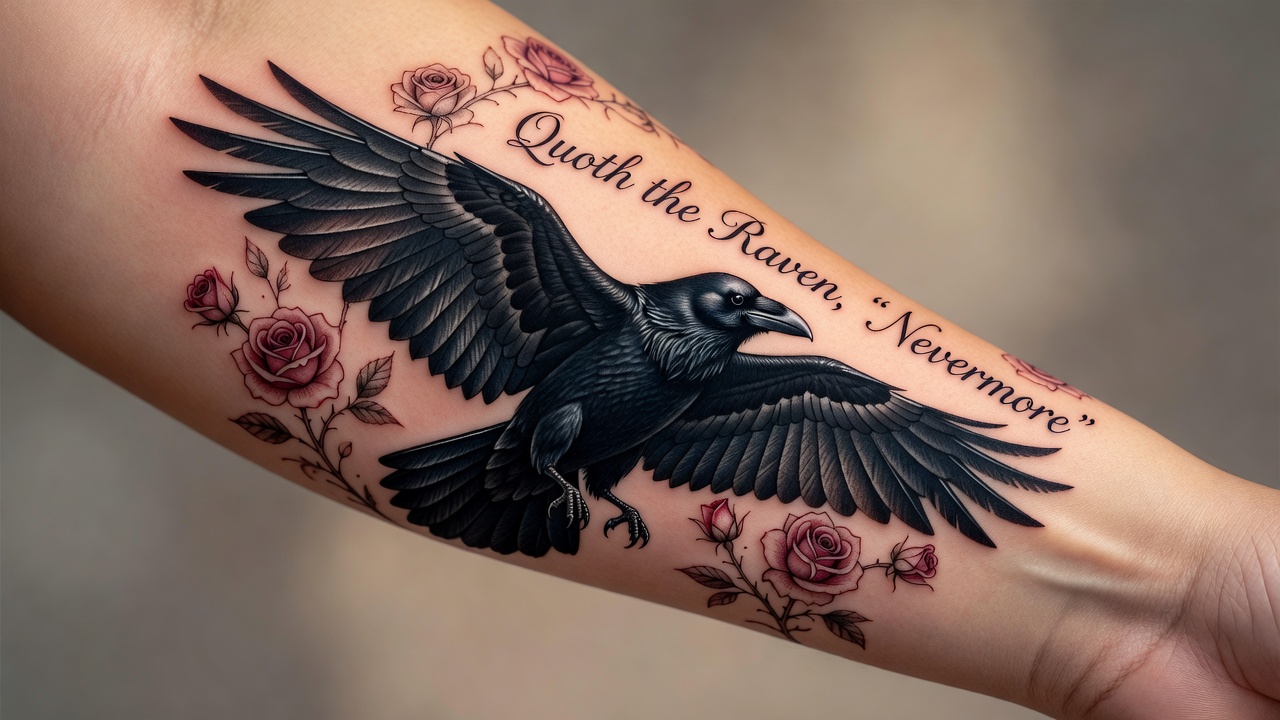
Edgar Allan Poe's raven stands as one of the most recognized symbols in literary tattoos. It represents loss, mystery, and the supernatural, drawn from the poem's haunting refrain that echoes themes of grief and eternal memory. Roses from classic novels like those in Victorian literature symbolize love, secrecy, or fleeting beauty, often appearing in designs inspired by authors such as the Brontës. These motifs appear frequently because they evoke strong emotional responses without needing lengthy explanations.
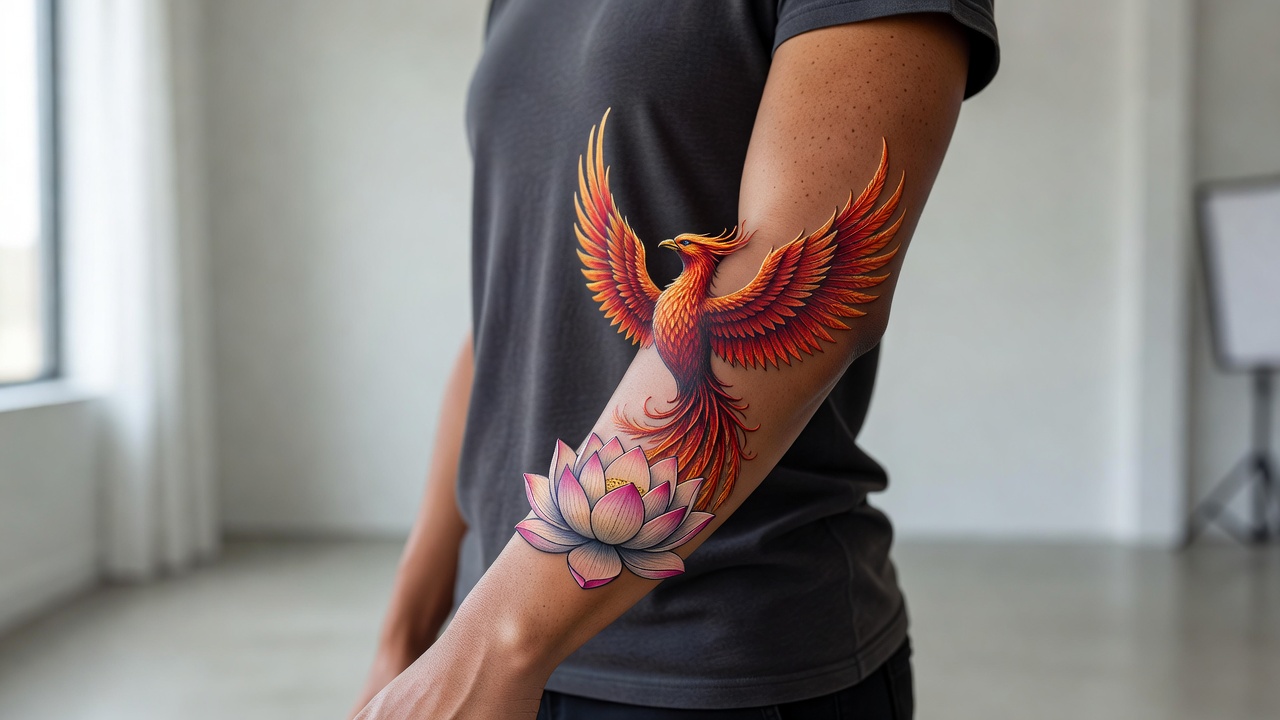
Other motifs include the white whale from Moby-Dick for obsession and the sea, or the green light from The Great Gatsby signifying unattainable dreams. Shakespearean elements like skulls from Hamlet convey mortality and introspection. Fantasy icons such as the sorting hat or phoenix from modern series add layers of transformation and destiny. These icons allow wearers to express complex emotions without words, creating tattoos that function as personal talismans.
Cultural Origins of Literary Icons
Many symbols trace roots to ancient storytelling traditions. The raven appears in global myths, including Norse and Native American lore, before Poe popularized it in American literature. Britannica notes how such figures evolve across cultures, adapting to new contexts while retaining core meanings. Roses similarly connect to Greek mythology and medieval symbolism, enriching their tattoo appeal with historical resonance.
The Library of Congress preserves countless literary artifacts that influence modern tattoo interpretations. Library of Congress collections highlight how symbols migrate from text to visual art. Understanding these origins prevents cultural misappropriation and adds authenticity to your chosen design.
Blending Quotes with Symbolic Imagery
Effective literary tattoos often merge short quotes with visual elements. A raven silhouette paired with "Nevermore" creates depth, while a rose intertwined with a line from Romeo and Juliet adds romance. This fusion technique enhances storytelling on skin and aligns with 2026 body art trends favoring personalized narratives. Consider font choices that match the era of the book, such as gothic lettering for Poe-inspired pieces or elegant script for romantic classics.
Successful blends balance text and image so neither overwhelms the other. Placement matters: quotes on the ribcage allow longer passages, while wrist designs favor concise phrases. Artists often recommend testing layouts on paper first to visualize proportions.
Minimalist Line Art vs. Detailed Illustrative Styles
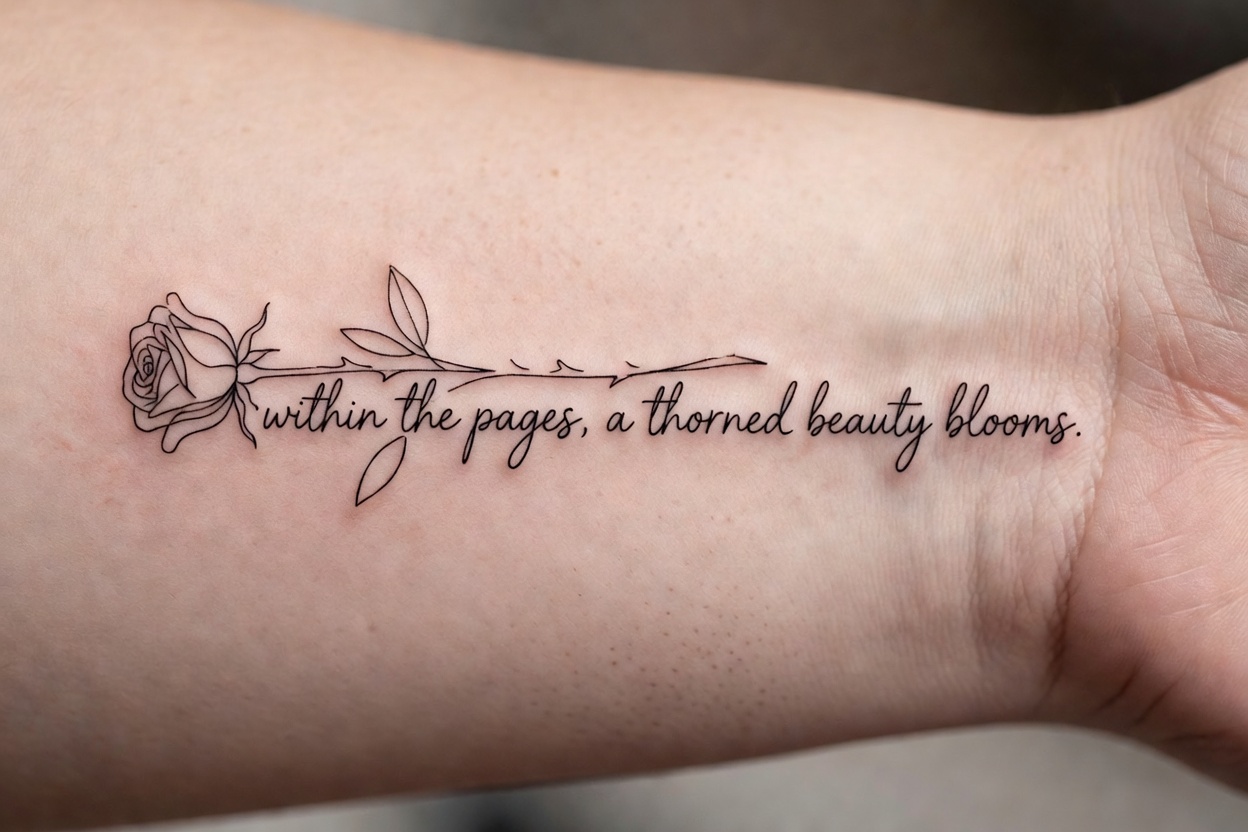
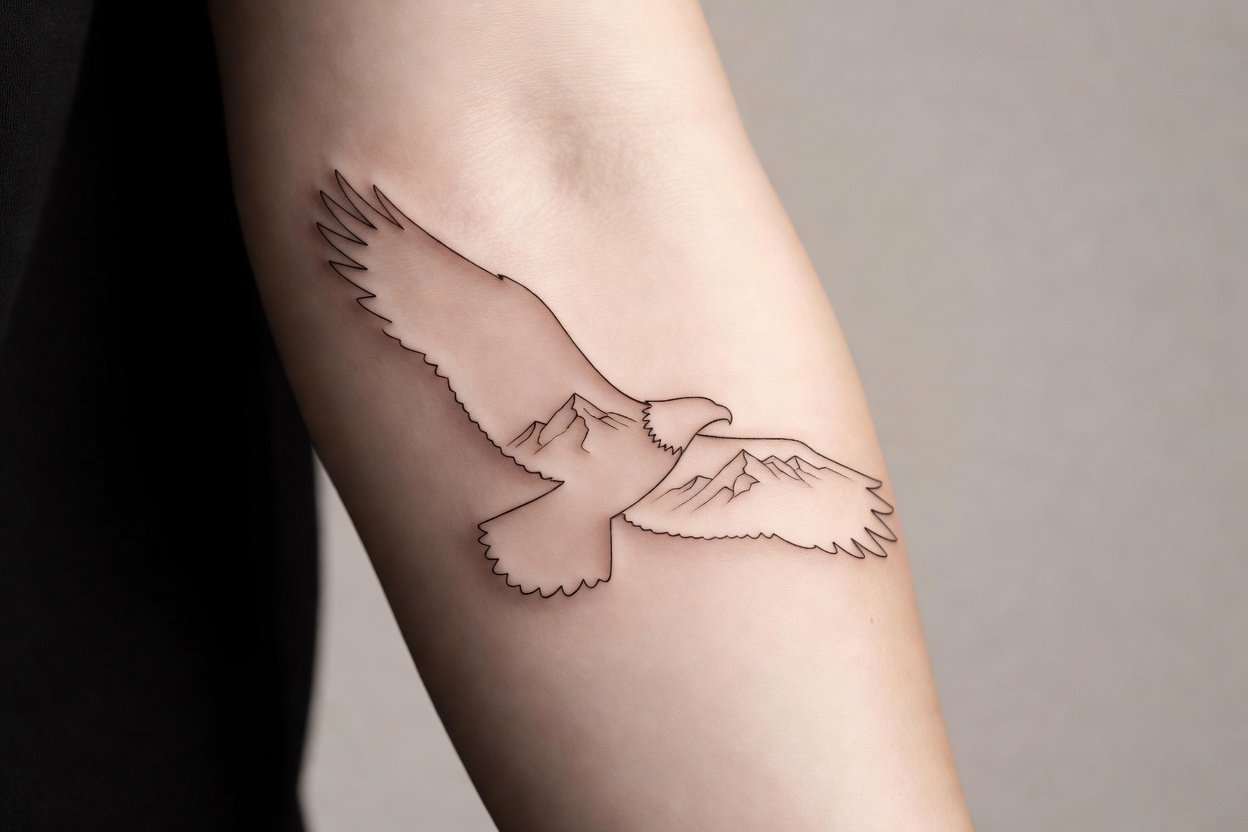
Minimalist line art offers clean, elegant interpretations ideal for subtle placements like wrists or ankles. These designs use thin lines to evoke simplicity and modernity, making them versatile for everyday wear. In contrast, detailed illustrative styles deliver rich textures and shading, suiting larger pieces on arms or backs that capture intricate book illustrations. Comparisons show minimalist versions suit first-time clients seeking discretion, while illustrative work appeals to those wanting immersive storytelling. Both styles thrive in current trends emphasizing unique fusions that combine elements from multiple books into cohesive pieces.
Color choices further differentiate styles. Minimalist designs often stay black and gray for timeless appeal, whereas illustrative tattoos incorporate watercolor effects or vibrant hues to mimic illuminated manuscripts. Clients should discuss skin tone compatibility with their artist to ensure longevity.
Practical Steps for Selecting Symbols
Choosing a literary tattoo requires reflection. Follow these detailed steps to ensure the result matches your vision:
- Identify core themes from your favorite books that mirror personal experiences, such as resilience from a dystopian novel or curiosity from adventure tales.
- Research cultural contexts to ensure respectful representation, consulting sources like museum archives for accurate historical details.
- Sketch initial concepts or consult an artist for custom ideas, bringing reference images from book editions you love.
- Consider placement based on visibility and body flow, factoring in how the design will age with skin changes.
- Test designs temporarily using henna or digital apps to confirm long-term resonance before committing to ink.
- Review artist portfolios for experience with literary themes and request consultations to discuss symbolism accuracy.
This process helps avoid generic choices and builds tattoos that feel authentic to your reading journey.
Real Client Examples
One client transformed a childhood love for Alice in Wonderland into a pocket-watch tattoo with a subtle quote, symbolizing time and adventure after a career change. Another incorporated a raven with minimalist lines to mark overcoming grief, drawing from Poe's work and adding personal elements like a family initial. A third client chose a detailed rose from The Secret Garden to represent healing and growth following a health challenge. These stories highlight how literary symbols adapt to individual journeys, creating wearable memoirs that evolve with the wearer.
Additional examples include a teacher who inked a quill and book stack from her favorite Dickens novel to celebrate her passion for education, and an avid traveler who combined the green light motif with coordinates from a meaningful location. Each case demonstrates thoughtful customization that avoids clichés.
Trends in Literary Tattoos for 2026
Current trends favor hybrid designs that merge literary symbols with geometric patterns or botanical elements. Unique fusions appear in placements like collarbones or behind the ear, emphasizing subtlety. The Metropolitan Museum of Art's collections on symbolic art inspire many contemporary interpretations. The Met resources provide visual references for artists seeking historical accuracy in their literary adaptations.
Common Mistakes to Avoid
Many clients regret rushing designs without considering scale or aftercare. Overused motifs like plain ravens lose impact when copied directly from stock images. Always verify spelling of quotes and discuss skin sensitivity with professionals. Ignoring cultural origins can lead to unintended offense, so thorough research remains essential.
FAQ: Avoiding Overused Designs
How can I make my literary tattoo unique? Combine multiple motifs or add personal elements like birthdates in symbolic form, such as incorporating a star constellation from a beloved astronomy reference in literature.
Are certain symbols overdone? Yes, basic ravens or roses appear frequently; opt for lesser-known book references or custom twists that reflect your specific reading history.
What if my favorite book is obscure? Focus on universal themes within it to create fresh designs appreciated by fellow readers and artists alike.
How do I choose between styles? Evaluate your lifestyle and pain tolerance, as detailed work requires longer sessions while minimalist options heal faster.
Should I include color? Only if it enhances the original literary description, and always select pigments known for durability on your skin type.
Conclusion
Literary tattoo symbolism offers endless ways to honor stories that shape us. By exploring motifs, blending elements thoughtfully, and following selection steps, you can craft body art that endures. Embrace these trends to turn pages into permanent, personal expressions that continue the narrative long after the final chapter.
No comments yet. Be the first!