 Inked Mythos
Introduction to Layered Symbolism in Small Tattoos
Small-scale tattoos have surged in popularity for their subtlety and versatility, allowing wearers to embed deep personal narratives without overwhelming the body. Layered symbolism elevates these designs by weaving multiple meanings into compact forms through negative space and precise linework. This approach resonates strongly with 2026 trends emphasizing personal empowerment tattoos, where individuals seek body art that reflects resilience, growth, and identity. In an era where self-expression through ink is increasingly nuanced, these designs offer a private yet profound way to carry affirmations of strength or milestones.
Understanding these techniques helps enthusiasts move beyond surface-level aesthetics to create meaningful pieces. Whether you're drawn to geometric precision paired with organic elements or cultural motifs reinterpreted minimally, the key lies in thoughtful composition. Many people turn to small tattoos because they fit seamlessly into professional environments while holding layers of significance that only reveal themselves upon reflection or conversation. This guide delves into practical methods, real-world examples, and strategic advice to help you design tattoos that stand the test of time both visually and emotionally.
Core Techniques for Multi-Layered Meanings
Negative space serves as an invisible layer, defining shapes and implying depth without additional ink. Minimalist linework complements this by using clean, single-weight strokes to suggest complexity through implication rather than detail. Together, they enable symbols to interact dynamically within small areas like wrists, ankles, or behind the ear. The beauty of this method is its efficiency—every empty area contributes to the story, making the tattoo feel richer without increasing size or ink density.
For example, a simple circle can represent eternity, while negative space inside it forms a mountain silhouette symbolizing stability. This dual reading emerges only upon closer inspection, enhancing the tattoo's intimate appeal. To apply these techniques, begin with thumbnail sketches at actual scale, then refine by removing unnecessary lines. Experiment with varying line weights subtly to guide the eye between layers. Artists often recommend starting with the primary symbol and carving secondary elements from its interior or surroundings using negative space as the connector.
Practical tip: Always test the design on skin with temporary markers before committing, as body contours can alter perceived layers. Explore foundational symbolism concepts at Britannica to inspire your own combinations and deepen your understanding of historical meanings behind common shapes.
Combining Symbols: Geometric Shapes with Natural Elements
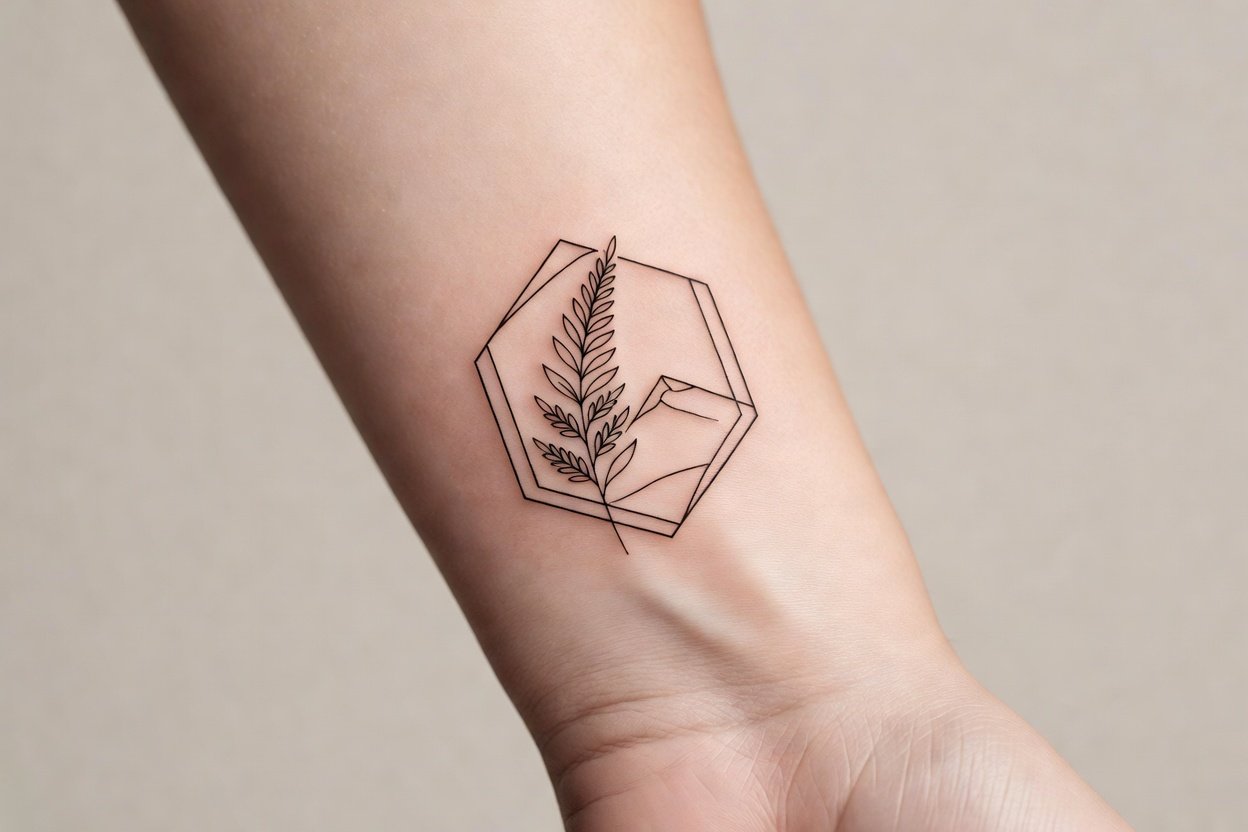
Effective layering often merges rigid geometry with fluid nature motifs. A hexagon enclosing a delicate fern leaf can signify balance between structure and organic growth. In practice, start by sketching base shapes, then overlay natural forms using negative space to carve out details. This fusion creates tension and harmony that feels both modern and timeless, perfect for 2026 empowerment themes where individuals celebrate both discipline and adaptability.
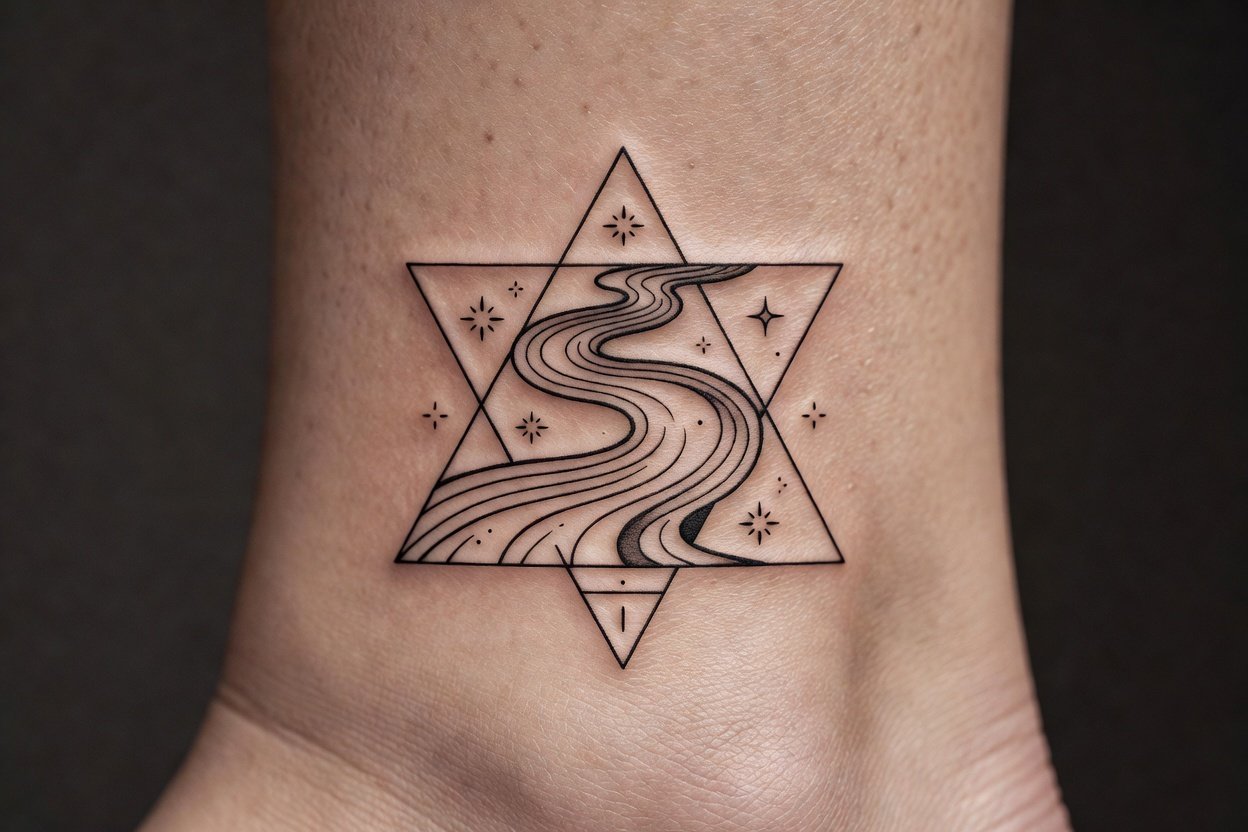
Step-by-step example one: 1) Outline a triangle for strength and direction. 2) Incorporate a river line through negative space for life's flow and adaptability. 3) Add subtle dots for stars representing guidance and aspiration. This creates a narrative of enduring personal journey. Another popular pairing involves squares with vine elements to symbolize rooted progress. Consider how light and shadow play on the skin to enhance these layers during different times of day.
Cultural Influences and Respectful Integration
Drawing from diverse traditions adds authenticity but requires sensitivity. Incorporate elements like Celtic knots or Japanese wave patterns through minimalist interpretations to avoid appropriation. Placement on the collarbone or ribcage allows cultural symbols to remain private yet powerful. Research each motif's origins thoroughly and adapt abstractly where possible, ensuring the final piece honors rather than exploits its source.
Expanded considerations include consulting cultural experts or community resources during the design phase. For instance, a minimalist interpretation of a mandala can represent unity without direct religious appropriation when geometric boundaries soften its edges. Reference cultural art at The Met Museum for accurate inspirations drawn from global collections that span centuries.
Placement Strategies for Subtle Body Art
Strategic placement amplifies the layered effect while maintaining discretion. Inner wrist designs suit daily personal reminders with easy concealment under sleeves. Ankle or foot placements support motifs of forward movement and stability, ideal for empowerment themes. Behind the ear offers intimacy, visible only to close observers, making it suitable for deeply personal symbols.
Additional factors include skin elasticity and sun exposure—areas with less movement preserve fine negative space better. Compare options by considering lifestyle: active individuals may prefer less visible spots to protect intricate linework. Always factor in future body changes like weight fluctuations that could distort layers.
Step-by-Step Examples of Popular Motifs
Beyond basic pairings, explore the lotus and geometric mandala fusion: Begin with a small circle base representing wholeness. Layer petal outlines via negative space to evoke rebirth. Add angular borders for themes of protection and focus. This motif works well for those navigating personal transformation.
Another detailed example pairs an anchor with mountain peaks: Sketch the anchor first as foundation. Use negative space to etch rising peaks within its form for grounded ambition. Incorporate faint wave lines at the base for resilience against challenges. Review the design from multiple distances to ensure both simple and detailed readings hold up.
Discover more on symbolic art history via Smithsonian Magazine to refine motif selections.
Simple vs. Detailed Approaches: Key Comparisons
Simple designs prioritize readability and longevity, using fewer lines for timeless appeal that ages gracefully. Detailed versions risk blurring in small scales but offer richer storytelling when executed by skilled artists. Test concepts at actual size to evaluate impact, weighing factors like pain tolerance during sessions and maintenance needs over decades.
Simple approaches suit first-time clients seeking quick results, while detailed layering appeals to those with existing collections wanting cohesive additions. Weigh trade-offs carefully with your artist during initial consultations.
2026 Trends in Personal Empowerment Tattoos
This year highlights tattoos celebrating autonomy and mental strength, often through layered symbols like chained birds breaking free into open geometric frames. These designs encourage wearers to reflect on progress and self-determination. Consult professionals early to refine ideas, ensuring designs align with your evolving story and incorporate current minimalist trends without sacrificing depth.
FAQs on Avoiding Common Interpretation Pitfalls
How do I prevent misinterpretation? Discuss symbolism explicitly with your artist and review multiple angles of the design, including how it appears in different lighting or on skin tones.
Are cultural elements safe to use? Research origins thoroughly and opt for abstract representations when unsure, always prioritizing respect and education over direct replication.
What if the tattoo evolves in meaning? Layering allows flexibility, as secondary symbols can gain prominence over time with personal growth.
How long does the process take from concept to completion? Expect several weeks including design revisions and artist availability, with final sessions often under two hours for small pieces.
Should I consider aftercare specifics for layered work? Yes, focus on moisturizing to maintain negative space clarity and avoid sun exposure that could fade fine lines unevenly.
Conclusion
Mastering layered symbolism transforms small tattoos into profound personal artifacts. By blending techniques with cultural awareness and strategic placement, you create enduring body art that empowers. Begin consultations today to bring your vision to life and embrace the depth these designs offer in 2026 and beyond.
No comments yet. Be the first!