 Inked Mythos
Why Shoulder Tattoos Suit Active Lifestyles
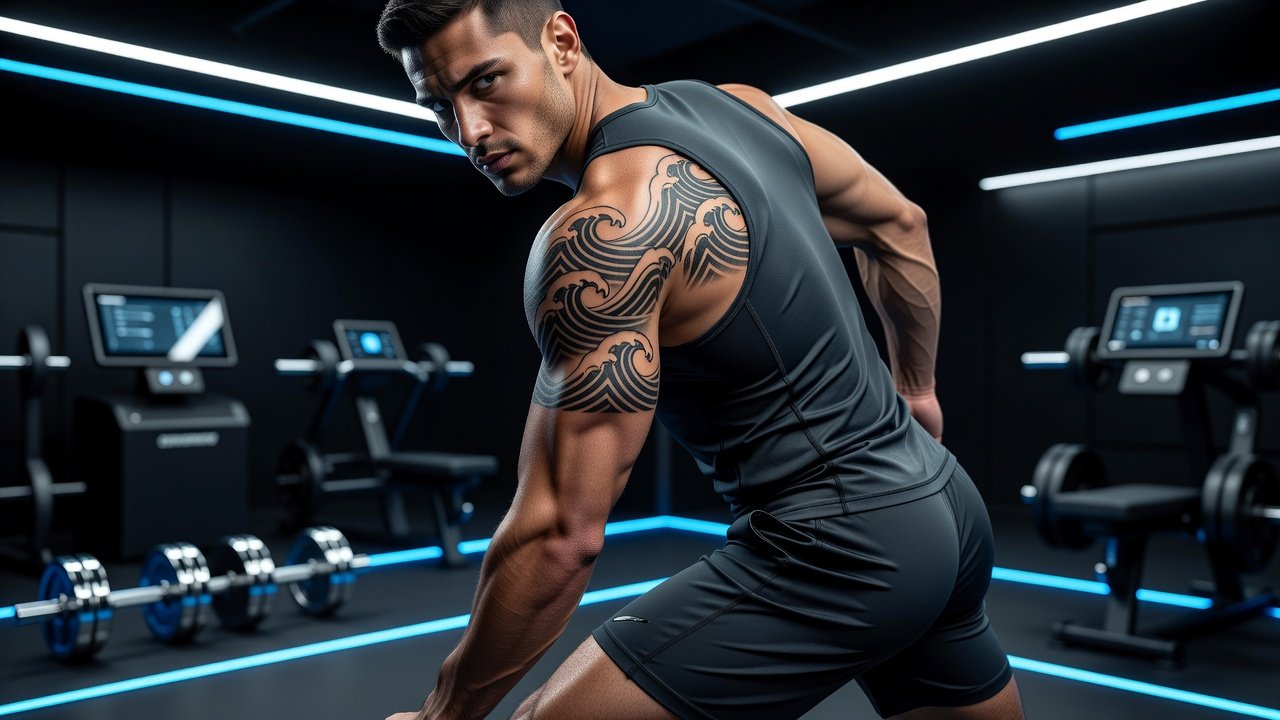
Shoulder tattoos provide an excellent balance of visibility and practicality for people who maintain rigorous physical routines. The shoulder area experiences constant movement from arm swings, lifts, and stretches, yet it offers enough surface area for meaningful designs that do not interfere with performance gear. In 2026, active lifestyles demand ink that resists distortion from sweat, repetitive friction, and seasonal sun exposure while remaining visually appealing during both training sessions and recovery periods.
Unlike tattoos on joints or high-flex areas such as elbows or knees, the shoulder's deltoid muscle provides a relatively stable platform that still allows natural expansion. This makes it particularly suitable for runners logging high mileage, swimmers facing chlorine exposure, and weightlifters dealing with barbell contact. Designs must account for skin elasticity changes that occur with muscle gain or loss over time.
Flexible Motifs That Withstand Movement
Selecting motifs with inherent flexibility prevents cracking and maintains line integrity. Geometric waves excel because their curved patterns naturally follow muscle contours and stretch during motion without breaking continuity. Nature elements like cascading waterfalls, wind-blown grasses, or layered cloud formations offer organic flow that adapts to body changes.
Additional strong choices include abstract compass designs, interlocking mandala segments, and stylized bird flight paths. These motifs work across skin tones and pair well with both minimalist and detailed shading techniques. For athletes, incorporating subtle motion lines within the design can symbolize personal goals such as speed or endurance.
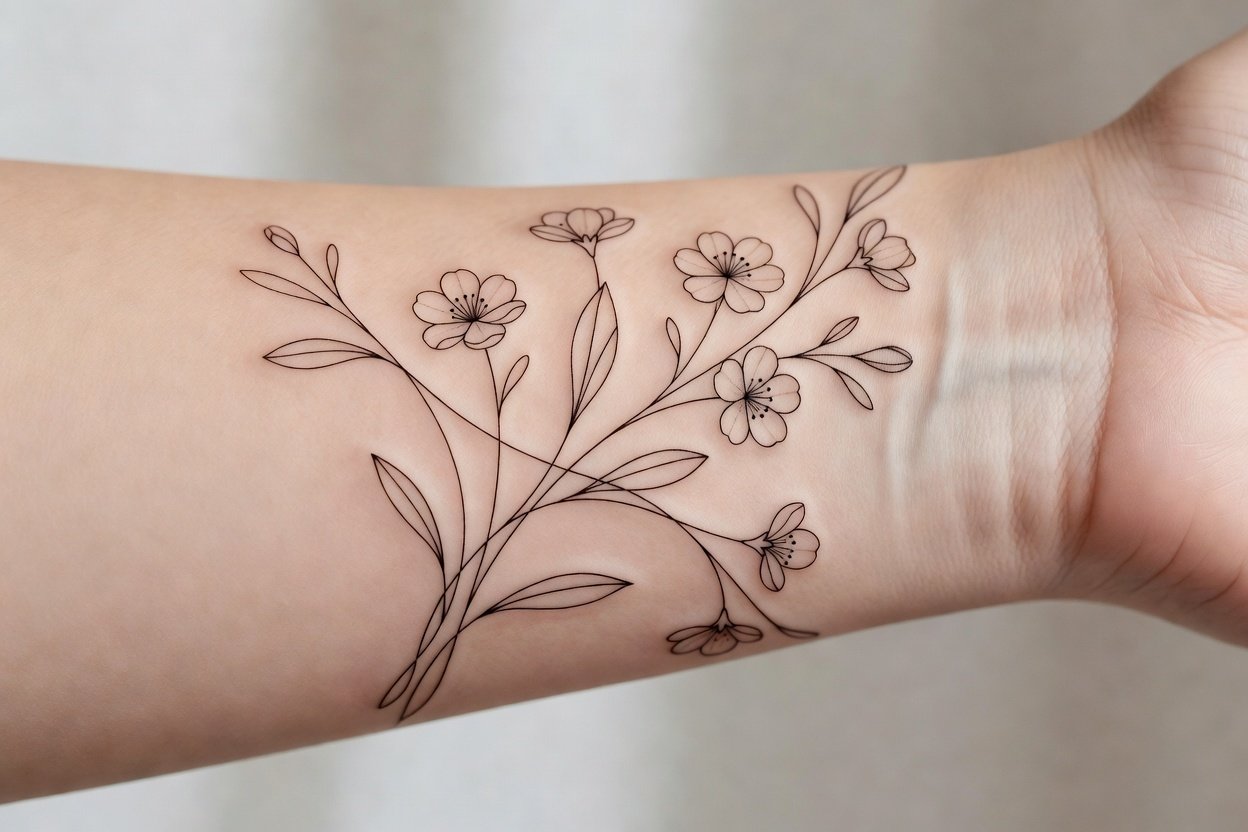
Subtle versions rely on thin negative space and delicate gradients for a refined look that stays professional. Bold versions use saturated fills and strong outlines that photograph well during competitions or social media updates. Hybrid designs combine both approaches for maximum versatility.
Comparing Ink Types for Longevity
Ink selection directly impacts how well a tattoo ages under physical stress. Traditional black inks with high carbon content provide superior longevity against fading from repeated washing and sun exposure. Newer hybrid pigments blend organic and synthetic components for improved color retention without sacrificing safety profiles.
Watercolor and pastel styles often require more frequent touch-ups when placed on active shoulders due to increased skin turnover. Many athletes opt for blackwork with selective color accents to achieve visual interest while prioritizing durability. Always verify that your chosen studio uses inks compliant with current safety standards from regulatory bodies.
FDA resources on tattoo ink ingredients can help inform decisions about pigment quality and potential sensitivities during intense training periods.
Real Athlete-Inspired Tattoo Examples
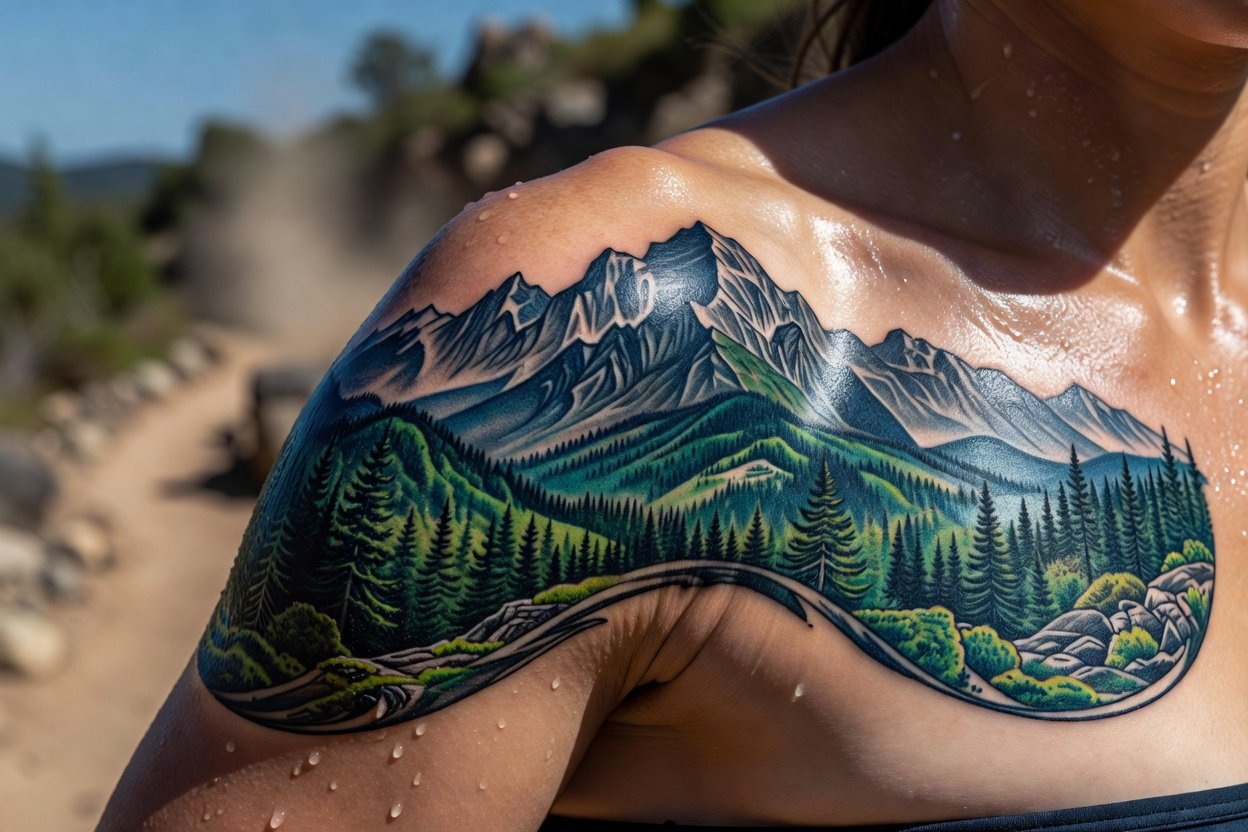
Professional triathletes frequently choose shoulder pieces that combine wave geometry with small coordinate markers representing race locations. Rock climbers often select mountain ridge lines that wrap slightly around the shoulder cap for three-dimensional effect. Basketball players have popularized bold abstract lightning motifs that emphasize speed and power during jump shots.
One notable example involves a surfer whose shoulder features a single continuous wave line that incorporates the coordinates of her favorite breaks. A competitive cyclist opted for a subtle chain-link pattern that doubles as both mechanical reference and geometric art. These real-world cases illustrate how tattoos can reflect personal athletic journeys without compromising on movement-friendly execution.
Step-by-Step Placement Advice
- Map your typical range of motion with your artist by performing sample movements such as overhead presses and swimming strokes while wearing the stencil.
- Position the main focal point on the outer deltoid to minimize direct contact with backpack straps or weight belts during training.
- Leave at least one inch of clearance from the collarbone edge to accommodate future muscle development or weight fluctuations.
- Test the design in both flexed and relaxed positions to ensure proportions remain balanced.
- Discuss mirror-image options if you plan symmetric pieces on both shoulders for aesthetic or motivational reasons.
Placement variations exist for different sports. Swimmers benefit from slightly higher placement to reduce goggle strap interference, while runners may prefer a lower position for better airflow during long runs.
Practical Aftercare Routines for Active People
Aftercare routines must integrate seamlessly with training schedules. Begin with gentle cleansing using fragrance-free soap twice daily, followed by a thin application of ointment recommended by your artist. During the first two weeks, cover the area with a breathable athletic sleeve during workouts to limit sweat accumulation.
Reapply moisturizer containing natural ingredients like shea butter after every shower or pool session. Avoid direct sunlight and chlorinated water until the tattoo has fully healed, which typically occurs in four to six weeks for most individuals. Schedule follow-up appointments for any necessary touch-ups once initial healing completes.
Many active clients find success by adjusting training intensity temporarily and tracking skin response daily. Mayo Clinic provides general guidance on wound healing that can be adapted for tattoo aftercare in athletic contexts.
Common Mistakes to Avoid
- Choosing overly rigid geometric patterns that distort with muscle growth.
- Skipping sunscreen application once healed, leading to premature fading.
- Using scented lotions that cause irritation during heavy sweating.
- Ignoring artist advice on placement relative to common gym equipment contact points.
- Rushing back to intense training before the tattoo has sealed properly.
Subtle vs Bold Options: Choosing Based on Lifestyle
Subtle tattoos work well for individuals who balance fitness with professional or social settings where discretion matters. They age gracefully and require less maintenance over years of active use. Bold tattoos deliver stronger visual impact for those whose lifestyle revolves around fitness communities and competitions.
Consider your primary environments: office settings may favor subtlety, while team sports environments support bolder statements. Many people start with a smaller subtle piece and later add bold extensions once they understand how their skin responds to training demands.
Frequently Asked Questions
How painful are shoulder tattoos for active individuals?
Most describe the sensation as moderate, similar to sustained pressure or vibration. The shoulder's thinner skin over bone can intensify certain areas, but sessions are manageable with proper breathing techniques.
What is the typical healing timeline?
Initial scabbing resolves in 10-14 days, with complete epidermal healing in 4-8 weeks. Athletes should plan reduced training volume during the first 10-14 days to support optimal results.
Can I work out immediately after getting inked?
Light cardio is often acceptable after 48 hours with protective covering, but heavy lifting and high-sweat activities should pause for at least 7-10 days. Follow your artist's personalized timeline.
How often do active people need touch-ups?
With proper care, many require only one touch-up after initial healing. Those with very high sun or chlorine exposure may schedule maintenance every 3-5 years.
Conclusion
Shoulder tattoos designed specifically for active lifestyles combine thoughtful motif selection, durable ink choices, strategic placement, and consistent aftercare to deliver lasting results. By learning from athlete examples and avoiding common pitfalls, you can achieve body art that supports rather than hinders your 2026 fitness goals. Work with an experienced artist who understands athletic demands to create a piece tailored to your movement patterns and personal story.
No comments yet. Be the first!