 Inked Mythos
Introduction to Botanical Linework Tattoos
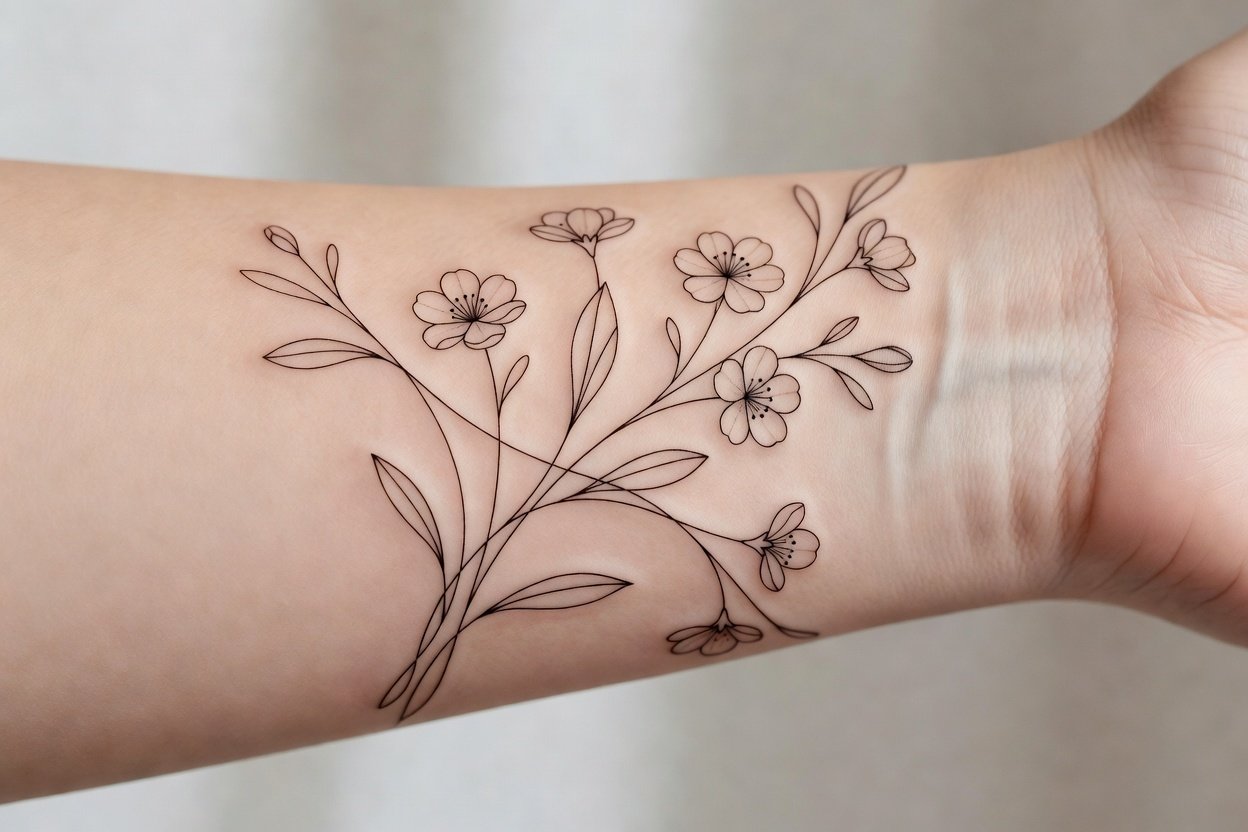
Botanical linework tattoos have emerged as a sophisticated choice for those seeking minimal yet meaningful nature-inspired ink in 2026. These designs emphasize clean, single-line illustrations of flowers, leaves, and stems, creating timeless pieces that blend personal symbolism with elegant aesthetics. Whether you're drawn to delicate wrist placements or subtle ribcage work, this style offers versatility for unique self-expression. The appeal lies in their simplicity combined with depth, allowing wearers to carry reminders of growth, resilience, and connection to the natural world without overwhelming visual complexity. As trends shift toward personalized, understated art, botanical linework stands out for its adaptability across body types and lifestyles.
Popular Placements for 2026
In 2026, wrist and rib placements dominate botanical linework trends due to their visibility and ability to showcase fine details. Wrists allow for small, personal motifs like a single stem or leaf cluster that can be easily viewed or hidden depending on clothing. This placement works well for first-time tattoo recipients because of the relatively low pain level and quick healing. Ribs provide space for flowing vines that follow natural body contours, creating dynamic pieces that move with the wearer. The curvature of the ribs enhances the organic feel of botanical elements, making stems appear to wrap around the body naturally.
Other Strategic Placements
Additional popular spots include ankles for discreet designs that peek out from shoes, behind-the-ear areas for intimate symbols visible only to close contacts, and inner forearms for larger compositions that serve as daily inspiration. Each placement requires consideration of skin elasticity, sun exposure, and how the design will age over time. For example, a wrist tattoo might need occasional touch-ups due to frequent hand washing, while rib pieces benefit from the area's protected nature.
Single-Line Flower and Leaf Variations
Popular variations include minimalist roses, ferns, and eucalyptus leaves rendered in continuous lines without lifts of the needle. These can be scaled from tiny accents measuring just a few centimeters to larger compositions incorporating multiple elements like blooming flowers intertwined with branches and roots. Artists often use negative space effectively to imply depth, such as leaving areas blank to represent light hitting petals. Examples include a lone daisy on the wrist symbolizing innocence or a cascading ivy pattern along the ribs representing endurance through challenges.
Blending Personal Symbolism with Clean Aesthetics
Botanical elements often carry deep meaning—lotus for resilience and rebirth, ivy for eternal growth and loyalty, or wildflowers for freedom and adaptability. To blend symbolism effectively, begin by identifying plants that resonate with your life experiences, then work with an artist to simplify them into elegant lines. For instance, incorporating birth flowers or favorite garden plants adds layers of personal narrative while maintaining the clean aesthetic. Avoid overcrowding by limiting to three to five elements max, ensuring the final piece remains balanced and readable from a distance.
Artist Collaboration Tips
Collaborate with artists specializing in fine linework by sharing reference photos from nature walks or botanical illustrations. Discuss scale, line weight, and how the design will adapt to skin texture and body movement. A step-by-step approach includes initial consultations to review portfolios for precision in single-line work, followed by custom sketches and multiple revisions. Ask about their experience with botanical motifs specifically and request examples of healed pieces to gauge longevity. Communication is key—clearly articulate what aspects of the plant hold personal significance so the artist can emphasize those features.
Black Ink vs Subtle Color Accents
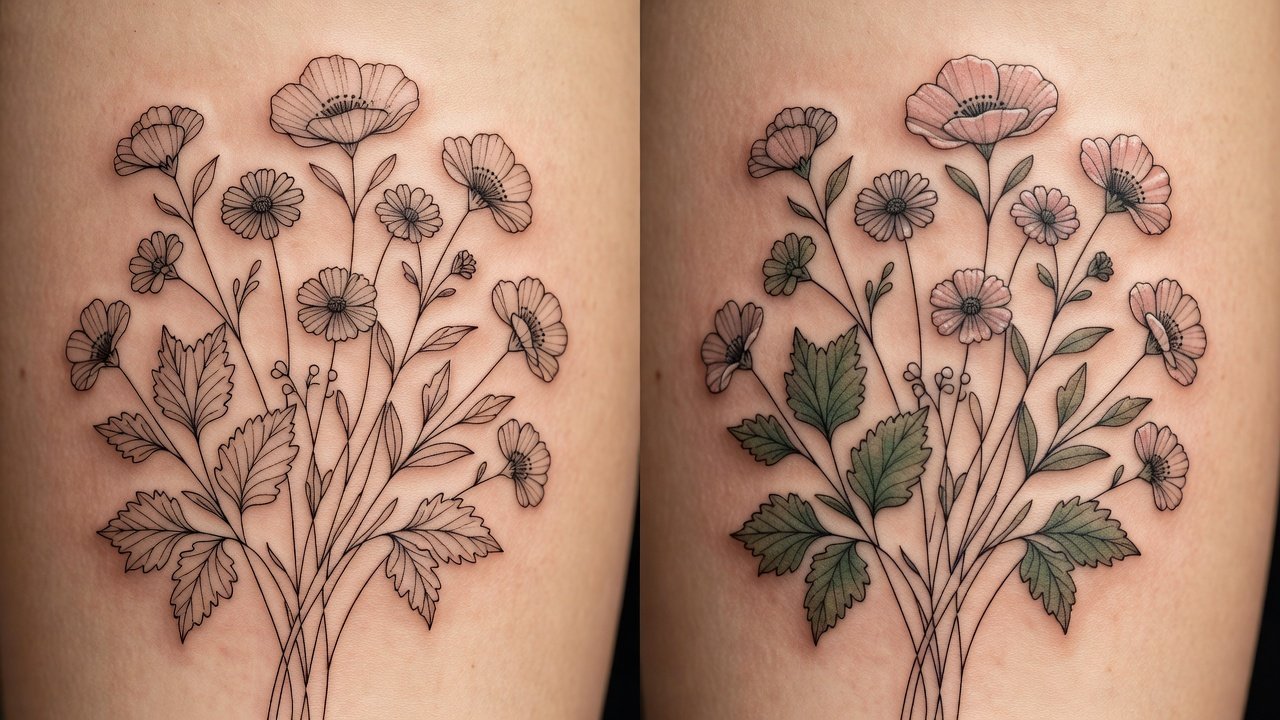
Black linework offers bold contrast and longevity, ideal for crisp botanical outlines that age gracefully without fading quickly. It provides a classic, versatile look suitable for any skin tone. Subtle color accents, such as soft watercolor touches on petals or gentle shading on leaves, add dimension and vibrancy but may require more frequent touch-ups as pigments break down over time. Side-by-side comparisons reveal that black delivers timeless minimalism perfect for professional settings, while color introduces a fresh, contemporary edge aligned with 2026 trends. Consider your lifestyle when choosing—active individuals might prefer black for durability, whereas those seeking artistic flair may opt for accents.
Aftercare for Fine Line Tattoos
Proper aftercare is essential for preserving fine lines in botanical designs. Immediately after the session, keep the area clean with gentle soap and apply a thin layer of recommended ointment. Avoid sun exposure, tight clothing, and submerging in water for the first few weeks. Long-term maintenance involves regular moisturizing and monitoring for any signs of fading. Consult resources from the CDC for general skin health guidelines, the American Academy of Dermatology for tattoo-specific advice, and the Mayo Clinic for detailed healing timelines and potential complications to watch for.
Creating Mood Boards for Inspiration
Before committing to a design, develop mood boards using images of real plants, existing linework tattoos, and color palettes. Tools like Pinterest or physical collages help visualize combinations. Include photos of your target placement on similar body types to assess proportions. This preparatory step prevents mismatches and ensures the final tattoo aligns with your vision.
Preparing for Your Tattoo Session
Arrive well-rested and hydrated. Discuss pain management options with your artist, as fine linework on sensitive areas like ribs can feel intense. Bring reference materials and be open to adjustments based on skin response during the session.
Common Pitfalls to Avoid
- Choosing overly complex designs that blur over time—stick to simplified single lines for clarity.
- Ignoring body shape when scaling motifs, which can distort proportions on curved areas like wrists or ribs.
- Skipping consultations on ink quality and artist experience, leading to subpar results.
- Neglecting aftercare routines, which causes premature fading or infection risks.
- Rushing the design process without testing placements via temporary stencils first.
FAQ: Scaling Designs for Different Body Shapes
How do I scale a botanical design for smaller wrists?
Opt for simplified single-line versions, focusing on one element like a leaf or bud rather than full bouquets. Test with stencils to ensure proportions fit comfortably without wrapping too far around the arm.
Can rib tattoos accommodate larger motifs?
Yes, ribs suit elongated vines or multi-flower arrangements that curve naturally with the body. Artists can adjust line thickness to maintain visibility across the broader canvas.
What if my skin tone affects line visibility?
Discuss custom line weights with your artist to ensure clarity across tones. Thicker lines may be needed for deeper skin tones to maintain definition.
How does aging skin impact botanical linework?
Lines may soften slightly over decades, but high-quality ink and proper placement on less sun-exposed areas help preserve detail. Annual check-ins with your artist for touch-ups are recommended.
Are there size limits based on body area?
Yes, consider skin surface area and movement—smaller areas like wrists limit complexity, while ribs allow expansion but require designs that accommodate breathing and posture changes.
Conclusion
Botanical linework tattoos provide a refined way to connect with nature through personal, enduring art. With careful planning on placements, symbolism, artist collaboration, and care routines, these designs will remain stylish and meaningful well into the future. Take time to research and consult professionals to create a piece that truly reflects your story.

No comments yet. Be the first!