 Inked Mythos
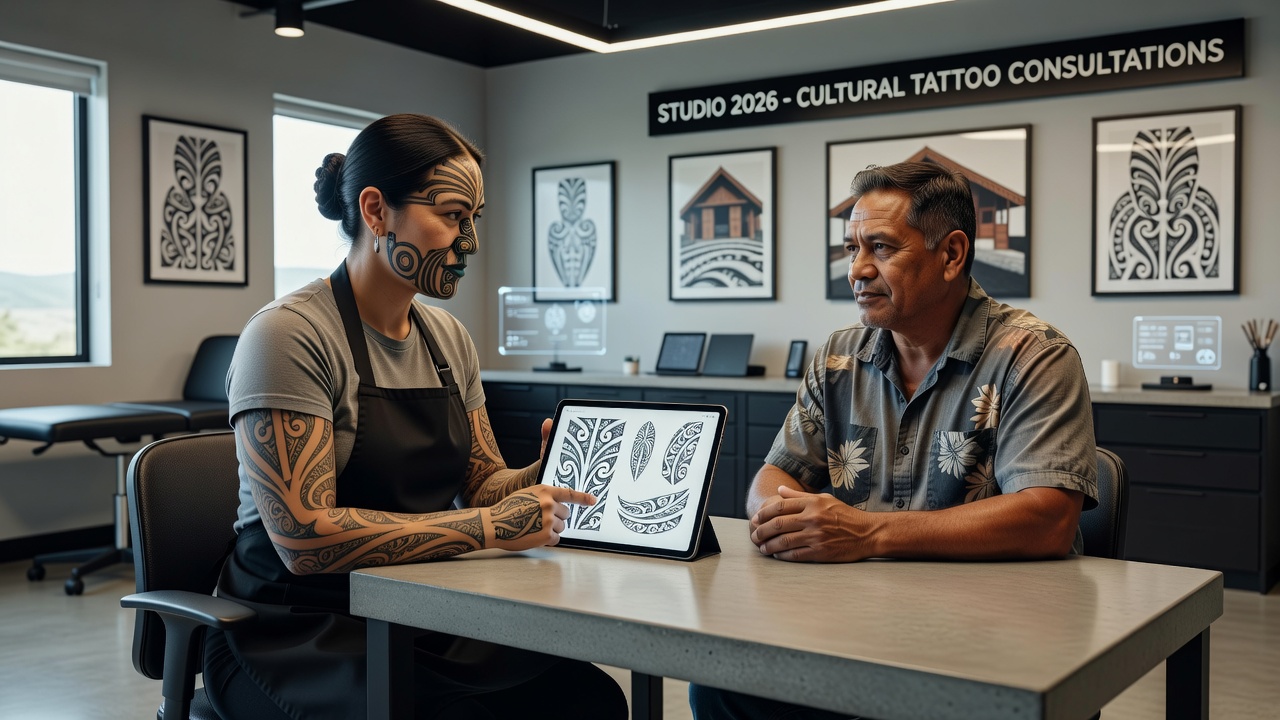
Introduction to Respectful Cultural Tattooing in 2026
In 2026, the tattoo industry continues to evolve as artists and clients seek deeper connections with cultural heritage. Mastering cultural body art respectfully requires balancing creativity with authenticity. This approach helps tattoo legends avoid appropriation while honoring traditions from Maori ta moko to Japanese irezumi and Native American motifs. Search intent around ethical practices highlights the need for client education. Artists must prioritize consent, historical accuracy, and ongoing learning to create meaningful designs that resonate across generations. The growing demand for culturally inspired tattoos means professionals who invest in respectful methods stand out in a competitive market filled with quick trends.
Understanding the nuances of cultural body art goes beyond aesthetics. It involves recognizing that many designs carry spiritual, social, or ancestral significance. Without proper context, even well-intentioned tattoos can cause offense or misrepresent communities. This article provides in-depth guidance for artists aiming to build lasting reputations as ethical practitioners.
Historical Research Methods for Tattoo Artists
Effective integration begins with thorough research. Artists should start by studying primary sources such as museum archives and ethnographic texts. Cross-reference multiple accounts to understand symbolism, placement rules, and ritual contexts. For instance, exploring the Metropolitan Museum of Art collections offers insights into Polynesian and Asian tattoo history through verified artifacts and descriptions.
Key methods include visiting cultural institutions, consulting digitized records from respected organizations, and attending workshops led by indigenous practitioners. This foundation prevents superficial interpretations that dilute meaning. Artists can also analyze historical photographs and oral histories to capture the evolution of motifs over centuries. Regular study sessions help keep knowledge current amid shifting global conversations about heritage preservation.
Collaboration with Cultural Experts
Partnering with cultural experts elevates designs from appropriation to appreciation. Reach out to elders, historians, or community organizations early in the process. These collaborations often involve compensated consultations that ensure designs align with community standards. Resources like National Geographic frequently highlight successful cross-cultural projects that demonstrate best practices for respectful engagement.
Successful partnerships foster mutual respect and can lead to co-created pieces that celebrate living traditions. Always document agreements and credit contributors appropriately in portfolios and social media. Building long-term relationships with experts often results in repeat referrals and deeper artistic growth for the tattoo professional.
Avoiding Appropriation Pitfalls
Common pitfalls include using sacred symbols without permission or altering designs for aesthetic trends. To avoid these, establish clear boundaries during initial discussions. Educate clients on why certain motifs remain restricted to specific lineages or ceremonies. One frequent error involves adapting sacred patterns like the Navajo swastika or certain Maori facial markings for commercial appeal without lineage verification.
Compare traditional approaches, which emphasize ritual and lineage, with contemporary methods that adapt forms for personal expression while retaining core elements. The latter requires explicit community input to maintain integrity. Learning from documented cases reported by outlets such as Smithsonian Magazine helps artists recognize red flags early and steer projects toward ethical outcomes.
Step-by-Step Guidelines for Artists
- Conduct preliminary cultural research using verified sources and compile notes on symbolism and restrictions.
- Schedule a consultation focused on client intent and heritage connections, asking open-ended questions about personal ties.
- Engage cultural experts for design review and incorporate their feedback iteratively.
- Present options with full explanations of symbolism, including potential misinterpretations.
- Obtain written consent and document the collaborative process for transparency.
- Execute the tattoo with attention to traditional techniques where possible, adapting only with approval.
- Follow up with aftercare education tied to cultural practices and offer resources for further learning.
Real-World Case Studies from Tattoo Legends
One prominent artist in New Zealand has built a practice around Maori ta moko by working directly with iwi representatives. Their designs incorporate client whakapapa while adhering to protocols that limit certain patterns to those with ancestral ties. This method has resulted in community-endorsed work featured in cultural exhibitions.
Another case involves a studio in Hawaii that specializes in Polynesian motifs. Through ongoing dialogue with native practitioners, they have developed contemporary interpretations that honor ocean navigation stories without commercializing restricted elements. A third example comes from a Canadian artist collaborating with First Nations elders on thunderbird imagery, ensuring each piece includes educational components for the client and public.
Comparisons of Traditional Versus Contemporary Approaches
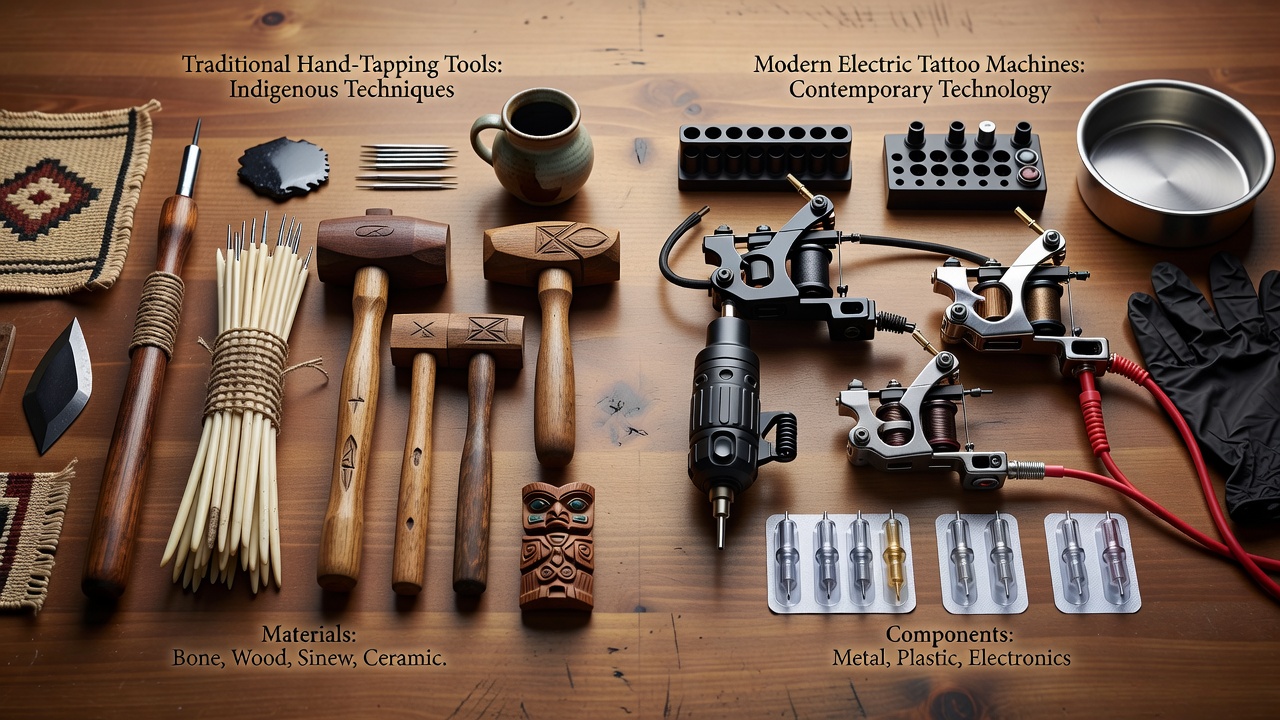
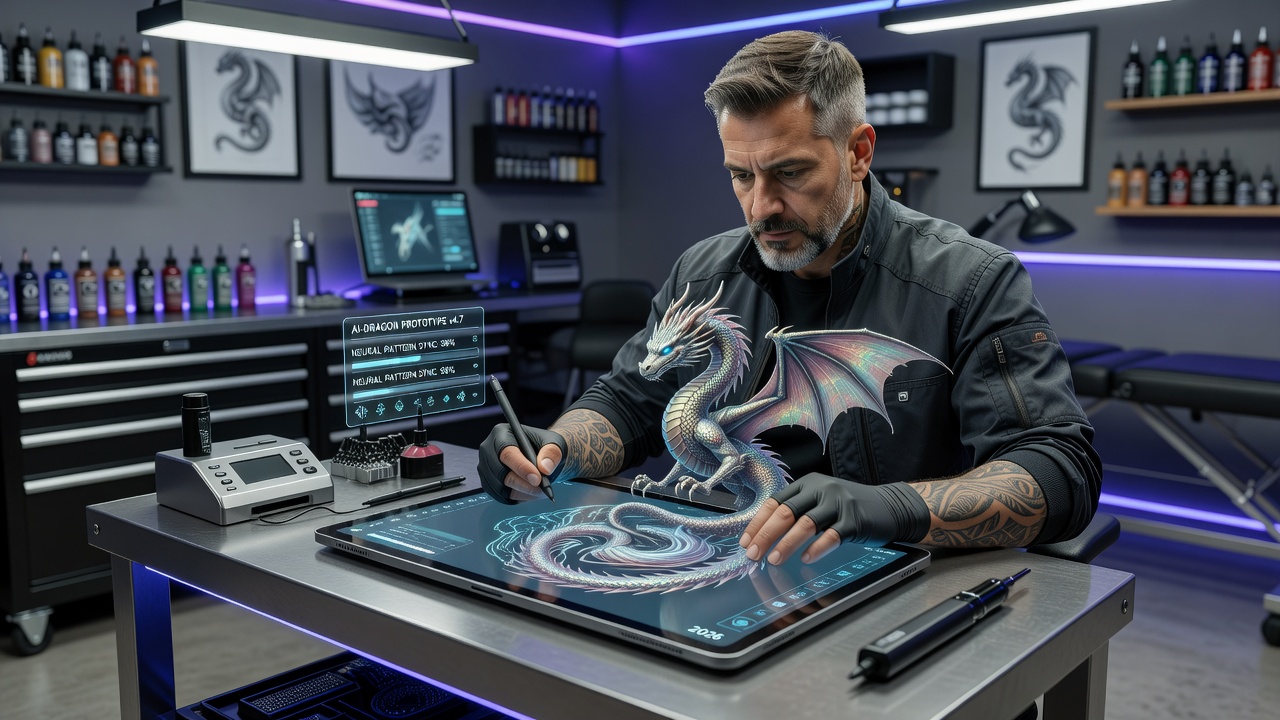
Traditional methods often involve hand-tapping tools and multi-day ceremonies rooted in community validation. These approaches prioritize spiritual preparation and collective approval before any ink touches skin. Contemporary approaches leverage modern machines for precision and comfort but may incorporate digital planning for complex motifs. Both can coexist when contemporary work includes educational components. Clients benefit from understanding these differences to make informed choices about their body art journey and the long-term cultural impact of their decisions.
Checklists for Consultations
- Verify client connection to the culture in question through honest dialogue.
- Review historical accuracy of proposed symbols using multiple verified references.
- Discuss placement restrictions and aftercare traditions specific to the culture.
- Confirm consent from relevant cultural authorities if needed before proceeding.
- Outline next steps for revisions based on expert feedback and client preferences.
- Provide written summaries of research and agreements for client records.
FAQ Section: Common Client Questions on Symbolism and Consent
What does a specific symbol mean in its original culture?
Meanings vary by region and lineage. Always consult primary cultural sources rather than general online databases for accurate interpretations that reflect living traditions.
How do I ensure my tattoo respects the originating community?
Work with artists who prioritize collaboration and provide transparent documentation of research and permissions obtained through verified channels.
Can designs be adapted for personal stories?
Adaptations are possible when guided by cultural experts who confirm the changes preserve core significance and avoid dilution of original intent.
What happens if a symbol has multiple conflicting interpretations?
Artists should present all known perspectives from credible sources and allow clients to decide based on their personal connection and comfort level with the research findings.
Conclusion
Mastering cultural body art in 2026 demands dedication to research, collaboration, and education. By following these principles, tattoo artists contribute to a more respectful industry that celebrates diversity while preserving authenticity. Clients who engage thoughtfully leave with ink that tells powerful, ethical stories and supports cultural continuity for future generations.

No comments yet. Be the first!