 Inked Mythos
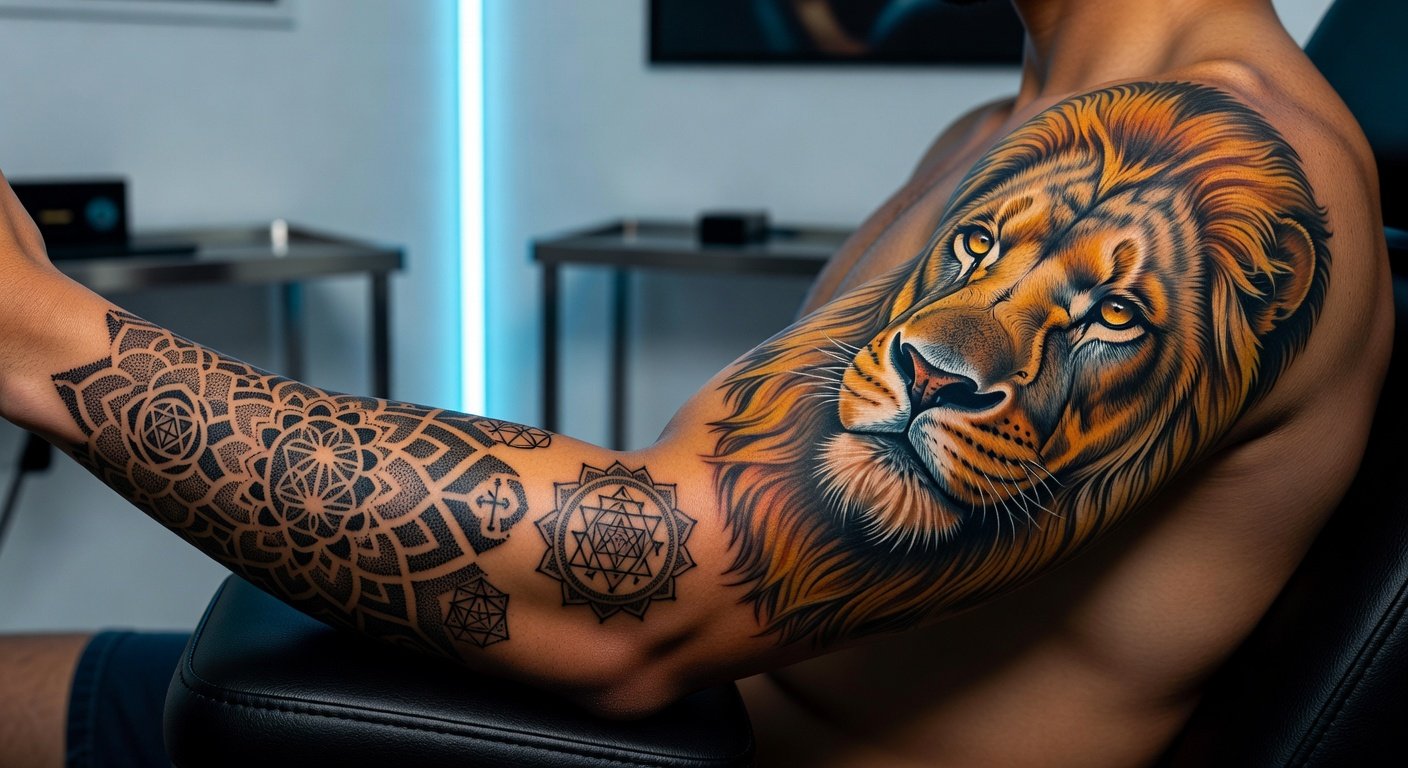
Dotwork vs Realism: Tattoo Styles Dominating 2026
In the ever-evolving world of body art, 2026 sees dotwork and realism tattoos leading the charge among top legends and creators. These styles offer unique aesthetics, from the meditative precision of dotwork to the lifelike intensity of realism. Favored by artists like Mo Ganji for dotwork's geometric hypnosis and Nikko Hurtado for realism's photorealism, they cater to diverse client visions. This guide compares techniques, tools, healing times, client appeal, and provides artist advice with real-world examples.
Whether you're a tattoo enthusiast dreaming of your next piece or an artist selecting styles per project, understanding these differences is key to timeless ink.
What is Dotwork Tattooing?
Dotwork tattoos use thousands of tiny dots to create shading, patterns, and images. Originating from ancient tribal practices and popularized in modern sacred geometry, it's hypnotic and intricate. In 2026, legends like Thomas Hooper blend it with blackwork for bold, meditative designs—think mandalas, skulls, and animals emerging from pointillism.
- Signature Look: Stippled gradients, no solid lines, ethereal flow.
- Popular Motifs: Sacred symbols, nature fractals, cosmic scenes.
What is Realism Tattooing?
Realism aims for hyper-photorealistic replication of life—portraits, animals, eyes that stare back. Pioneered by artists like Carlos Torres and gaining traction with AI-enhanced references in 2026, it's favored for memorials and lifelike tributes. Creators like Rodrigo Campos push boundaries with 3D shading and micro-details.
- Signature Look: Smooth blends, fine lines, depth via light/shadow.
- Popular Motifs: Human faces, wildlife, hyper-detailed objects.
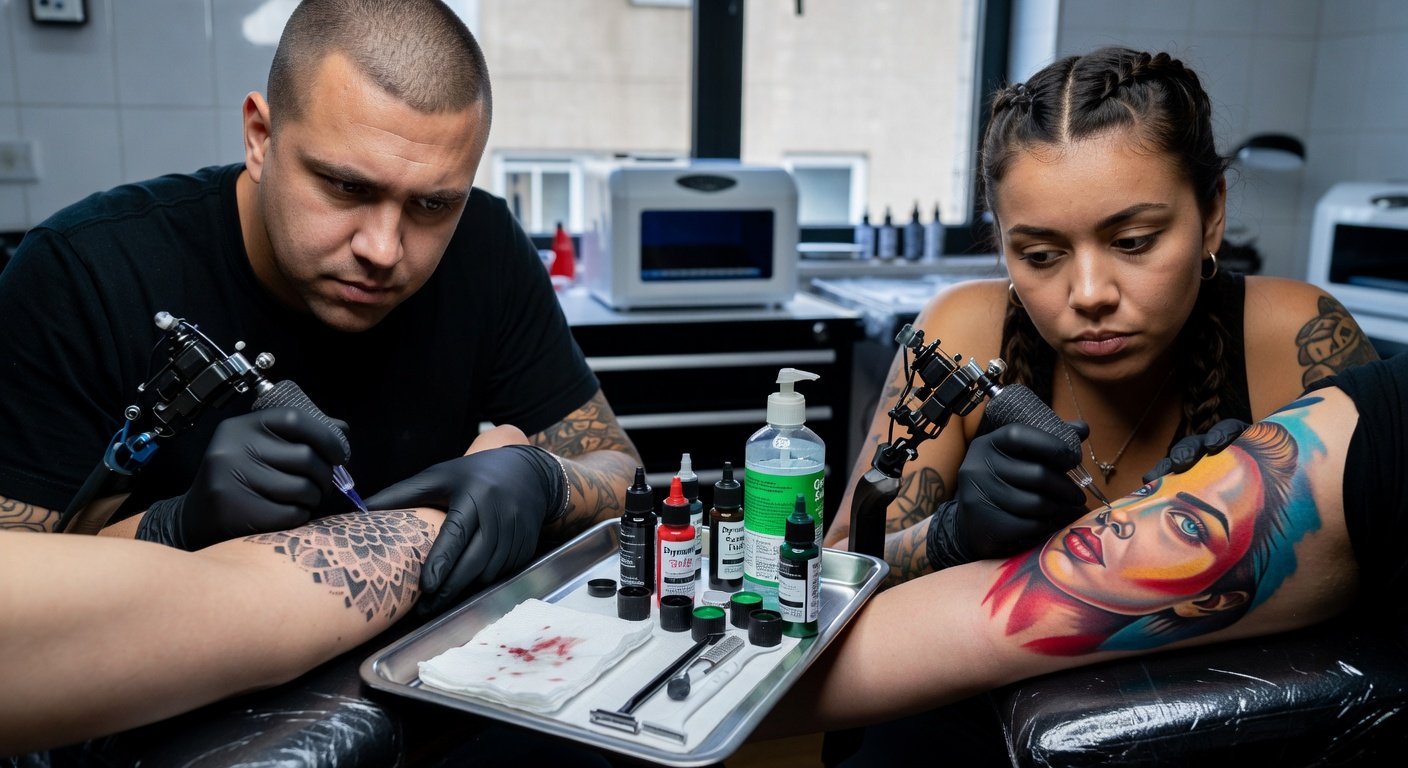
Techniques Breakdown: Precision vs Photorealism
Dotwork relies on meticulous dot placement for shading. Artists build density gradually—sparse dots for highlights, packed for shadows. Techniques include:
- Single-needle stippling for fine control.
- Mag shading (manual dotting) for organic variation.
- Layered passes to avoid blowouts.
Realism demands mastery of gradient work and color theory. Key methods:
- Whip shading for soft transitions.
- Packing colors for saturation without patchiness.
- Negative space for highlights, mimicking skin tones.
Dotwork's slowness (up to 10 hours per sleeve) contrasts realism's speedier sessions (4-6 hours for portraits) but requires similar patience for perfection.
Tools of the Trade: Machines, Needles, and Inks
Both styles thrive on rotary or coil machines, but specifics differ.
| Aspect | Dotwork | Realism |
|---|---|---|
| Machine | Low-power rotaries (e.g., Cheyenne Hawk) for dots | Versatile liners/packers (e.g., Bishop) |
| Needles | Single or 3RL for dots; magnums rare | RL/RS for lines; M1/RS for shading |
| Inks | Black only or diluted grays | Full color spectrum, UV-reactive options |
For more on safe inks, check the FDA's guidelines on tattoo products.
Healing Times: Expectations and Aftercare
Healing varies by style density and skin type, but both typically take 2-4 weeks for surface healing and 3-6 months full.
- Dotwork: Dots heal faster superficially (10-14 days) due to minimal trauma, but dense areas risk ink migration if not stretched properly. Low color use aids fading resistance.
- Realism: Color saturation prolongs peeling (14-21 days); multilayered work needs vigilant aftercare to prevent blurring. Hyper-realism on bony areas (e.g., ribs) heals slowest.
Pro tip: Use fragrance-free ointments. For detailed aftercare, visit Mayo Clinic's resources on skin care.
Client Appeal: Who Chooses What in 2026?
Dotwork draws spiritual seekers and minimalists—40% of 2026 bookings per industry surveys—for its zen vibe and scalability (wrist to full-back).
Realism captivates storytelling clients, especially Gen Z memorializing loved ones (55% preference). Its emotional punch drives premium pricing ($200+/hour).
Trends show hybrids rising: dotwork realism portraits for subtle drama.
Artist Advice: Choosing the Right Style Per Project
Select based on client anatomy, lifestyle, and vision. Real-world examples:
- Curvy Areas (Thighs, Arms): Dotwork—dots forgive movement. Example: Mo Ganji's flowing octopus on a dancer's forearm, enduring years of flexing.
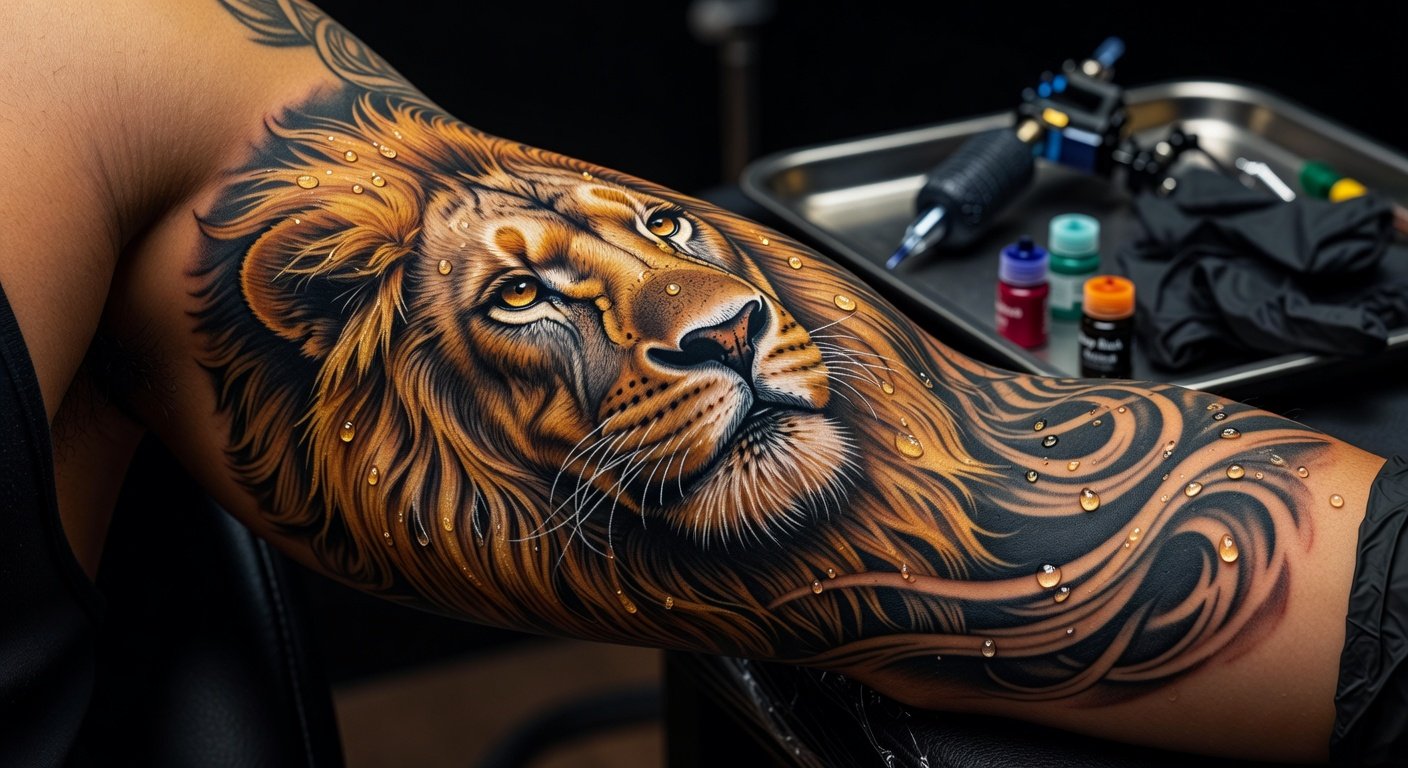
- Flat Surfaces (Chest, Back): Realism shines. Nikko Hurtado's lion portrait on a client's pecs captures muscular depth.
- High-Visibility (Hands, Neck): Dotwork for subtlety; realism risks fade. Thomas Hooper's hand mandala vs. a faded realism eye.
- Color vs Black: Realism for vibrancy; dotwork for bold monochrome.
Test with stencils. Consult placement: realism needs stable skin; dotwork suits textured areas. In 2026, VR previews help clients visualize.
Bonus: For active clients, dotwork's resilience edges out; professionals favor realism for portfolios.
Future-Proof Your Ink: Final Thoughts
Dotwork and realism represent 2026's tattoo pinnacle—timeless yet innovative. Top legends prove versatility wins: master both for endless projects. Research artists via portfolios, prioritize hygiene, and ink intentionally. Your skin canvas awaits its masterpiece.
No comments yet. Be the first!