 Inked Mythos
Introduction to Neo-Traditional Color Blending in 2026
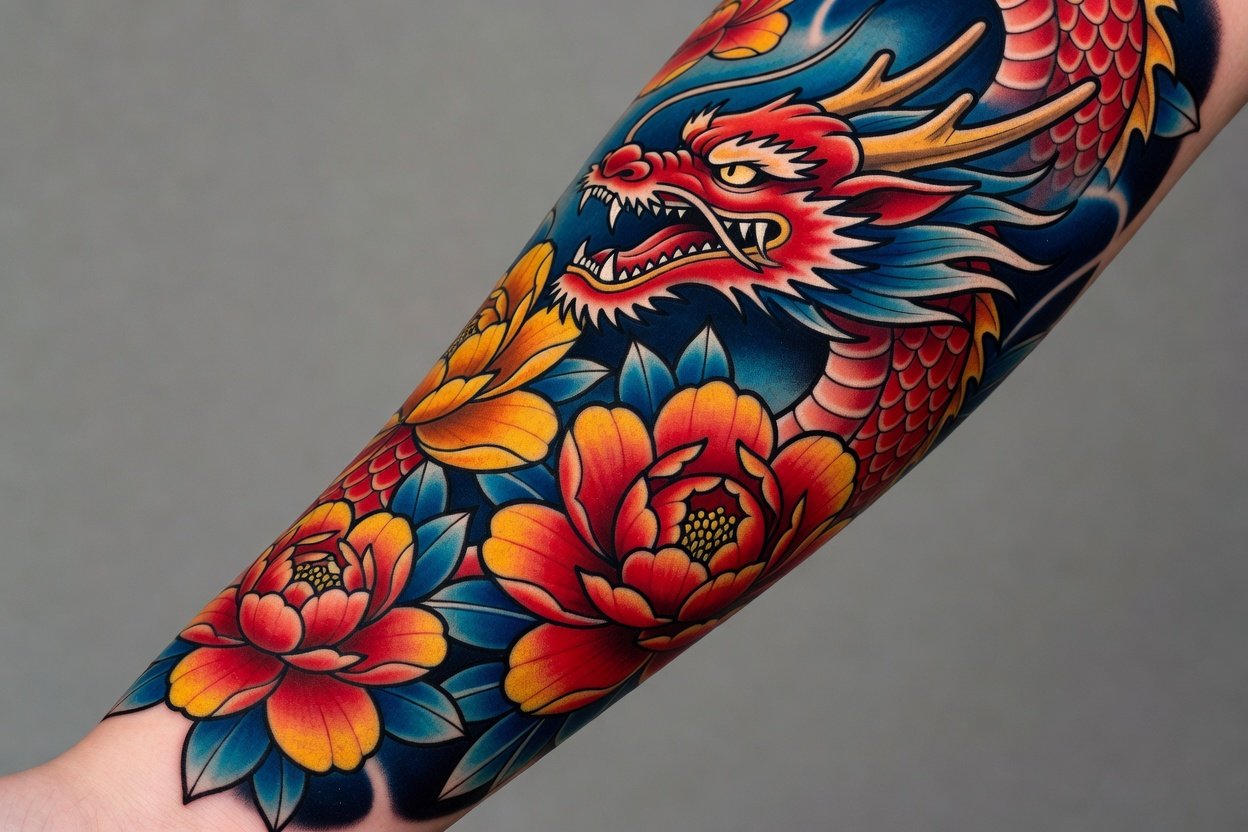
Neo-traditional tattooing continues to evolve, blending bold outlines with vibrant, saturated colors. In 2026, artists are refining color blending techniques to create smoother gradients and more dynamic depth. This approach builds on classic American traditional styles while incorporating modern pigment science and precision tools. Whether you are an established ink artist or advancing your skills, mastering these methods can significantly elevate portfolio quality and client retention. The demand for highly detailed, colorful neo-traditional pieces has grown as clients seek tattoos that stand out with rich hues and seamless transitions rather than flat applications.
The search for skill elevation in this niche often centers on practical, actionable insights. This guide explores gradient transitions, layering strategies, recommended tools, real-world examples, skin considerations, and aftercare protocols tailored specifically for neo-traditional work. By the end, you will have concrete steps to implement immediately in your studio practice.
Advanced Gradient Transitions for Seamless Results
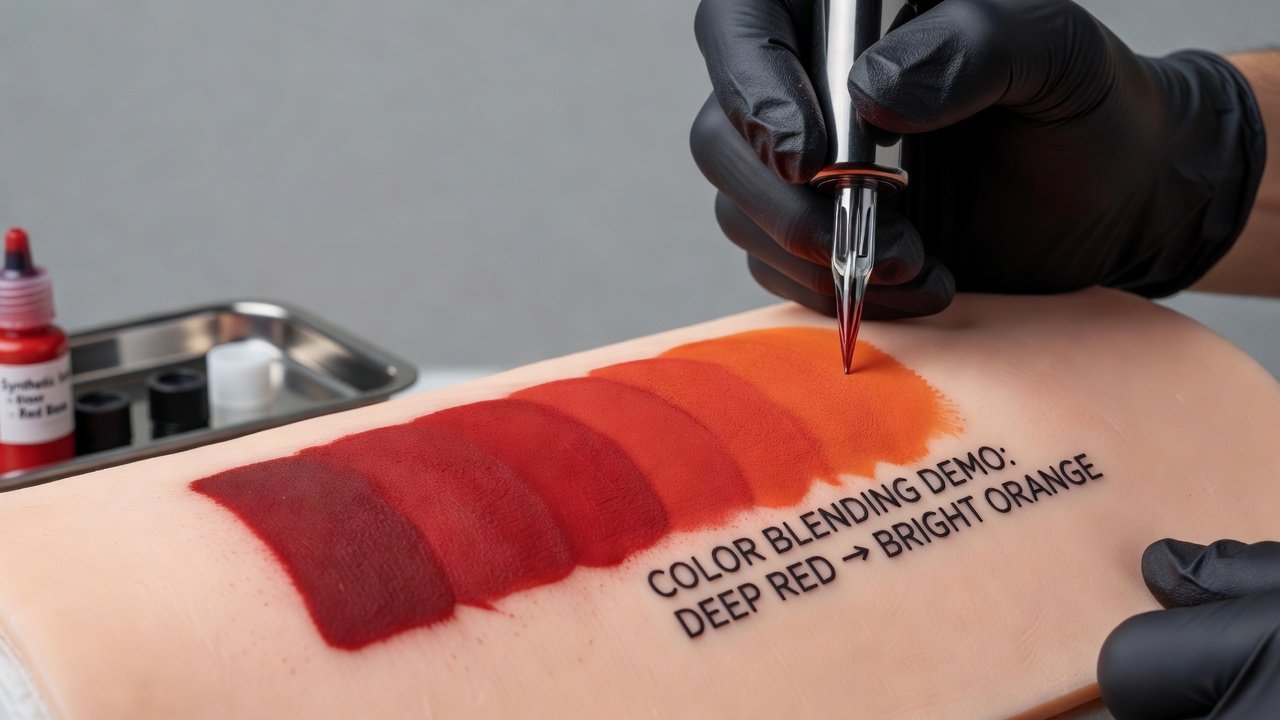
Gradient transitions form the backbone of neo-traditional color work. Unlike flat fills, successful gradients require controlled dilution and machine settings that allow pigments to blend without muddiness. Artists achieve this by working in thin layers, starting with the lightest hue and gradually introducing darker tones while the skin is still receptive. Understanding how light interacts with layered pigments helps create the illusion of depth that defines the style.
Key to success is understanding pigment particle size and how it interacts with different skin densities. Practice on synthetic skins first to calibrate pressure and speed. A common method involves using a three-color palette: base, mid-tone, and accent. Blend the mid-tone into the base at 50% saturation before introducing the accent at the edges. Experiment with varying needle angles to control how much pigment deposits in each pass, ensuring the transition appears natural under different lighting conditions.
Common Gradient Challenges and Solutions
One frequent issue is banding, where distinct lines appear instead of smooth blends. This often results from inconsistent speed or pressure. To avoid it, maintain steady hand movement and use a consistent voltage setting on your machine. Another challenge is color dulling after healing, which can be mitigated by selecting pigments formulated for higher saturation and testing them on practice skins that mimic real skin texture.
Pigment Layering Techniques
Layering pigments correctly prevents color migration and ensures longevity. Begin with a solid base layer using a larger needle grouping, then refine with finer groupings for transitions. Allow each layer to settle for 10-15 minutes before adding the next to avoid oversaturation. This staged approach allows the skin to absorb the pigment evenly and reduces trauma that could lead to blowouts or uneven healing.
Many professionals recommend using water-based mixing solutions in controlled ratios to maintain vibrancy. This technique helps achieve the signature neo-traditional pop while preserving detail in shadows and highlights. Consider the order of application carefully: lighter colors first, followed by darker shades, and finally accents for highlights. Document your ratios and techniques in a studio notebook to replicate successful blends across multiple clients.
Tool Recommendations for 2026 Artists
Modern tattoo machines with adjustable stroke lengths and wireless power supplies offer greater control for blending. Cartridge needles in 7-9 round liners paired with 15-17 magnum shaders deliver optimal results for large color areas. High-quality pigments from established manufacturers ensure consistency across sessions. Artists also benefit from digital reference tools and color wheels designed for skin undertones. These aids help predict how colors will heal on various complexions.
Additional accessories such as adjustable grips and ergonomic machine weights can reduce hand fatigue during long blending sessions. Investing in quality power supplies with precise voltage readouts allows fine-tuning for different skin types and pigment viscosities. Many top artists also incorporate magnification lamps and LED lighting setups that reveal subtle color shifts during the process.
Practical Steps to Refine Your Techniques
- Study healed work from established artists to analyze gradient longevity and note which color combinations hold up best over time.
- Practice daily on synthetic canvases using timed blending drills that focus on specific transition zones such as petal edges or fur textures.
- Document each session with photos taken at consistent intervals to track healing and identify patterns in how your blends settle.
- Experiment with one new color combination per week to expand your palette while keeping records of machine settings used.
- Seek peer feedback through professional tattoo communities and attend workshops focused on color theory applications in tattooing.
- Record video of your hand movements during blending to self-assess technique and make incremental improvements.
Client Consultation Tips
Effective consultations begin with discussing lifestyle factors that affect color retention, such as sun exposure and skincare routines. Show clients healed examples of similar designs to set realistic expectations. Always review medical history and perform patch tests when introducing new pigments. Ask about previous tattoo experiences to gauge pain tolerance and healing tendencies. Provide visual mockups using digital editing software to align on placement, size, and color intensity before the session begins.
Comparisons with Traditional Approaches
Traditional American tattoos often rely on bold black outlines and limited color palettes. Neo-traditional expands this with softer shading, more colors, and intricate gradients. The result is greater visual depth but requires more technical precision during application. Traditional methods may heal faster in some cases, while neo-traditional demands stricter aftercare to maintain saturation. The extra time spent on blending in neo-traditional work often translates to higher client satisfaction when the final healed result showcases vibrant, multi-dimensional color fields.
Real-World Examples from Tattoo Legends
Artists like those featured in major conventions demonstrate these techniques through large-scale pieces such as neo-traditional roses with multi-tone petals or animal portraits featuring subtle fur gradients. Observing their layering order provides valuable learning opportunities for emerging professionals. One notable example involves a full back piece with a neo-traditional phoenix where the flame gradients transition from deep crimson to bright gold using five distinct layers. Another artist has popularized neo-traditional koi fish designs where water reflections are created through precise blue-to-white blends that remain crisp years after application.
Skin Type Considerations
Different skin types respond uniquely to color blending. Oily skin may require slower machine speeds to prevent pigment push-out, while dry skin benefits from extra hydration prep before the session. Always adjust needle depth according to observed skin thickness and elasticity. For sensitive skin, reduce session length and incorporate more frequent breaks to minimize irritation. Darker skin tones often need higher contrast pigments and additional layers to achieve visible vibrancy, whereas fair skin can show more subtle transitions with fewer passes.
Aftercare Advice
Proper aftercare is essential for preserving blended colors. Recommend clients follow guidelines from CDC and FDA resources on tattoo healing. Keep the area clean, avoid direct sunlight, and use fragrance-free moisturizers. Schedule follow-up appointments at four to six weeks to assess color settling and make any necessary touch-ups. Advise against swimming or heavy sweating for at least two weeks and suggest loose clothing to prevent friction on the tattooed area during the initial healing phase.
Mistakes to Avoid
- Over-saturating the skin in one pass, which leads to poor healing and color loss.
- Ignoring undertones when selecting colors, resulting in unexpected shifts after healing.
- Skipping practice on synthetic skin before live clients, causing inconsistent results.
- Using incompatible pigments from different brands without testing blends first.
Conclusion
Mastering 2026 neo-traditional color blending empowers ink artists to deliver standout work that clients cherish for years. By focusing on gradients, layering, and client-centered practices, you can build a stronger portfolio and foster lasting professional relationships. Consistent application of these principles will distinguish your work in a competitive field.
No comments yet. Be the first!