 Inked Mythos
Introduction to Geometric Tattoos in 2026
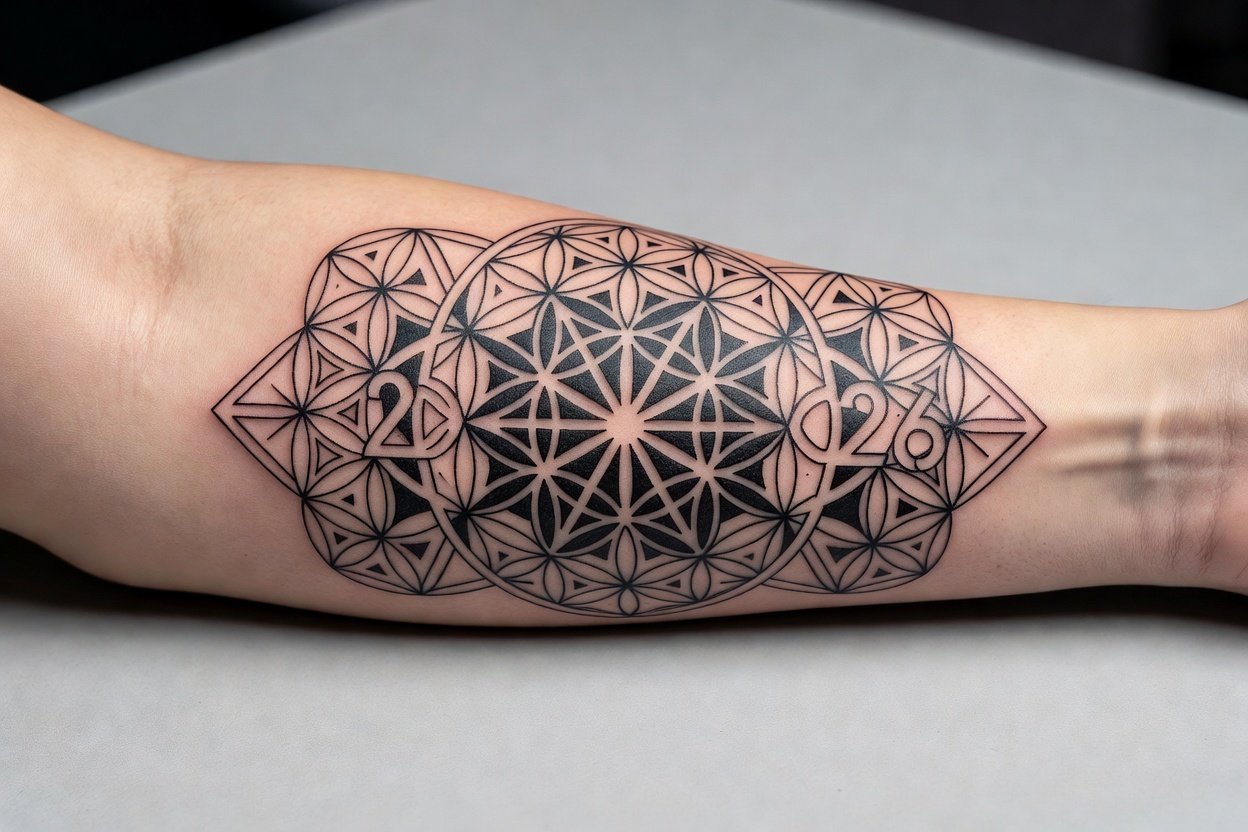
Geometric tattoos have evolved into a sophisticated style that demands technical mastery from ink artists. In 2026, the focus remains on clean execution, mathematical precision, and creative integration with the human form. This guide delivers actionable techniques for tattoo artists seeking to elevate their craft beyond basic patterns into professional-level work that stands out in portfolios and client results. Artists who specialize in this style often draw from sacred geometry, mandalas, and architectural forms. The style rewards those who invest time in understanding proportion and balance, making it ideal for clients wanting timeless, meaningful body art. Building on the success of neo-traditional techniques, geometric work offers a structured yet artistic approach that appeals to a growing clientele seeking modern, minimalist yet intricate designs.
Success in this niche requires ongoing practice, attention to emerging tools, and a deep understanding of how designs interact with skin movement and healing processes. Many top artists report that geometric pieces require more upfront planning than organic styles, but the payoff comes in client satisfaction and repeat referrals.
Precision Line Work Techniques
Achieving flawless lines requires consistent machine control and an understanding of skin tension. Start by practicing on synthetic skins with varying needle groupings, focusing on steady hand speed to avoid blowouts. Leading creators recommend using rotary machines with adjustable stroke lengths for finer control on curved body areas such as wrists, ribs, and ankles. Key drills include drawing straight lines of varying thicknesses and transitioning smoothly into curves without lifting the needle. Real-world examples from artists featured at international tattoo conventions demonstrate that micro-adjustments in voltage, typically between 7.5 and 9 volts depending on machine type, can dramatically improve line consistency on different skin textures. Artists often layer multiple passes with lighter pressure on the second pass to achieve uniform saturation without trauma.
Symmetry Tools and Methods
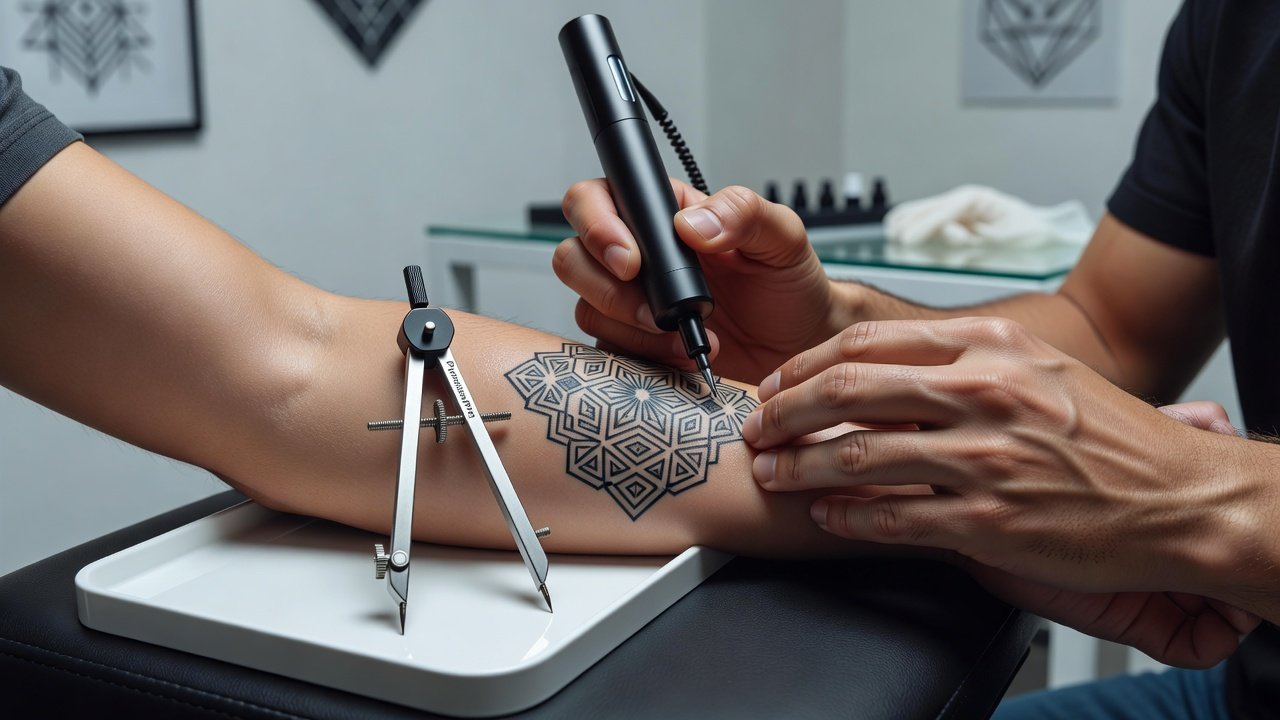
Symmetry is the backbone of geometric work. Modern artists rely on digital apps combined with physical tools such as flexible rulers, compasses, and laser projectors. These tools help map designs directly onto the body before stenciling begins. One effective method involves creating a central axis reference point and mirroring elements outward. This approach minimizes errors on bilateral placements like chest pieces or back tattoos. Practice sessions with these tools build muscle memory for faster client sessions, allowing artists to complete complex symmetrical designs in fewer hours while maintaining accuracy.
Negative Space Integration
Negative space adds breathing room and visual impact. Instead of filling every area, strategic blank skin creates contrast that makes lines pop. Artists often plan negative space during the initial sketch phase, treating it as an active design element rather than empty filler. Examples include incorporating skin breaks within mandala patterns to form secondary shapes visible only at certain angles. This technique enhances depth without additional shading layers and can make a piece appear more dynamic as the body moves.
Modern Stencil Methods
Stencil technology has advanced with thermal printers and custom transfer papers that capture intricate details. For 2026 workflows, many artists combine hand-drawn elements with digitally printed stencils for hybrid precision. Always test stencil adhesion on the specific skin area to prevent smudging during the tattooing process. Some professionals now use augmented reality apps to preview stencil placement in real time, reducing placement errors by up to 40 percent according to recent artist surveys.
Client Consultation Frameworks
Effective consultations begin with understanding the client's vision, lifestyle, and pain tolerance. Use visual references and digital mockups to align expectations. Document measurements and placement preferences to avoid revisions later. A structured framework includes discussing size scalability, healing considerations, and long-term maintenance. Artists should also cover aftercare protocols early, referencing guidelines from health authorities to ensure clients understand proper healing steps that preserve crisp geometric lines.
Skin-Type Considerations
Different skin types react uniquely to geometric tattoos. Oily skin may require tighter line spacing to prevent ink spread, while dry or mature skin benefits from gentler needle depths. Always assess elasticity and undertones during consultations to select appropriate ink colors and techniques that maintain vibrancy over time. For clients with sensitive skin, patch testing inks and using hypoallergenic options is recommended. Resources such as CDC guidelines on tattoo safety and WHO health standards provide valuable background for advising clients on potential reactions and aftercare best practices.
Comparisons to Realism or Dotwork
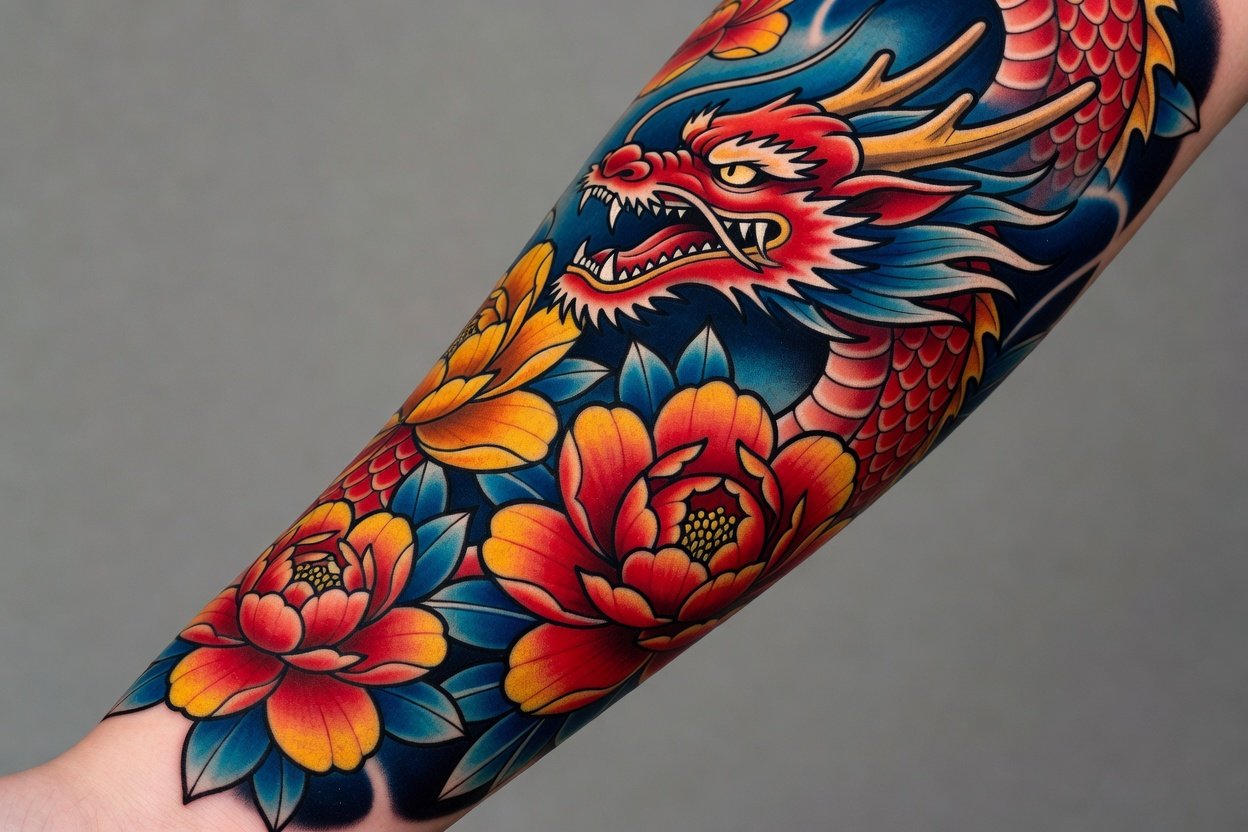
Geometric tattoos differ from realism by prioritizing structure over photorealistic detail. Compared to dotwork, they offer sharper definition with fewer sessions needed for completion. Decision-making should factor in client preference for boldness versus subtlety, as geometric designs often age more gracefully due to their bold outlines. Realism may require more sessions for shading gradients, while dotwork can blur over time on certain skin types. A quick comparison list helps clients decide: geometric excels in precision and symmetry; realism suits narrative storytelling; dotwork offers texture but slower execution.
Step-by-Step Workflow Tips
- Research and sketch the design with symmetry checks using both digital and analog tools.
- Map the placement using symmetry tools on the client, marking key reference points.
- Apply modern stencils and verify alignment from multiple angles under studio lighting.
- Execute outline work in sections, starting from the center and moving outward.
- Integrate negative space and refine details with lighter passes for even saturation.
- Review the piece under different lighting before finishing, and photograph for portfolio use.
Recommended Equipment Updates for 2026
Artists should consider updated rotary machines with wireless capabilities and improved needle cartridges designed for fine line stability. High-quality transfer solutions and adjustable lighting systems enhance accuracy during long sessions. Staying current with these tools supports consistent results across diverse client bases. Many professionals also invest in ergonomic chairs and magnification lamps to reduce fatigue during detailed work.
Real Artist Case Studies
Case studies from established creators demonstrate how combining traditional compass techniques with digital planning leads to standout pieces. One artist completed a full sleeve featuring interlocking polyhedra by layering negative space strategically, resulting in a design that photographs exceptionally well and heals with minimal touch-ups. Another focused on forearm mandalas, using skin-type adjustments to ensure crisp healing on textured areas. A third case involved a large back piece where laser projection tools helped achieve perfect radial symmetry across the spine, impressing the client and generating significant social media engagement.
Common Mistakes to Avoid
Many artists new to geometric work rush the planning stage, leading to symmetry issues that are difficult to correct mid-session. Another frequent error is ignoring skin movement, which can distort lines once the tattoo heals. Overpacking ink in small areas also causes blowouts. Always allocate extra time for mapping and test placements before committing to the final stencil.
FAQ on Common Design Challenges
- How do I fix uneven symmetry mid-session? Pause, re-measure the axis, and adjust remaining sections accordingly while communicating clearly with the client.
- What if lines appear inconsistent on curved surfaces? Reduce machine speed and use shorter strokes while maintaining even pressure; consider breaking the design into smaller segments.
- How to handle client requests for overly complex designs? Simplify during consultation while preserving core geometric intent, and offer phased sessions if needed.
- Which inks hold up best for fine geometric lines? High-quality black inks with strong pigment load perform best; always check for recent formulation updates as of 2026.
Conclusion
Mastering geometric tattoos in 2026 requires dedication to precision and ongoing education. By applying these techniques, ink artists can deliver work that resonates with clients and elevates their professional reputation. Continuous practice with new tools and thoughtful client engagement ensures lasting success in this dynamic style.
No comments yet. Be the first!