 Inked Mythos
Introduction to Blackwork Mastery in 2026
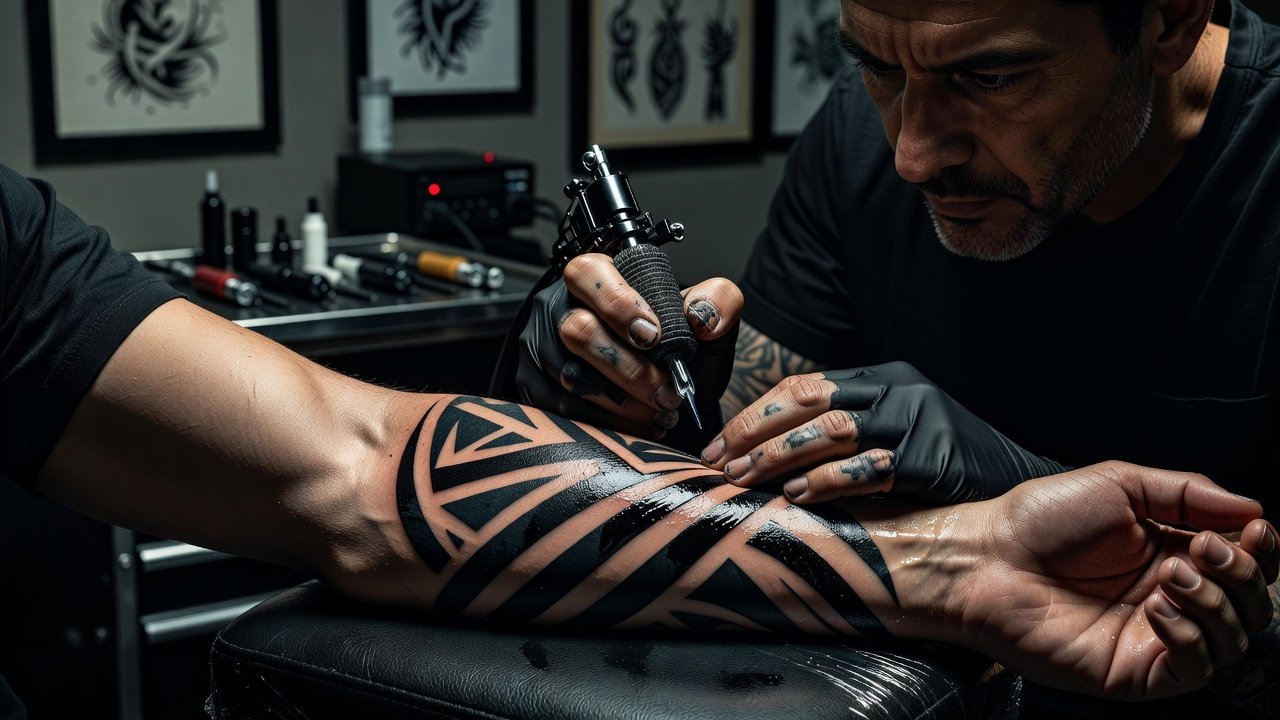
Blackwork tattooing remains a dominant force in contemporary body art, celebrated for its bold graphic impact and timeless appeal. As tattoo artists pursue mastery in 2026, advanced techniques in precision line work, gradient shading, and strategic design become critical for creating pieces that captivate and endure. This comprehensive guide provides in-depth, actionable advice tailored for professionals seeking to elevate their craft, from studio setup to final healing stages. Whether working on intricate sleeves or expansive back pieces, understanding the nuances of blackwork ensures superior results that align with client visions and industry standards.
Precision Line Work Fundamentals
Precision line work serves as the structural foundation of every blackwork tattoo. Artists must prioritize consistency in needle depth and hand control to achieve clean, sharp lines that heal without blurring. Begin practice sessions on synthetic skin pads, focusing on straight lines, curves, and geometric patterns at varying speeds. For real clients, maintain a relaxed grip on the machine while applying even pressure. Examples include using a 3RL needle for fine details in mandala designs or a 7RL for bolder outlines in tribal motifs. Always stretch the skin taut during application to minimize movement and ensure uniformity across the entire composition.
Advanced Techniques for Line Consistency
Incorporate single-pass methods where possible to reduce trauma. Multiple passes can lead to blowouts if not executed carefully. Study the flow of the design beforehand, mapping out anchor points on the body to guide your hand. Successful artists often reference anatomical landmarks, such as muscle contours, to adapt lines dynamically. This approach prevents distortion when the client moves or flexes post-healing.
Gradient Shading Methods
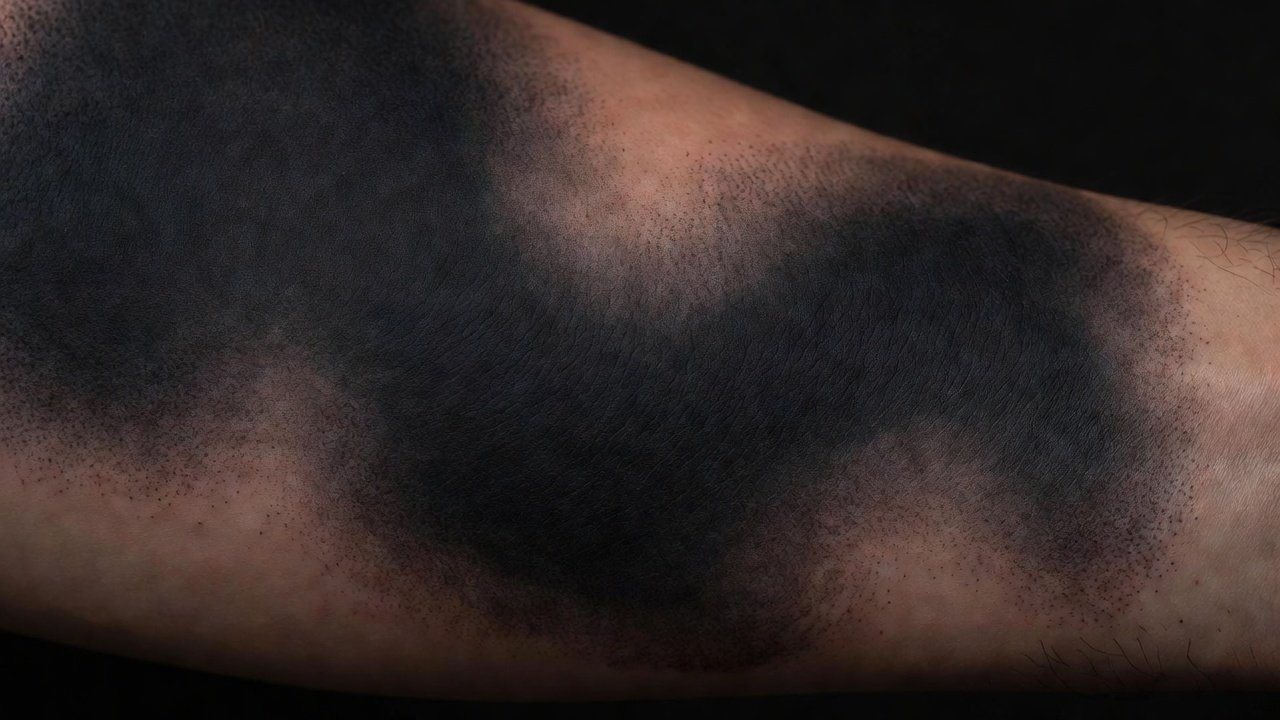
Gradient shading brings depth and realism to blackwork without introducing color. Techniques like whip shading involve quick, flicking motions to deposit ink lightly at the edges, while pendulum shading uses a swinging motion for even coverage in larger areas. Layer ink in thin applications, allowing each layer to settle for several minutes before continuing. This prevents patchiness and creates seamless transitions from solid black to soft greys. For instance, in a geometric sleeve, start with dense packing in focal points and dilute outward to blend with negative space.
Recommended Tools and Inks
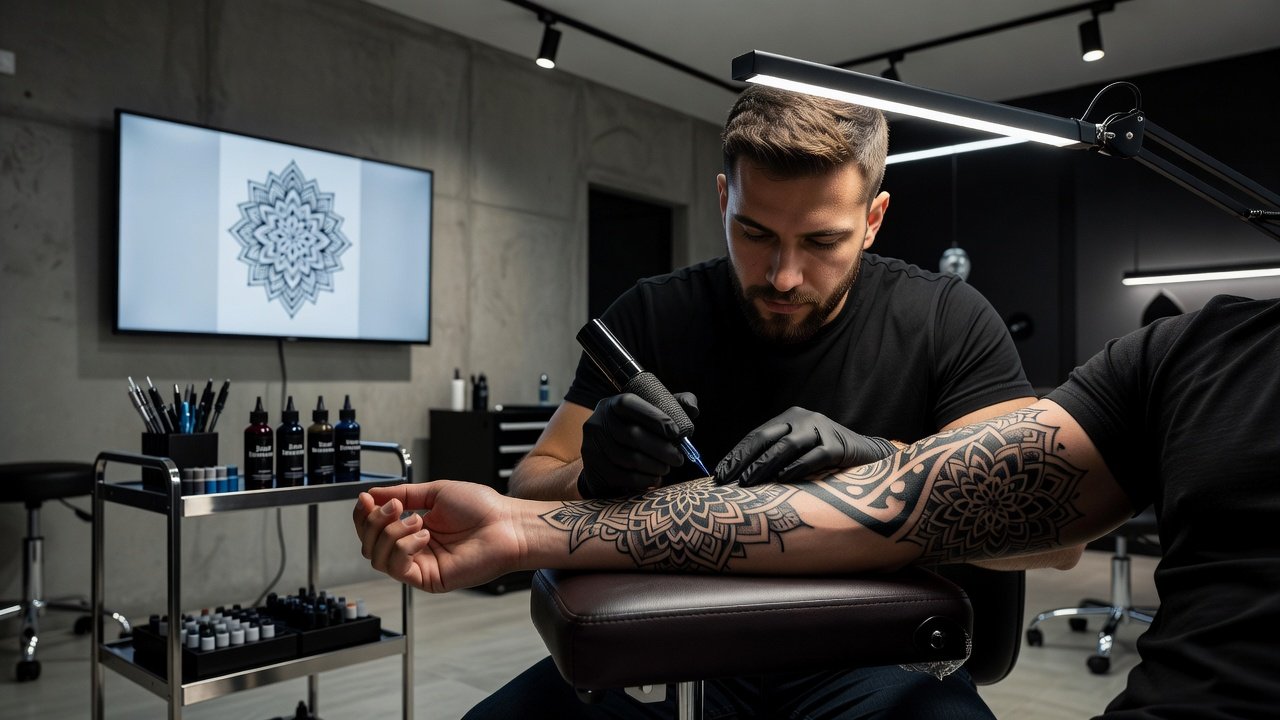
High-quality rotary machines offer the control needed for extended sessions typical in blackwork. Pair these with needles suited to the task, such as magnum configurations for shading and round liners for outlines. Inks should feature strong pigmentation and minimal spread; select formulas tested for stability across skin types. Maintain equipment through regular sterilization protocols to uphold safety and performance during every appointment.
Skin Type Considerations
Understanding skin variations is vital for optimal outcomes. Oily skin often demands firmer packing to achieve saturation because sebum can interfere with ink retention. Dry or sensitive skin requires gentler passes and frequent breaks to avoid irritation or excessive swelling. Elasticity plays a role too—thinner skin on areas like the inner arm needs shallower needle depths, while thicker skin on the back allows for deeper saturation. During assessments, test small areas if possible and adjust based on observed responses.
Designing Large-Scale Pieces
Large-scale blackwork demands meticulous planning. Begin with detailed sketches that account for body movement and proportions. Divide the design into zones, completing one section per session to manage time and client comfort. Use stencil applications that follow natural curves, and incorporate negative space to enhance visual flow. Practical steps include photographing the client's body from multiple angles for reference and creating mockups in digital software before finalizing.
Client Consultations and Expectations
Thorough consultations build trust and clarify goals. Review lifestyle habits that influence healing, such as sun exposure or physical activity. Present visual references and discuss placement options thoroughly. Document all details, including skin condition notes, and confirm understanding of the design's scale and longevity. This process minimizes revisions and fosters collaborative creativity.
Aftercare Protocols
Aftercare directly impacts the final appearance. Advise clients to cleanse gently with fragrance-free soap and apply thin layers of recommended moisturizers. Avoid submerging the tattoo in water for the first two weeks and protect it from direct sunlight. Schedule follow-up checks at key intervals to monitor progress and address issues like scabbing or fading early. Guidelines from the CDC emphasize hygiene practices that reduce infection risks during recovery.
Comparisons to Neo-Traditional Approaches
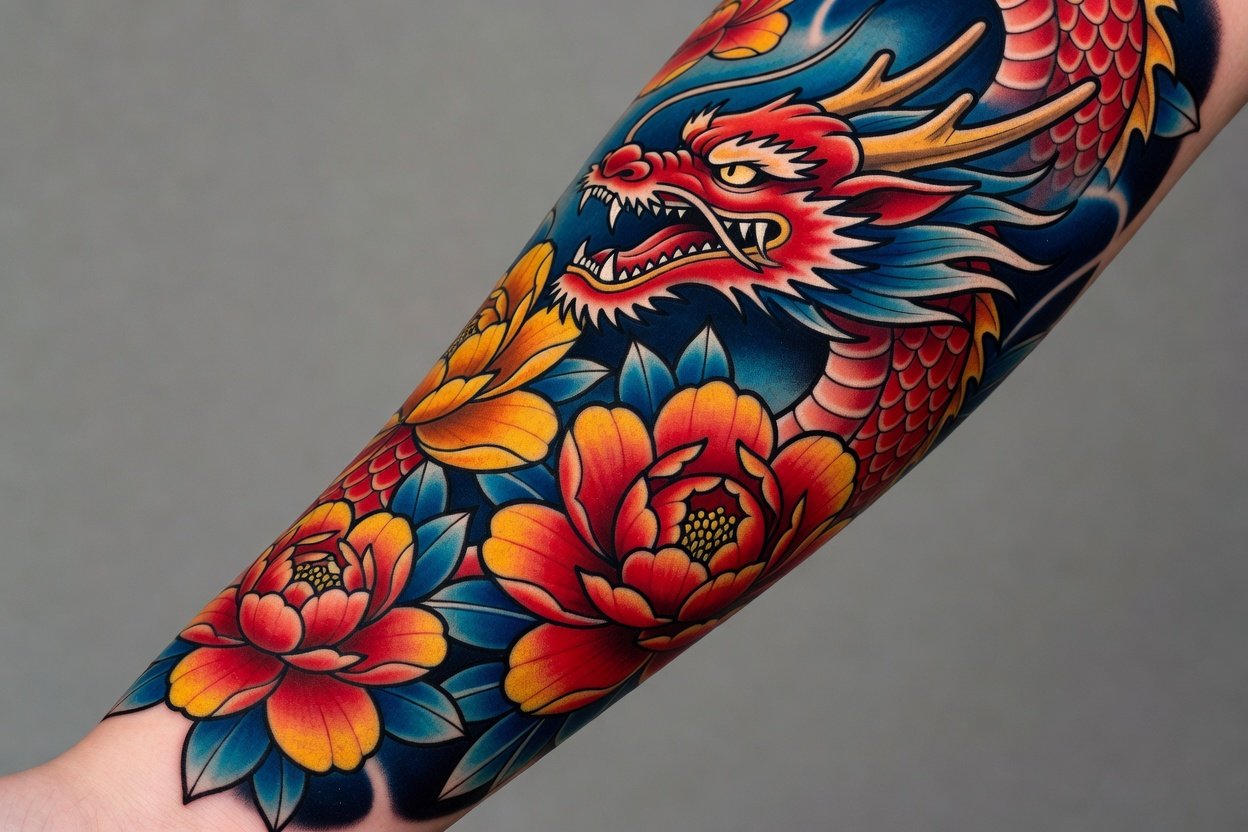
Blackwork focuses on high-contrast solids and graphic simplicity, contrasting with neo-traditional's illustrative shading and color vibrancy. Transitioning artists benefit from exercises in monochrome reduction, learning to convey form through value alone rather than hue. This distinction allows blackwork to age more gracefully in some cases, as bold lines resist fading better than delicate color work.
Case Studies from Tattoo Legends
Prominent figures in the industry have showcased blackwork excellence through full-torso projects incorporating sacred geometry and cultural patterns. One artist completed a client’s back piece over six sessions, using gradient techniques to create illusory depth that evolved beautifully during healing. Another legend applied precision lines to a sleeve inspired by architectural motifs, adjusting for the client’s active lifestyle to ensure durability. These examples underscore the value of adaptive planning and technical precision in achieving standout results.
Mistakes to Avoid in Blackwork
- Overpacking ink in one pass, which causes blowouts and uneven healing.
- Ignoring body contours, leading to distorted designs post-session.
- Skipping proper aftercare education, resulting in client dissatisfaction.
- Using inconsistent needle depths across similar line weights.
Building Your Professional Portfolio
Document healed work with consistent lighting and angles to demonstrate skill progression. Share process videos highlighting technique application to attract clients seeking advanced blackwork. Collaborate with other artists for critiques that refine your approach and expand stylistic range.
FAQ: Common Challenges
- Ink saturation issues: Build layers gradually and test ink flow on practice surfaces first.
- Healing problems: Adjust based on skin feedback and recommend moisture balance per WHO health standards.
- Design longevity: Emphasize high-contrast elements that maintain visibility over years.
- Client movement during sessions: Use positioning aids and frequent breaks for comfort.
- Adapting to different body areas: Map elasticity variations and modify pressure accordingly.
Conclusion
Mastering blackwork techniques in 2026 empowers tattoo artists to deliver exceptional graphic art that resonates deeply. By integrating these detailed methods into daily practice, professionals can achieve greater precision, client satisfaction, and artistic growth in this evolving field.
No comments yet. Be the first!