 Inked Mythos

Introduction: Turning Passions into Permanent Art
Many people seek tattoos that reflect their deepest interests rather than generic designs. Hobbies such as gardening, gaming, cooking, hiking, music, reading, and photography often translate into meaningful body art that tells a personal story. This approach creates unique tattoo ideas tied directly to lifestyle, making the ink feel authentic and enduring. In today’s tattoo culture, individuals increasingly view body art as an extension of their daily routines and lifelong pursuits, turning fleeting moments of joy into lasting visual narratives. Whether it is the quiet satisfaction of tending a garden or the adrenaline of completing a difficult game level, these passions deserve celebration through thoughtful ink.
In this article we examine seven real-world examples of hobby-driven tattoos. Each case highlights design choices, placement decisions, and emotional significance while offering practical steps for anyone considering similar work. Readers searching for inspiration will find concrete examples that demonstrate how to move from concept to finished piece without losing the original spark of the hobby.
Case Study 1: The Gardener’s Sleeve
A 34-year-old botanist chose a full sleeve featuring native wildflowers, soil cross-sections, and subtle root systems. The design wraps around the forearm to symbolize growth cycles. Placement on the inner arm allows the tattoo to remain visible during daily activities yet hidden professionally when needed. Additional elements include seasonal color shifts using muted earth tones that age gracefully. The client reported that the tattoo serves as a daily reminder of patience and resilience learned through years of cultivation.
Case Study 2: Gaming-Inspired Geometric Chest Piece
An avid gamer commissioned a chest tattoo combining pixel art with organic circuit patterns. The central motif represents a favorite character’s emblem surrounded by level-up symbols. The placement on the upper chest creates a personal shield-like effect that resonates with the client’s sense of identity and resilience. Fine geometric lines frame the design, allowing future additions such as new achievements without disrupting the original composition. Emotional significance stems from memories of overcoming challenges in both virtual worlds and real life.
Case Study 3: Culinary Journey on the Ribcage
A home cook selected a ribcage tattoo showing a knife, herbs, and a steaming bowl rendered in fine-line realism. The placement follows the natural curve of the ribs, turning the body into a canvas that mirrors the flow of a recipe. Symbolic steam lines incorporate dates of significant culinary milestones. The client chose black-and-gray tones for longevity and added negative space to accommodate future elements like new signature dishes. This design captures the sensory pleasure of cooking while honoring family traditions passed down through generations.
Case Study 4: Trail Map on the Calf
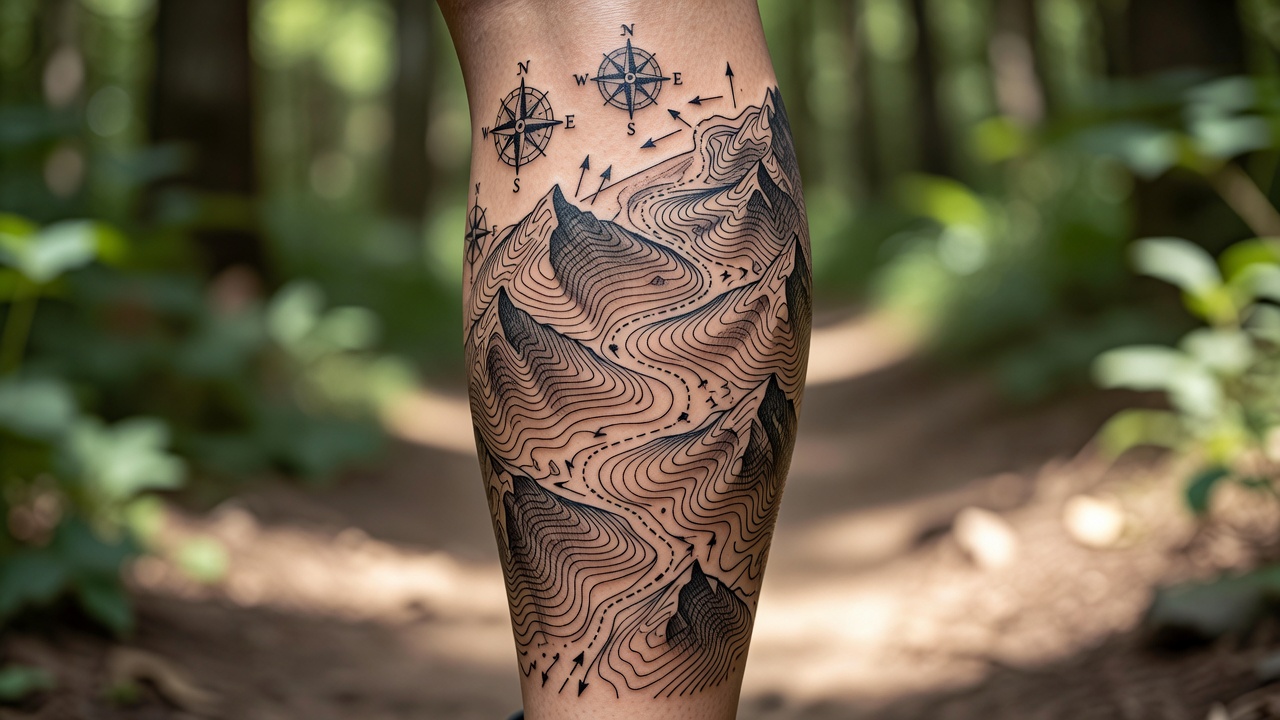
A hiker mapped three favorite mountain trails onto the calf using topographic lines and elevation markers. The vertical placement echoes the upward journey of each hike. Small compass roses mark trailheads, adding both function and personal narrative. The tattoo incorporates subtle trail markers that glow under blacklight, a surprise element discovered during night hikes. This piece serves as both a visual logbook and motivation for future adventures.
Case Study 5: Vinyl Record Collection on the Forearm
A music collector transformed album covers into a forearm band. Negative space between records forms a subtle waveform representing a signature song. The placement allows easy viewing during social gatherings while remaining appropriate for work settings. The design includes micro-details such as record grooves that catch light differently depending on angle, creating a dynamic visual experience. Emotional value lies in preserving memories tied to concerts and personal soundtracks.
Case Study 6: Literary Quote with Book Spine Details
A lifelong reader chose a spine tattoo featuring the first lines of three influential novels. The vertical orientation follows the natural lines of the back, creating a literal bookshelf effect. Small dog-eared page markers add texture and emotional depth. The client added faint highlighter-style shading to emphasize favorite passages, reflecting the interactive nature of reading. Over time, the tattoo has become a conversation starter that connects the wearer to fellow book lovers.
Case Study 7: Camera Lens Mandala on the Shoulder
A photographer designed a shoulder mandala incorporating aperture blades, film grain, and light reflections. The circular placement allows the design to move with the shoulder joint, mimicking the turning of a lens. Color accents change with lighting, echoing photographic principles. The tattoo includes hidden elements visible only in certain angles, much like developing film in a darkroom. This choice celebrates both technical skill and creative vision developed over a decade of practice.
Collaborating with Artists on Custom Motifs
Successful hobby tattoos begin with clear communication. Bring reference photos, mood boards, and written descriptions of your passion. Discuss scale, color palette, and how the design will age. Many artists recommend starting with a small test motif before committing to larger pieces. Effective collaboration also involves sharing stories behind the hobby so the artist can infuse personal nuance into line work and shading. Multiple rounds of revisions are common and help refine symbolic details that might otherwise be overlooked.
Incorporating Symbolic Elements
Symbolic details elevate a hobby tattoo from decorative to deeply personal. Consider seasonal changes in gardening tattoos or controller button combinations in gaming designs. These layers allow the tattoo to evolve in meaning as your relationship with the hobby deepens. For example, a cooking tattoo might later incorporate a family crest or a specific herb that represents a new culinary discovery. Such additions keep the piece alive and relevant across life stages.
Avoiding Common Design Pitfalls
- Overly detailed small tattoos that blur over time; always test scale on paper first
- Placement on high-movement areas without proper line work; consult the artist about joint flex points
- Choosing colors that lack contrast against skin tone; request mockups under different lighting conditions
- Ignoring negative space that could accommodate future additions; plan for at least 20 percent empty space in initial designs
- Selecting trendy motifs without personal connection; ensure every element ties back to your lived experience
Practical Steps to Translate Hobbies into Ink
- Document your hobby with photos and notes for at least three months to identify recurring symbols
- Research artists whose portfolios match your aesthetic by reviewing healed work on social platforms
- Schedule consultations with at least two artists and prepare specific questions about longevity and maintenance
- Review aftercare instructions from authoritative sources such as the CDC
- Plan for touch-ups as part of long-term maintenance and budget accordingly
- Consider body changes such as weight fluctuations when choosing placement
- Discuss expansion possibilities during the initial consultation to future-proof the design
Placement Decisions: Matching Body and Hobby
Placement is as important as the motif itself. Areas with less sun exposure preserve color better, while visible locations amplify storytelling. For active hobbies like hiking or cooking, consider how movement affects the tattoo’s appearance. Clients often choose locations that allow private reflection or public sharing depending on personality and lifestyle.
Maintenance and Evolution of Designs
Regular moisturizing and sun protection keep hobby tattoos vibrant. As passions grow, many people return to their artist for additions that reflect new milestones. This modular approach turns a single tattoo into a living document of personal growth.
Short FAQ
How should I care for vibrant hobby tattoos?
Follow standard aftercare: keep the area clean, moisturized, and protected from sun. The American Academy of Dermatology provides reliable guidance on tattoo healing. Avoid submerging new ink in water for the first two weeks.
Can designs evolve as passions change?
Yes. Many clients add elements over time or incorporate new symbols that reflect shifting interests. Discuss expansion possibilities during the initial consultation.
What if my hobby involves specific tools or equipment?
Incorporate realistic renderings or abstract representations. Artists can blend technical accuracy with artistic interpretation to maintain visual appeal.
How do I choose the right artist for niche hobby themes?
Look for portfolios that already feature similar subjects. Request referrals from hobby communities and review healed examples rather than fresh work only.
Conclusion
Hobby-driven tattoos create lasting connections between personal passions and body art. By studying real examples and following structured planning steps, individuals can develop designs that remain meaningful for decades. Whether your interest lies in gardening, gaming, or cooking, thoughtful collaboration with an artist ensures the final result celebrates your unique story. The process rewards patience, research, and openness to creative interpretation, resulting in ink that truly belongs to you.

No comments yet. Be the first!