 Inked Mythos
Introduction: The Journey of Personal Tattoos
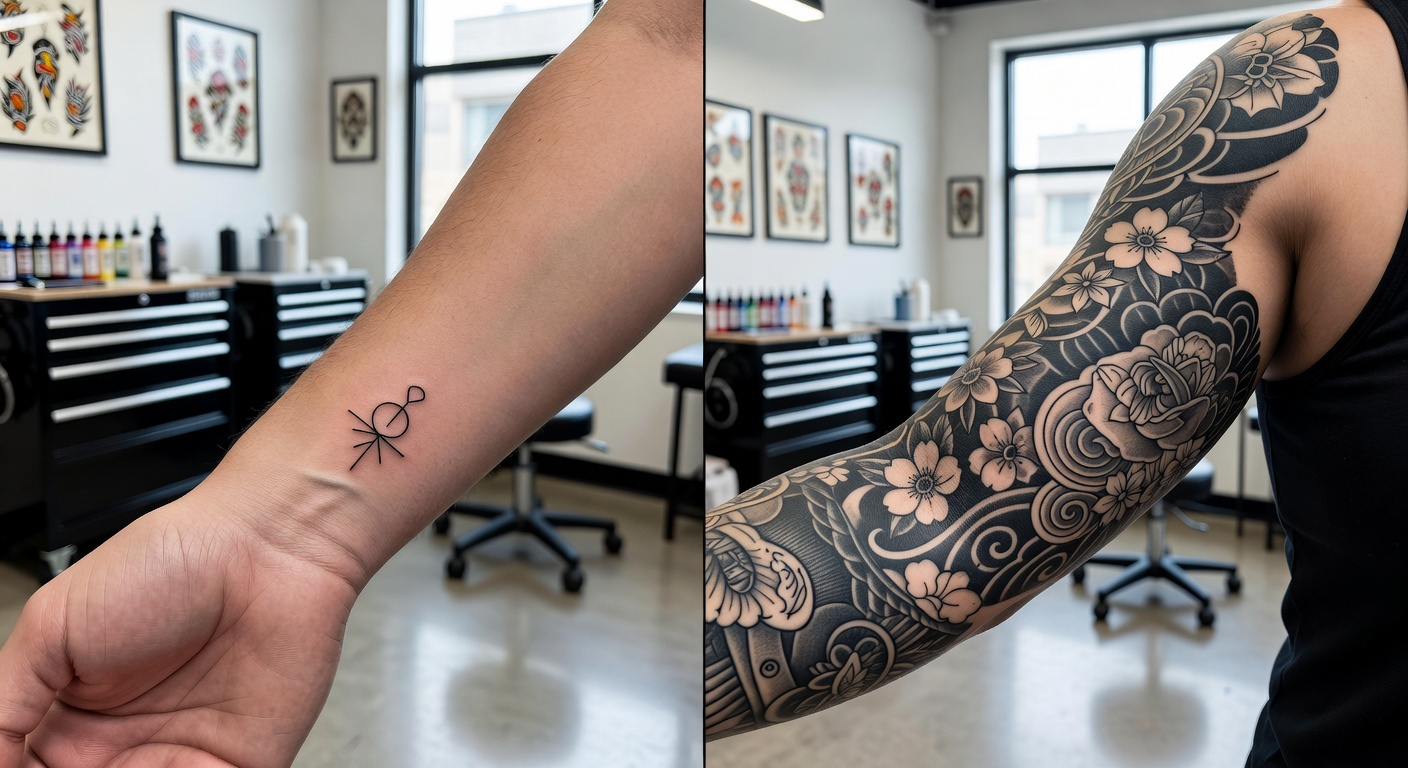
Personal tattoos often mark significant moments in life, starting with a first piece that captures initial inspiration and evolving into later works that reflect deeper experiences. In 2026, this evolution is more pronounced as individuals plan long-term ink journeys with greater awareness of symbolism, skin changes, and artistic growth. This article compares first versus latest personal tattoos, offering insights for those researching tattoo stories and seeking inspiration for their own body art. Understanding these changes helps enthusiasts make thoughtful decisions that stand the test of time while celebrating personal development.
Shifts in Meaning Over Time
The meaning behind tattoos frequently transforms as people mature and encounter new chapters. A first tattoo might represent youthful rebellion or a simple tribute to a favorite hobby, while later pieces embody personal milestones like career achievements, relationships, or overcoming challenges. For example, someone who got a small star as their initial tattoo for motivation might later incorporate constellations symbolizing life events or family members. These changes highlight symbolic growth, turning body art into a narrative timeline that documents emotional and psychological progress. Over years, what once felt like a bold statement can become a subtle reminder of past selves, prompting additions that layer new interpretations onto old foundations.
Style Evolution: From Beginner to Advanced Choices
Beginner ink choices tend to be minimalist, such as fine-line scripts or small symbols, due to uncertainty about long-term commitment and pain tolerance. Advanced selections often feature intricate realism, geometric patterns, or custom illustrations that showcase technical skill and personal vision. Comparisons reveal that early tattoos may use basic black ink, whereas latest pieces incorporate color gradients, shading for depth, and mixed techniques like dotwork combined with watercolor effects. Factors like aging skin influence this shift: as skin loses elasticity over decades, finer details from first tattoos can blur, prompting bolder designs in subsequent work to maintain visual impact. Artists in 2026 increasingly use advanced tools for precise placement that anticipates these natural changes.
Real-Life Examples of Design Changes
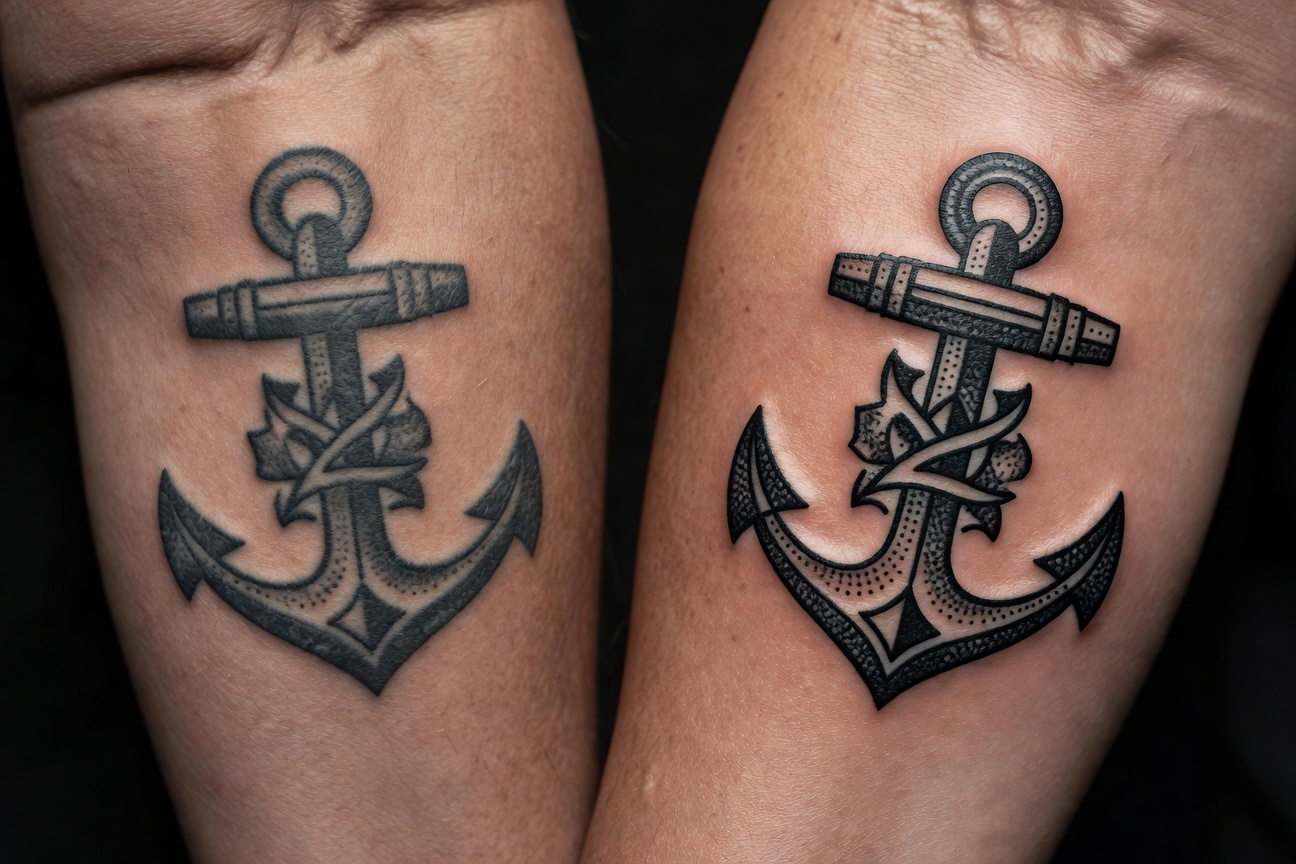
Consider a common story shared in tattoo communities: a first tattoo of a quote on the forearm that later expands into a full sleeve incorporating related imagery such as mountains for resilience and waves for life's flow. Another example involves cover-ups where initial simple hearts evolve into phoenix designs representing rebirth after personal hardships. A third case features a small anchor chosen in youth for stability that becomes part of a maritime scene with ships and compasses added after years of travel and career shifts. These cases demonstrate how life events, such as travel, loss, or new relationships, reshape artistic direction while maintaining personal connection. Documenting these transformations often reveals patterns of growth that inspire others planning their own sequences of tattoos.
Factors Influencing Tattoo Evolution
- Aging skin and placement adjustments for better longevity, including how sun exposure accelerates fading
- New life events prompting additions or modifications, from graduations to parenthood
- Advances in tattoo techniques allowing seamless integration of old and new elements
- Personal growth leading to refined symbolism that aligns with current values
- Professional consultations to assess skin health and design compatibility
- Cultural influences and trends that encourage blending traditional motifs with modern aesthetics
Practical Steps for Documenting Your Personal Tattoos
To track your ink journey effectively, follow these detailed steps that ensure comprehensive records for future planning. First, photograph each tattoo immediately after completion from multiple angles and at regular intervals of six months to capture healing and aging. Second, maintain a dedicated journal noting the date, artist name, studio location, exact meaning at the time, emotional context, and any associated memories. Third, use digital apps designed for body art archiving to catalog images alongside notes for easy reference when considering updates. Fourth, consult professionals before adding to existing work to ensure compatibility with skin type and prior designs. Fifth, review your collection annually to identify themes or areas needing refreshment. This documentation aids in making informed decisions about future pieces and preserves the story behind each mark.
Comparing Beginner and Advanced Ink Choices
Beginner tattoos prioritize simplicity and affordability, often on visible areas like wrists or ankles for easy concealment if needed. Advanced choices focus on complexity, larger canvases such as backs or legs, and collaboration with skilled artists who specialize in specific styles. Key differences include pain tolerance development through experience, budget considerations that allow investment in premium pigments, and a shift from impulse decisions to researched concepts. Later tattoos typically reflect refined tastes developed over time, incorporating lessons from earlier pieces like better color retention and placement awareness.
Mistakes to Avoid When Evolving Your Ink
Common pitfalls include rushing into additions without considering skin condition or rushing cover-ups that fail to fully conceal older work. Always research artists thoroughly and avoid impulsive choices based on fleeting trends. Another frequent error is neglecting aftercare on newer tattoos, which can affect how they age alongside older ones. Planning sessions with your artist to map out a cohesive overall design prevents disjointed results.
Conclusion
Understanding the progression from first to latest tattoos empowers better planning and appreciation of personal growth. Whether driven by evolving meaning or refined style preferences, these evolutions create meaningful body art collections that tell unique stories. Explore resources from Mayo Clinic on skin care post-tattoo and American Academy of Dermatology for long-term maintenance advice, along with guidance available at CDC regarding safe tattoo practices.
FAQ
Can I update my first tattoo without removing it?
Yes, many opt for enhancements, extensions, or cover-ups as styles and meanings evolve, provided the skin is healthy and an experienced artist assesses the area.
How does skin aging affect older tattoos compared to newer ones?
Over time, lines may soften and colors fade; later designs often account for this with bolder lines and strategic placement to ensure visual balance across the collection.
What should I consider before getting a latest tattoo to match existing work?
Reflect on personal growth since the first piece, consult multiple artists, review your documented history, and prioritize designs that complement rather than clash with prior ink.
Is there a recommended waiting period between tattoos?
Allow at least three to six months for full healing of previous work before starting new sessions, depending on size and location.
How can I ensure my tattoo story remains cohesive over decades?
Work with the same artist for multiple pieces when possible, maintain detailed records, and choose themes that allow natural expansion as life unfolds.

No comments yet. Be the first!