 Inked Mythos
Introduction: The Skin as a Living Portfolio
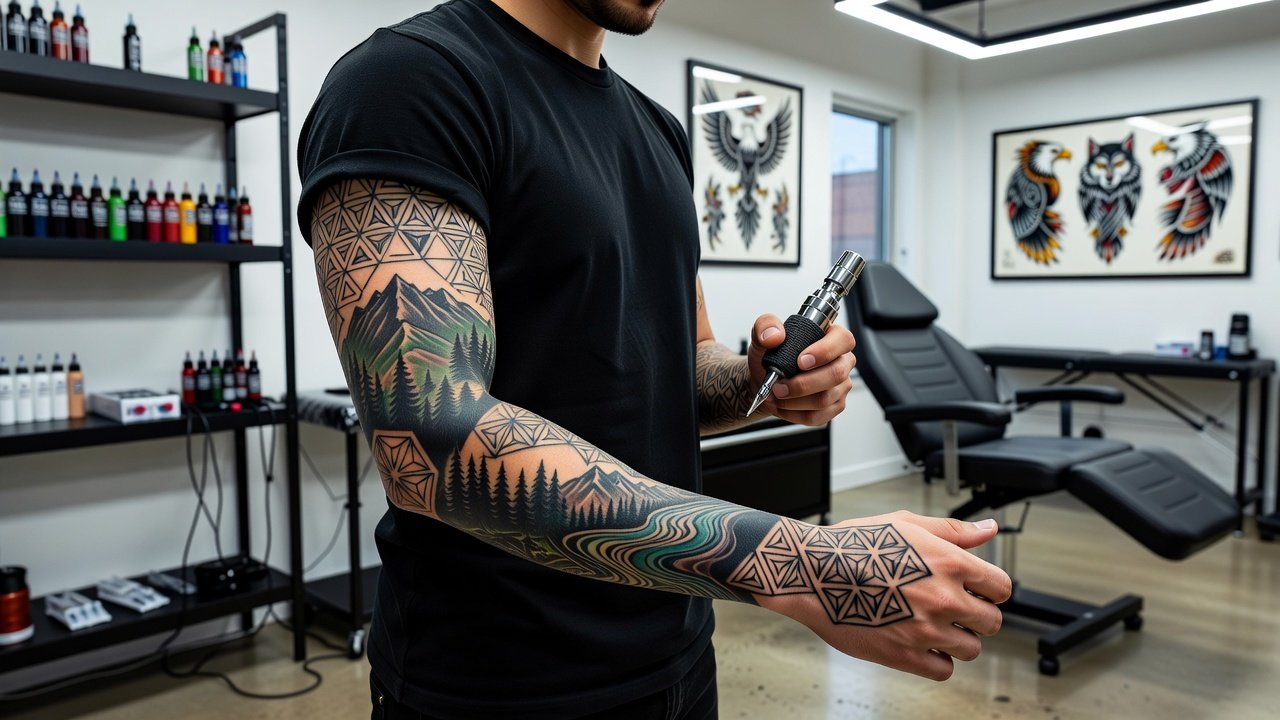
Professional tattoo artists spend their days creating meaningful art for others, yet their own bodies often serve as the most intimate canvases. Behind the needle lies a world where personal tattoos become diaries of craft mastery, emotional milestones, and creative evolution. This deep dive reveals how these creators turn their skin into statements that mirror both their professional journeys and private lives. In an industry where precision and storytelling intersect daily, artists' personal ink provides unique windows into the pressures, joys, and transformations that define their careers. Many begin with small pieces during apprenticeships and gradually build collections that showcase technical growth alongside life changes, creating a visual autobiography that clients rarely see but that influences every session they perform.
Inspirations Drawn from Client Work
Many artists find unexpected sparks from the very clients they serve. A simple request for a floral sleeve might inspire an artist to incorporate similar motifs into their own collection, adapting the design with personal twists. These influences often blend seamlessly with life events, creating tattoos that feel both collaborative and deeply individual. Working closely with diverse clients exposes artists to cultural symbols, abstract concepts, and storytelling techniques that they later internalize. For instance, one artist might encounter a client's story of immigration and later weave elements of resilience into their own thigh piece, turning client sessions into ongoing creative fuel. Another common path involves adapting client-requested color palettes or line weights into self-work, allowing artists to experiment safely before recommending similar approaches to future clients. This cross-pollination keeps the creative process dynamic and prevents stagnation in a field that demands constant innovation.
Meaningful Symbols Chosen for Self-Expression
Symbols on an artist's skin frequently represent resilience, creativity, or pivotal life chapters. Geometric patterns might signify balance in a chaotic profession, while nature-inspired elements could reflect a need for grounding amid long studio hours. These choices prioritize longevity and personal resonance over trends, ensuring the ink remains relevant for decades. Artists often select symbols that double as reminders of core values, such as a compass for direction during career uncertainties or anchors for stability in relationships affected by irregular schedules. The decision-making process typically involves sketching multiple iterations and testing how the design interacts with body movement and lighting in the studio environment.
The Evolution of Their Own Ink Over Time
Early tattoos often reflect beginner enthusiasm, while later pieces demonstrate refined technique and deeper introspection. Artists frequently cover or expand older work as their skills and perspectives mature, turning the body into a timeline of artistic growth. This evolution mirrors the progression from apprentice to master, with each layer adding complexity and narrative depth. In the first years, many opt for bold, simple designs that build confidence; mid-career pieces tend toward intricate details and custom shading; later work often incorporates negative space and conceptual layers. Regular touch-ups become part of maintenance routines, especially in areas exposed to frequent hand washing or sunlight during travel for guest spots.
Real-World Case Studies from Professional Artists
Case Study 1: Maya Torres – The Client-Inspired Sleeve
Maya Torres, a 12-year veteran based in Portland, drew direct inspiration from a client's ocean-themed commission. "That session unlocked something in me," she shares. Her forearm now features layered wave patterns symbolizing her own emotional journey through the industry. Placement tip for active pros: Opt for inner forearm areas that allow easy coverage during client sessions while remaining visible for inspiration. She also expanded the piece over two years, adding subtle shading that reflects her improved stippling technique learned from international workshops.
Case Study 2: Jamal Reyes – Symbols of Resilience
Jamal Reyes integrated a phoenix motif across his ribcage after surviving a studio fire. "It wasn't just about rebirth; it was about the fire that forges better art," he notes. He advises professionals to choose placements like ribs or upper back that accommodate larger narratives without interfering with daily movement. Jamal revisited the design after five years to incorporate scar tissue integration techniques, turning a challenge into an opportunity for advanced cover-up artistry that he now teaches to apprentices.
Case Study 3: Lena Voss – Client Collaborations Turned Personal
Lena Voss transformed a client's mandala request into her own back piece. "Every client teaches me something new about symmetry and patience," she explains. For working artists, she recommends testing designs on less visible areas first to maintain professionalism. Lena's piece evolved through three sessions spaced months apart, allowing her to refine mandala proportions based on how the skin healed and how her drawing skills advanced in the interim.
Case Study 4: Marcus Hale – Timeline of Artistic Growth
Marcus Hale's left leg chronicles his career from apprentice lines to intricate realism. "My early work looks raw now, but that's the story," he says. Placement advice: Lower legs work well for professionals who stand for hours, providing stable surfaces that age gracefully with frequent exposure. He documented each addition with photos, creating a portfolio reference that demonstrates progression to potential mentees.
Case Study 5: Sofia Patel – Cultural Roots and Modern Craft
Sofia Patel blended heritage motifs with contemporary linework on her shoulders. "Clients often ask about my roots, and these tattoos spark those conversations," she reflects. She suggests shoulder placements for easy concealment under work attire while allowing personal expression. Sofia added complementary elements on her upper back after feedback from peers, creating a cohesive narrative that ties family history to her modern practice.
How Artists Approach Their Tattoos Versus Clients
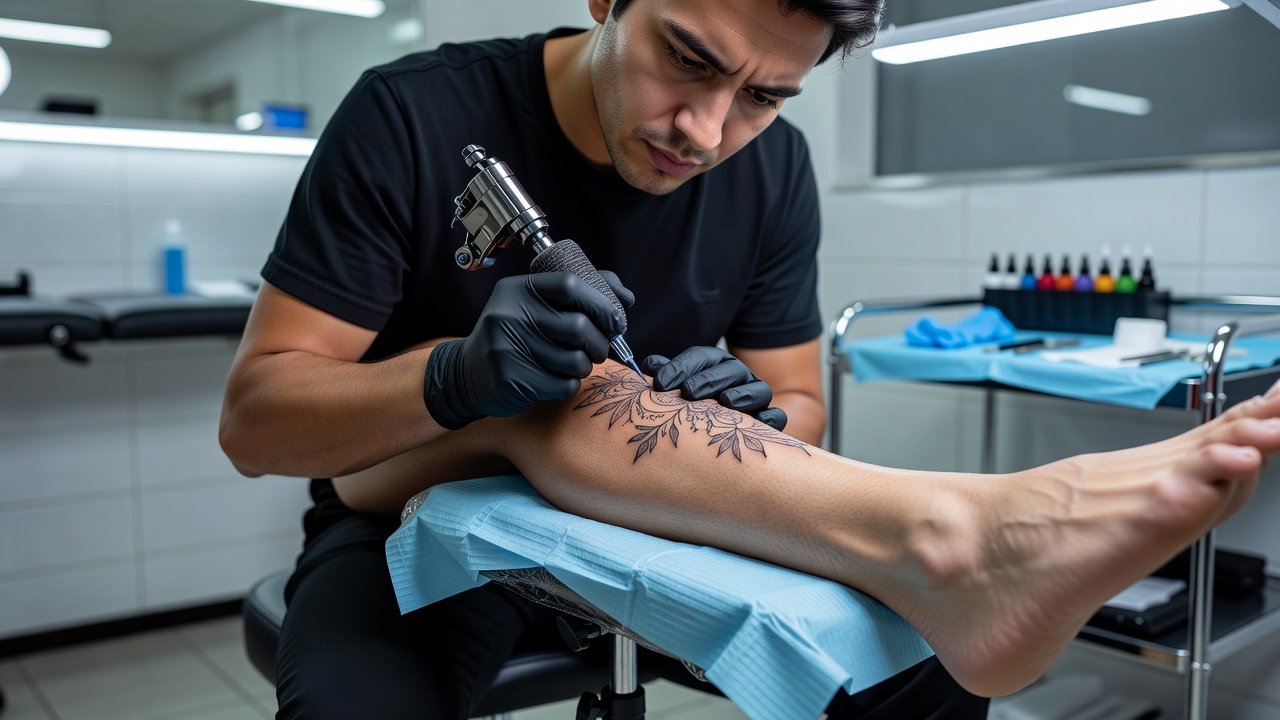
Artists treat their own ink with greater experimentation and less pressure for perfection, viewing it as ongoing practice. In contrast, client work demands precision, consultation, and adherence to safety standards from sources like the CDC and the FDA. Professionals often use their bodies to test new techniques or pigments before applying them elsewhere, fostering innovation while maintaining client trust. This dual approach highlights the balance between personal freedom and professional responsibility. For example, an artist might try a new needle grouping on their own thigh to assess healing times before suggesting it to clients, ensuring any adjustments improve outcomes across the board. The emotional investment differs too: personal pieces allow raw expression, whereas client tattoos require empathy and customization to individual stories.
Practical Placement Tips for Active Professionals
- Choose areas like calves or upper arms for frequent visibility without disrupting workflow.
- Avoid high-movement zones such as elbows if your style involves heavy detail work.
- Consider seasonal clothing needs in your studio environment for consistent coverage options.
- Plan for future expansions by leaving negative space in strategic locations.
- Factor in skin type variations across body areas, as some regions heal faster and retain color better during busy periods with multiple sessions per day.
- Consult peers about ergonomic considerations, such as how placement affects posture during long tattooing hours.
FAQ: Selecting Designs That Age Well with Frequent Needle Exposure
How do I choose designs that withstand repeated sessions?
Focus on bold lines and simple shapes that resist fading from overworking the skin. Consult experienced artists about pigment retention rates in high-exposure areas.
What symbols age best over time?
Timeless motifs like geometric forms or nature elements tend to hold up better than fine-detail portraits, especially on frequently touched skin.
Should professionals avoid certain placements?
Yes, areas prone to friction or stretching during long workdays, such as wrists, may require more touch-ups and careful design consideration.
How can I ensure my ink evolves with my career?
Start with modular designs that allow additions, treating your body as a living portfolio that grows alongside your expertise. Regular reviews every few years help identify opportunities for refinement.
What maintenance routines support long-term quality?
Consistent moisturizing, sun protection, and periodic professional assessments prevent common issues like ink migration or color loss in high-use body zones.
Conclusion: Ink That Tells the Full Story
The personal tattoos of professional artists offer profound insights into the intersection of craft and life. By drawing from clients, embracing meaningful symbols, and allowing their ink to evolve, these creators demonstrate that the needle works both ways—shaping others while documenting the self. Their stories remind us that every tattoo holds layers of meaning waiting to be discovered, inspiring both aspiring artists and enthusiasts to approach body art with intentionality and depth. This ongoing dialogue between personal expression and professional practice continues to enrich the broader tattoo community.

No comments yet. Be the first!