 Inked Mythos
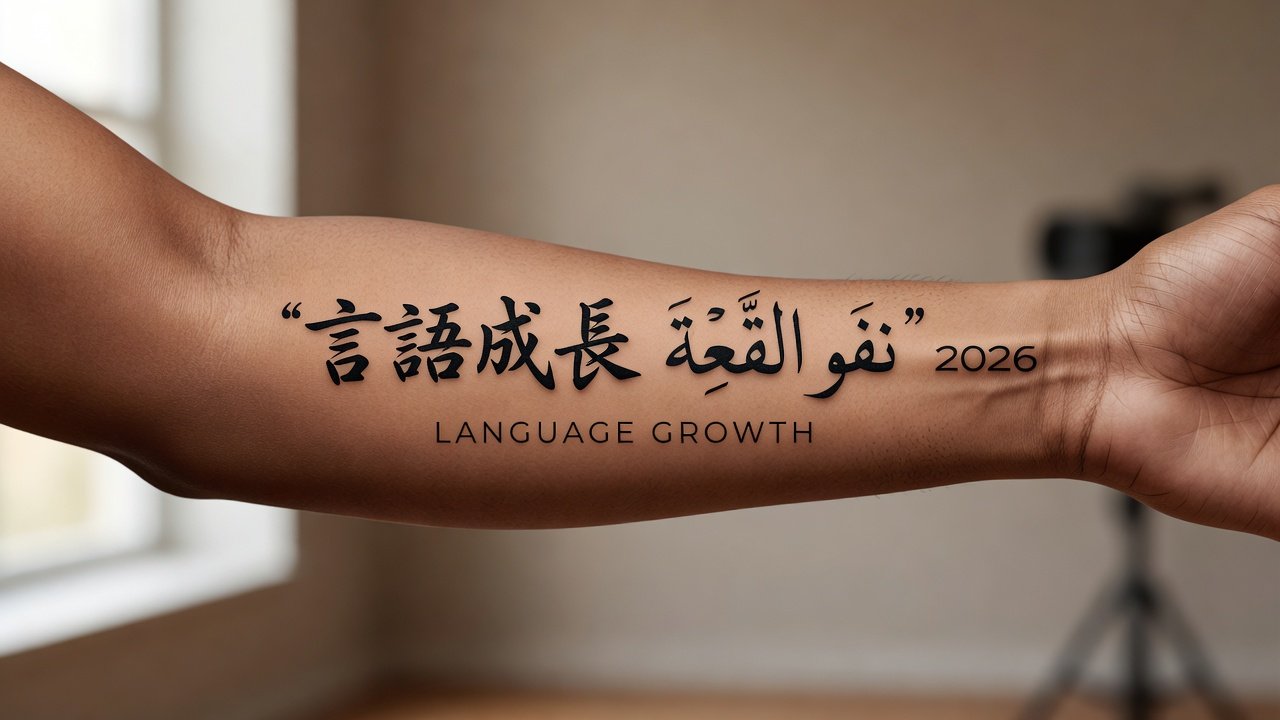
Introduction to Language Learning Ink in 2026
Language enthusiasts worldwide are turning personal milestones into permanent art with meaningful tattoos that celebrate multilingual growth. In 2026, these designs blend scripts, idioms, and cultural motifs to mark journeys from beginner phrases to fluent conversations. This trend reflects a deeper connection between identity and expression, where ink becomes a daily reminder of progress and cultural appreciation. As more people pursue language learning through apps, classes, and travel, tattoos serve as tangible markers of dedication that evolve alongside skills.
Many learners choose tattoos after achieving specific goals, such as mastering a new alphabet or completing immersion programs. These pieces serve as both motivation and conversation starters, highlighting the intersection of personal development and artistic expression. The rise in popularity stems from social media sharing and communities dedicated to documenting these journeys, creating a rich tapestry of stories that inspire others.
Real Case Studies of Multilingual Tattoo Designs
Consider the story of Elena, a polyglot who tattooed the Japanese idiom "ichi-go ichi-e" alongside its Spanish equivalent on her wrist. This design captures fleeting moments in language exchange and reminds her daily of the impermanence of opportunities to practice. She added subtle cherry blossom elements to honor her time studying in Tokyo. Another example involves Marcus, who incorporated Arabic calligraphy of a proverb about patience with English script accents to represent his transition from learner to teacher. His piece spans the upper arm and incorporates geometric patterns inspired by Islamic art traditions.
A third story features Li Wei, whose forearm piece merges Mandarin characters for "growth" with Latin roots, symbolizing his decade-long journey across five languages. He consulted multiple translators to ensure accuracy before finalizing the layout. Fourth, Sofia from Brazil chose a combination of Portuguese and Korean Hangul representing resilience, placed on her shoulder blade after returning from a year abroad. These cases show how individuals select elements that resonate personally while incorporating visual balance and cultural sensitivity.
Selecting Authentic Phrases for Your Tattoo
Authenticity matters when choosing phrases. Consult native speakers or verified linguistic resources to avoid mistranslations that could alter meaning. Start by identifying a milestone phrase that holds emotional weight, then verify its cultural context through multiple sources. Common pitfalls include literal translations that lose nuance in another script or selecting phrases that carry unintended connotations in the target culture.
Practical steps include cross-referencing with language apps, academic dictionaries, and community forums moderated by experts. Focus on short, powerful idioms rather than lengthy sentences for better visual impact and readability on skin. Test the phrase by writing it in various fonts and sizes to visualize how it will appear. Consider phonetic elements or romanization if the original script might be challenging for viewers unfamiliar with it.
Optimal Placements for Daily Motivation
Placement influences visibility and personal impact. Inner forearms offer constant reminders during daily activities like typing or reading, making them popular for motivational scripts. Collarbone areas provide subtle visibility for professional settings while allowing easy display during social events. Ribcage tattoos work well for private motivation but require careful consideration of movement, breathing, and healing time due to skin stretching.
Many enthusiasts prefer ankle or calf locations for cultural motifs that can be shown or hidden easily with clothing choices. Shoulder and back placements suit larger, more elaborate designs incorporating multiple elements. Always factor in body curvature, how the design will age with skin changes over time, and pain sensitivity levels associated with different body areas. Discuss mockups with your artist to ensure proportions fit naturally.
Blending Traditional and Modern Tattoo Techniques
Traditional hand-poked methods deliver organic lines suited to ancient scripts, offering a tactile, historical feel that resonates with cultural motifs. Modern machine work excels in fine details for complex characters and consistent shading across larger areas. Artists in 2026 often combine both, using dotwork for depth in cultural symbols and geometric precision for modern typography elements.
This fusion creates dynamic pieces that honor heritage while embracing contemporary aesthetics. Techniques like negative space and layering allow scripts to interact visually without overcrowding. Discussing hybrid approaches with your artist ensures the final result aligns with your vision, including how different inks interact under various lighting conditions.
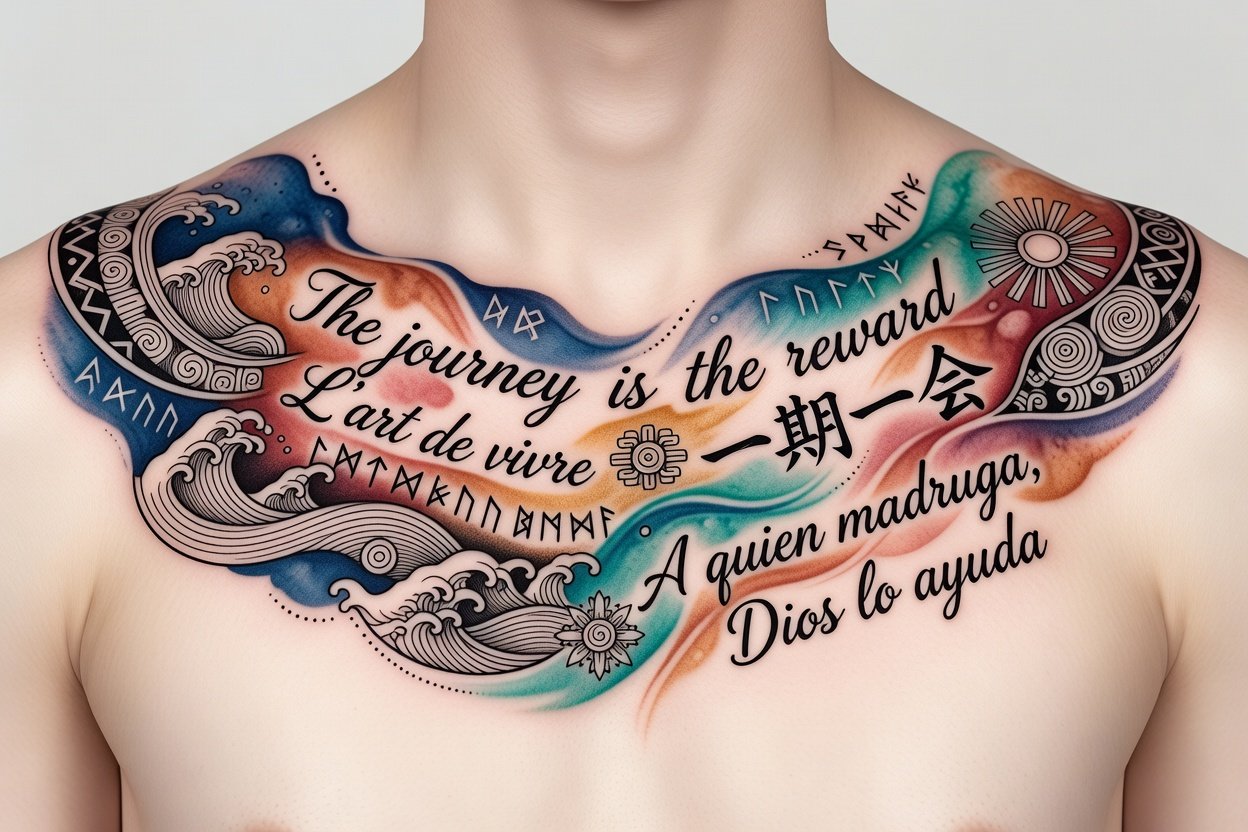
Practical Comparisons of Ink Styles
- Minimalist line art: Clean and elegant for scripts, ideal for small placements but less forgiving on detail loss over years due to ink settling.
- Watercolor blends: Adds vibrancy to cultural motifs with fluid color transitions but may require more touch-ups due to potential fading from sun exposure.
- Blackwork with shading: Provides strong contrast for idioms, offering longevity, versatility across skin tones, and resistance to aging effects.
- Neo-traditional: Incorporates bold outlines perfect for storytelling elements in multilingual designs, with rich color saturation that holds well long-term.
- Geometric or dotwork hybrids: Suited for abstract representations of language connections, allowing intricate patterns that symbolize interconnectedness across cultures.
Compare based on your lifestyle, pain tolerance during sessions, skin type, and desired longevity. Blackwork often ranks highest for visibility in varied lighting conditions and ease of maintenance. Always review portfolios of artists specializing in the style you prefer.
Aftercare Advice for Visible Body Art
Visible tattoos demand diligent aftercare to maintain clarity and prevent complications. Clean the area gently with fragrance-free soap twice daily, pat dry, and apply thin layers of recommended moisturizers or healing balms. Avoid sun exposure, tight clothing, and submerging in water during the initial healing phase, which typically lasts 2-4 weeks.
For language-inspired pieces with fine lines, monitor for ink spread or irritation and schedule follow-ups if needed. Use broad-spectrum sunscreen once healed to protect colors. Authoritative guidance is available from sources such as the CDC on safe tattoo practices and the Mayo Clinic for skin healing recommendations. Those with sensitive skin should consult dermatologists beforehand.
Conclusion
Language learning tattoos in 2026 represent more than decoration—they embody ongoing personal evolution and cultural respect. By thoughtfully selecting designs, placements, and techniques, enthusiasts create lasting tributes to their multilingual paths. Always prioritize professional artists experienced in diverse scripts for the best outcomes and lasting satisfaction.
FAQ
Is it safe to get a tattoo with foreign scripts?
Yes, provided you verify the translation with native experts and choose a skilled artist familiar with the script's nuances to prevent errors or cultural missteps.
How long does healing take for visible placements?
Most visible tattoos heal within 2-6 weeks, depending on location, size, individual skin response, and adherence to aftercare routines. Full settling of ink can take up to three months.
Can I combine multiple languages in one design?
Absolutely, many people blend scripts successfully when balanced aesthetically and when cultural respect is prioritized through proper research and artist collaboration.
What if my tattoo needs touch-ups later?
Touch-ups are common for fine-detail work and can be scheduled with your original artist. Factors like sun exposure and skin changes influence how often maintenance is required.
Are there age or health restrictions for language-themed tattoos?
Most studios require clients to be 18 or older with parental consent in some regions. Health conditions affecting healing should be discussed with both your doctor and tattoo artist beforehand.
No comments yet. Be the first!