 Inked Mythos
The Rise of Eco-Friendly Tattoos in 2026
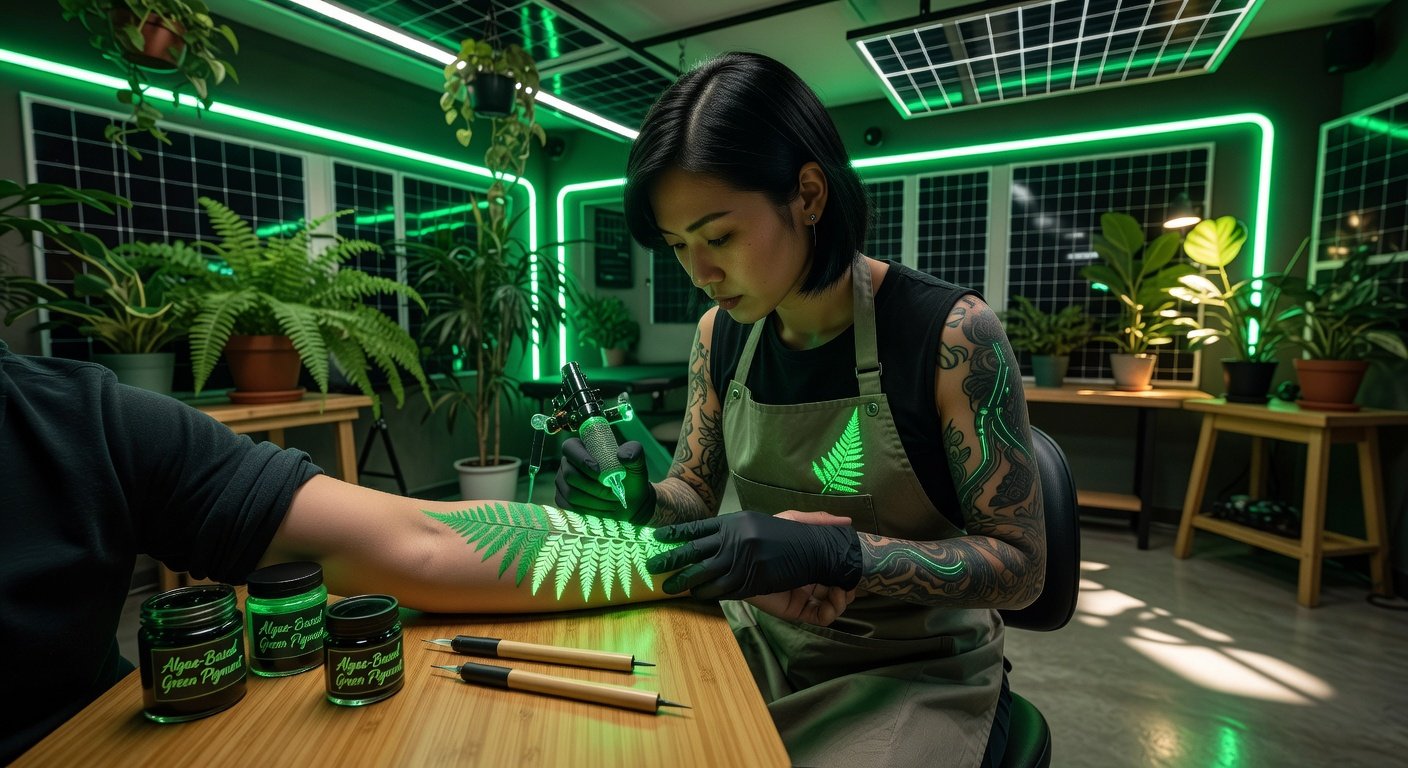
In 2026, the tattoo industry is greener than ever. What started as a niche trend among environmentally conscious millennials has exploded into a mainstream movement. Artists and clients alike are ditching traditional petroleum-based inks for plant-based, vegan, and biodegradable alternatives. This shift isn't just about aesthetics—it's a response to growing concerns over tattoo ink toxicity, ocean pollution from non-degradable pigments, and ethical sourcing. With sustainability at the forefront, eco-tattoos are redefining body art for a planet-friendly future.
According to industry reports, vegan ink sales have surged by over 300% in the past two years, driven by innovations in organic formulations. Clients now seek tattoos that not only look stunning but also align with their values, minimizing environmental impact long after the needle stops.
Plant-Based Inks and Vegan Pigments: The New Standard
Traditional tattoo inks often contain animal-derived glycerin, synthetic chemicals, and heavy metals like mercury and lead. Enter plant-based inks: derived from natural sources such as fruits, vegetables, and herbs. These vegan pigments use carbon black from bamboo or beet-derived reds, ensuring no animal testing or byproducts.
Brands like Intenze and Eternal Ink have pioneered vegan lines, but 2026 sees startups like GreenInk Labs leading with fully organic, hypoallergenic formulas. These inks boast brighter colors that hold up better under UV exposure, thanks to antioxidant-rich bases from green tea extracts.
For safety insights, check the FDA, which oversees cosmetic regulations including tattoo inks, emphasizing the need for non-toxic ingredients.
- Benefits of vegan pigments: Reduced allergic reactions, cruelty-free production, and faster healing times.
- Popular colors: Forest greens from spinach, oceanic blues from algae, and earthy browns from cocoa.
Biodegradable Tattoo Options for a Lasting Legacy
Biodegradable inks break down naturally in the body and environment, preventing microplastic buildup. Made from polysaccharides and plant starches, they fade gracefully over decades if desired, or stay vibrant with proper care. This appeals to those wary of permanent chemicals leaching into soil via cremation or natural decomposition.
Innovators like BioTatttoo are using mycelium-based carriers that mimic skin's natural turnover. Studies show these inks reduce landfill impact by 80% compared to synthetics. Paired with compostable needles and gloves, entire sessions achieve zero-waste status.
Innovative Nature-Inspired Designs Defining 2026
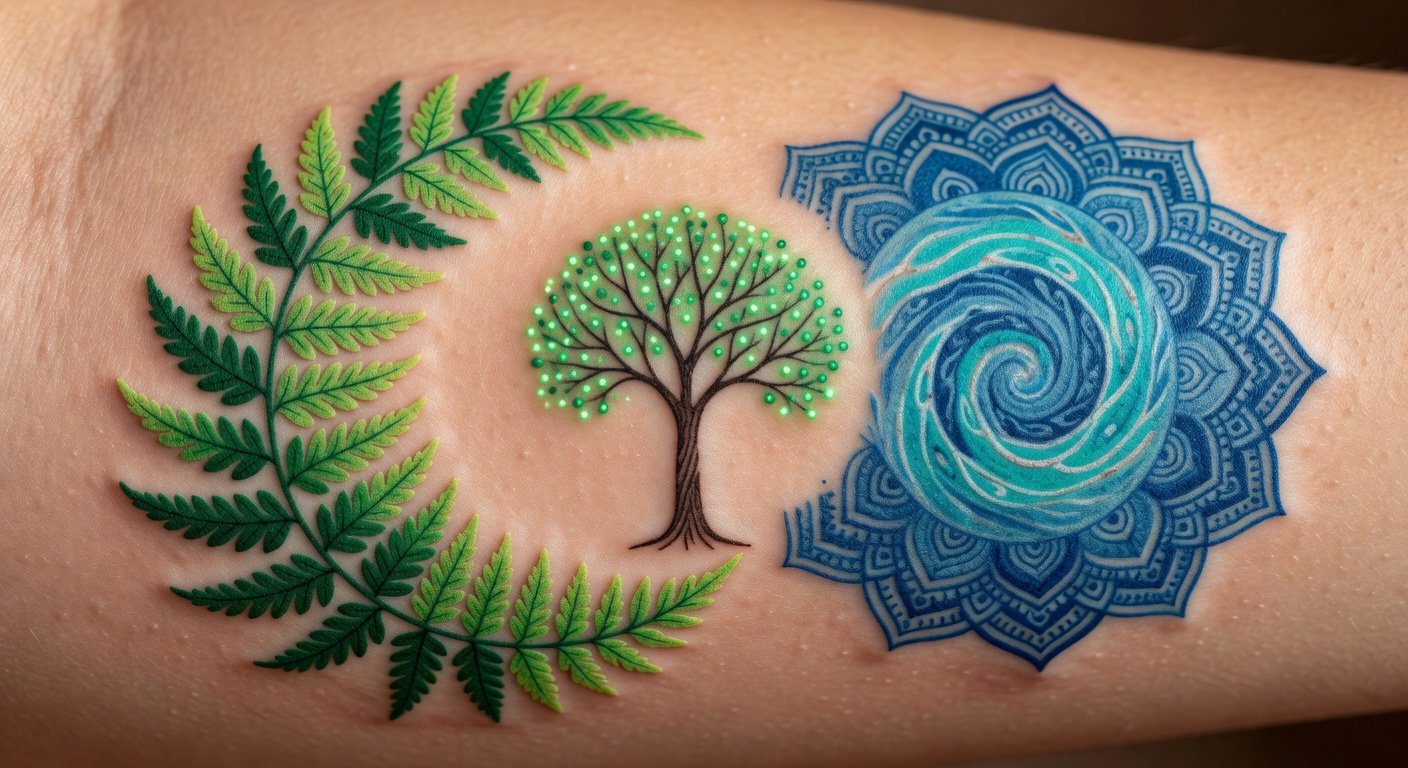
Eco-tattoos shine through themes of renewal and harmony. Think hyper-realistic ferns unfurling on forearms, mandalas woven from recycled ocean plastic motifs, or minimalist tree-of-life silhouettes symbolizing growth.
Artists are incorporating bioluminescent elements using non-toxic algae extracts that glow under blacklight, mimicking fireflies or auroras. Popular placements include flowing vine sleeves that 'grow' with scarification techniques using organic salts.
- Minimalist leaves: Single fronds in gradient plant inks for subtle eco-statements.
- Earth mandalas: Circular designs with embedded seed-paper elements (plantable post-tattoo).
- Wildlife portraits: Endangered species rendered in biodegradable grays, raising awareness.
These designs not only look ethereal but educate wearers on biodiversity—perfect for festivals like Burning Man 2026's sustainability theme.
How to Select an Eco-Conscious Tattoo Artist
Finding the right artist is key to a green tattoo. Look for studios certified by organizations like the Alliance of Professional Tattooists, prioritizing sustainable practices.
Questions to ask:
- Do you use vegan, plant-based inks? Can I see lab certifications?
- What’s your waste reduction policy—recycled supplies?
- Are needles single-use and biodegradable?
Visit shops with solar-powered setups and herbal aftercare stations. Platforms like InkEco directory list verified pros. Pro tip: Schedule consultations to test ink samples on synthetic skin.
For environmental standards, reference the EPA's sustainability guidelines, adaptable to personal services like tattooing.
Aftercare Tips for Long-Lasting Green Tattoos
Eco-tattoos demand tailored aftercare to preserve vibrancy and prevent fading from harsh chemicals.
Daily routine:
- Clean with organic tea tree oil soap; avoid petroleum-based ointments.
- Moisturize using aloe vera gel or shea butter from fair-trade sources.
- Protect with bamboo-derived breathable wraps, not plastic.
Avoid sun for 4 weeks—use mineral sunscreens with zinc oxide. Hydrate internally with antioxidant teas to support ink integration. For longevity, annual touch-ups with matching plant batches ensure fades stay natural.
Troubleshooting: If irritation occurs, switch to calendula salves. Most eco-tattoos heal 20% faster due to anti-inflammatory properties.
Why Go Green with Your Next Tattoo?
The eco-tattoo movement of 2026 proves ink can be rebellious and responsible. By choosing plant-based, vegan, and biodegradable options, you're inking a commitment to the planet. Whether a tiny succulent or full-back forest, these tattoos bloom eternally. Ready to join the green revolution? Research artists today and wear your values proudly.

No comments yet. Be the first!