 Inked Mythos
Introduction to Underground Tattoo Scenes in 2026
The tattoo world in 2026 continues to evolve, with underground scenes playing a pivotal role in pushing creative boundaries. These hidden networks operate outside mainstream conventions, offering artists and enthusiasts spaces for raw, unfiltered expression. Unlike large expos that prioritize sales, these communities emphasize personal connection and artistic integrity. In recent years, the rise of digital surveillance and commercial saturation has driven more practitioners toward these concealed environments where creativity flourishes without external pressures.
Underground tattoo culture thrives on exclusivity and shared values, attracting those seeking meaningful body art experiences. This article delves into their dynamics, profiles key figures, and outlines safe ways to engage while highlighting real-world examples from various cities around the globe.
Defining Underground Tattoo Communities
Underground scenes consist of tight-knit groups of tattooers and collectors who avoid commercial platforms. They often meet in private studios, warehouses, or pop-up locations, fostering environments free from corporate influence. These spaces allow for experimentation with styles like abstract blackwork or culturally inspired motifs that might not appeal to broader audiences. Historically, such scenes trace back to the 1970s punk movements but have adapted in 2026 to include encrypted digital coordination while maintaining physical secrecy.
In 2026, digital whispers on encrypted apps help maintain secrecy while building global connections. This contrasts sharply with mainstream events, which feature sponsored booths and high-traffic crowds. The emphasis remains on mutual respect and artistic evolution rather than profit margins.
Profiles of Notable Underground Artists
Several artists have become legends within these circles. For instance, a Berlin-based tattooer known for intricate dotwork pieces creates custom designs only for vetted clients, drawing from personal stories rather than trends. Another in Tokyo specializes in traditional irezumi adaptations that blend modern elements, hosting intimate sessions in converted lofts. A third artist in Mexico City focuses on indigenous-inspired geometric patterns, often collaborating with local communities to ensure cultural accuracy and respect.
These creators often limit their output to maintain quality, rejecting volume-driven work. Their reputations spread through word-of-mouth, highlighting the value placed on trust and skill. One emerging figure in Cape Town integrates sustainable ink practices, using plant-based pigments that appeal to environmentally conscious collectors seeking alternatives to conventional supplies.
Invitation-Only Gatherings and Events
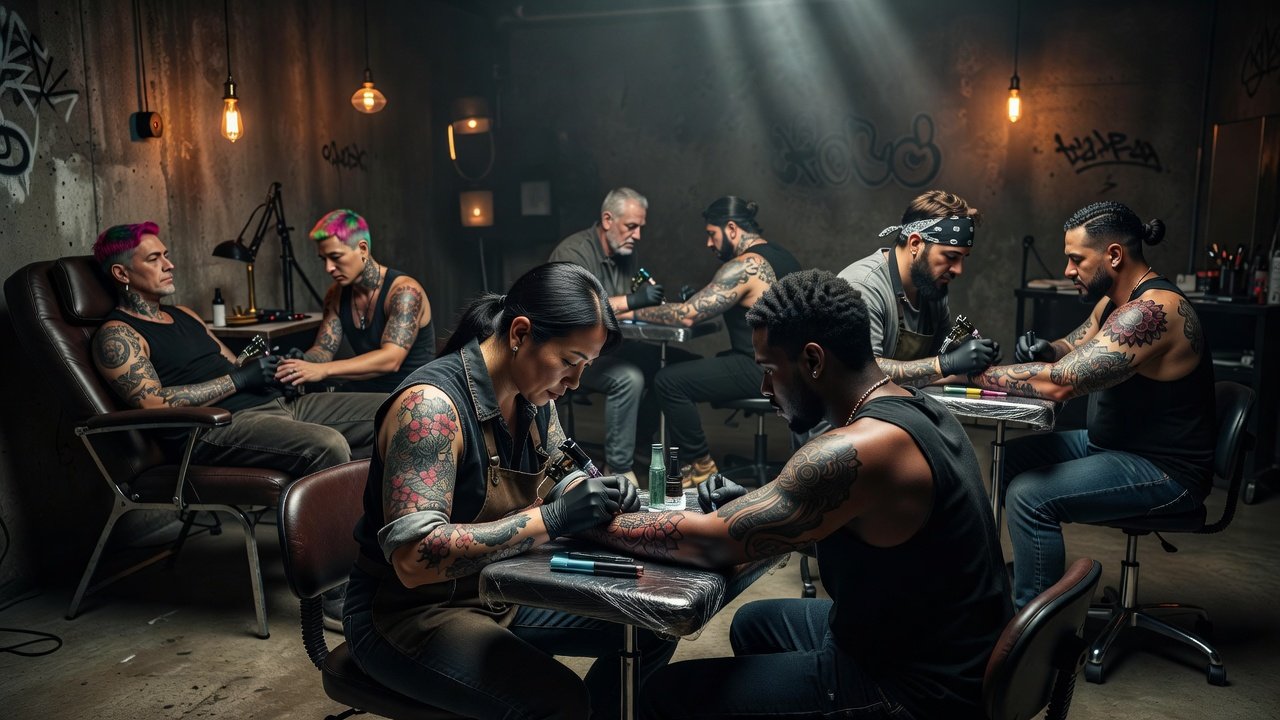
Private gatherings form the heartbeat of underground scenes. These invitation-only events might involve a handful of artists working simultaneously in a secluded venue, with attendees sharing techniques or collaborating on flash sheets. No entry fees or vendor stalls exist; instead, the focus remains on community bonding and live tattooing. Sessions can last entire weekends, incorporating discussions on technique evolution and cultural preservation.
Compared to mainstream tattoo conventions, which draw thousands and emphasize competitions, these sessions feel intimate and immersive. Participants report deeper satisfaction from the collaborative atmosphere and the absence of time constraints that plague larger shows.
Comparing Underground Experiences to Mainstream Tattoo Events
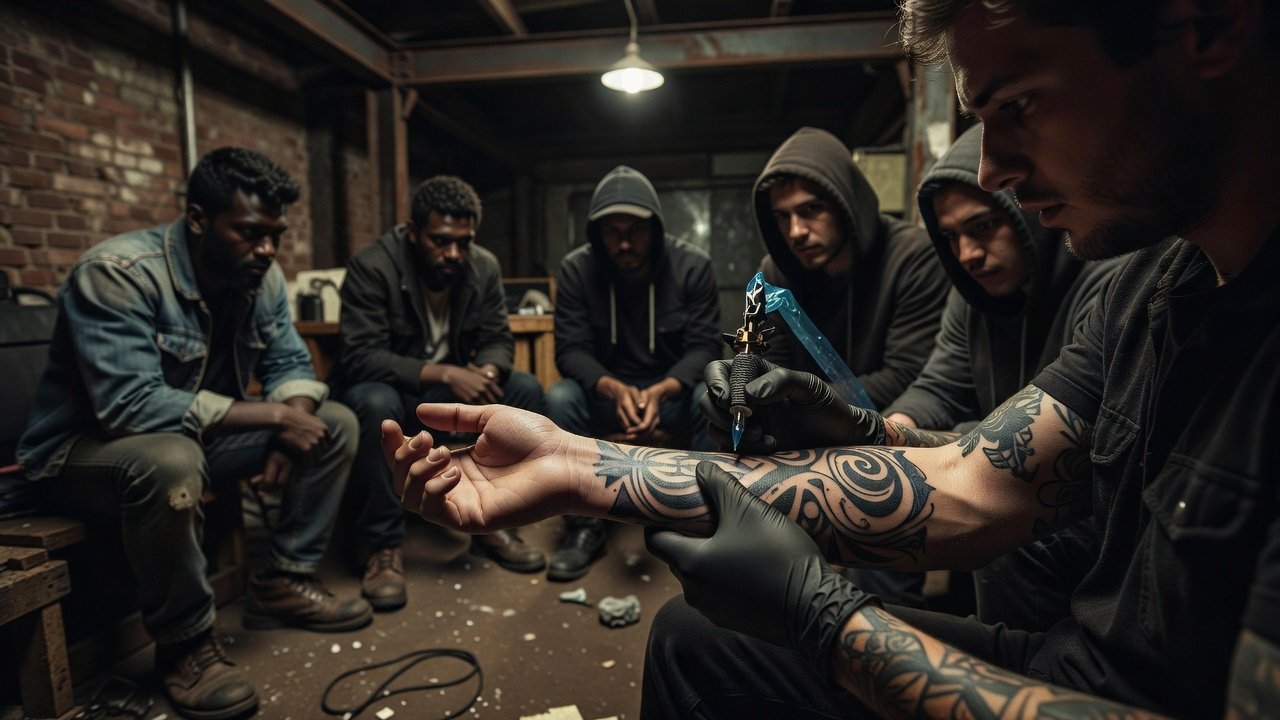
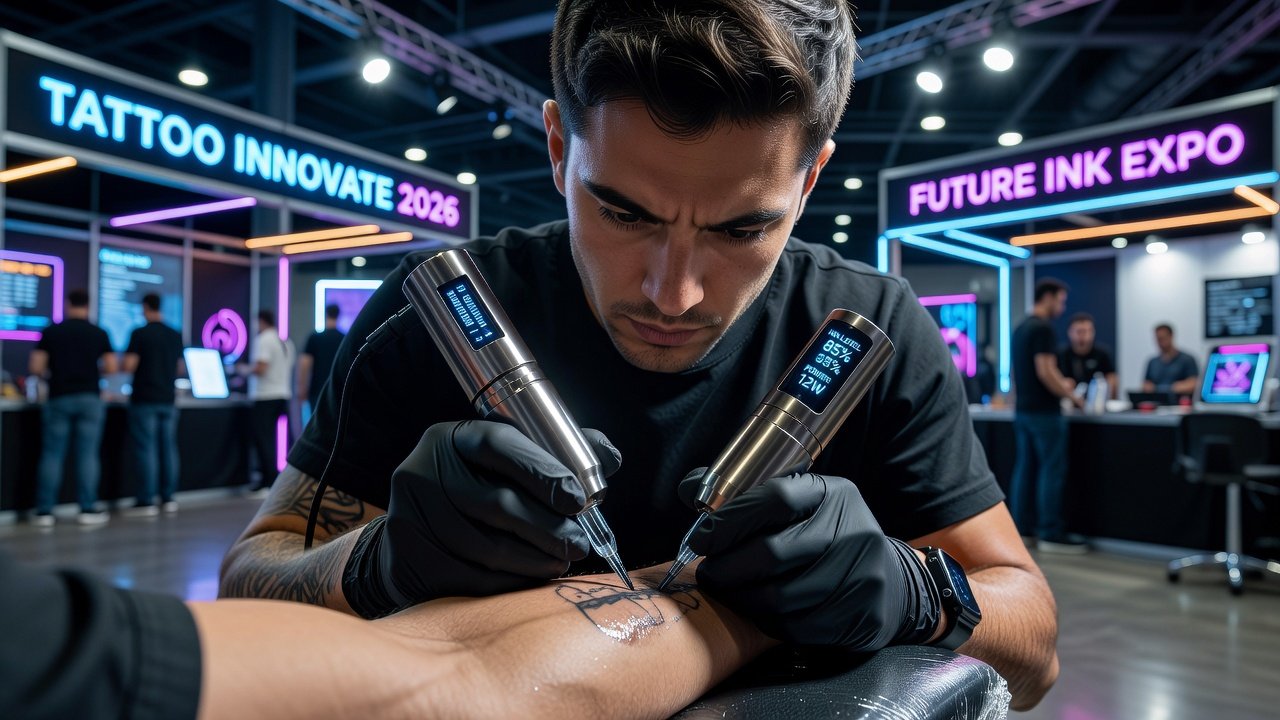
Mainstream events often prioritize accessibility and spectacle, with loud music, merchandise, and celebrity appearances. Underground alternatives strip away the commercial layer, creating sanctuaries for purists. While mainstream gatherings offer variety and networking volume, underground ones deliver authenticity and innovation. Attendees at underground events frequently note higher levels of customization and fewer distractions, allowing for more meaningful interactions between artists and clients.
Safety standards can vary, but dedicated underground networks enforce rigorous protocols that rival professional studios. The trade-off often involves less visibility but greater creative freedom, making these scenes ideal for those disillusioned with commoditized tattoo culture.
Strategies for Locating Underground Scenes Responsibly
Finding these communities requires patience and respect. Start by following ethical tattoo artists on social platforms who occasionally hint at private work. Attend public workshops first to build rapport, then seek referrals from trusted contacts. Engage in local art collectives or zine distributions that sometimes overlap with tattoo networks.
Never cold-message or pressure for invites. Research local regulations to ensure compliance, and consider resources from health authorities like the CDC for hygiene standards. Building a genuine presence in adjacent creative communities often opens doors organically over time.
Practical Steps for Safe Participation
Engaging safely involves preparation and ongoing awareness. Begin by thoroughly reviewing artist portfolios across multiple platforms to understand their style consistency. Schedule initial consultations in neutral settings to assess communication styles before committing to sessions. Always verify that all equipment meets sterilization benchmarks through direct observation where possible.
- Verify artist credentials through portfolios and references from multiple past clients.
- Confirm studio sanitation practices, including autoclave use and single-use needles, by asking for demonstrations.
- Discuss aftercare thoroughly before any session begins, including product recommendations tailored to skin types.
- Start with smaller pieces to test compatibility and build trust gradually.
- Document all agreements in writing regarding design ownership and session expectations.
Always prioritize health; consult the World Health Organization guidelines on body modification risks when relevant. Additional preparation might include allergy testing for inks and arranging post-session support from friends familiar with the process.
Safety Checklists for Newcomers
Use this expanded checklist before attending any underground event:
- Research venue reputation via community forums and cross-reference with recent attendee feedback.
- Confirm vaccination status for bloodborne pathogens and update any necessary shots.
- Prepare medical history disclosure forms and share them in advance with the artist.
- Arrange transportation post-session due to potential discomfort or medication effects.
- Follow up with professional aftercare products sourced from reputable suppliers.
- Have an emergency contact list including nearby medical facilities equipped for tattoo-related issues.
- Review personal boundaries and communicate them clearly during initial discussions.
Etiquette Guidelines in Underground Circles
Respect is paramount in these environments. Arrive on time, silence devices, and avoid photography without explicit permission from everyone present. Tip generously if the situation allows, and never share locations or details publicly on social media. Building relationships takes consistent effort—focus on listening during conversations and contributing positively to discussions about technique or design philosophy. Avoid interrupting ongoing tattoo sessions or dominating group dialogues.
Real-World Examples and Success Stories
One collector in New York joined an underground network through an artist referral, resulting in a multi-year project documenting personal milestones through symbolic tattoos. In London, a group formed a collective that supports emerging talent via mentorship, leading to sustainable careers outside gallery systems. A similar initiative in Melbourne has produced collaborative pieces that later influenced mainstream trends while preserving the original underground ethos. These stories illustrate how participation can lead to lasting artistic growth and community ties.
FAQ Section
Is it legal to participate in underground tattoo events?
Legality depends on local laws; always verify licensing requirements in your area before attending any private session.
How do I know if an underground artist is safe?
Cross-reference reviews from multiple community members and inspect their workspace hygiene firsthand during preliminary meetings.
What if I'm new to tattoos?
Begin with mainstream studios to gain experience, then transition once comfortable with the process and community norms.
Can these scenes be found online?
Some presence exists on niche forums, but genuine access usually requires in-person networking and demonstrated commitment.
What are common mistakes newcomers make?
Rushing the process or sharing private details publicly can damage reputations and limit future opportunities within the scene.
How does one maintain privacy in these circles?
Use pseudonyms initially and avoid documenting events until trust is firmly established among all participants.
Conclusion
Underground tattoo scenes continue to enrich 2026 ink culture by championing creativity and connection. By approaching them with respect, thorough preparation, and caution, enthusiasts can discover transformative experiences that mainstream avenues often overlook, fostering a deeper appreciation for the art form's evolving landscape.
No comments yet. Be the first!