 Inked Mythos
Introduction to Tattoo Machine Innovations in 2026
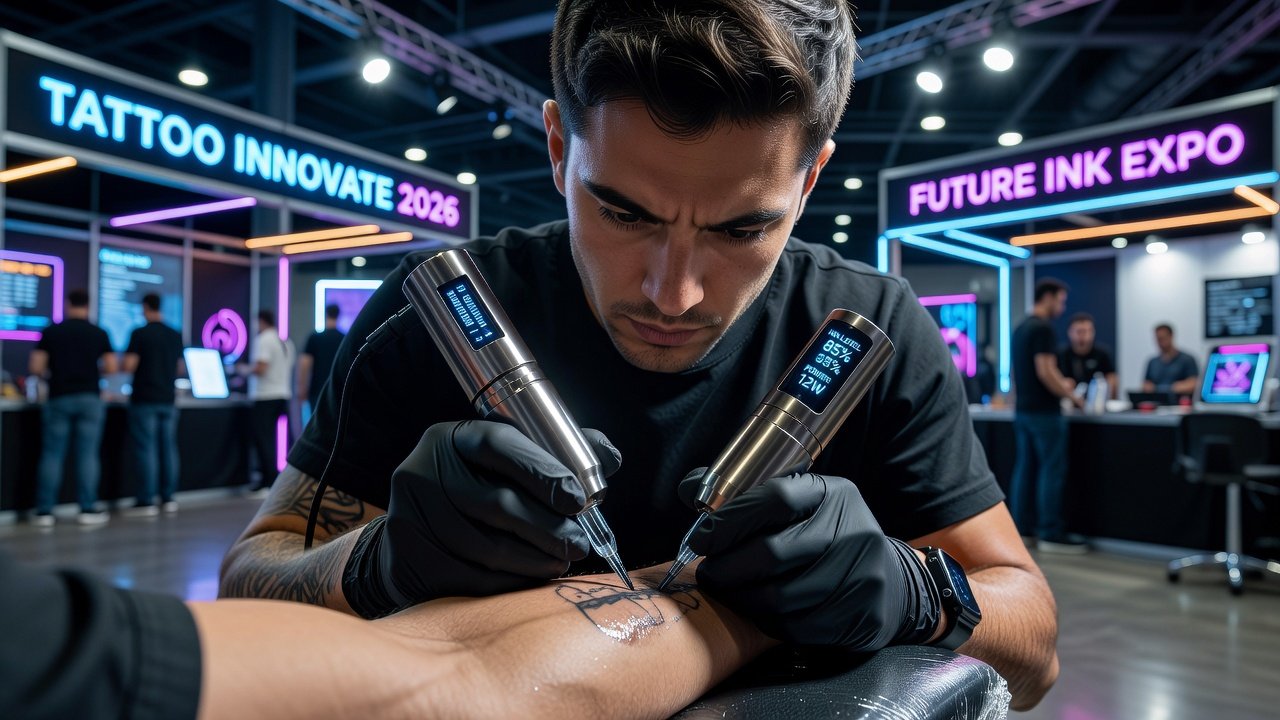
The tattoo industry continues evolving rapidly, with new machine technologies enhancing precision, reducing fatigue, and expanding creative possibilities for professionals worldwide. Artists attending major conventions and events in 2026 are actively seeking equipment upgrades that align with emerging trends in ink culture, where client expectations for detailed, efficient work continue to rise. This comprehensive guide examines wireless models, smart pressure sensors, and hybrid designs in depth, providing direct comparisons to traditional coil and rotary tools while incorporating real-world studio case studies and practical integration strategies that deliver measurable improvements in workflow and output quality.
Understanding these advancements requires looking beyond surface-level features to how they address longstanding challenges like hand fatigue, inconsistent ink delivery, and setup complexities during live events. Professionals who adopt these tools often report enhanced creative freedom and client satisfaction, positioning their studios at the forefront of modern body art practices.
Wireless Tattoo Machines: Freedom and Portability Redefined
Wireless tattoo machines have transformed artist mobility by eliminating restrictive power cords, enabling seamless movement around clients during extended sessions. These battery-powered devices typically incorporate high-capacity lithium-ion cells that support continuous operation for several hours, paired with ergonomic grips designed to reduce strain. In comparison to traditional coil machines, which demand fixed power connections and generate significant vibration, wireless alternatives streamline booth setups at crowded tattoo events and allow for more dynamic positioning when working on complex body areas.
Key advantages include reduced cable management issues and compatibility with portable charging stations commonly available at conventions. Artists specializing in large-scale pieces benefit from uninterrupted flow, while those focused on fine details appreciate the stable power delivery. Integration best practices involve verifying battery runtime against event schedules and carrying spare units for backup during peak hours.
Smart Pressure Sensors for Enhanced Precision and Client Safety
Smart pressure sensors mark a significant leap forward by automatically modulating needle depth according to real-time skin resistance readings. This adaptive mechanism ensures consistent ink saturation across varying tissue densities while substantially lowering the risk of overworking the skin. Unlike older rotary machines that rely entirely on manual calibration, sensor-integrated models deliver immediate feedback via companion apps or onboard displays, allowing artists to maintain optimal settings without constant interruption.
These systems excel in applications ranging from delicate linework to intricate shading, where even minor pressure variations can affect healing outcomes. Studios implementing this technology frequently observe faster client recovery periods and fewer touch-up requests. When paired with wireless platforms, the sensors further amplify precision during mobile event work.
Hybrid Designs: Merging Traditional Power with Digital Control
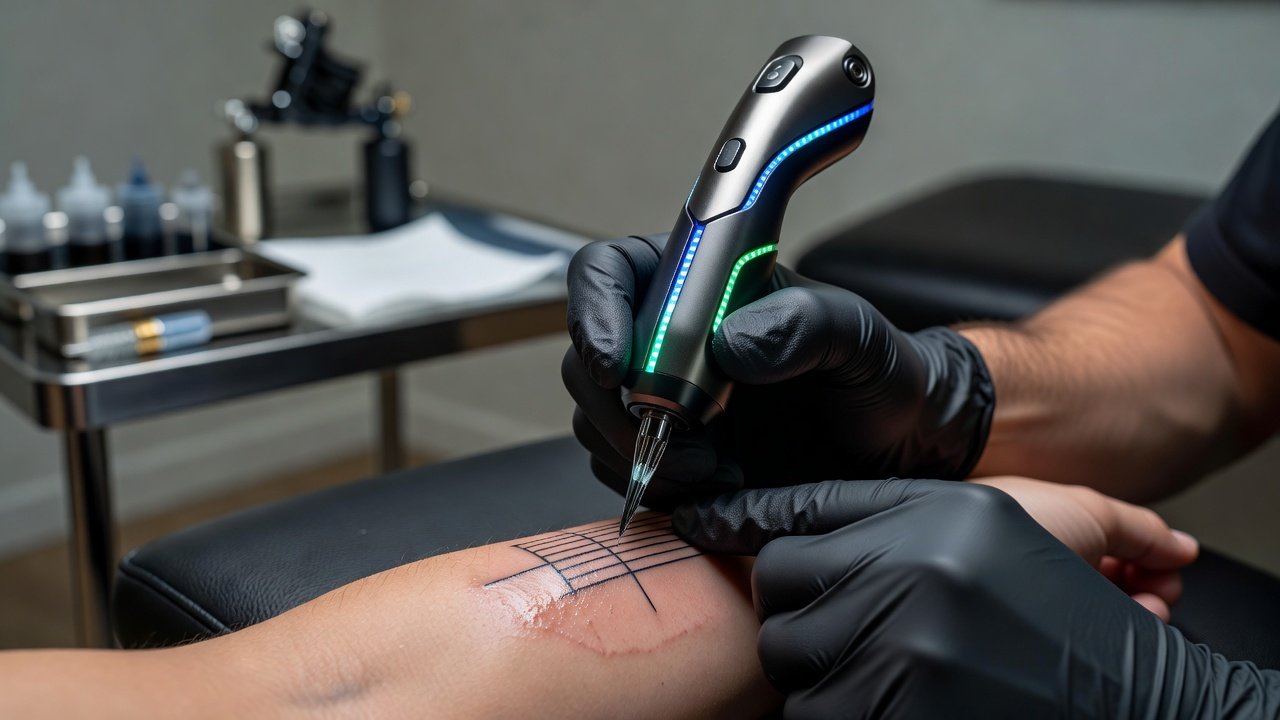
Hybrid tattoo machines successfully combine the robust drive mechanisms of classic coil systems with the adjustable stroke and speed controls of contemporary rotary units. This fusion delivers versatile performance suitable for multiple styles, from bold traditional motifs to photorealistic portraits, outperforming legacy tools in vibration dampening and overall handling comfort. Users note that hybrids maintain the punchy action valued in older equipment while introducing programmable modes that adapt to specific ink viscosities and skin types encountered in 2026 ink culture.
Direct comparisons reveal hybrids produce lower noise levels and require less frequent maintenance than pure coil machines, making them ideal for high-volume event environments. Artists transitioning from traditional setups appreciate the learning curve is minimal, with digital interfaces guiding initial configuration.
Real-World Case Studies of Studio Adoption
A leading Los Angeles studio incorporated wireless sensor-equipped machines early in 2026, resulting in streamlined sessions and notably higher detail accuracy during convention appearances. Client testimonials highlighted smoother healing processes attributed to the sensor technology. Meanwhile, an established collective in Berlin utilized hybrid models at international festivals to accommodate diverse skin tones and textures, expanding their service offerings and repeat bookings substantially.
These implementations underscore how strategic technology adoption aligns with broader shifts in ink culture toward efficiency, customization, and elevated artistic standards across global tattoo communities.
Practical Steps for Integrating New Technologies
Successful integration begins with a thorough audit of existing equipment to pinpoint areas where wireless connectivity or sensor capabilities would yield the greatest returns. Next, artists should participate in hands-on demonstrations at trade shows to evaluate ergonomics and performance firsthand before committing to purchases. Comprehensive staff training on calibration procedures, firmware updates, and hybrid maintenance protocols ensures consistent application across the team.
Additional steps include establishing routine battery management systems for wireless units, updating studio hygiene protocols to accommodate new device components, and tracking post-procedure client feedback to fine-tune usage techniques. Collaboration with manufacturers for ongoing support further solidifies long-term success.
Common Mistakes to Avoid When Upgrading Equipment
- Overlooking compatibility testing with preferred ink formulations before full deployment at events.
- Neglecting regular firmware updates that optimize sensor accuracy and battery performance.
- Skipping ergonomic trials that could prevent hand fatigue during prolonged use.
- Ignoring venue-specific power requirements for charging stations.
FAQ: Maintenance, Costs, and Compatibility in 2026 Ink Culture
How do I maintain wireless tattoo machines?
Regular cleaning of battery contacts combined with periodic firmware checks helps sustain optimal performance. Storage in protective cases between events prevents damage and extends device lifespan.
What factors affect compatibility with various ink types?
Contemporary machines accommodate a wide range of pigment viscosities common in current practices, though preliminary testing on practice skins remains advisable for specialty formulas. Guidance from health authorities such as the FDA supports safe ink handling standards.
Are there considerations for event compatibility?
Confirming machines meet local venue electrical standards and maintaining backup batteries ensures uninterrupted workflow. Resources from the CDC offer additional insights on studio safety practices.
Conclusion
Tattoo machine innovations continue redefining artistic capabilities within the body art community. By mastering wireless operation, smart sensor applications, and hybrid versatility, professionals can significantly elevate precision, reduce physical demands, and respond effectively to evolving client needs at 2026 events. Careful evaluation and structured integration strategies pave the way for sustained excellence and growth in contemporary ink culture.

No comments yet. Be the first!