 Inked Mythos
Understanding Irezumi and Its Cultural Significance
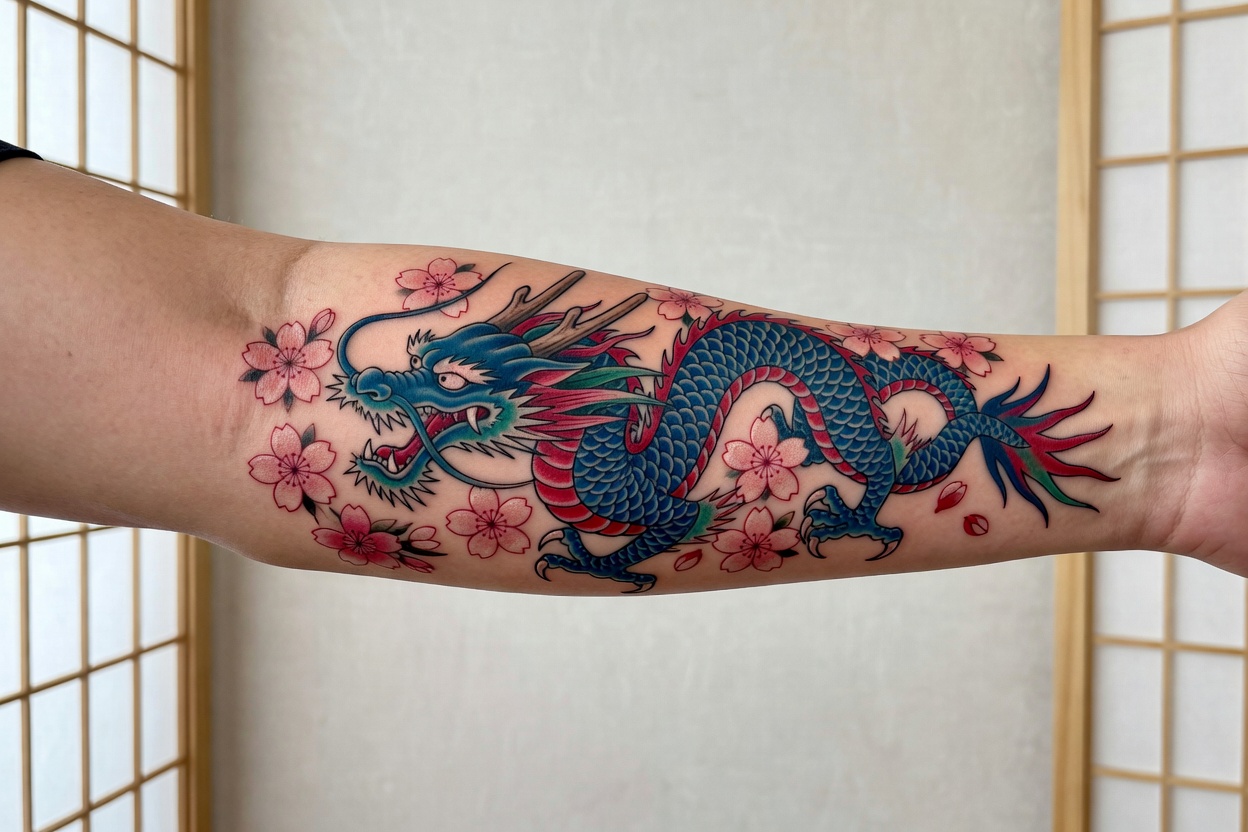
Irezumi, the traditional Japanese tattoo art form, carries deep historical roots dating back centuries. These intricate designs often feature motifs like dragons, koi fish, and cherry blossoms, symbolizing strength, perseverance, and beauty. Proper aftercare is essential not only for healing but also for preserving the authenticity and vibrancy of the ink over a lifetime. Many enthusiasts seek out irezumi specifically for its cultural depth, and neglecting aftercare can diminish both the visual impact and the symbolic meaning embedded in each line.
Traditional Japanese aftercare practices have evolved from ancient methods used by samurai and laborers in the Edo period. These techniques emphasized natural ingredients and disciplined routines to ensure tattoos lasted through harsh conditions. In modern contexts, understanding these origins helps practitioners and clients alike appreciate why certain steps remain vital today.
Historical Roots of Traditional Japanese Aftercare
In historical Japan, tattooed individuals followed strict regimens involving herbal washes and avoidance of certain foods. Practitioners today draw from these roots while integrating modern knowledge. For instance, early aftercare avoided sunlight and used rice-based poultices, principles still relevant for longevity. Historical records show that irezumi wearers in the 18th and 19th centuries often relied on communal bathing rituals combined with protective ointments derived from plants native to the region.
Comparisons reveal that traditional methods focus on holistic skin health, whereas modern tattoo aftercare often relies on synthetic creams. Both aim to prevent infection, but irezumi aftercare prioritizes ink retention specific to hand-poked or tebori techniques. Real examples from tattoo historians illustrate how these methods were passed down through generations of horishi, the master tattoo artists of Japan.
Recommended Products for Irezumi Aftercare
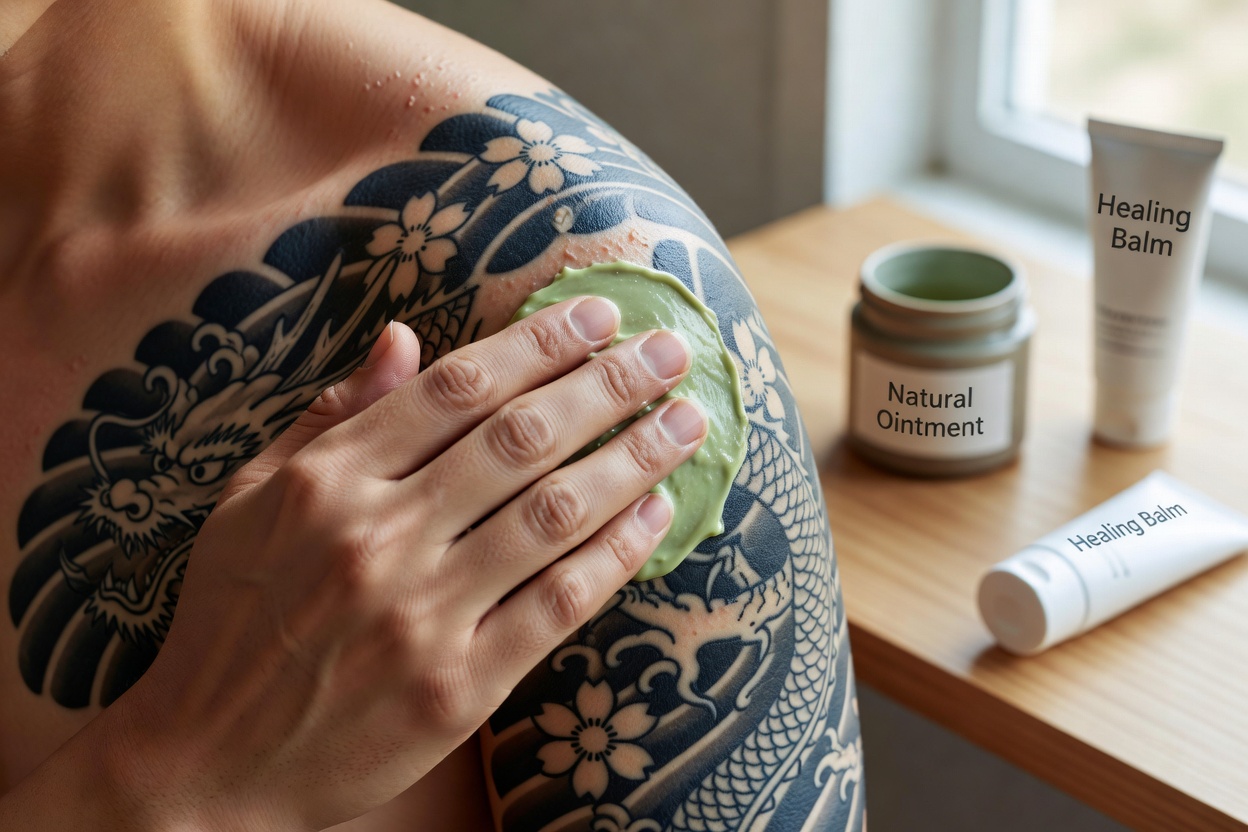
Selecting the right products helps maintain ink vibrancy. Opt for fragrance-free, natural ointments like those containing jojoba or shea butter. Avoid petroleum-based options that can clog pores and fade colors over time. Many practitioners recommend starting with products that mimic traditional ingredients, such as those infused with green tea extracts or camellia oil, which have been staples in Japanese skincare for centuries.
Daily routines should include gentle cleansing with mild, unscented soap followed by moisturizing. Apply a thin layer twice daily during the initial healing phase. Clients often report better results when they source products from reputable suppliers familiar with cultural tattoo needs, ensuring compatibility with the thicker ink layers typical in irezumi.
Daily Routines and Healing Timelines
The healing process for irezumi typically spans 4-6 weeks for the outer layer, with full settling taking up to 3 months. Follow a structured routine: clean the area morning and night, pat dry, and moisturize. During the first two weeks, avoid soaking in baths. Break this down further by timeline: in week one, focus on keeping the tattoo clean and dry to form a protective scab; weeks two to four involve gradual reintroduction of light activity while monitoring for irritation; and months two and three emphasize consistent hydration as the skin fully integrates the ink.
Real-world examples from practitioners, such as those at renowned studios in Tokyo, highlight consistency. One artist notes that clients who adhere to routines see 30% less fading after five years. Another practitioner in Kyoto shares stories of clients who incorporated traditional herbal soaks after the initial healing, resulting in tattoos that retained their saturation even after decades of exposure to varying climates.
Sun Protection Strategies
Sun exposure is a primary cause of ink degradation. Use broad-spectrum SPF 50+ daily, even on cloudy days. Reapply every two hours when outdoors. Traditional practices avoided direct sun through clothing covers, a method still effective today. Additional strategies include wearing long sleeves made from breathable fabrics like cotton or linen during peak sunlight hours and seeking shade whenever possible. For those with larger pieces on the back or arms, investing in UV-protective clothing can extend the life of the artwork significantly.
Long-term, wear protective clothing or seek shade to preserve bold lines and colors characteristic of irezumi. Regular checks for any signs of fading can prompt early interventions like touch-up sessions.
Comparisons: Traditional vs. Modern Tattoo Aftercare
Traditional ink aftercare emphasizes natural elements and cultural rituals, while modern methods incorporate advanced barrier creams. Irezumi techniques often require more patience due to deeper ink placement. Practitioners recommend blending both for optimal results. For example, a client might use a modern antibiotic ointment initially to prevent infection, then transition to natural oils inspired by historical recipes for ongoing maintenance. This hybrid approach has been praised by artists who work across both cultural and contemporary styles.
Common Mistakes to Avoid
- Over-moisturizing, which can lead to ink blurring.
- Exposing the tattoo to chlorine or saltwater prematurely.
- Using alcohol-based products that dry the skin.
- Ignoring signs of infection, such as excessive redness.
- Skipping follow-up visits with the original artist for assessment.
Long-Term Maintenance for Ink Longevity
Beyond initial healing, ongoing care ensures irezumi remains vibrant for decades. Schedule annual consultations with your horishi to evaluate ink retention. Incorporate gentle exfoliation once fully healed to promote even skin tone around the tattoo without damaging the ink. Many enthusiasts also document their tattoos through photos at regular intervals to track any subtle changes over time.
FAQ: Addressing Common Concerns
How can I prevent fading in irezumi tattoos?
Consistent moisturizing, sun protection, and avoiding harsh chemicals are key. Annual touch-ups from your original artist help maintain vibrancy.
What cultural considerations apply to irezumi aftercare?
Respect the art form by following practitioner guidance rooted in Japanese traditions. Consult with artists experienced in tebori methods for personalized advice.
Are there differences in healing for full-body irezumi?
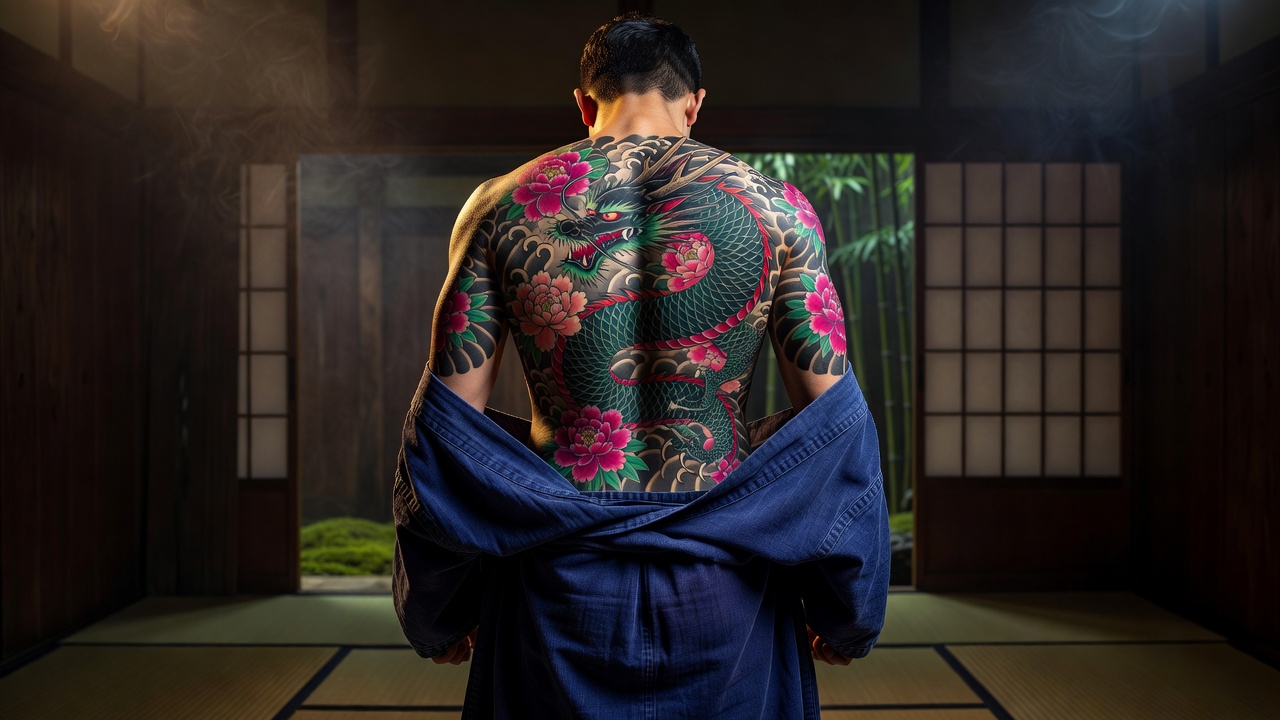
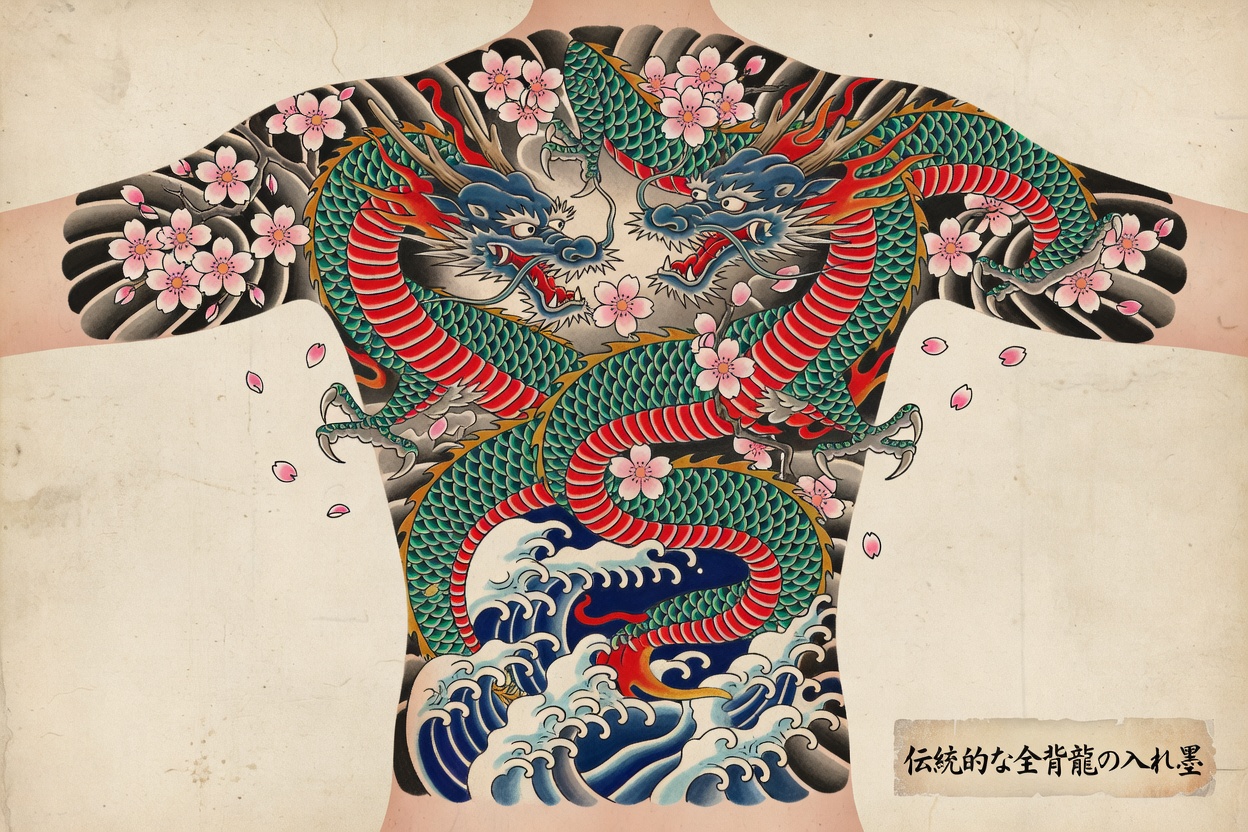
Yes, larger pieces may take longer due to skin movement and coverage. Monitor closely and adjust routines accordingly.
Can diet affect the healing process?
Yes, staying hydrated and consuming foods rich in vitamins A and C supports skin recovery, aligning with traditional views on internal health influencing external ink appearance.
For authoritative insights on skin health during healing, refer to resources from Britannica and cultural tattoo history at The Met. Additional guidance on general wellness can be found at CDC.
No comments yet. Be the first!