 Inked Mythos
Why Shoulder Tattoos Offer Unmatched Versatility in 2026
Shoulder tattoos continue to rank among the most adaptable placements for body art, striking a perfect balance between visibility and concealability. Whether you're seeking a subtle piece for professional settings or a bold statement that can be shown off at the beach, the shoulder's natural contours make it ideal for various styles and sizes. This placement works well for both men and women across different body types, allowing designs to flow naturally with muscle structure and movement. In 2026, trends emphasize personalization, with artists incorporating elements that reflect individual stories while ensuring the ink ages gracefully. The shoulder's relatively flat surface and thicker skin provide excellent canvas qualities compared to more curved areas like ribs or wrists. Clients often appreciate how shoulder tattoos can evolve from small accents to expansive pieces that incorporate the upper arm or collarbone area without losing cohesion.
Many people choose the shoulder because it offers a large, stable area that supports both fine-line details and bold color work. Body shape plays a significant role: broader shoulders accommodate symmetrical designs, while slimmer frames benefit from elongated vertical motifs that create the illusion of length. Athletes and active individuals find the placement practical since it experiences less friction from clothing during workouts.
Floral Motifs: Timeless Elegance for Every Shoulder
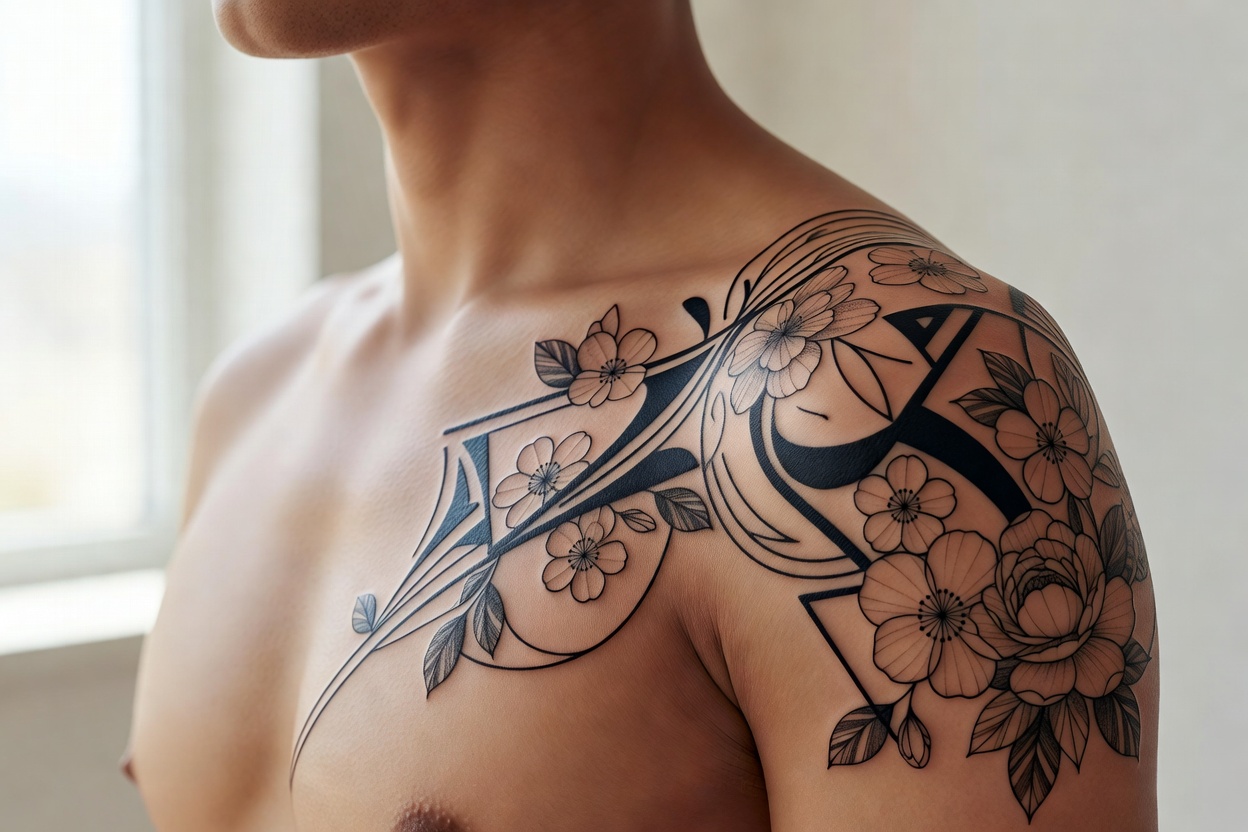
Floral designs remain a top choice for shoulder tattoos due to their ability to scale from delicate single blooms to intricate full-shoulder pieces. Roses, peonies, and lotus flowers adapt beautifully to the shoulder's slope, creating a sense of movement as the arm rotates. For example, a cascading vine of wildflowers can start at the top of the shoulder and trail slightly onto the upper arm, enhancing the natural shape without overwhelming it. A single large peony centered on the deltoid offers a focal point that can later be expanded with surrounding leaves or smaller buds. These motifs suit both minimalist black-and-gray styles and vibrant color palettes. Artists often recommend incorporating negative space to let the skin breathe and highlight the design's organic flow. Consider adding elements like butterflies or bees for added symbolism, or blending florals with subtle geometric borders for a modern twist that remains elegant over time.
Animal Motifs: Symbolism and Dynamic Placement
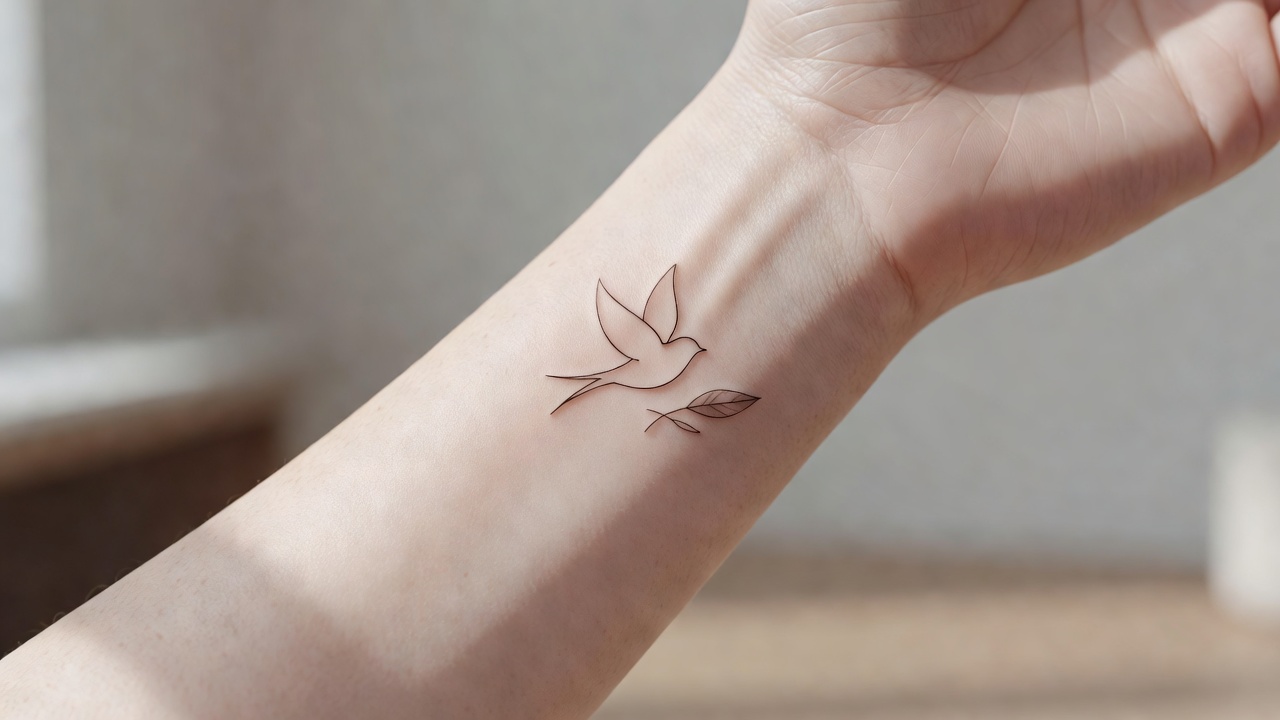
Animal-inspired tattoos on the shoulder allow for powerful symbolism while offering flexibility in size. From majestic eagles and wolves to subtle hummingbirds or geometric foxes, these designs can wrap around the deltoid for a three-dimensional effect. Larger animals like bears or dragons work well as half-sleeve extensions, while smaller creatures fit neatly on the cap of the shoulder for easy concealment under clothing. Consider how the animal's posture interacts with body movement—leaping felines or soaring birds gain energy from shoulder flexion. Many clients choose animals that represent personal traits, making the tattoo a meaningful daily reminder. For instance, a phoenix rising across the shoulder blade area can symbolize resilience and pair effectively with existing back pieces. Realistic fur textures or stylized line-art versions both thrive in this location because the skin's thickness supports detailed shading without excessive bleeding of ink over years.
Abstract and Geometric Designs: Modern Adaptability
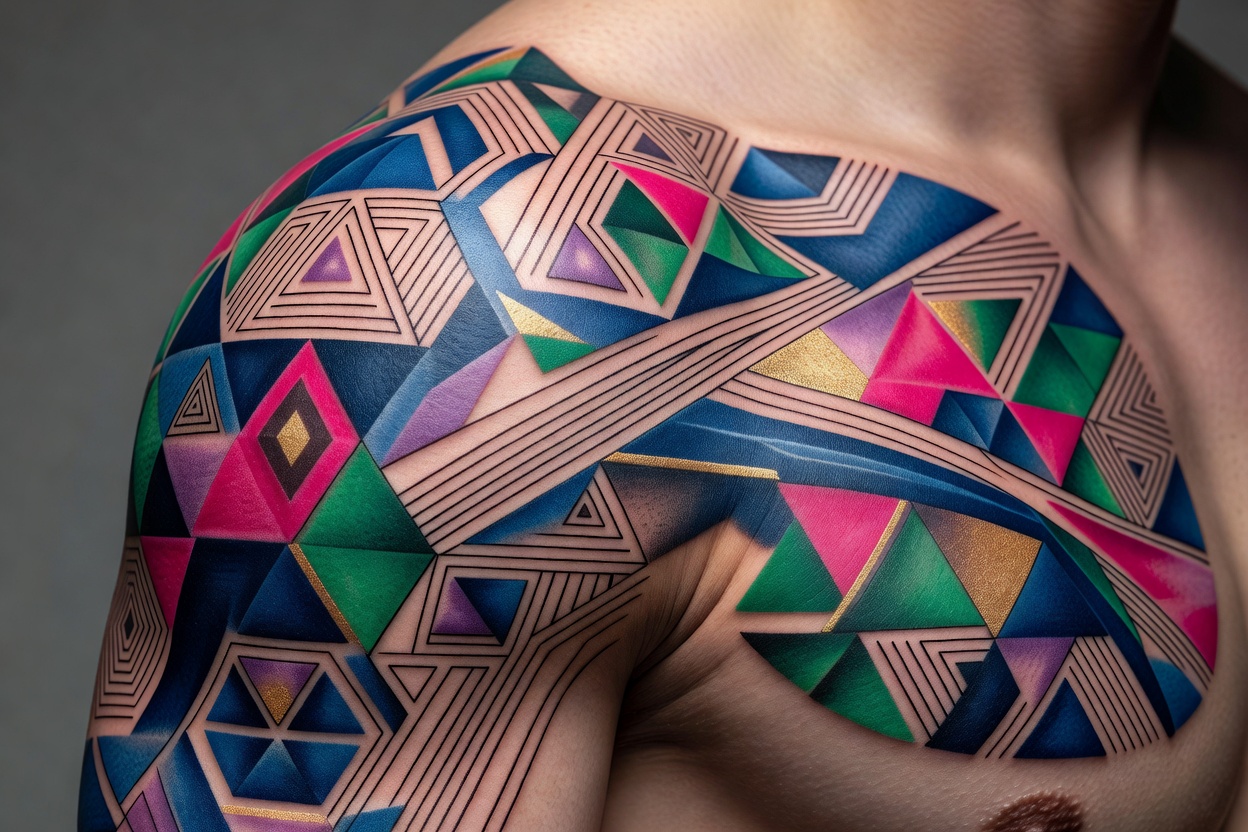
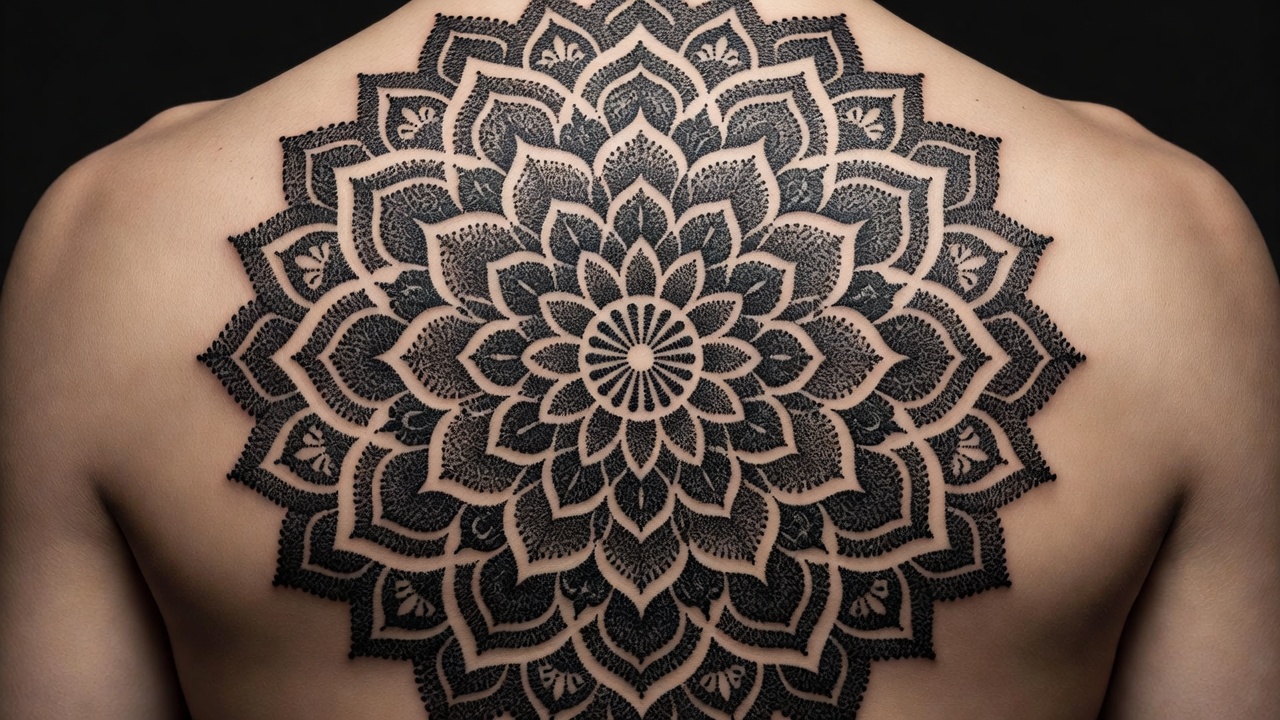
Abstract patterns and geometric shapes thrive on the shoulder because they can be customized to any proportion. Mandala-inspired works, sacred geometry, or fluid watercolor abstracts provide endless options for symmetry or asymmetry. These styles often incorporate negative space or dotwork to create depth without requiring extensive shading. Abstract tattoos also pair seamlessly with existing ink, allowing clients to build cohesive collections over time. Their versatility makes them popular for first-time tattoo recipients who want something unique yet timeless. A well-planned geometric sleeve starting at the shoulder can incorporate triangles, circles, and lines that follow muscle contours, creating visual interest from multiple angles. Clients with broader builds often opt for radial mandalas that radiate outward, while those with narrower frames prefer angular patterns that elongate the appearance of the shoulder line.
Practical Steps for Choosing Your Shoulder Tattoo
- Assess your lifestyle and visibility needs—consider how often you'll want to show or hide the tattoo during work or social events.
- Research artists specializing in your preferred style through portfolios and consultations, reviewing healed examples specifically on shoulder placements.
- Experiment with temporary transfers to test size and placement on your specific shoulder shape, noting how the design moves with daily activities.
- Factor in future plans like weight changes or additional ink to ensure the design ages well and maintains balance with your body.
- Schedule a detailed consultation to discuss size limitations, color longevity, and how the tattoo will interact with clothing seams or straps.
- Review reference images of similar body types to visualize final results and avoid unrealistic expectations.
Pain Considerations and Healing Timeline
The shoulder generally ranks as a moderate-pain area due to its muscle padding, though proximity to bone near the collarbone can increase discomfort for some individuals. Sessions typically last 2-4 hours depending on detail level, with larger pieces often broken into multiple appointments to manage swelling. Healing takes 2-4 weeks for the outer layer, with full settling around 6-8 weeks. Proper aftercare minimizes risks like infection. Factors such as skin type, hydration levels, and aftercare adherence directly influence how quickly the tattoo heals and retains color vibrancy. Individuals with sensitive skin may experience more redness initially but can mitigate this through gentle products recommended by their artist.
Comparisons to Other Popular Placements
Unlike forearm tattoos, which are always visible, shoulder ink offers more discretion during professional interactions. It provides more space than wrist or ankle placements without the higher pain of rib or spine areas. Compared to back tattoos, shoulders allow easier self-monitoring during healing and require less assistance for daily cleaning. The shoulder also tends to hold ink better than high-movement areas like elbows or knees, reducing the likelihood of touch-ups over a decade.
Customization Tips and Pairing with Existing Ink
Work with your artist to blend new shoulder work with older tattoos through matching color palettes or thematic elements. Consider adding subtle shading or line extensions to create flow across the body. For cohesive results, schedule a consultation to map out a larger collection plan that includes potential future additions on the upper arm or chest. Clients often integrate meaningful dates, quotes, or symbols into abstract backgrounds for deeper personalization.
Mistakes to Avoid When Getting a Shoulder Tattoo
Common pitfalls include choosing designs that are too small for the available space, leading to a cramped appearance, or ignoring how the tattoo will look when the arm is raised. Always communicate clearly with your artist about expectations regarding size and detail. Another frequent error is skipping proper research on aftercare products, which can result in premature fading. Finally, avoid rushing the decision—take time to live with a stencil for a few days to confirm the placement feels right for your lifestyle.
Aftercare FAQ
- How should I clean a new shoulder tattoo? Gently wash with unscented soap and apply a thin layer of recommended ointment twice daily for the first two weeks, avoiding harsh scrubbing that could pull ink.
- When can I expose it to sunlight? Avoid direct sun for at least 4 weeks; always use high-SPF protection afterward to prevent color fading and skin damage.
- Can I swim with a fresh tattoo? Wait until fully healed, typically 4-6 weeks, to prevent infection from bacteria in pools or natural water sources.
- What signs indicate a problem during healing? Excessive swelling, pus, or fever warrant immediate contact with your artist or a medical professional for evaluation.
For reliable guidance on tattoo safety and skin health, consult resources from Mayo Clinic, CDC, and American Academy of Dermatology. These organizations provide evidence-based recommendations that support long-term skin integrity after any tattoo procedure.
Conclusion
Shoulder tattoos deliver exceptional versatility for 2026, accommodating diverse styles while supporting both concealment and display. By thoughtfully selecting motifs, working with skilled artists, and following proper aftercare, your ink can remain vibrant and meaningful for years. Start your journey with thorough research and personalized planning to achieve results that truly reflect you.
No comments yet. Be the first!