 Inked Mythos
Introduction to Launching Your Tattoo Career in 2026
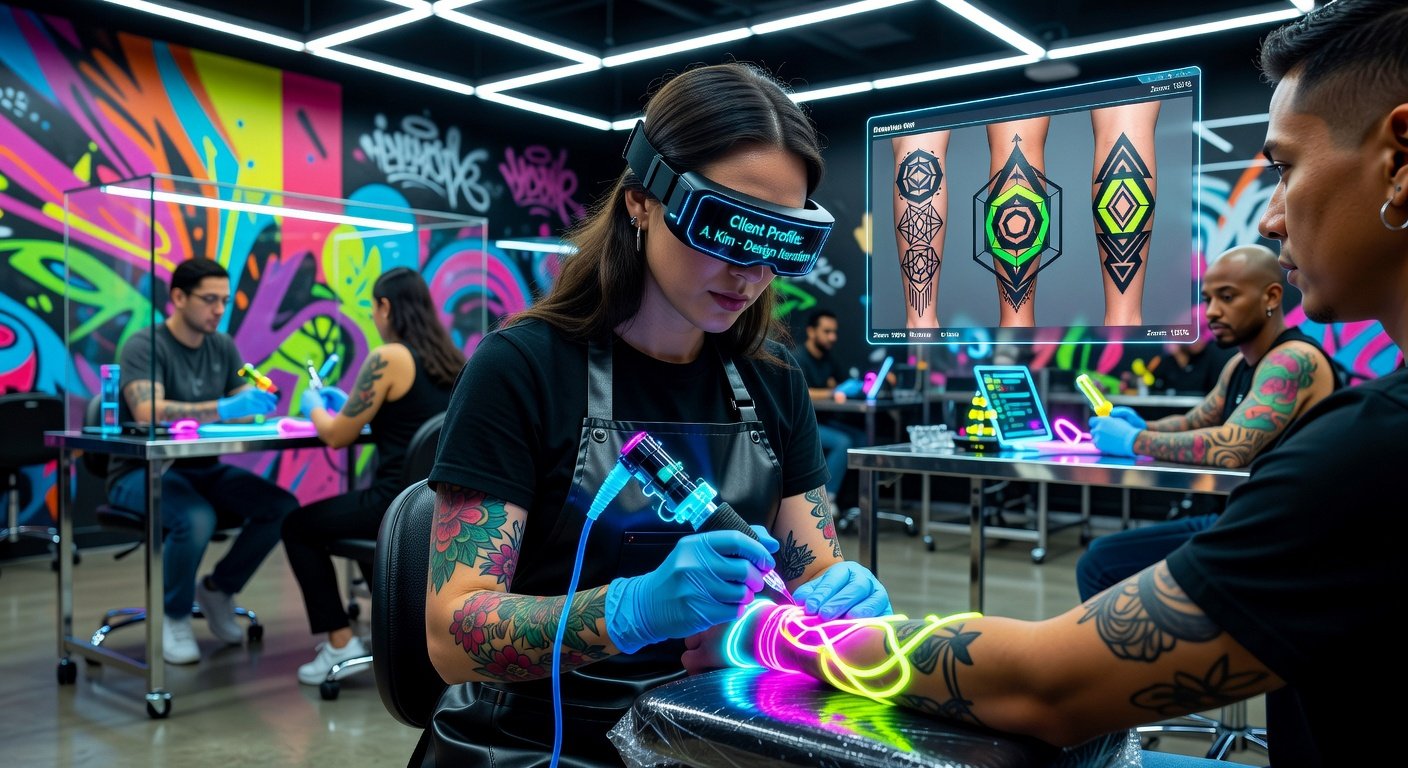
The tattoo industry is booming, projected to grow with rising demand for personalized body art. In 2026, aspiring ink artists have unprecedented opportunities thanks to social media, advanced tools, and evolving regulations. Whether you're a self-taught sketch artist or fine art graduate, this step-by-step guide covers everything from essential tools to marketing mastery. We'll also share recent success stories and advanced tips to help you stand out in a competitive field.
Essential Tools for Beginner Tattoo Artists
Investing in quality tools is your first step. Start with a reliable tattoo machine. Rotary machines like the Cheyenne Hawk Spirit are beginner-friendly due to their precision and low vibration.
- Tattoo Machine: Wireless rotary pens (e.g., Dragonhawk Mast) for portability—ideal for 2026's mobile pop-up events.
- Power Supply and Needles: Clip cord or wireless packs; buy sterile needle cartridges in various sizes (RL for lines, RS for shading).
- Inks and Supplies: Vegan, EU-compliant inks like Eternal or Intenze. Don't forget barriers, green soap, and aftercare products.
- Practice Skins: Synthetic skins for honing skills without risking real flesh.
Budget $500–$1,000 initially. Source from reputable suppliers like Kingpin Tattoo Supply. Always prioritize sterility to avoid health risks—check FDA cosmetics guidelines for safe practices.
Building a Stunning Portfolio
Your portfolio is your resume. Begin on fake skin, progressing to willing friends (with consent forms). Aim for 20–30 diverse pieces showcasing styles like fine line, realism, or neo-traditional.
- Photograph professionally: Use natural light, 50mm lens, no filters.
- Diversify: Include healing stages to prove longevity.
- Digitalize: Create a Behance or Instagram Highlights reel.
- Physical Book: Leather-bound with high-res prints for studios.
Practice daily. Join online communities like Reddit's r/tattooapprentice for feedback. 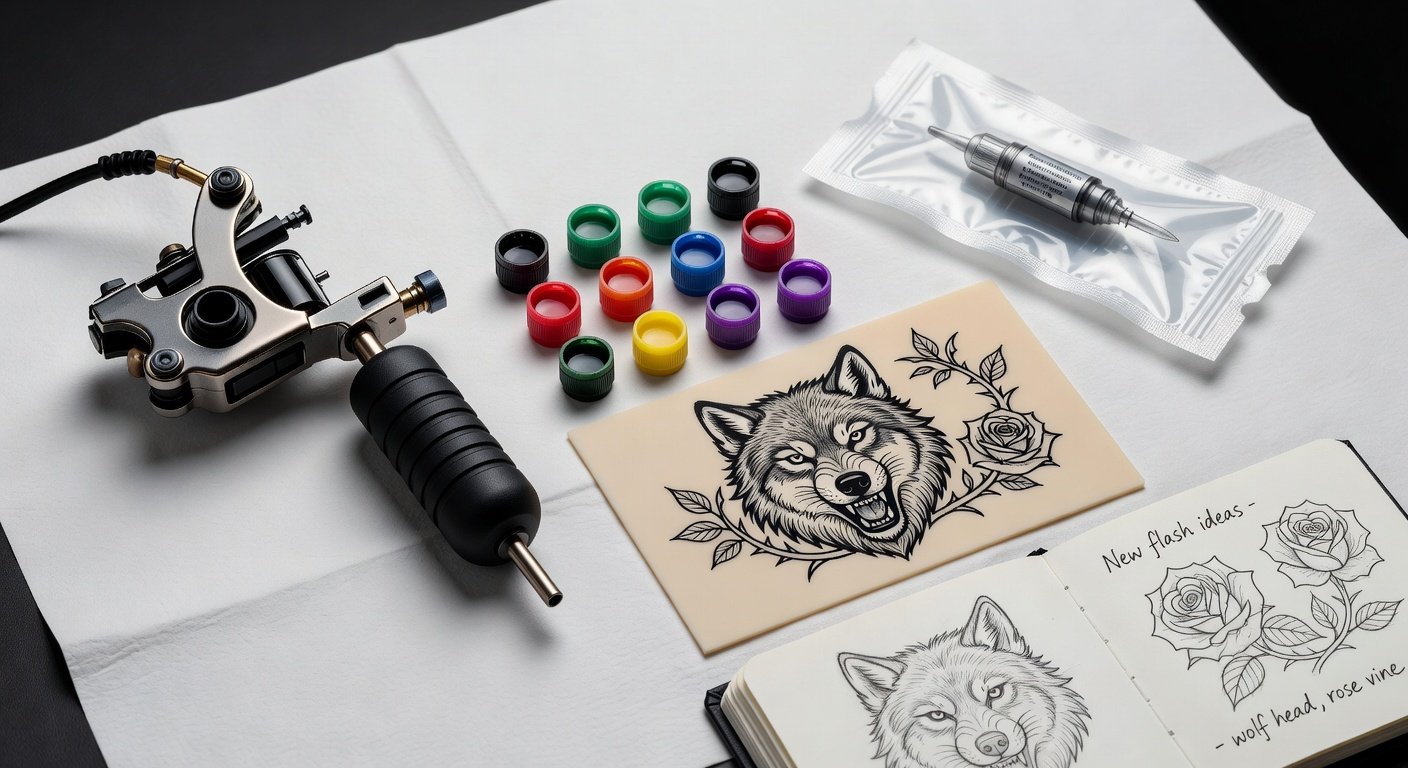
Navigating Legal Requirements and Apprenticeships
Tattooing is regulated. In the US, most states require a license after 1,000–2,000 supervised hours. Research your local health department—bloodborne pathogen certification is mandatory.
- Training: Enroll in apprenticeships via U.S. Department of Labor Apprenticeship programs.
- Shop License: Studios need health inspections; solo artists may need business registration.
- Insurance: Liability coverage ($1M+). In 2026, expect stricter digital consent laws.
- International: EU artists need hygiene certs; check WHO standards.
Start as a shop assistant. Expect 1–3 years unpaid or low-paid to learn sterilization, customer service, and ethics.
Mastering Social Media Marketing
Social platforms are your storefront. Instagram and TikTok drive 70% of bookings.
- Profile Setup: Pro account with bio link to booking (e.g., via Squarespace).
- Content Strategy: Post process videos, time-lapses, stories. Use #Tattoo2026, #FineLineTattoo.
- Engagement: Collaborate with influencers; run giveaways.
- Ads: Target local 18–35 demo. Follow Instagram Business best practices.
- TikTok Trends: ASMR tattoo sounds, flash challenges.
Consistency: 3–5 posts/week. Analytics tools track ROI.
Success Stories: Recent Tattoo Breakthroughs
Inspiration from real artists:
Kat Von D's Protégé, Mira Mariah: From Instagram sketches to global fame via hyper-realism. She built a 1M+ following pre-apprenticeship.
Xoïl (Canada): Broke out in 2023 with geometric dots; now books international guests. Key: Viral TikToks of healing processes.
Mo Ganji (Berlin): Minimalist lines exploded on Insta. Lesson: Niche mastery + collaborations.
These artists started small, leveraged social proof, and networked at conventions like Vegas Tattoo Expo.
Advanced Tips to Stand Out in 2026
Elevate beyond basics:
- Tech Integration: AR tattoo previews via apps like InkHunter.
- Sustainability: Eco-inks, zero-waste studios—huge trend.
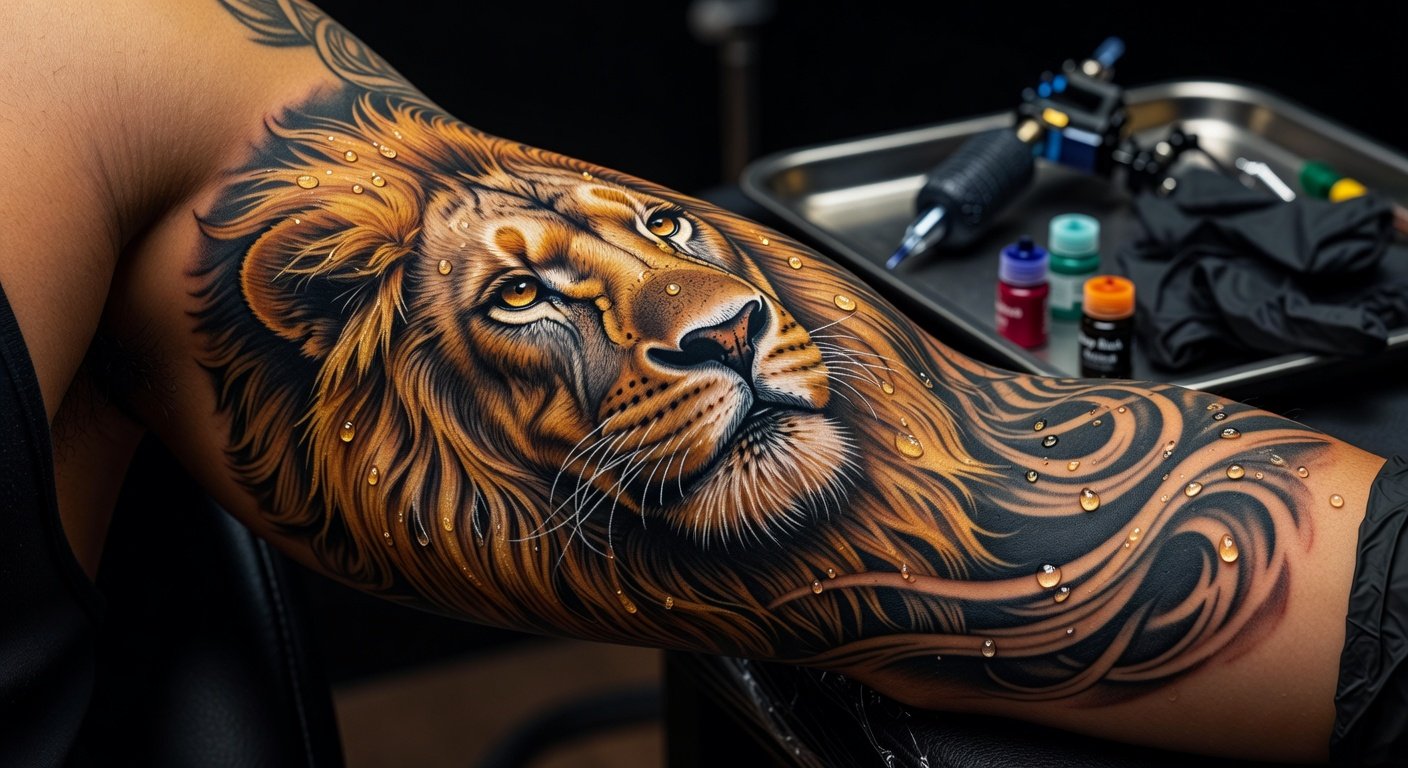
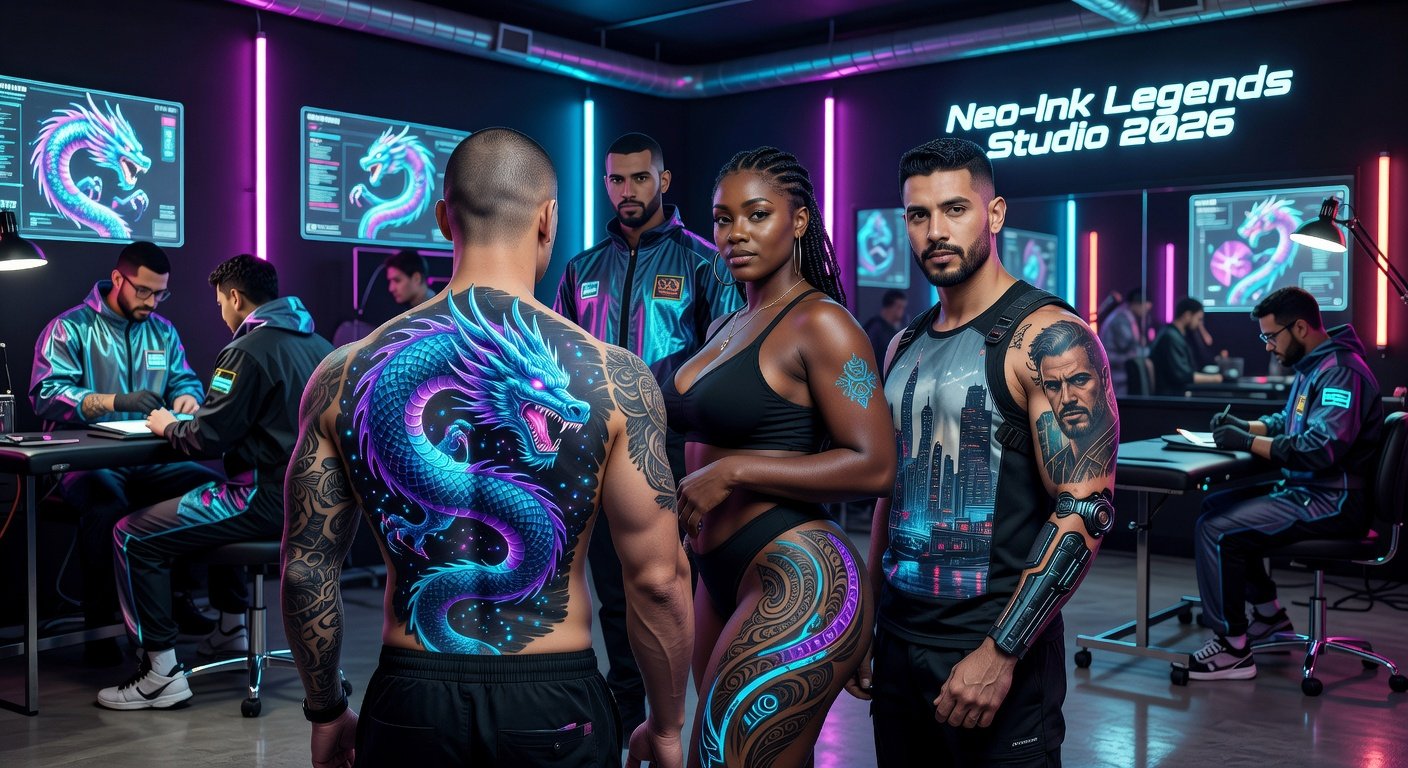
- Specialization: UV reactive, 3D, or medical tattoos (scar cover-ups).
- Networking: Guest spots, conventions. Build email lists for repeat clients.
- Branding: Unique style signature, merch like stickers.
- Business Acumen: Pricing: $150+/hr. Use QuickBooks; aim 40% profit margin.
Continuous education: Online courses from Tattoo University. Track trends like AI-generated designs.
Final Thoughts: Ink Your Future in 2026
Starting a tattoo career demands passion, patience, and hustle. Follow these steps, stay legal, and market relentlessly. By 2026, the bold will thrive. Ready to pick up your machine?
No comments yet. Be the first!