 Inked Mythos
Introduction: Tattoos Rooted in the Wild
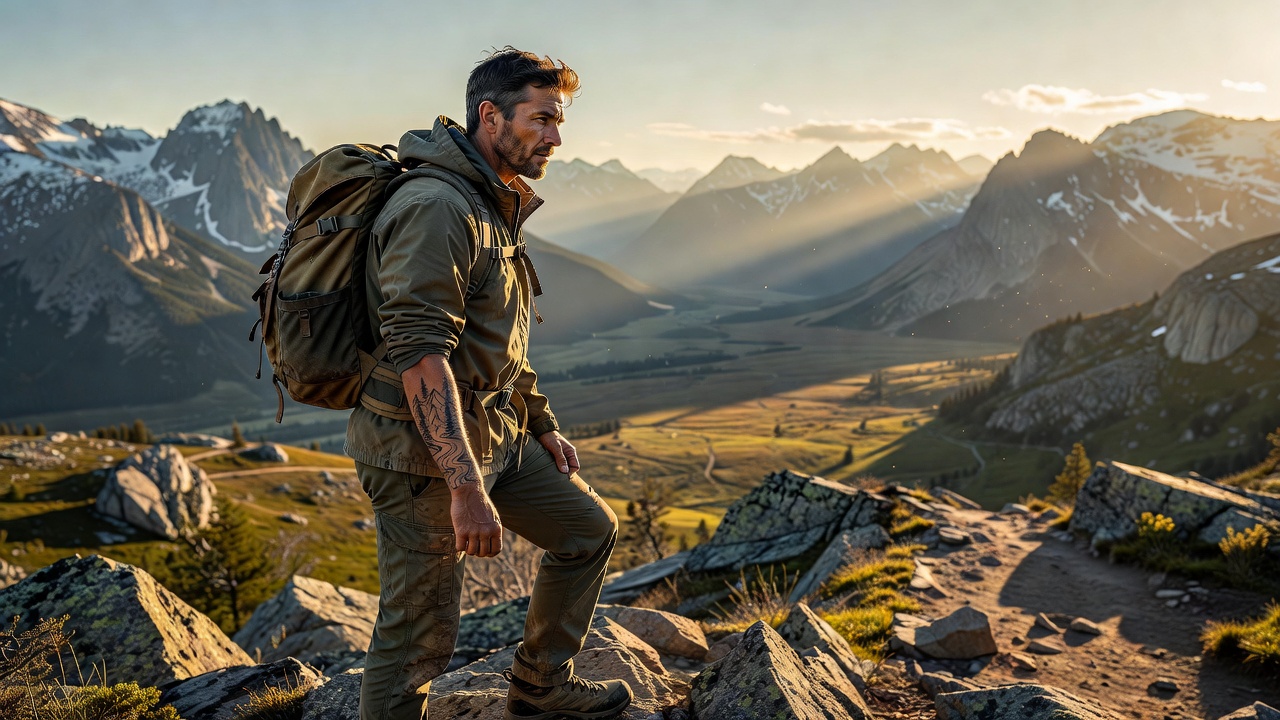
Nature has long served as a powerful muse for body art, with outdoor enthusiasts turning personal experiences into permanent ink. In 2026, searches for tattoo stories and nature-inspired designs continue to rise as people seek meaningful ways to commemorate hikes, wildlife encounters, and environmental connections. This article explores real journeys, from mountain silhouettes to delicate floral motifs, while examining how these tattoos evolve over time and providing actionable guidance for anyone considering similar ink.
Whether you prefer minimalist lines or intricate details, nature ink offers endless possibilities that reflect both the grandeur of the outdoors and individual life stories. We include five diverse case studies drawn from real enthusiasts, practical advice on choosing designs and placements, comparisons of styles, common pitfalls, and an expanded FAQ addressing symbolism, aftercare, and placement decisions. By the end, you will have concrete insights to inform your own nature-inspired tattoo journey.
Case Study 1: The Mountain Silhouette on the Back
Sarah, a 34-year-old hiker from Colorado, chose a minimalist mountain range silhouette across her upper back after summiting five fourteeners in a single season. The design captures the exact peaks she conquered, symbolizing resilience and the quiet strength found in remote wilderness. Over two years, she added subtle shading to represent changing seasons, transforming the original outline into a living record of her ongoing adventures. Friends often comment on how the tattoo sparks conversations about conservation efforts in the Rockies, turning personal ink into a platform for environmental awareness.
Case Study 2: Floral Motifs on the Forearm
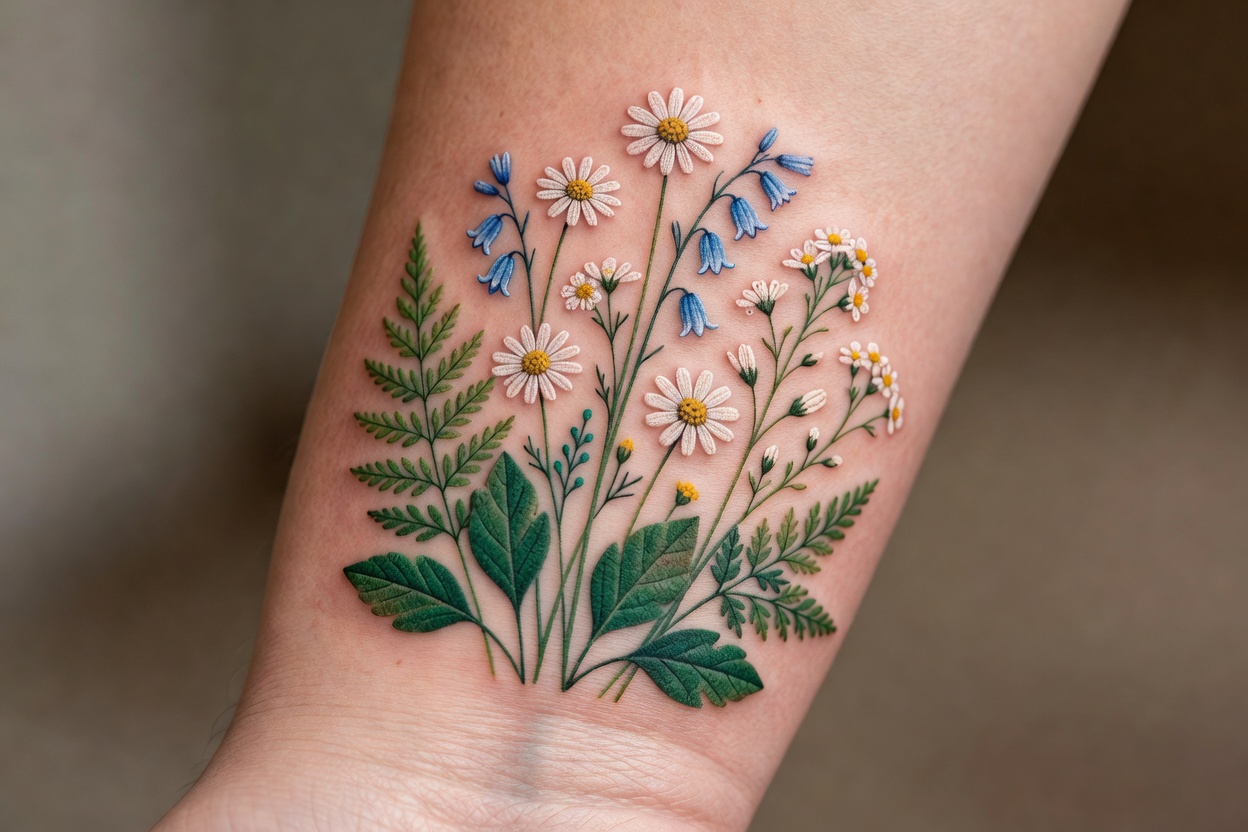
Mark, an avid gardener and trail runner, opted for a sleeve of native wildflowers wrapping his forearm. Each bloom represents a different trail he maintains through volunteer work. The detailed petals include hidden coordinates of his favorite spots, blending personal meaning with botanical accuracy. As seasons pass, he plans to incorporate color variations that match actual bloom cycles observed during his runs, allowing the tattoo to mirror the natural world it celebrates. This approach demonstrates how nature tattoos can function as dynamic journals rather than static images.
Case Study 3: River Flow on the Ribcage
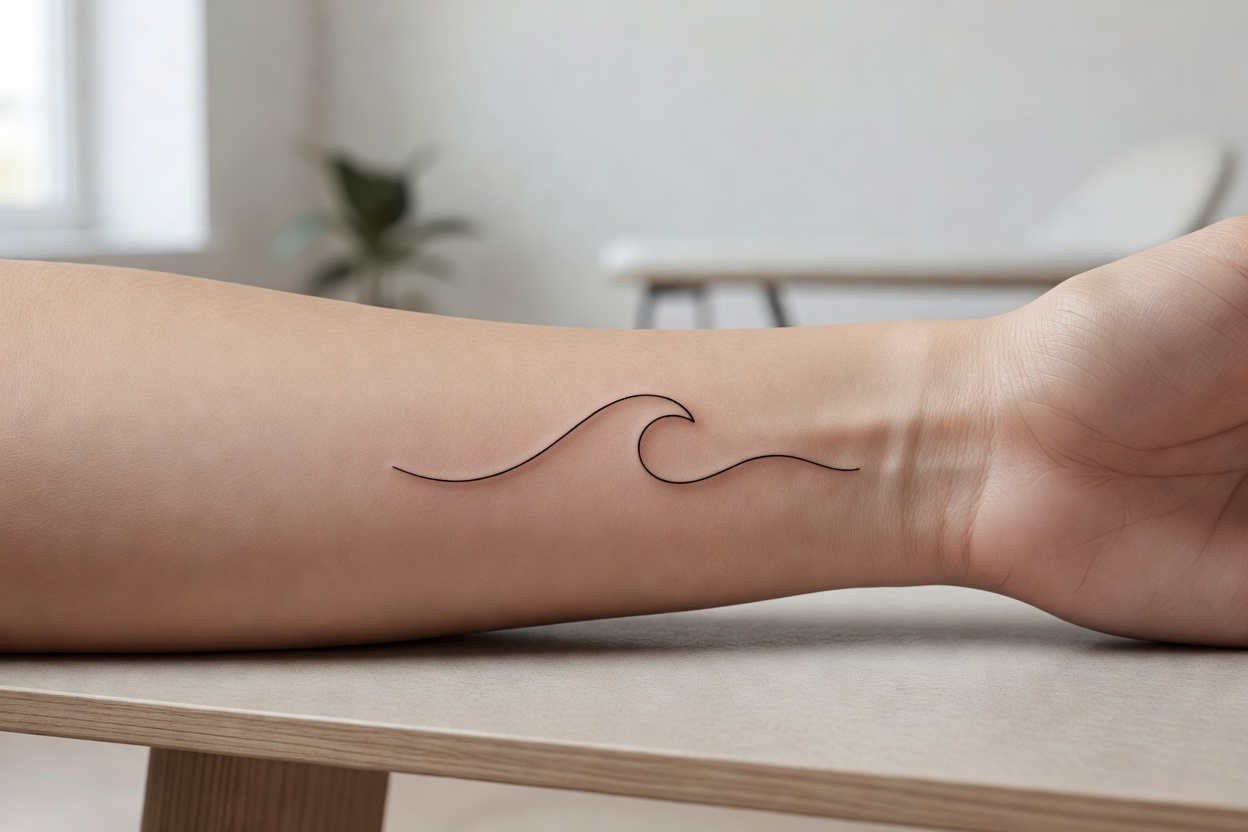
Elena, a kayaker from Oregon, selected a flowing river design along her ribcage. The tattoo incorporates wave patterns from her most challenging rapids, using fine lines to suggest movement and energy. As her skills grew, she extended the design with tributary lines, showing how her relationship with water deepened through years of training and competition. The placement on the ribcage serves as a private reminder during tough times, visible only when she chooses to share the story behind the ink.
Case Study 4: Tree Ring Mandala on the Thigh
Jamal, a forest conservationist, bears a cross-section of an ancient oak rendered as a mandala on his thigh. The rings mark personal milestones alongside the tree's age, creating a living timeline that continues to inspire his work protecting old-growth forests. He returns annually for minor line enhancements that reflect new growth rings observed in the field, ensuring the piece evolves in parallel with both the natural subject and his career achievements.
Case Study 5: Bird Migration Across the Shoulder
Li, a birdwatcher in her forties, chose a minimalist flock of migratory birds spanning her shoulder blade. Each species reflects a sighting that changed her perspective on climate and movement, with negative space allowing the design to expand yearly. Recent additions include a single golden eagle to commemorate a rare sighting during a research trip, illustrating how these tattoos adapt to new chapters in an enthusiast's outdoor life.
How Designs Evolve Over Time
Nature tattoos rarely stay static because the environments and personal experiences they represent continue to change. Environmental shifts, personal growth, and new adventures frequently prompt additions or refinements. Many enthusiasts return to artists for seasonal updates, such as adding leaves or shifting colors to mirror real landscapes. This organic evolution keeps the ink relevant and deeply personal, turning a single session into a multi-year collaboration between wearer, artist, and the natural world. For example, a simple tree outline might gain roots, birds, or seasonal foliage as the owner completes more trails or witnesses habitat changes firsthand.
Minimalist vs Detailed Styles: A Comparison
Minimalist nature tattoos use clean lines and negative space for subtle impact, ideal for first-time wearers or discreet placements like wrists and ankles. They require fewer sessions and tend to age more gracefully with less need for touch-ups. Detailed styles incorporate shading, color gradients, and textures for photorealistic results but demand more commitment in both time and healing. Consider lifestyle when choosing—minimalist designs suit active outdoor professionals who prefer low maintenance, while detailed work benefits from regular touch-ups and appeals to those wanting maximum visual storytelling. Placement also influences the choice, as high-movement areas like elbows favor simpler lines to prevent distortion over time.
National Geographic highlights how nature observation influences creative expression across art forms, including body art, underscoring the cultural significance of these designs.
Practical Tips for Selecting and Maintaining Nature-Based Ink
Selecting the right nature tattoo involves more than aesthetics. Start by reflecting on the specific outdoor memory you wish to honor and how it might translate visually. Research artists specializing in nature realism or fine-line work through portfolios focused on outdoor themes, and schedule consultations to discuss symbolism and placement options. Choose placements considering sun exposure—avoid areas prone to fading like forearms if possible, opting instead for covered zones such as the back or thighs. Discuss symbolism upfront to ensure the design captures your intended story, and bring reference photos from actual hikes or observations. Follow aftercare protocols from day one, including daily moisturizing and consistent sun protection with broad-spectrum SPF. Schedule annual check-ins with your artist for color refreshers as needed, and avoid swimming or heavy sweating for the first two weeks post-session. Finally, track your tattoo's appearance in a journal alongside photos of the original natural inspiration to appreciate how both evolve.
CDC guidelines emphasize proper tattoo aftercare to prevent infections and support long-term skin health, while National Park Service resources offer inspiration for authentic nature motifs drawn from protected landscapes.
Common Mistakes to Avoid
- Rushing the design without multiple iterations or reference gathering from real outdoor experiences.
- Selecting an artist without reviewing nature-specific work in their portfolio.
- Ignoring sun protection, which accelerates fading in nature-themed color work.
- Overloading a small placement with excessive detail that blurs over time.
- Skipping consultations about long-term symbolism and potential future additions.
FAQ: Symbolism and Placement
What do mountain tattoos symbolize?
Mountains often represent strength, perseverance, and personal peaks achieved through outdoor challenges, while also evoking stability and connection to the earth.
Where is the best placement for floral motifs?
Forearms, ribs, and ankles work well for florals, allowing visibility or concealment based on preference and lifestyle demands.
How does symbolism change with minimalist designs?
Minimalist versions emphasize simplicity and modern aesthetics while retaining core meanings like growth, freedom, or resilience in a more understated form.
Can nature tattoos incorporate personal coordinates or dates?
Yes, many enthusiasts embed GPS coordinates, elevation numbers, or milestone dates within designs to deepen the narrative without compromising visual appeal.
Conclusion: Your Own Nature Ink Journey
Personal tattoos inspired by the wild create lasting connections to the outdoors and serve as ongoing reminders of resilience, discovery, and environmental appreciation. By studying these stories, comparing styles, and following thoughtful selection and maintenance processes, you can craft ink that grows with you across seasons and adventures. Whether minimalist or detailed, nature remains a timeless source of inspiration for meaningful body art that resonates far beyond the skin.
No comments yet. Be the first!