 Inked Mythos
Introduction: Tattoos Born from the Subconscious
In the digital age of 2026, more people are turning inward for tattoo inspiration, drawing from dreams and visions rather than traditional life milestones. These "dream ink" pieces capture fleeting subconscious imagery, transforming ephemeral night visions into permanent body art. This approach offers a deeply personal form of creative expression that resonates with those seeking unique, symbolic tattoos beyond memory-based designs. Dream tattoos often reflect psychological themes, spiritual insights, and abstract emotions that standard event-based ink cannot convey as fluidly.
Dream-derived tattoos differ fundamentally from those rooted in real events. They emphasize abstract symbolism, emotional resonance, and interpretive freedom. As tattoo culture evolves, artists and clients alike explore this niche for its creative depth and psychological significance. Many enthusiasts report that these designs evolve in meaning over time, mirroring personal growth and changing perspectives on the original vision.
Translating Dream Imagery into Tattoo Concepts
Converting a dream into a tattoo begins with detailed recollection. Clients often journal immediately upon waking, noting colors, shapes, emotions, and recurring motifs like floating symbols or surreal landscapes. This process preserves the vision before it fades. Tools such as voice memos, sketch apps, or dedicated dream journals help capture nuances that might otherwise be lost within minutes of awakening.
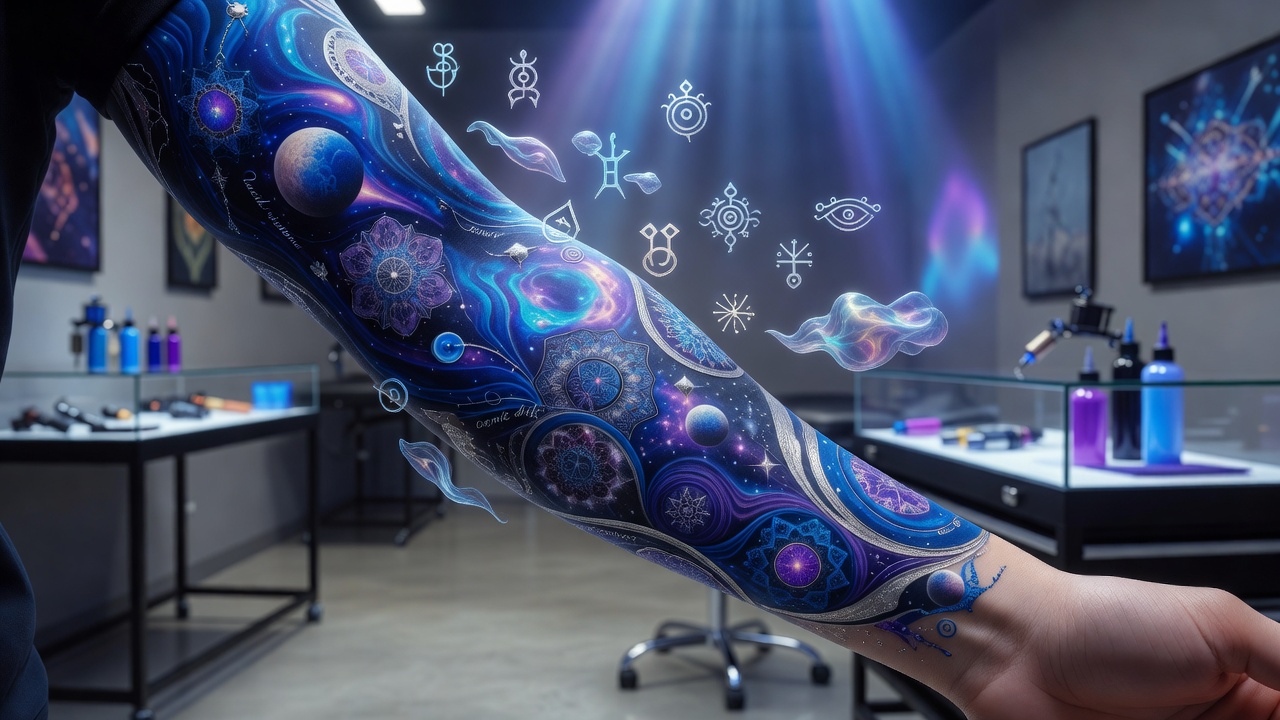
Key techniques include sketching rough concepts, identifying core emotions, and refining abstract elements into cohesive designs. For instance, a dream of swirling galaxies might evolve into a cosmic sleeve with personal astrological ties. Another common motif involves recurring figures or animals that represent inner conflicts, which artists can stylize into layered compositions. The goal is balancing literal representation with artistic interpretation to create wearable art that feels authentic. Clients are encouraged to revisit their notes multiple times before finalizing concepts, allowing subconscious themes to clarify naturally.
Collaborating with Artists on Symbolic Interpretations
Successful dream tattoos require strong artist-client partnerships. Seek tattoo artists experienced in symbolic or surreal styles, often found in modern trends. Share dream journals, mood boards, and emotional context during consultations to guide the design. Effective collaboration involves multiple sessions where artists propose variations, incorporate cultural or psychological symbolism, and adjust scale for body placement.
Artists help decode subconscious elements, suggesting compositions that enhance meaning. This collaboration ensures the final piece captures the vision's essence while remaining visually striking. Many studios now offer specialized sessions for vision-based work, fostering creative dialogue. Prepare by bringing reference images from art books or online galleries, and ask targeted questions about technique, color longevity, and how the design will age on skin. For safety and best practices, refer to authoritative health guidelines from sources like the Centers for Disease Control and Prevention when preparing for sessions.
Real-World Examples of Dream Vision Tattoos
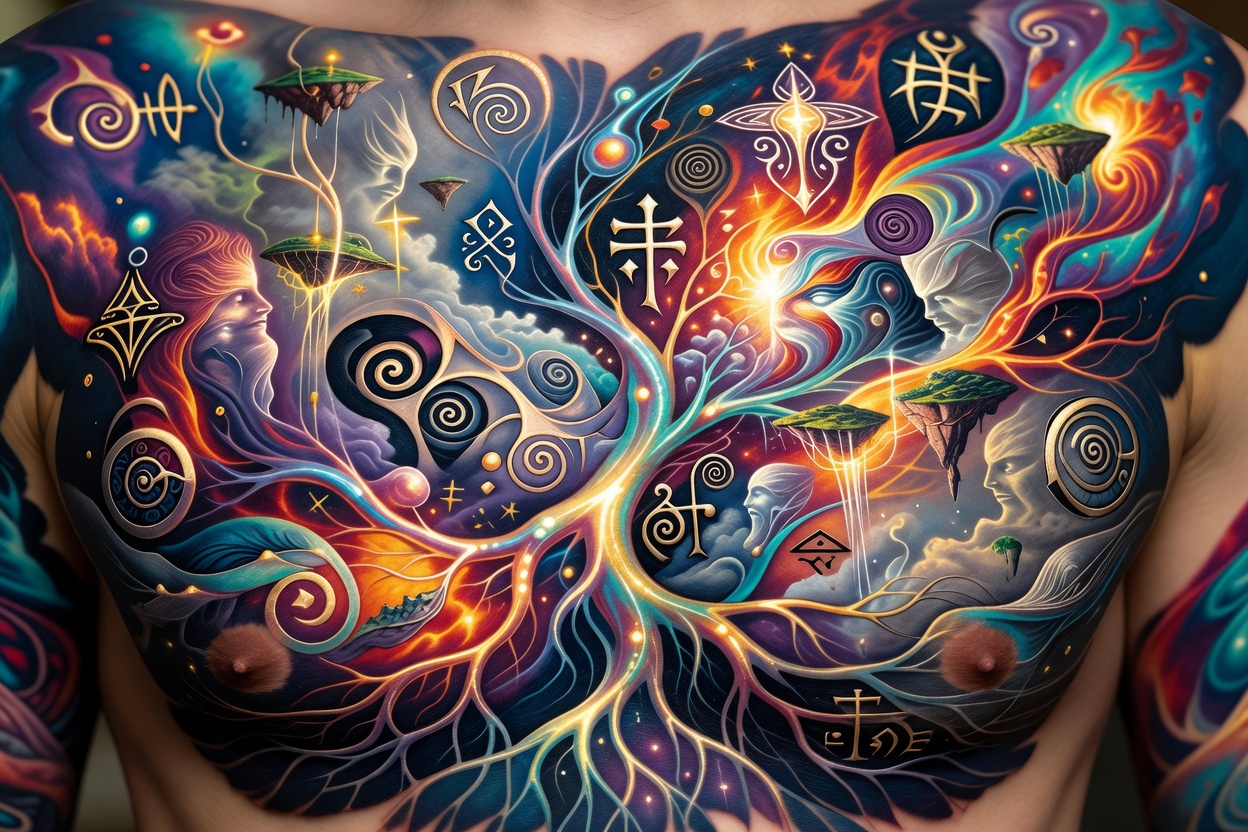
Consider the case of a client who dreamed of an ancient tree with glowing roots representing hidden family secrets. The resulting back piece incorporated ethereal lighting effects and symbolic leaves, becoming a daily reminder of self-discovery. The design used negative space to suggest movement, allowing the tattoo to feel alive as the wearer shifts positions. Another example involves a recurring vision of interconnected neural networks, translated into a forearm tattoo blending organic and geometric forms. This piece helped the individual process anxiety by visualizing mental pathways during stressful periods.
A third story features a young professional who repeatedly dreamed of underwater cities filled with bioluminescent creatures. The final calf tattoo combined realistic marine elements with abstract light patterns, serving as a symbol of hidden creativity emerging from routine life. These stories highlight how dream tattoos often carry evolving personal significance, adapting as the wearer reflects on their subconscious messages over time. Compared to memory-based tattoos, they tend to spark ongoing introspection rather than static nostalgia, making them popular among those interested in personal development and mindfulness practices.
Practical Steps for Preserving Fleeting Visions as Permanent Art
Follow these actionable steps to turn dreams into tattoos:
- Document visions immediately in a dedicated journal or app, including sensory details and emotional tones.
- Research artists via portfolios focused on abstract or visionary work, reviewing healed examples of their previous pieces.
- Schedule consultations to discuss symbolism and feasibility, bringing multiple dream iterations for flexibility.
- Prepare skin and mindset for the session, ensuring hydration, rest, and clear communication about pain tolerance.
- Plan aftercare meticulously to maintain vibrancy and meaning, following artist instructions on moisturizing and sun protection.
Additional tips include allowing time between the dream and tattoo to confirm lasting resonance, avoiding impulsive decisions. First-time clients should start with smaller test pieces if possible to gauge how the symbolism translates to skin. Consider consulting a therapist familiar with dream analysis beforehand to deepen understanding of the vision's layers.
Comparisons to Memory-Based Tattoos
Memory-based tattoos anchor to specific events, providing concrete storytelling that often serves as a tribute or milestone marker. Dream tattoos, by contrast, embrace ambiguity and personal evolution. They often appeal to those interested in psychology or spirituality, offering fluid interpretations that grow with the individual. Memory pieces may fade emotionally if the associated event loses relevance, while dream ink frequently gains layers of meaning through repeated reflection.
Both approaches create meaningful ink, but dream versions encourage creativity and self-exploration in unique ways within today's tattoo landscape. Clients choosing dream tattoos report higher rates of ongoing engagement with the artwork, using it as a tool for meditation or journaling prompts.
Common Mistakes to Avoid
Many first-time dream tattoo seekers rush the process without sufficient reflection. Avoid selecting designs based on a single vivid night without confirming the motif's enduring appeal. Another pitfall is choosing artists without surreal or symbolic expertise, leading to literal translations that miss the dream's emotional core. Overloading the design with too many elements can result in cluttered artwork that loses impact over time. Always verify artist hygiene standards and review multiple mockups before committing.
FAQs: Ensuring Dream Tattoos Remain Meaningful
How can I ensure my dream tattoo stays relevant years later?
Choose timeless symbols over hyper-specific details. Regular reflection through journaling helps maintain connection to the original vision.
What if the dream fades before the tattoo session?
Revisit notes and discuss core emotions with your artist. They can reinterpret to capture the essence even if visuals blur.
Are there risks with abstract dream designs?
Abstract work requires skilled artists to avoid misinterpretation. Always review mockups thoroughly and prioritize experienced professionals.
Should first-time clients start with dream tattoos?
Beginners may benefit from smaller dream-inspired pieces to test the process before larger commitments.
How do I find artists open to vision-based projects?
Search portfolios for keywords like surreal, symbolic, or abstract, and inquire directly about dream collaboration experience.
Conclusion: Embracing Subconscious Creativity
Dream ink chronicles represent a powerful intersection of psychology, art, and personal narrative in 2026 tattoo culture. By following structured approaches to translation, collaboration, and preservation, individuals can create enduring pieces that honor their inner visions. This method not only enriches the tattoo experience but also fosters deeper self-understanding for years to come. Those exploring this path often discover new dimensions of creativity and personal insight through their chosen designs.
No comments yet. Be the first!