 Inked Mythos
Introduction: The Rise of Culinary Tattoos in 2026
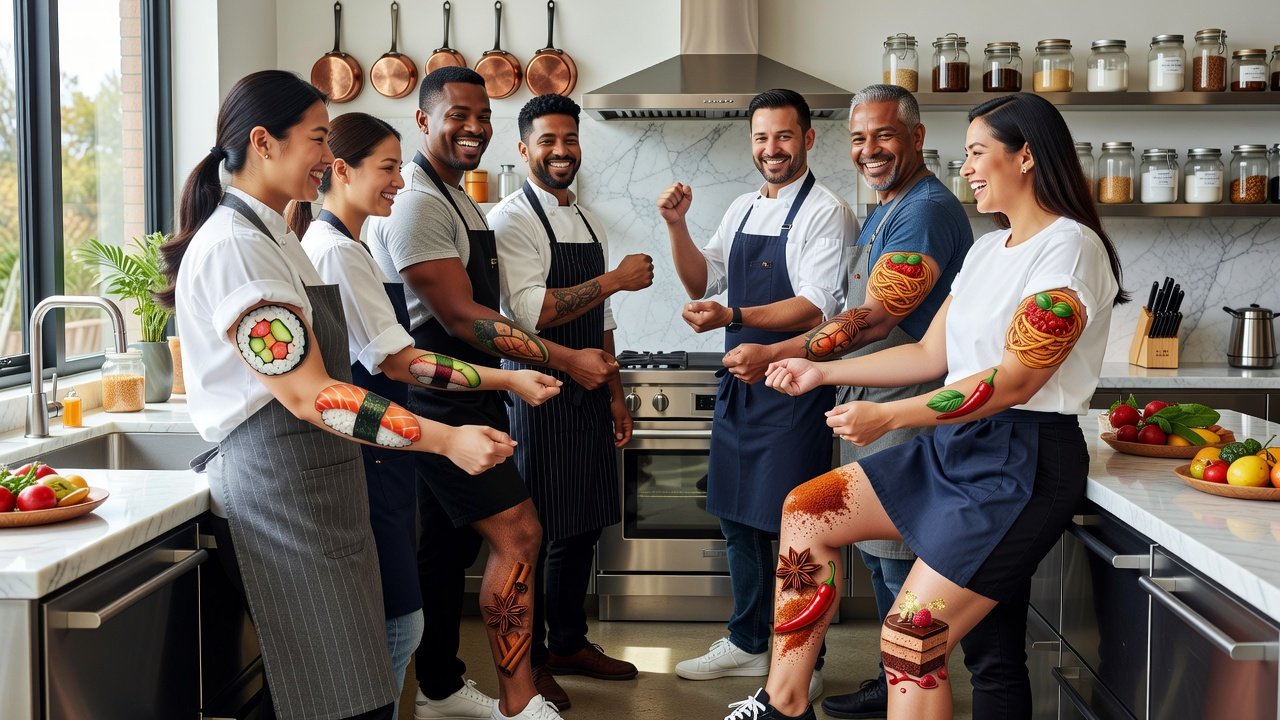
Food enthusiasts are increasingly turning their love for cooking, travel-inspired dishes, and signature recipes into permanent body art. In 2026, experiential tattoos that capture personal culinary journeys are gaining momentum among both professional chefs and passionate home cooks. These designs go beyond simple food illustrations, embedding stories of heritage, discovery, and creativity directly onto the skin. As experiential body art trends emphasize storytelling over generic imagery, many individuals seek tattoos that reflect their unique relationships with food, whether through childhood memories of family meals or international culinary explorations. This shift aligns with broader cultural movements toward personalization and authenticity in self-expression.
This article dives deep into the phenomenon with real-world case studies, practical advice on symbol selection, and expert guidance tailored for those working in kitchens. We examine how food-themed tattoos serve as both personal milestones and professional badges of honor, while providing actionable steps for anyone considering similar ink.
Six Inspiring Case Studies of Foodie Tattoos
Here are detailed stories from chefs and home cooks who have translated their culinary passions into ink, highlighting the thought processes and outcomes behind each design.
1. The Sushi Master’s Sleeve
Chef Elena Vargas from Los Angeles features a full sleeve depicting evolving sushi rolls that represent her apprenticeship in Tokyo. Each piece incorporates seasonal ingredients like uni and wasabi that changed with her career milestones. The design flows from wrist to shoulder, using negative space to represent the ocean waves connecting each element. Elena notes that the tattoo reminds her daily of discipline learned during intense training sessions.
2. The Pasta Lineage Armband
Home cook Marco Rossi chose an armband of handmade pasta shapes passed down through his Italian family, including a hidden date of his grandmother’s signature recipe. The intricate shading captures the texture of fresh dough, with subtle color variations representing different regional flours. Marco explains the tattoo as a way to honor his roots while cooking for his own children.
3. The Spice Route Back Piece
Traveling chef Priya Patel has a large back tattoo mapping her spice discoveries across India and Morocco, with cardamom pods and saffron threads rendered in realistic detail. The composition incorporates a faint compass rose to symbolize navigation between markets. Priya uses the piece as inspiration when developing new fusion menus at her pop-up events.
4. The Farm-to-Table Thigh Design
Urban gardener and cook Lena Torres displays heirloom vegetables grown in her rooftop garden, symbolizing her commitment to sustainable sourcing. Carrots, beets, and microgreens are illustrated with soil details and subtle root systems. The placement allows easy coverage during professional events yet remains visible for personal reflection during quiet cooking moments.
5. The Dessert Innovation Wrist Band
Pastry chef Jamal Wright’s delicate wrist piece shows molecular gastronomy elements like edible foams and plated desserts from his award-winning restaurant menu. Fine lines depict liquid nitrogen effects and geometric plating techniques. Jamal chose this visible spot to spark conversations with diners about the science behind his creations.
6. The Street Food Memory Calf Tattoo
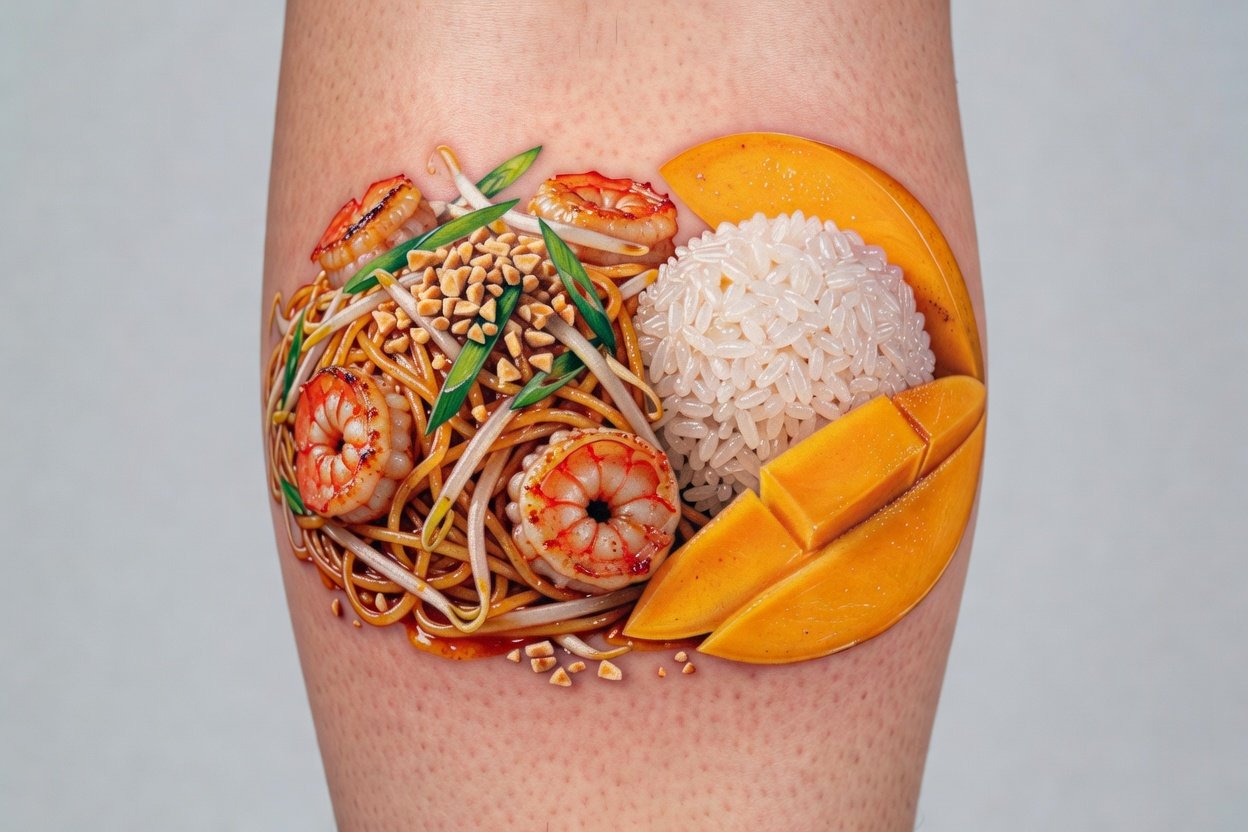
Home cook Aisha Khan commemorates Bangkok street food adventures with a vibrant pad thai and mango sticky rice illustration. The design includes small vendor cart details and evening market lighting effects. Aisha says the tattoo brings back sensory memories during her weekly meal prep routines.
Choosing Meaningful Symbols from Recipes and Travels
Selecting the right elements involves reflecting on personal stories rather than generic icons. Consider deconstructing favorite recipes into visual components such as specific herbs, cooking tools, or regional ingredients. Travelers often map routes with subtle geographic outlines or passport stamps integrated into food motifs. For instance, incorporating a family recipe’s exact measurement symbols or a market stall from a memorable trip adds layers of narrative depth. Avoid overly literal representations by blending multiple memories into cohesive compositions that evolve visually over time.
Placement Ideas for Kitchen Professionals
Chefs prioritize areas that withstand heat, moisture, and frequent washing. Popular choices include upper arms, shoulders, and calves for discretion under uniforms. Avoid hands and wrists if constant sanitation is required, opting instead for placements easily covered by sleeves. Thighs and upper backs offer larger canvases for complex scenes while remaining protected during service. Consider how movement and sweat might affect certain areas during long shifts, and discuss skin resilience with your artist during planning.
CDC guidelines on skin health provide useful context for professionals considering visible ink.
Artist Collaboration Tips
Work with tattoo artists experienced in food realism or illustrative styles. Bring reference photos of dishes, travel journals, and mood boards. Schedule multiple consultations to refine details and ensure the design scales appropriately for the chosen body area. Discuss color palettes that will hold up under kitchen lighting and potential fading from frequent hand washing. Artists can suggest techniques like dot work for texture or watercolor effects for vibrant produce representations.
Step-by-Step Guide to Planning a Food-Themed Tattoo
- Reflect on your culinary story and list 3-5 core memories or dishes that hold emotional weight.
- Research artists whose portfolios align with realistic or stylized food imagery through studio websites and client reviews.
- Sketch initial concepts and gather high-quality reference images from personal photos or professional food shoots.
- Book a consultation and discuss placement, size, color longevity, and how the design might interact with daily kitchen routines.
- Finalize the design after revisions and prepare for the session with proper skin care routines recommended by the artist.
- Follow aftercare strictly to maintain vibrancy, including scheduled touch-up appointments if needed after the initial healing phase.
2026 Trends in Experiential Culinary Body Art
Current trends emphasize interactive and narrative-driven tattoos that incorporate elements like hidden UV-reactive inks for dish glow effects or modular designs that can be expanded with future culinary adventures. Many enthusiasts blend traditional food motifs with abstract representations of flavors or aromas. Sustainability themes are rising, with designs featuring locally sourced ingredients or zero-waste cooking symbols. These approaches create tattoos that feel alive and connected to ongoing personal growth in the kitchen.
FAQs on Aftercare for Vibrant Culinary Ink
How long should I keep the tattoo covered? Follow your artist’s instructions, typically 24-48 hours, then switch to moisturizing routines while monitoring for irritation.
What products help preserve food tattoo colors? Use fragrance-free lotions and avoid prolonged sun exposure, especially during outdoor cooking events.
Can kitchen work affect healing? Wear protective sleeves during early healing stages and maintain strict hygiene to prevent contamination from oils or spices.
When should I schedule a touch-up? Most artists recommend evaluating after 6-8 weeks once fully healed, as food-themed colors may require minor adjustments for vibrancy.
Mayo Clinic tattoo aftercare advice offers additional professional recommendations. For broader skin safety information, consult American Academy of Dermatology resources.
Conclusion
Culinary tattoos offer a powerful way to celebrate food passions while aligning with 2026’s emphasis on experiential, story-driven body art. By thoughtfully selecting symbols, placements, and artists, enthusiasts can create lasting tributes that evolve alongside their culinary adventures. Whether you are a professional chef or dedicated home cook, these journeys transform personal experiences into wearable art that inspires daily creativity in the kitchen.

No comments yet. Be the first!