 Inked Mythos
Introduction: The Viral Pulse of Ink Culture
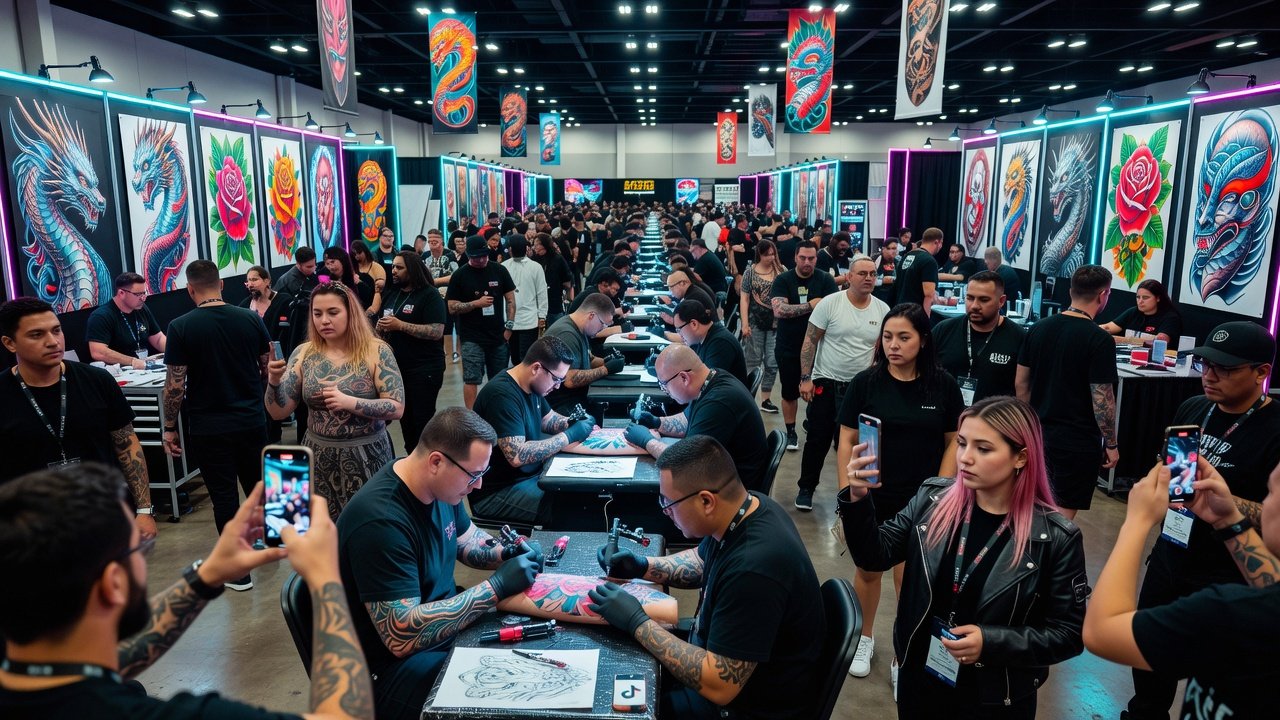
TikTok has become a dominant force in reshaping how tattoo enthusiasts discover, participate in, and promote events within the ink culture community. As we move into 2026, short-form video challenges are driving unprecedented attendance and engagement at tattoo conventions, flash events, and pop-up gatherings. This article examines the mechanisms behind this shift, real-world examples, and actionable strategies for artists and organizers. The rise of TikTok-driven trends means events are no longer confined to physical venues. Hybrid models now allow virtual participation, expanding reach far beyond traditional boundaries and creating global conversations around body art.
Understanding these dynamics requires looking at how platform algorithms prioritize engaging content, turning everyday tattoo sessions into shareable moments that attract new audiences to ink culture events.
Popular TikTok Challenge Formats Boosting Visibility
Several challenge formats have emerged as staples for tattoo events. The "24-Hour Ink Reveal" encourages artists to document the full process from stencil to finished piece, often using trending audio clips that sync with the rhythm of needle work. Another format, the "Matching Ink Challenge," pairs strangers or couples for coordinated designs, generating massive duet and stitch content that spreads rapidly across feeds.
Additional formats include the "Tattoo Transformation Challenge," where participants show before-and-after healing stages over weeks, and the "Artist Spotlight Duet," inviting users to recreate or react to professional techniques. These challenges amplify artist visibility by turning attendees into content creators. Organic reach spikes when participants tag event hashtags, leading to algorithmic promotion on the platform that can multiply impressions exponentially.
How TikTok Algorithms Shape Event Trends in 2026
TikTok's recommendation system favors videos with high completion rates, comments, and shares, which directly benefits tattoo events that incorporate interactive elements. In 2026, features like AI-enhanced effects for simulating tattoo placements and live collaboration tools have further accelerated virality. Events that align challenges with these tools see faster growth in follower bases and ticket inquiries.
Organizers report that incorporating platform-specific sounds or effects at the planning stage leads to higher discoverability, as the algorithm pushes content to users interested in related topics like body modification and alternative lifestyles.
Real Attendee Case Studies and Community Growth
Consider the case of a 2025 flash event in Los Angeles that transitioned into 2026 planning. Attendees who joined a TikTok challenge saw their follower counts grow by hundreds within days, fostering tighter-knit online communities that translate to repeat in-person meetups. Another example from a European tattoo festival highlighted how a single viral video led to a 40% increase in pre-registered participants for the following year through shared stories and live streams.
A third case study from an Australian convention showed a small collective of artists using a hybrid challenge format to connect with remote viewers, resulting in international collaborations and a sustained online forum that grew the local scene by inviting new members. These cases illustrate community expansion, where virtual engagement converts to loyal, real-world networks in ink culture, building long-term loyalty and word-of-mouth promotion.
Organic vs Paid Campaigns: A Direct Comparison
Organic TikTok campaigns rely on authentic user-generated content and often yield higher trust among ink enthusiasts. Paid promotions, while offering targeted reach, can sometimes feel less genuine and face higher scrutiny for inauthenticity. Key differences include cost efficiency—organic efforts scale through virality, whereas paid campaigns provide predictable impressions but require careful budget allocation. Hybrid approaches combining both frequently deliver the strongest results for event promotion, balancing controlled messaging with grassroots enthusiasm.
Analysis of past events shows organic content often sustains interest longer, while paid ads excel at initial awareness spikes during ticket sales windows.
Strategies for Ethical Engagement
Artists and organizers must prioritize consent and safety. Always obtain explicit permission before filming attendees, and include clear disclosures for sponsored content. CDC guidelines on body art safety should be referenced in all promotional materials to maintain credibility. Similarly, following FDA recommendations on tattoo inks ensures compliance with health standards that protect participants.
Encourage positive representation by avoiding challenges that pressure participants into designs they may later regret. Ethical frameworks also involve moderating comments to prevent harassment and promoting diversity in featured artists and designs.
Practical Tips for Artists and Organizers
- Integrate trending sounds early in event planning to align with platform algorithms for maximum exposure.
- Host pre-event virtual workshops to build anticipation and hybrid access, allowing remote users to preview techniques.
- Track engagement metrics like shares and saves rather than just views to gauge true interest levels.
- Partner with micro-influencers in the tattoo niche for authentic amplification that resonates with dedicated communities.
- Develop backup content plans in case a challenge loses momentum, including evergreen educational posts about tattoo aftercare.
- Train staff on basic video editing to quickly capitalize on live moments during the event itself.
Hybrid In-Person and Virtual Participation Models
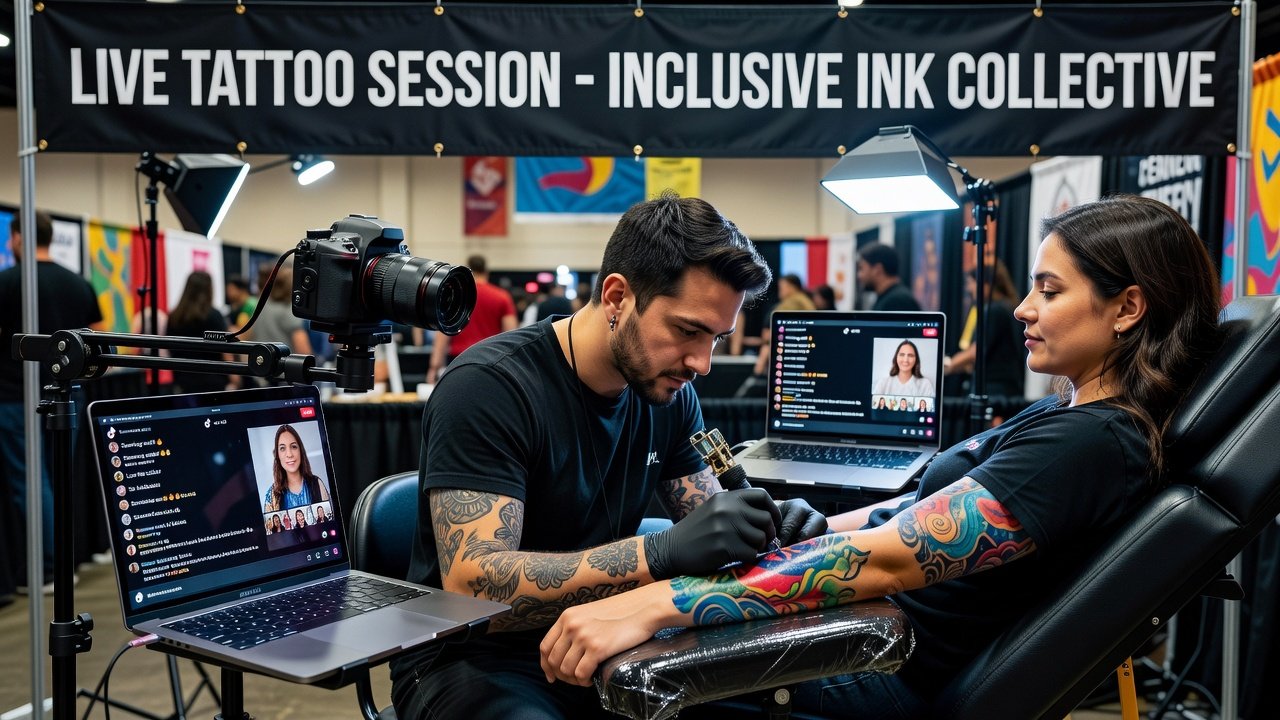
Forward-thinking events now offer live-streamed tattoo sessions alongside physical attendance. Virtual participants can vote on designs or join Q&A sessions in real time, creating inclusive experiences. This model keeps engagement high even for those unable to travel, sustaining interest long after the event concludes. Organizers can use tools like multi-camera setups and interactive polls to bridge the gap, turning one-time viewers into ongoing community members who return for future gatherings.
Examples include events offering virtual tattoo design consultations that feed into in-person bookings, enhancing both accessibility and revenue streams without compromising the core experience.
Common Mistakes to Avoid When Leveraging Trends
Many organizers rush into challenges without clear goals, leading to diluted messaging and low conversion. Another pitfall is neglecting post-event follow-up, where momentum from viral videos fades without nurturing new connections. Overlooking platform policy changes can also result in content takedowns, so staying updated on guidelines is essential. Finally, ignoring accessibility features like captions excludes portions of the audience and limits overall reach.
Measuring ROI from Social-Driven Event Traffic
FAQs on Tracking Success
How do I calculate ROI from TikTok referrals? Track unique promo codes shared in videos and compare ticket sales or booth bookings against baseline periods from previous years. Incorporate UTM parameters in links to monitor traffic sources precisely.
What metrics matter most? Focus on conversion rates from video views to registrations, plus post-event community retention indicators like follow-up interactions on dedicated event pages or email lists.
Can small events compete with larger ones? Yes, targeted niche challenges often outperform broad campaigns by fostering deeper connections within ink culture, leading to higher-quality leads and repeat attendance.
How long should I run a challenge post-event? Continue for at least two weeks to capture healing progress stories and testimonials that extend the event's digital lifespan.
What tools help with measurement? Use built-in TikTok analytics alongside third-party platforms for comprehensive dashboards that correlate social activity with actual attendance data.
Future Outlook for Tattoo Events Beyond 2026
As technology evolves, expect greater integration of augmented reality for virtual try-ons and blockchain for verifying artist credentials at events. These advancements will further embed TikTok-style interactivity into the fabric of ink culture, making events more immersive and data-driven. Communities that invest in these tools early will lead the way in sustainable growth.
Conclusion: Embracing the Future of Viral Ink Events
TikTok challenges are not a passing fad but a core driver of 2026 tattoo event trends. By blending organic creativity with ethical practices and hybrid formats, the body art community can harness this momentum for sustainable growth. Artists and organizers who adapt thoughtfully will see lasting benefits in visibility and participation, strengthening the entire ecosystem of ink culture for years to come.
Explore more on modern tattoo trends.
No comments yet. Be the first!